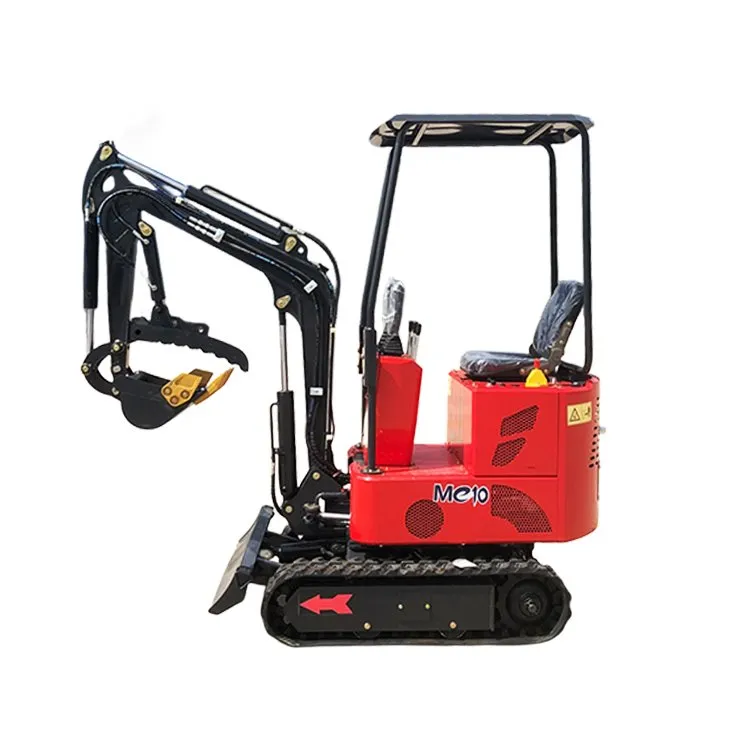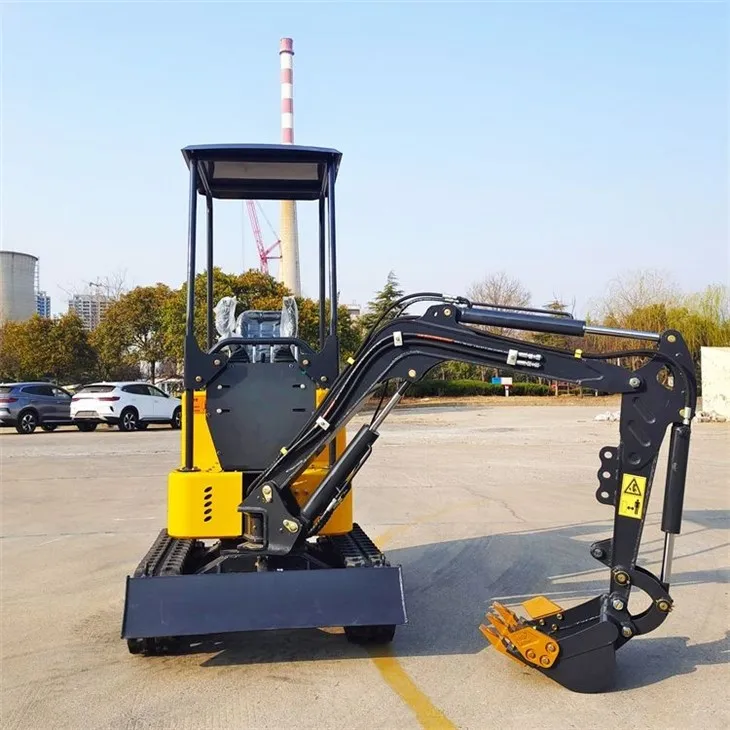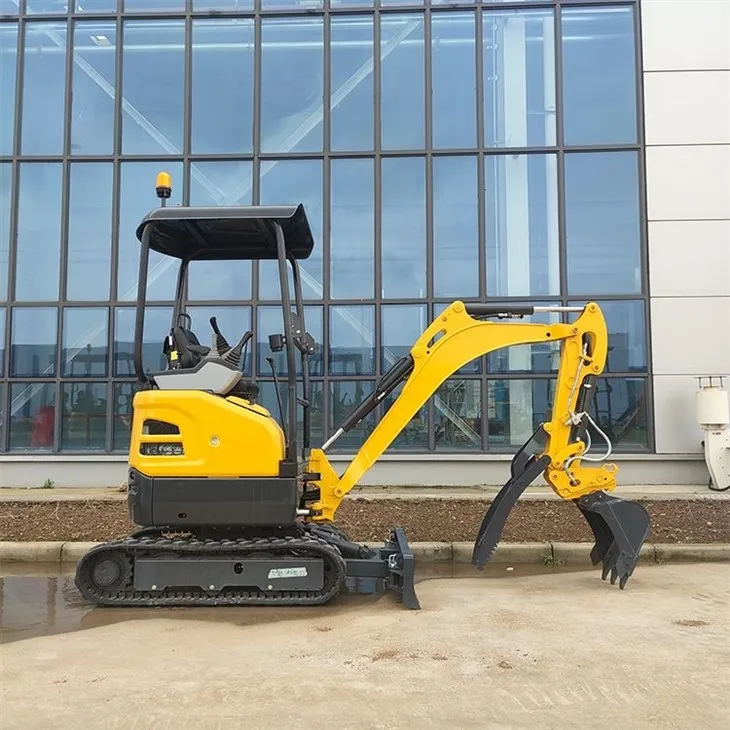
Product Details
A mini small excavator is a small diesel- or battery-powered tracked or wheeled machine that combines the digging ability of an excavator with the mobility and flexibility of a compact piece of equipment. Mini small excavator are typically equipped with a hydraulic boom and an arm fitted with a bucket, auger, breaker or any one of a variety of attachments, and a cab where the operator sits. Their small size and precise controls make them ideal for countless applications, including construction, landscaping, utility work and demolition projects.
Advantages of Mini Small Excavator:
More accessibility
With regular-sized excavators, the accessibility on a construction site is limited. Due to its smaller size, a mini excavator allows for more accessibility in tight spaces. This also means that there are more areas in a construction project where you can use an excavator, especially if it’s a renovation project.
Cause less damage
In addition, mini excavators cause less damage. A reason why mini excavators can cause less damage is that, in addition to being smaller, they are lighter pieces of equipment compared to a regular excavator. So, there’s a decreased chance that you’ll bump into something.
Easier to operate
Another one of the advantages of using mini excavators is that they are easier to control. This makes construction work more efficient with less time spent on training workers on how to operate heavy-duty equipment and more time doing the job itself.
Make less noise
Noise levels are a danger to everyone on a construction site, which is why finding ways to reduce levels is vital for everyone’s safety. Using a mini excavator is one way to make less noise on a site because, since it’s a smaller machine, it produces less noise.
Components of Mini Small Excavator:
House
Attached to the undercarriage with a swing bearing, the house contains your operator’s cab, engine, hydraulic pump and distribution components. The house and the workgroup rotate or “slew” 360 degrees to provide exceptional agility when working in confined areas where larger machines can’t fit.
Undercarriage
The undercarriage includes standard rubber excavator tracks surrounding drive sprockets, rollers and idlers which propel the machine. The most common type of undercarriage for smaller mini excavators is the retractable undercarriage. This h-shaped undercarriage can be retracted to temporarily reduce overall machine width, which is valuable for traveling through small openings or working in tight areas. It should be expanded before doing any work. A fixed excavator undercarriage is typically a little wider than the house structure.
Workgroup
The boom, arm and any attachment you add to the machine are all included in the workgroup. Compact excavators are unique in that their workgroup is connected to the front of the house with a “swing frame.” the swing frame can be hydraulically pivoted left or right so you can do offset digging parallel to the excavator tracks.
Backfill blade
Hydraulically activated and controlled from inside the excavator cab, the backfill blade is connected to the undercarriage and used for grading, leveling, backfilling and dozing. It can also be used as a stabilizer for the machine depending on its position. An angle blade option is ideal if you need to backfill and grade quickly. This option lets you angle the excavator’s backfill blade 25 degrees left or right to direct soil from one side to the other.
Factors to Consider When Choosing a Mini Small Excavator
1. Operating weight and size the operating weight and size of the excavator are critical factors, as they determine where the machine can be used and what tasks it can perform. Consider the typical environments and tasks your excavator will encounter and choose a size that offers the best balance between power and maneuverability.
2. Engine power and performance engine power directly impacts the machine’s performance, especially when operating heavy attachments or working in challenging conditions. Higher horsepower engines provide more power, but they also consume more fuel, so it’s essential to balance power needs with efficiency.
3. Hydraulic flow and auxiliary circuits the hydraulic system is vital for operating attachments, so it’s important to consider the hydraulic flow rate and the number of auxiliary circuits available. Machines with higher flow rates and multiple circuits can handle a wider range of attachments, offering greater versatility.
4. Attachment compatibility ensure that the excavator you choose is compatible with the attachments you plan to use. Some models come with universal couplers that allow for quick and easy attachment changes, while others may require specific couplers or additional modifications.
5. Cab comfort and visibility operator comfort is essential for long workdays, so look for cabs that offer ergonomic seating, good visibility, and easy-to-use controls. A comfortable operator is more productive and less prone to fatigue, which can also improve safety on the job site.
6. Maintenance and serviceability consider the ease of maintenance and serviceability when choosing a compact excavator. Machines with easy access to key components, clear maintenance schedules, and readily available parts will reduce downtime and extend the life of the machine.
Applicable Scenarios

Construction

Gardens and orchards

Indoor demolition
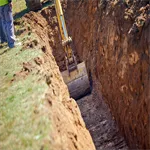
Digging trenches
FAQ
Ant Cloud Intelligent Equipment (Shandong) Co., Ltd.