Product Details
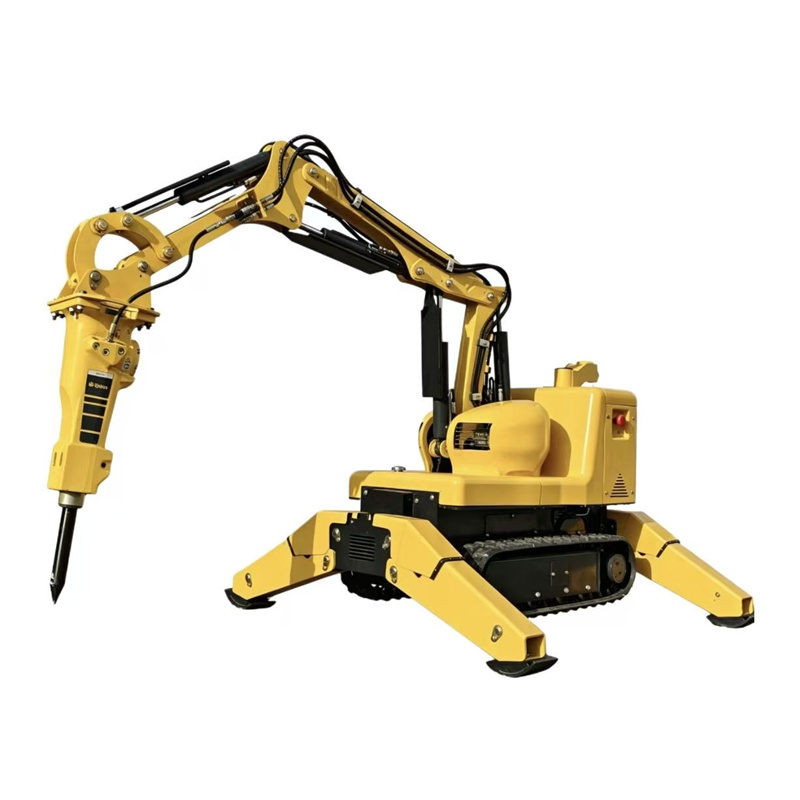
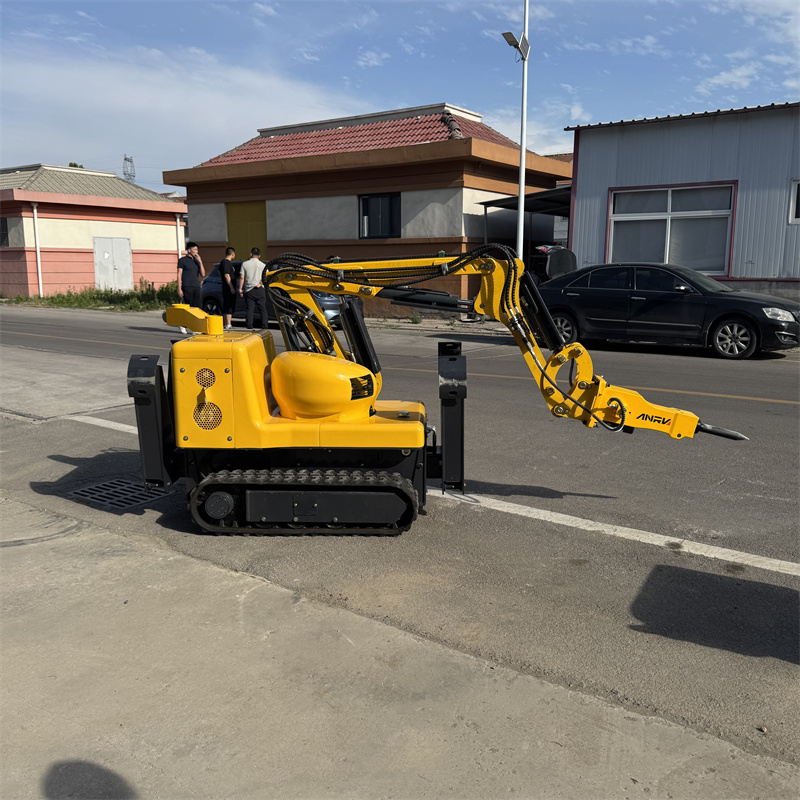
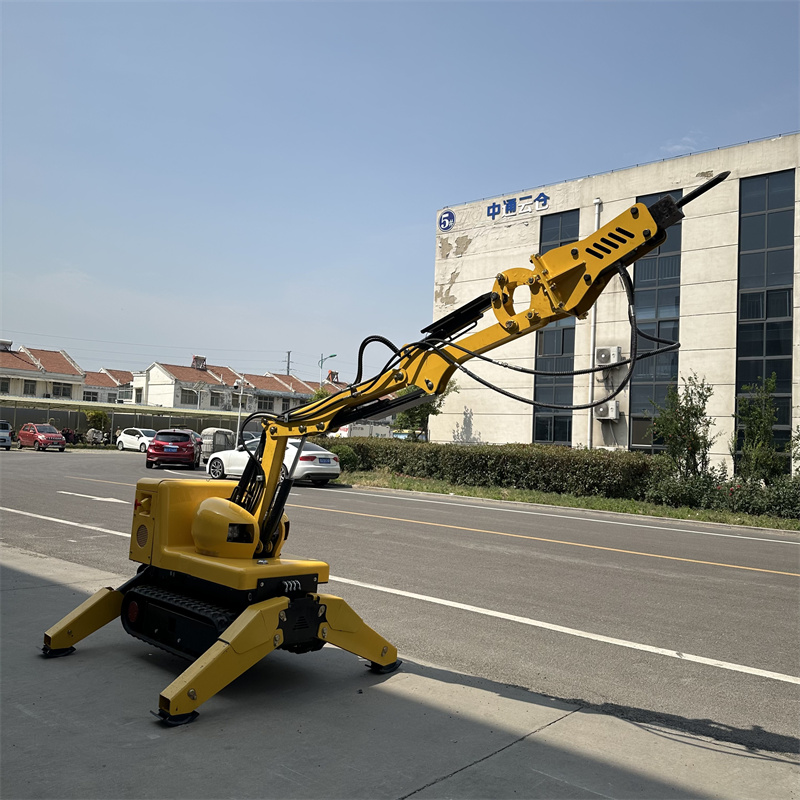
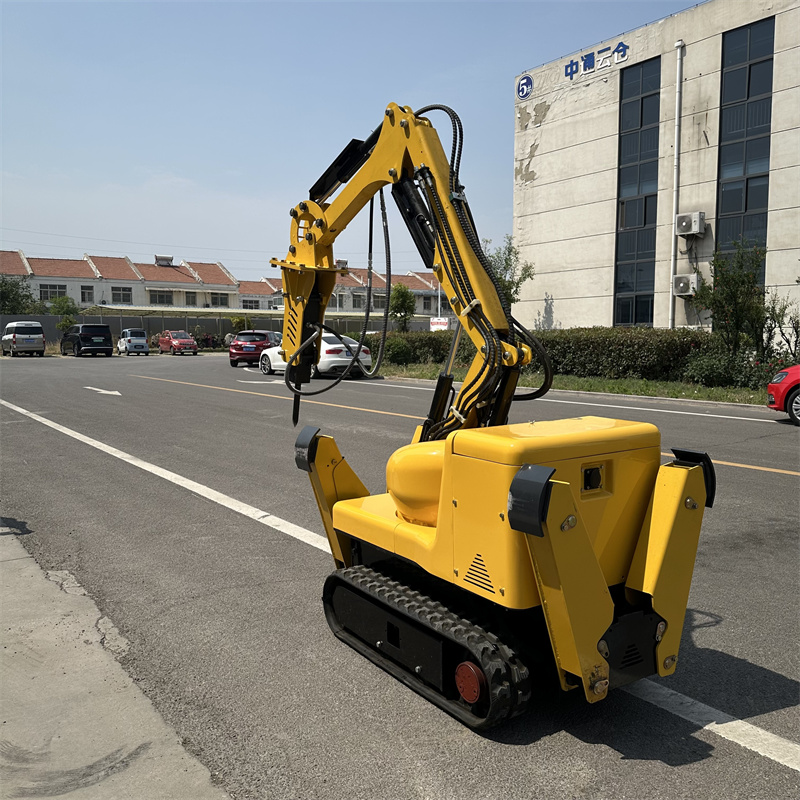
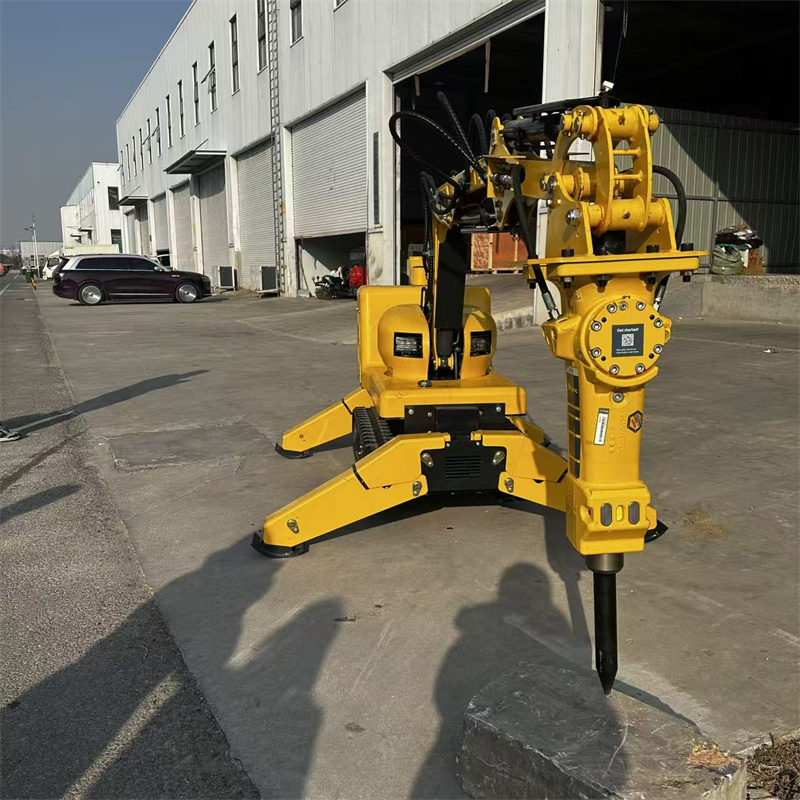
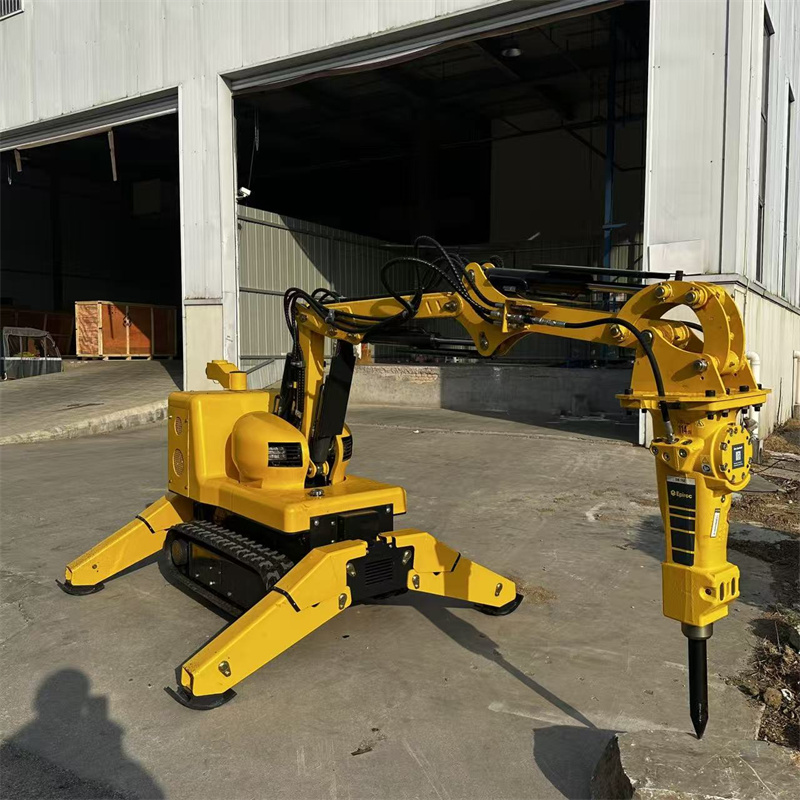
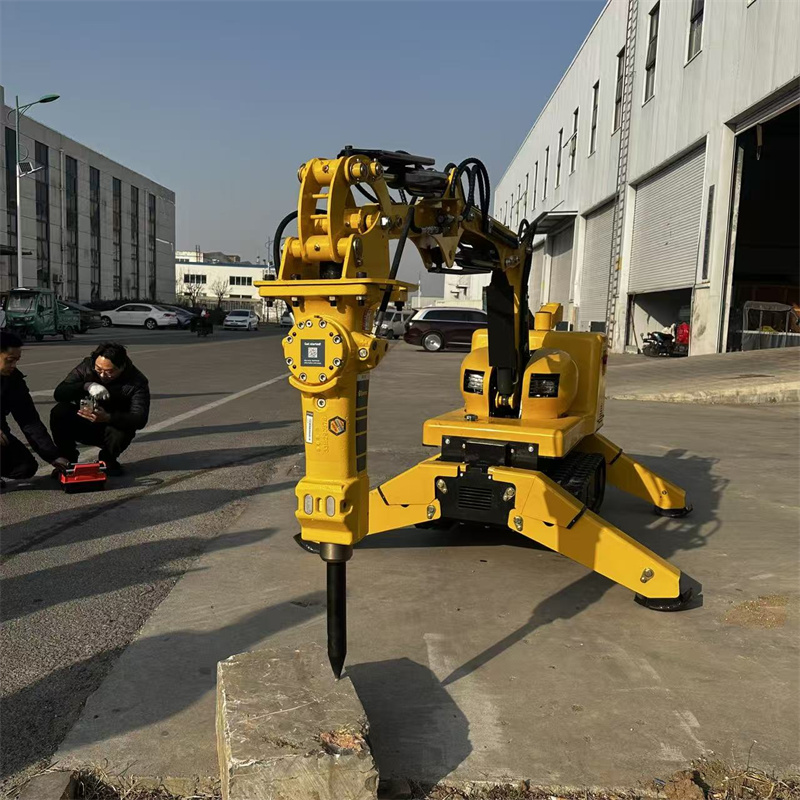
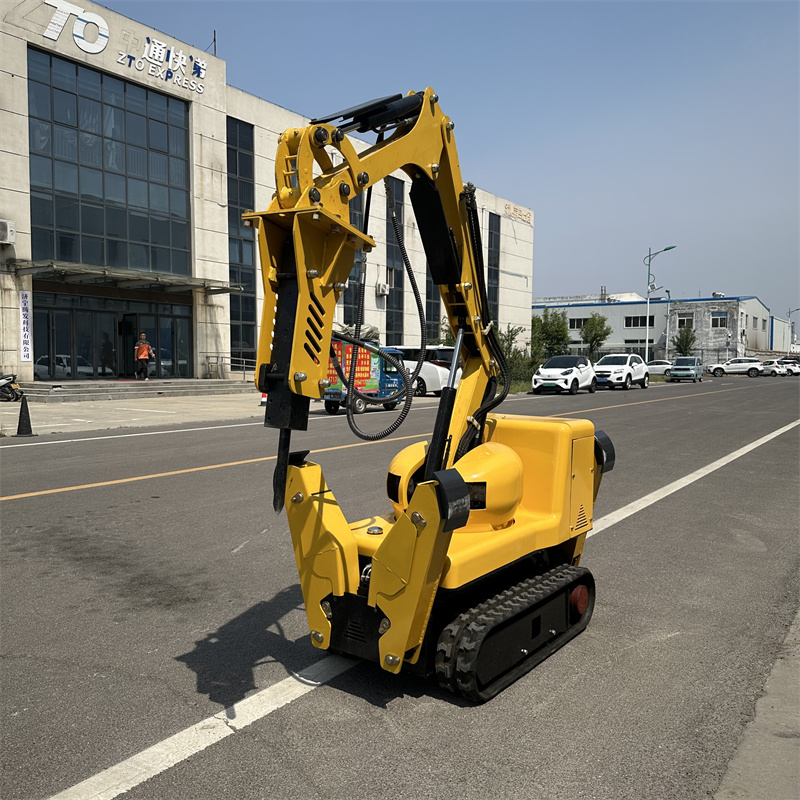
Remote Controlled Demolition Robot
Most people first notice the remote control.
And honestly, that’s usually the reason they start asking questions about the machine.
But after the conversation goes on for a while, the discussion normally shifts somewhere else.
Space.
Access.
Safety.
Those tend to be the real issues.
A lot of demolition projects aren’t happening on wide-open construction sites. Sometimes the work is inside an old factory. Sometimes it’s underground. Sometimes there’s barely enough room for equipment to turn around.
In those situations, a demolition robot can be a practical option.
Not because it’s new technology. Not because it looks impressive.
Simply because it can go where other machines struggle.
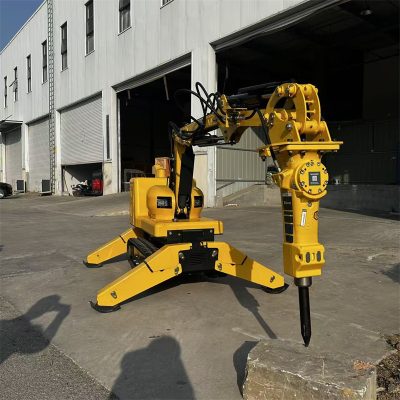
There isn’t one type of customer using this equipment.
We’ve seen contractors use demolition robots for building renovations, tunnel projects, cement plant maintenance, steel mills, mining operations, and all sorts of industrial shutdown work.
The jobs are different.
The reason for choosing the machine is often the same.
People want to keep operators away from unnecessary risk.
Anyone who’s spent time around demolition sites understands why.
Dust, vibration, falling concrete, unstable structures — none of that is unusual.
Being able to stand back and control the machine remotely changes the working environment quite a bit.
Something else worth mentioning is the machine’s size.
Customers sometimes assume a compact machine means limited capability.
That isn’t really how it works.
The machine is smaller because it needs to fit into restricted areas.
Once the hydraulic system is doing the work, size becomes less important than many people expect.
We’ve seen projects where getting through a doorway was the biggest challenge. After that, the demolition itself was relatively straightforward.
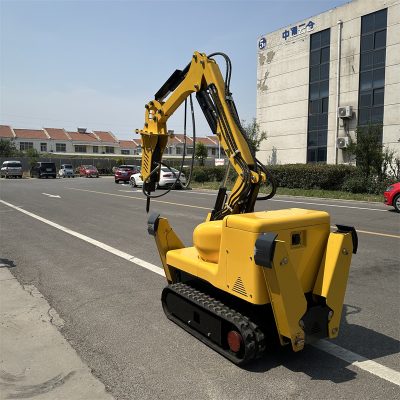
No two demolition projects look exactly alike.
One week you might be removing reinforced concrete.
The next week you’re cleaning up debris or preparing an area for reconstruction.
That’s why attachment options matter.
Most operators switch between different tools depending on the task at hand.
Breakers, crushers, buckets, grapples — it really depends on what the site requires.
Some customers have a preferred setup. Others change attachments constantly throughout a project.
Both approaches are pretty common.
Another thing people don’t always think about is indoor work.
Traditional equipment isn’t always suitable inside existing structures.
Ventilation becomes an issue.
Noise becomes an issue.
Access becomes an issue.
A demolition robot helps solve some of those problems without requiring major changes to the work site.
That’s one of the reasons they’re becoming more common in renovation and industrial maintenance projects.
At the end of the day, most customers aren’t looking for a machine because it’s a “demolition robot.”
They’re looking for a way to complete difficult work more safely and with fewer complications.
The robot just happens to be the tool that gets them there.
Applicable Scenarios

Construction

Gardens and orchards
Indoor demolition
Digging trenches
FAQ
Ant Cloud Intelligent Equipment (Shandong) Co., Ltd.