The construction industry has always been looking for equipment that can improve efficiency while making difficult jobs safer and easier to manage.
In recent years, electric remote control excavators have started to attract more attention from contractors, rental companies, and equipment distributors. Unlike traditional excavators that require the operator to sit inside the cabin, remote controlled excavators allow operators to control the machine from a safer position, creating new possibilities for working in challenging environments.
With the development of electric power systems and remote control technology, this type of compact construction equipment is becoming a practical choice for projects where traditional machines may have limitations.
What Is an Electric Remote Control Excavator?
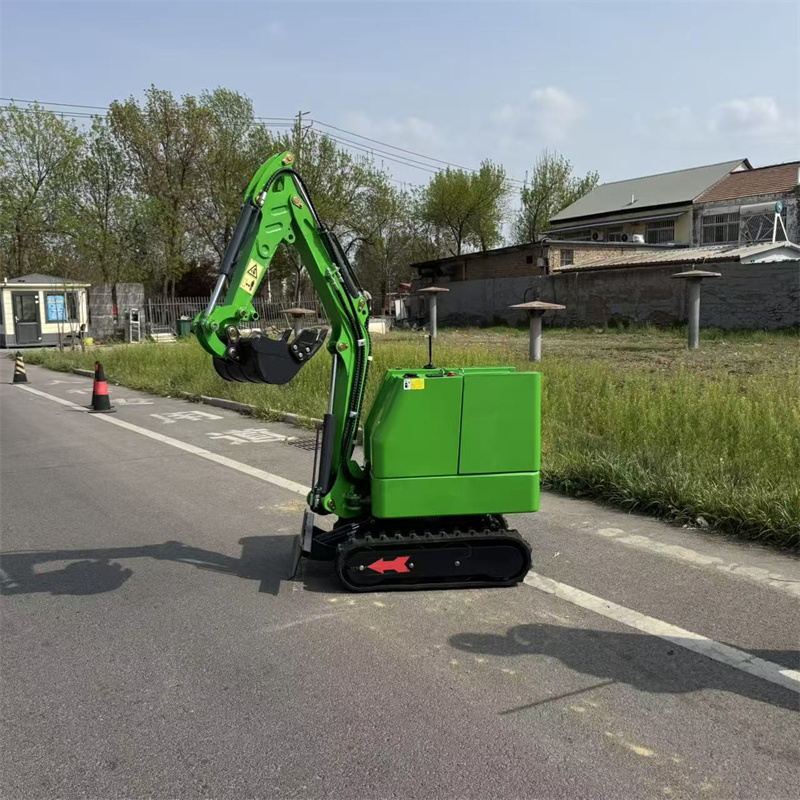
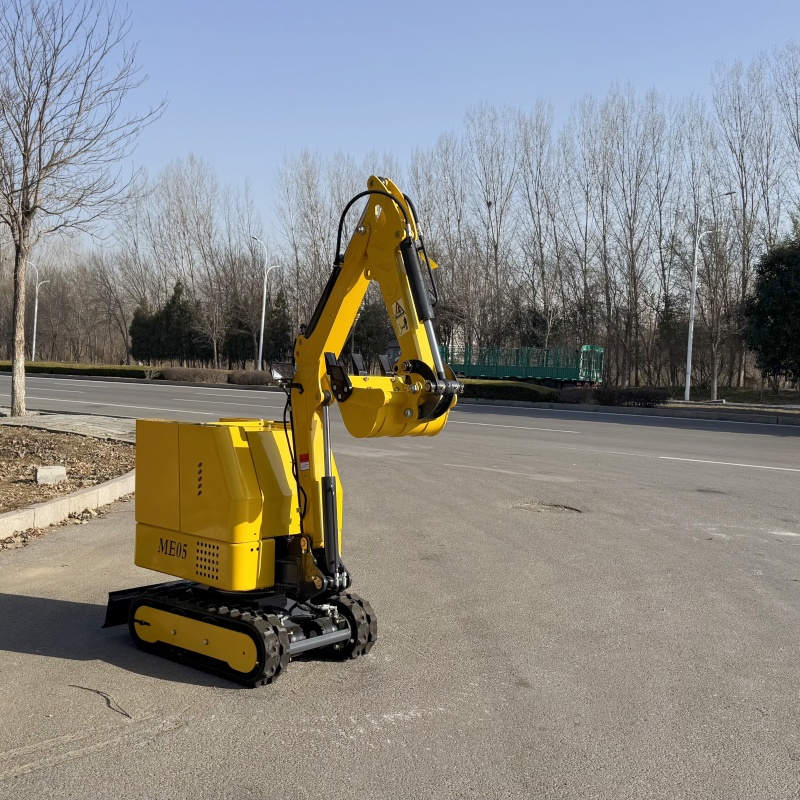
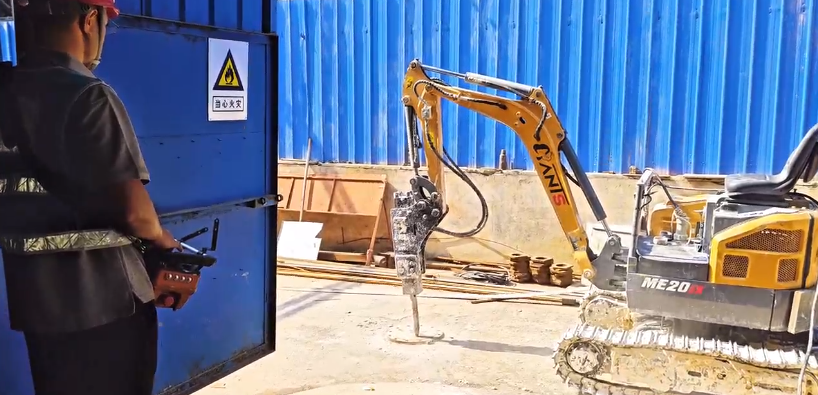
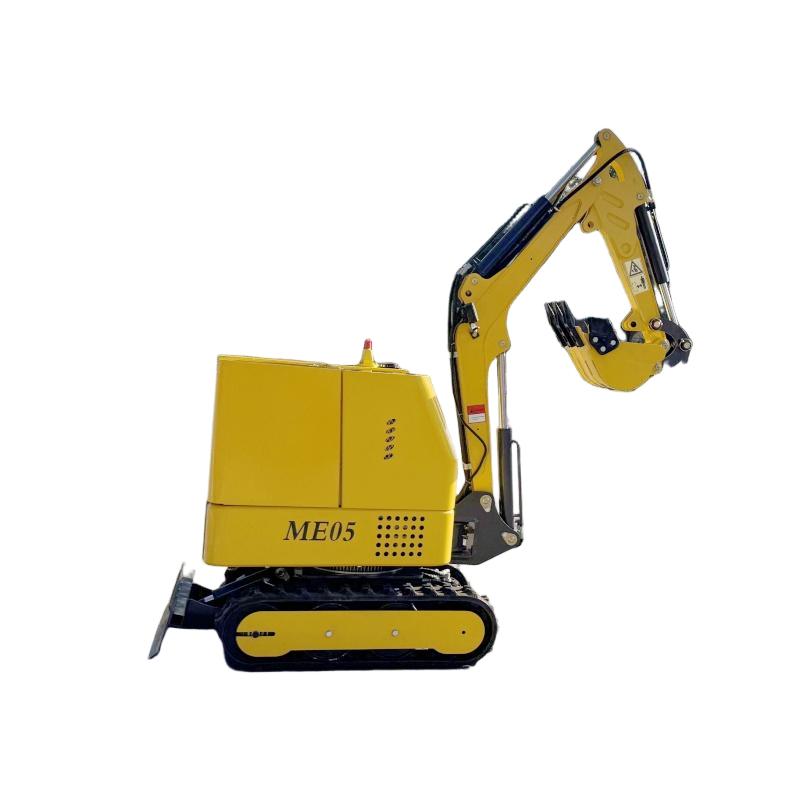
An electric remote control excavator is a compact excavator that combines an electric drive system with wireless remote operation technology.
Instead of controlling the machine directly from the operator seat, users can operate the excavator through an industrial remote controller. The operator can control important functions such as traveling, digging, boom movement, bucket operation, and machine rotation while staying away from the immediate working area.
This design is especially useful in environments where safety, visibility, or accessibility are major concerns.
Why Remote Operation Is Becoming More Important
Traditional excavators are highly effective machines, but some working environments create challenges for operators.
For example, construction work may take place in:
- unstable ground conditions
- narrow spaces
- areas with falling object risks
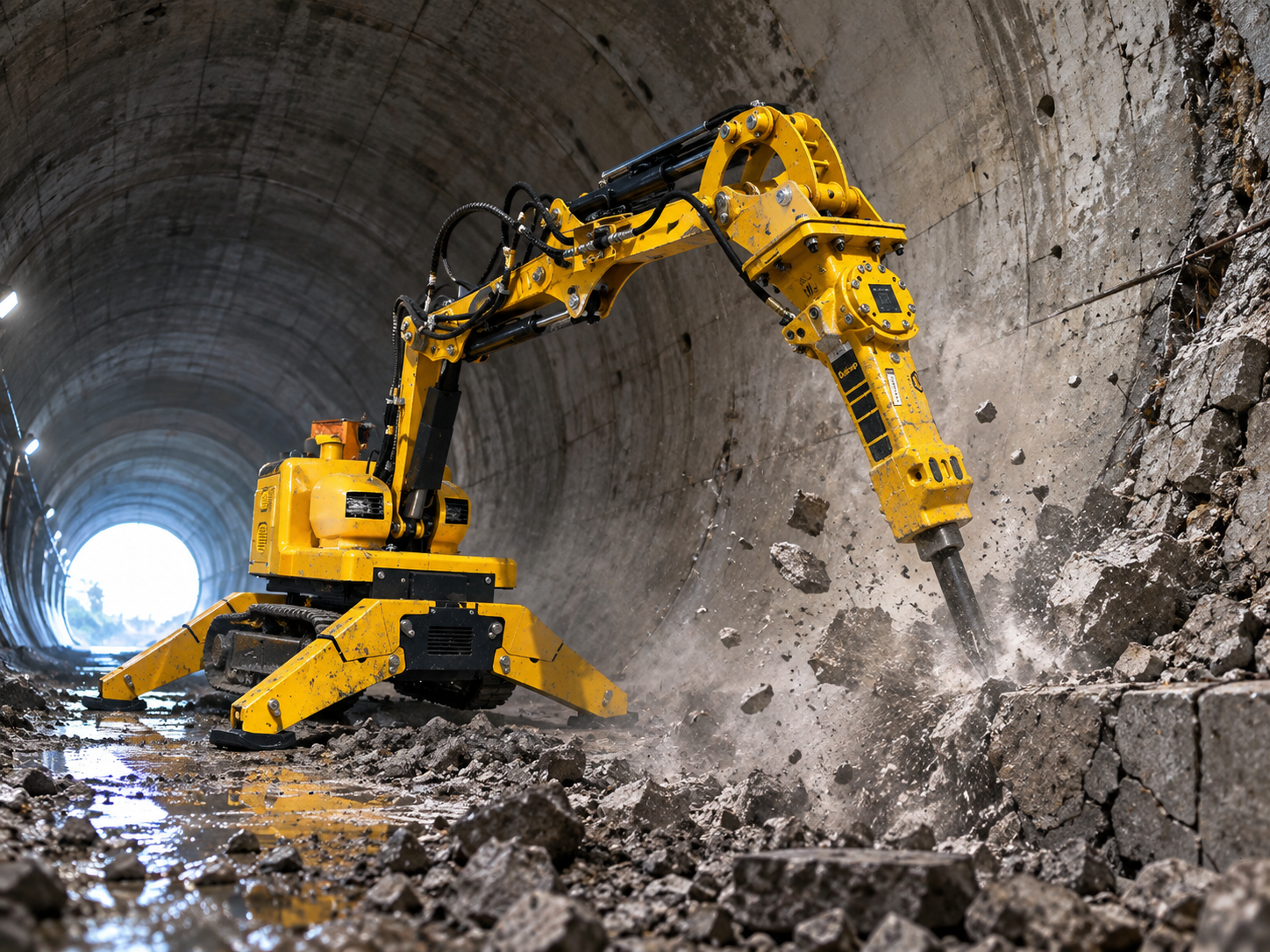
- underground or partially enclosed locations
- demolition sites
In these situations, keeping the operator away from the machine can reduce exposure to potential hazards.
Remote control technology does not replace the skills of an experienced operator. Instead, it gives operators more flexibility in choosing where and how they control the equipment.
Electric Power Brings New Possibilities
The combination of electric power and remote control technology creates several advantages for modern construction applications.
Electric excavators operate without traditional diesel engines, which helps reduce exhaust emissions and operating noise.
This makes them suitable for projects where environmental requirements or noise restrictions are important, such as:
- indoor construction
- urban renovation
- residential areas
- agricultural buildings
- underground projects
For contractors working in sensitive environments, quieter operation can make daily work easier.
Applications of Remote Control Excavators
The demand for remote control excavators is growing because they can handle jobs that require more flexibility.
In demolition projects, operators can control the machine from a safer distance when working around unstable structures.
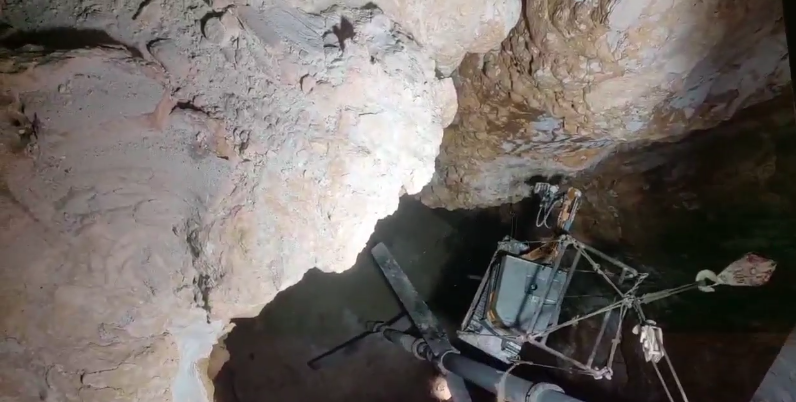
In underground or indoor construction, remote operation allows equipment to work in areas where direct operation may be inconvenient.
For landscaping and property maintenance, compact remote controlled excavators can access smaller areas while providing the digging capability required for everyday tasks.
Compact Size Makes Them Suitable for More Job Sites
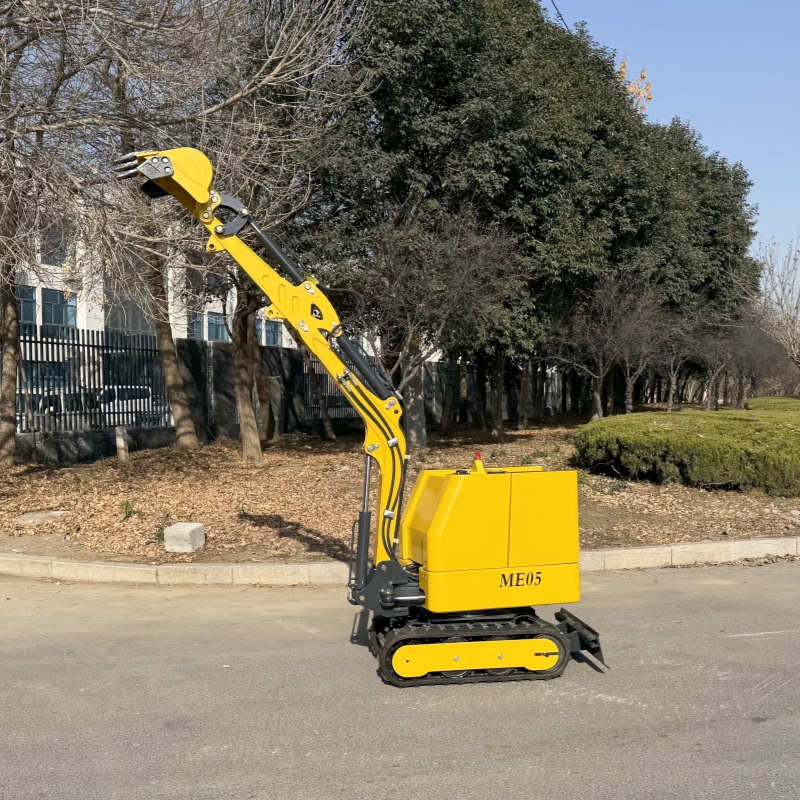
Most electric remote control excavators are designed in a compact format.
Compared with larger construction machines, compact excavators are easier to transport and can access areas with limited space.
This is important for many modern projects because construction sites are becoming smaller and more complex.
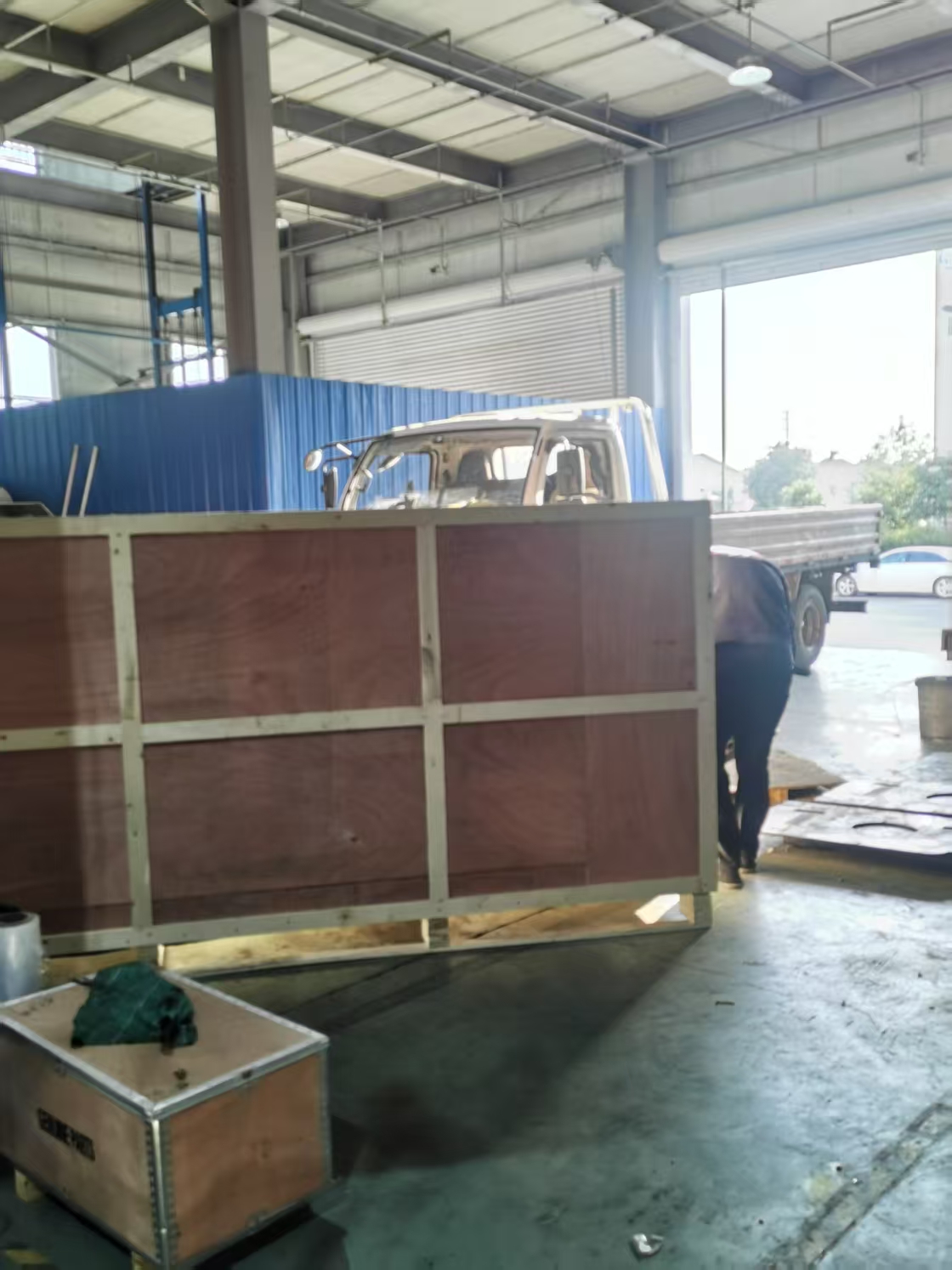
A compact remote control excavator can be transported between different locations and used for various tasks without requiring large transportation equipment.
What Should Buyers Consider When Choosing a Remote Control Excavator?
For contractors and distributors, choosing a remote control excavator involves more than looking at machine size.
The quality of the remote control system is one important factor. A reliable industrial controller should provide stable communication and accurate operation.
Battery capacity and working time are also important for electric models. Longer operating time allows the machine to complete more tasks without frequent charging interruptions.
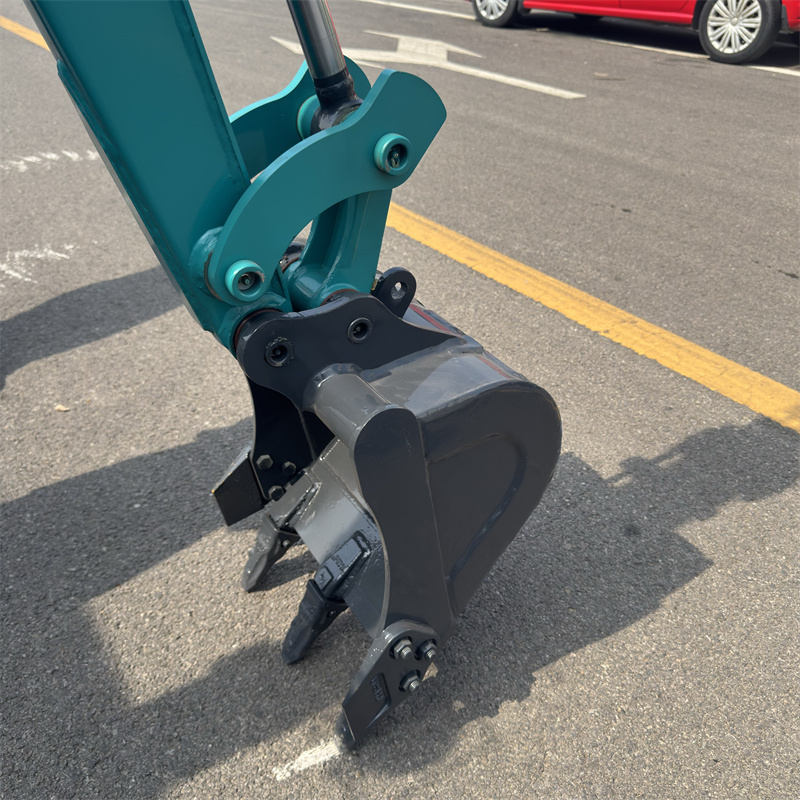
In addition, users should consider attachment compatibility, maintenance requirements, and after-sales support before making a purchase.
The Future of Electric Remote Control Construction Equipment
The development of electric construction equipment is changing how some projects are completed.
As technology improves, remote control excavators are becoming more practical, especially for specialized applications where safety and flexibility are priorities.
For contractors, these machines provide another option beyond traditional equipment. For dealers, electric remote control excavators represent a growing category in the compact construction machinery market.
The future of construction equipment is not only about bigger machines. In many cases, smarter and more flexible equipment can provide better solutions for specific working environments.
Conclusion
Electric remote control excavators combine compact design, electric power, and remote operation technology to solve challenges found in modern construction projects.
They are particularly valuable for applications where operators need additional safety, lower noise, cleaner operation, or access to difficult working areas.
As more companies focus on efficient and safer construction methods, remote controlled electric excavators are expected to become an increasingly important part of the compact equipment market.