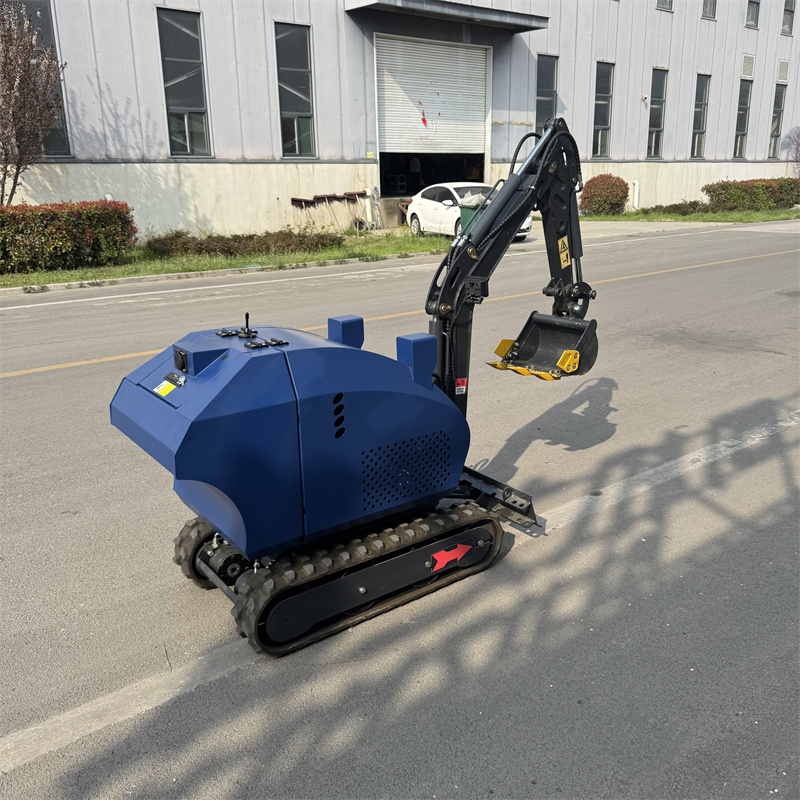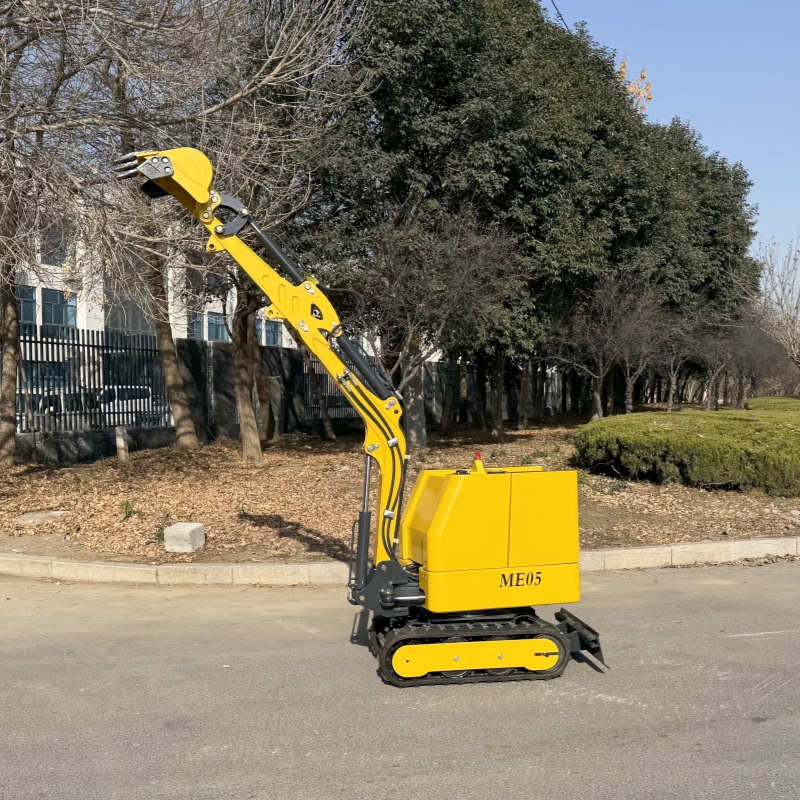
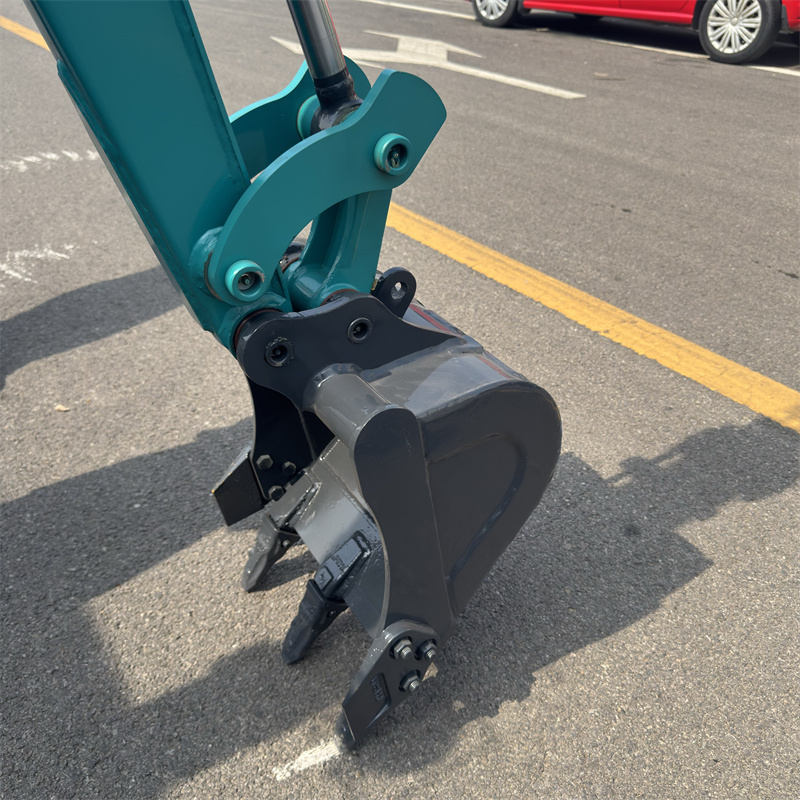
Changing the bucket on a mini digger is a common job on construction sites. Different buckets can be used for excavation, trenching, grading and other tasks, so being able to change the attachment quickly can make the machine more practical for different jobs.
The process is straightforward, but the bucket pins can be under load, so safety should always come first. Here is a simple guide to changing a bucket on a mini digger.
Preparation Before Changing the Bucket
Start by parking the mini digger on firm, level ground. Do not change the bucket while the machine is parked on a slope. The machine should be stable before any work is carried out.
Lower the bucket to the ground and switch off the engine. Move the control levers back and forth several times to release any remaining hydraulic pressure in the system. This step is important because residual hydraulic pressure can make the attachment difficult or unsafe to remove.
Prepare a wrench, hammer and grease before starting. It is also a good idea to clean the bucket pin holes and the surrounding area, especially if there is mud, dirt or other debris around the connection.
Removing the Old Bucket
Once the machine is safely parked and the hydraulic pressure has been released, you can start removing the bucket.
First, lower the bucket completely onto the ground. Adjust the position if necessary so that there is no load on the bucket pins. The pins should be free of pressure before you try to remove them.
Next, remove the locking nuts and safety pins that hold the bucket pins in place.
Carefully drive out the two bucket pins with a hammer. If a pin is difficult to move, do not keep hitting it with excessive force. Check the bucket position again and make sure there is no pressure on the pin. Penetrating oil can also be applied to a stubborn pin and left for a while before trying again.
After both pins have been removed, the old bucket can be separated from the mini digger.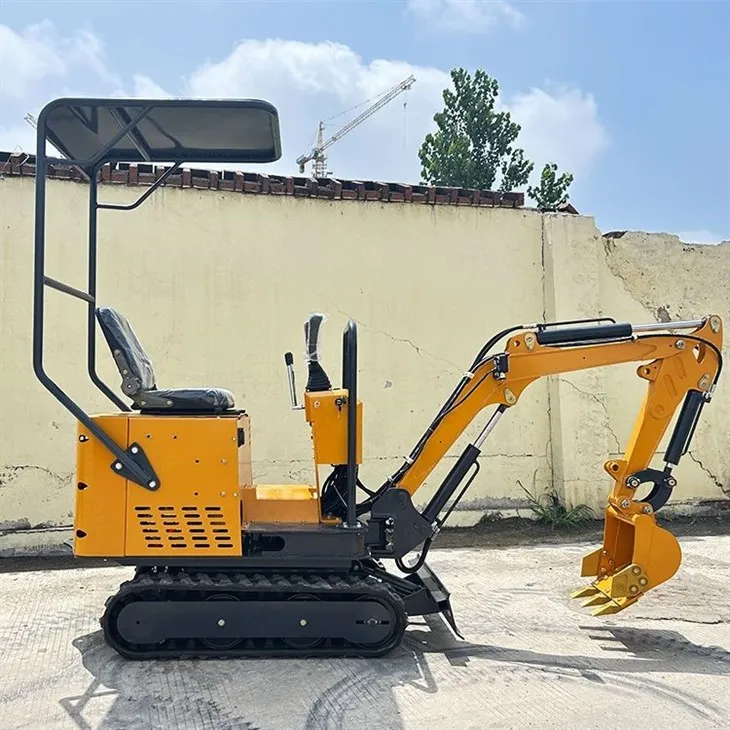
Installing the New Bucket
Position the new bucket in front of the machine and align its pin holes with the linkage. Small adjustments to the boom or arm may be needed to get the holes lined up correctly.
Before installing the pins, apply enough grease to the pin surfaces. Good lubrication helps the pins go into place more easily and reduces wear during operation.
Insert the two bucket pins through the aligned holes. Once the pins are fully seated, reinstall the retaining plates, locking nuts and safety pins. Make sure every part of the locking system is properly fitted and tightened.
Do not operate the machine until all the retaining hardware has been secured.
Check the Bucket Before Work
Before starting normal operation, check the bucket connection carefully.
Give the bucket a light shake by hand and make sure there is no obvious looseness. Then start the mini digger and run the hydraulic system at idle speed.
Slowly operate the boom and bucket. Check that the bucket curls and dumps smoothly and that the boom moves normally. Listen for any unusual noise and check the pin connections again after operating the attachment.
If the bucket moves smoothly and remains securely connected, the machine is ready to work.
Important Safety Tips
Never remove or install a bucket before releasing the hydraulic pressure.
Do not try to force a stuck bucket pin by repeatedly hitting it with excessive force. Make sure the bucket is properly supported and that there is no load on the pin before removal.
After installation, all nuts, retaining plates and safety pins must be properly secured. A loose pin or incorrectly installed locking component can cause the bucket to come off during operation and create a serious safety risk.
If your mini digger has a different bucket connection or locking system, always follow the manufacturer’s instructions for that particular machine.
Quick Bucket Changes for Different Jobs
A mini digger may be used for many different types of work, and one bucket is not always suitable for every job. Being able to change buckets quickly makes it easier to switch between excavation, trenching, grading and other applications.
Our mini excavators support quick bucket changes and can be equipped with different bucket options to suit different working conditions. If you are looking for a mini excavator, bucket or other attachments, contact us for machine specifications, attachment options and spare parts pricing.