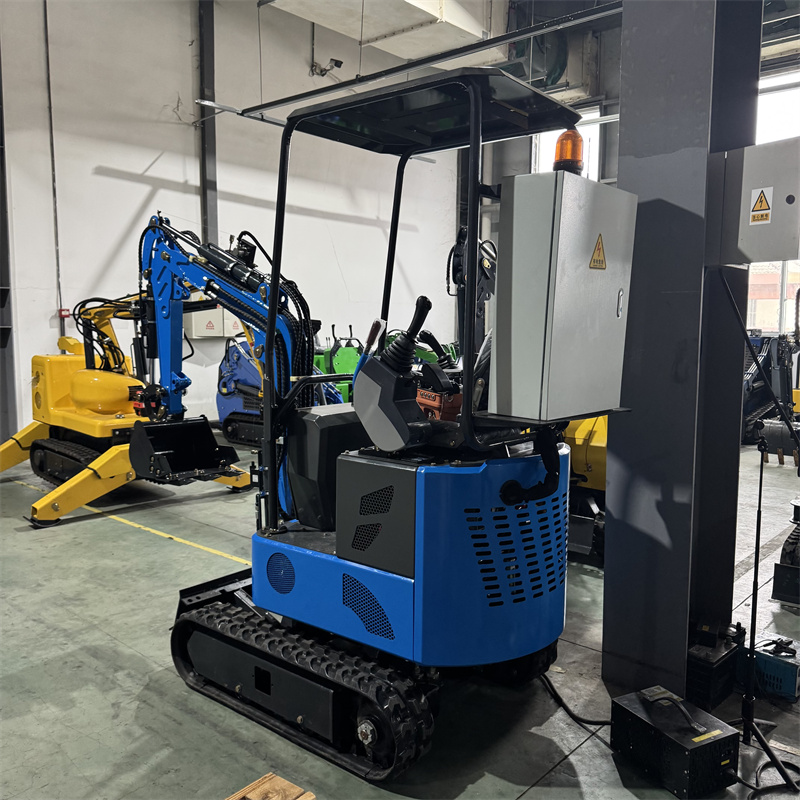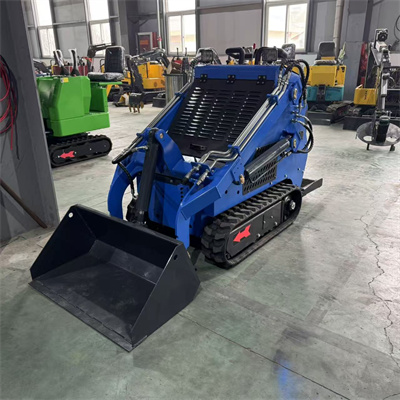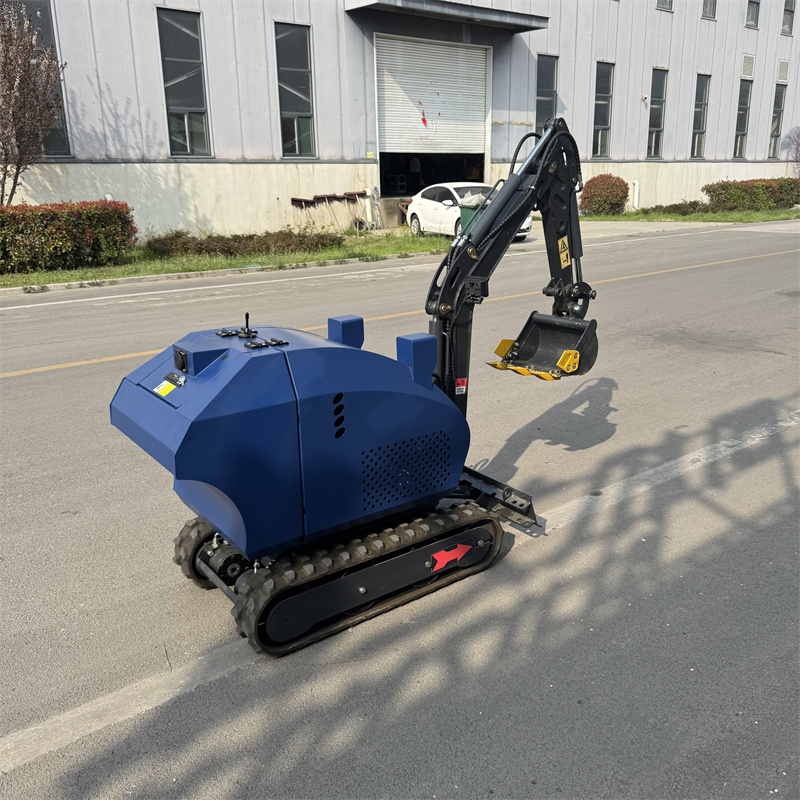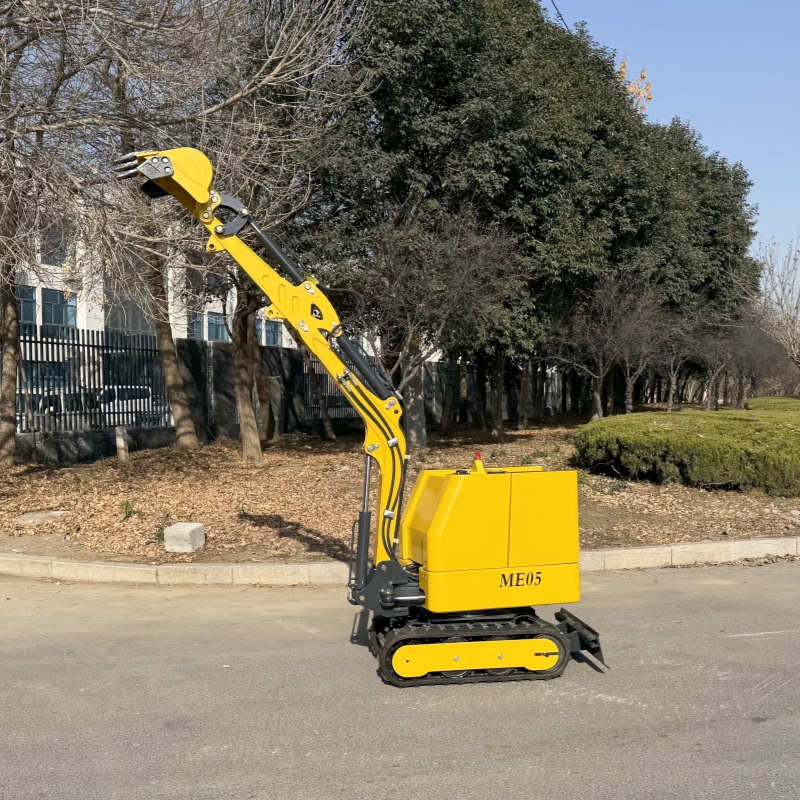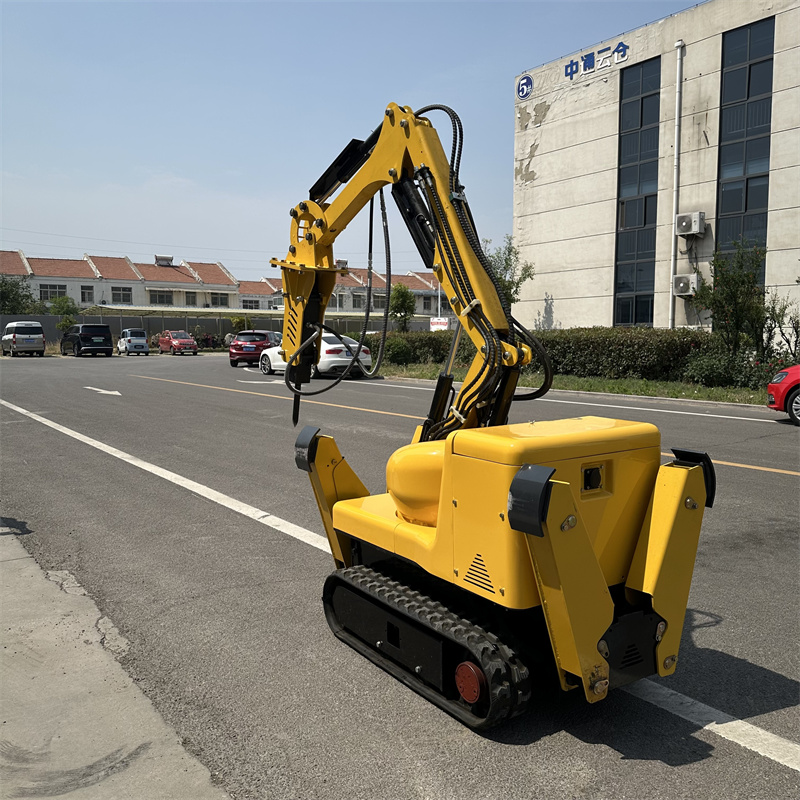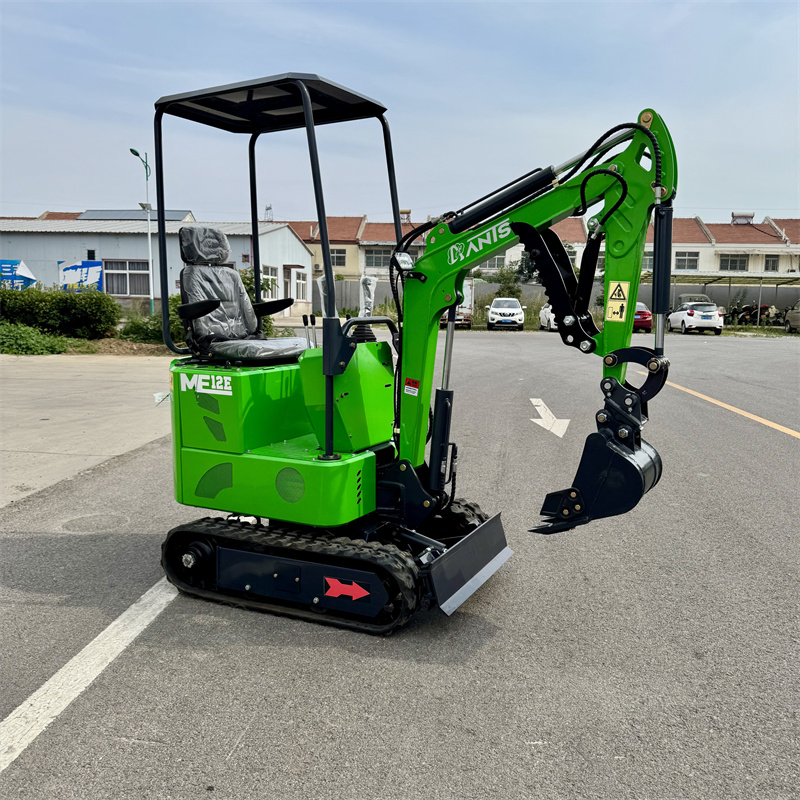
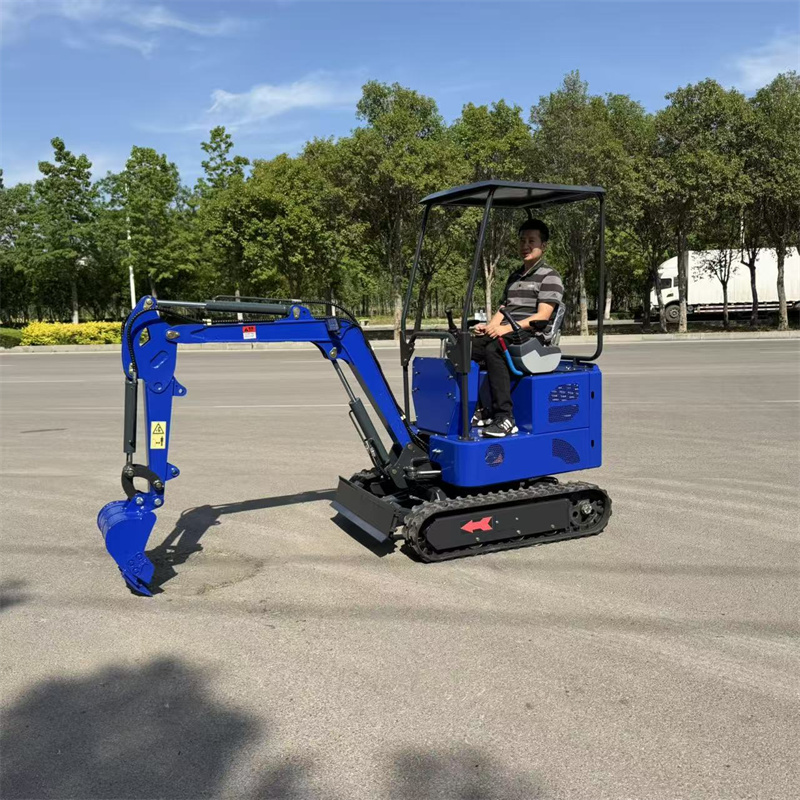
Walk past a landscaping project, a municipal maintenance site, or a residential construction area today, and there is a good chance you’ll spot compact equipment doing work in places where larger machines simply can’t operate efficiently.
Among these machines, the 1.5 ton electric excavator is gradually becoming a familiar sight. It is not replacing every diesel excavator on the market, but for certain tasks, many contractors have found that a smaller electric machine can often be the more practical option.
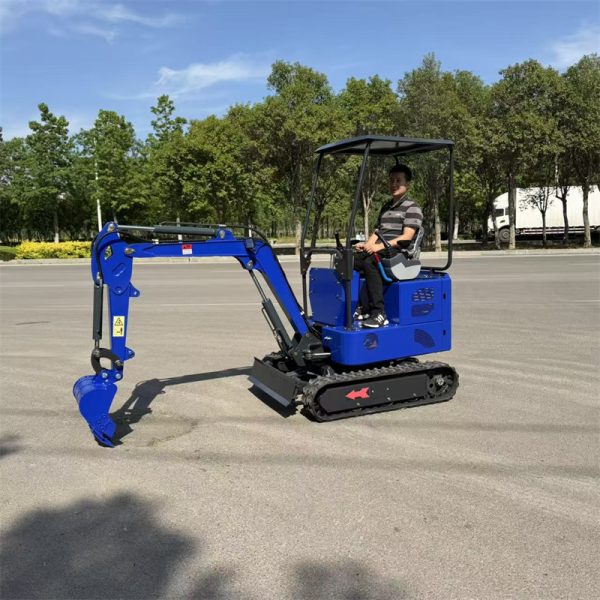
Urban Construction Is Changing
Construction projects today are very different from those of ten years ago.
Job sites are becoming more compact. Residential developments are built closer together. Renovation work is increasingly performed in occupied buildings. At the same time, project owners are paying greater attention to noise levels, emissions, and environmental impact.
These changes have created demand for equipment that can work efficiently without creating unnecessary disruption.
Small Machines Are Taking on Bigger Responsibilities
In the past, compact excavators were often viewed as support equipment.
Today, many contractors rely on them as primary machines for trenching, landscaping, utility installation, foundation preparation, and maintenance work.
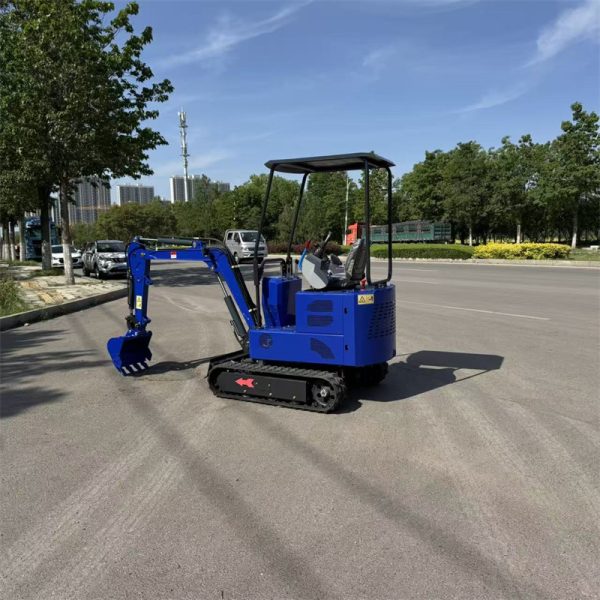
A 1.5 ton electric excavator can transport easily between job sites, enter restricted areas, and complete tasks that would be difficult for larger equipment.
Less Time Spent on Routine Maintenance
Equipment downtime can be expensive.
When machines are unavailable due to maintenance, projects may slow down and labor costs can increase. This is one reason many fleet owners are paying closer attention to electric equipment.
Without a traditional diesel engine, several routine service items are eliminated. Maintenance schedules become simpler, allowing operators to spend more time working and less time servicing equipment.
Working Where Traditional Equipment Faces Limitations
Certain projects present challenges that traditional equipment cannot easily solve.
Indoor demolition, warehouse renovations, greenhouse construction, underground facilities, and enclosed spaces often require equipment with low noise levels and no exhaust emissions.
In these environments, electric excavators can continue working while helping maintain a more comfortable and safer atmosphere for surrounding personnel.
A Practical Choice for Growing Electric Equipment Fleets
The transition toward electric construction equipment is happening gradually rather than overnight.
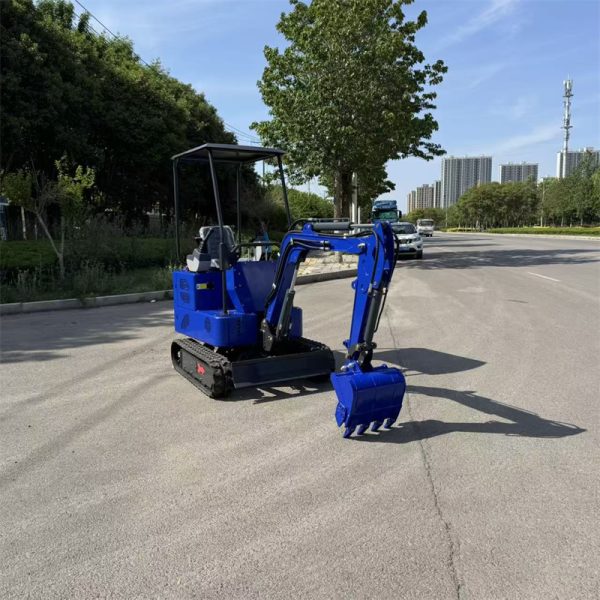
Many contractors begin by adding one compact electric excavator to their fleet and evaluating its performance in daily operations. As they gain experience, additional electric machines often become part of future equipment purchases.
For businesses looking to explore electric construction machinery, the 1.5 ton class is frequently seen as a practical starting point.
Looking Beyond the Equipment Itself
The growing interest in electric excavators reflects a broader shift taking place across the construction industry.
Contractors are increasingly focused on operating efficiency, project flexibility, environmental responsibility, and long-term ownership costs. Equipment purchasing decisions are no longer based solely on digging power or machine size.
As construction practices continue to evolve, compact electric excavators are likely to become a more familiar part of everyday job sites.