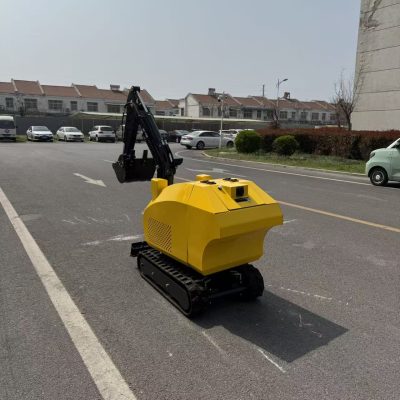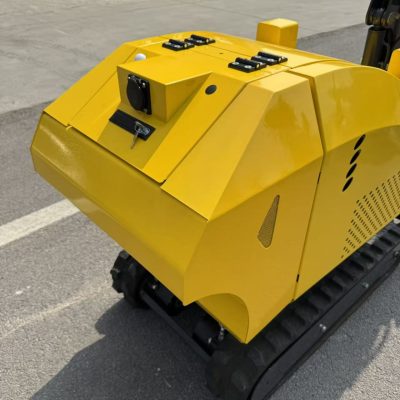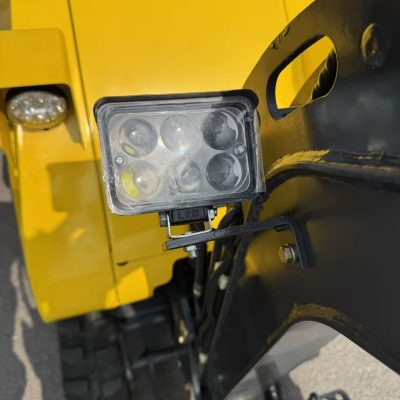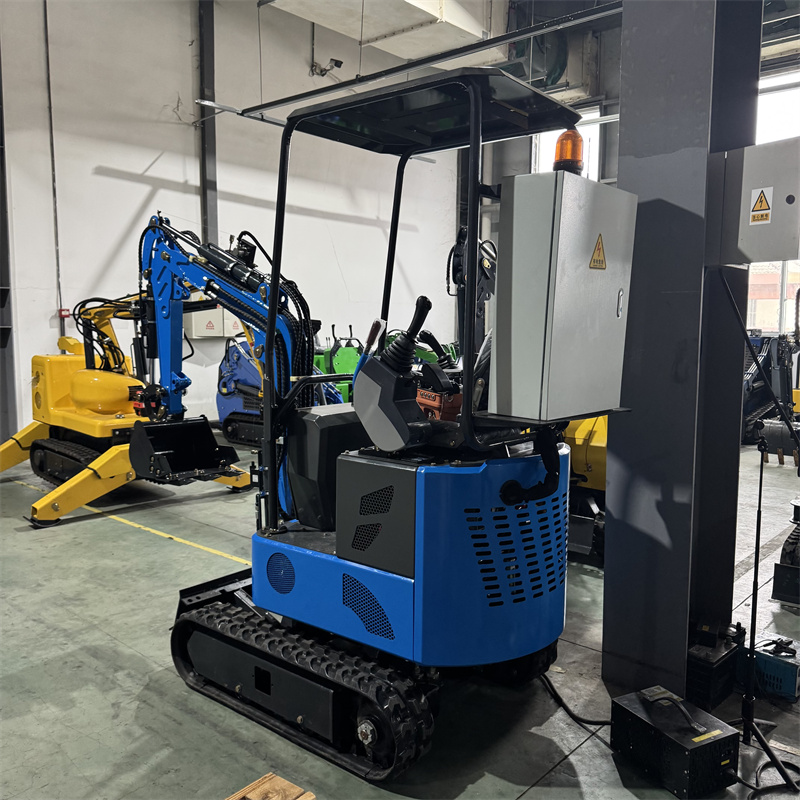
Why More Contractors Are Looking at Electric Remote-Controlled Excavators
A few years ago, if you mentioned a remote-controlled excavator on a construction site, most people would probably see it as a niche piece of equipment.
Today, that’s changing.
More contractors are dealing with projects in confined spaces, urban environments, industrial facilities, and places where safety requirements seem to get stricter every year. In those situations, traditional machines don’t always offer the easiest solution.
That’s one reason electric remote-controlled excavators are getting more attention than they used to.
They’re not designed for every job. But for certain types of work, they can solve a lot of problems before they even appear.
Sometimes Safety Becomes the Main Issue
People often focus on digging performance first. That’s understandable.
But after talking with contractors, another topic comes up surprisingly often—operator safety.
Think about demolition work, tunnels, unstable structures, or areas with potential rockfall. In environments like these, keeping people away from the immediate work zone can make a real difference.
Remote control isn’t just about technology. In many cases, it’s simply about giving operators a safer place to stand.
And honestly, that’s a benefit that’s hard to ignore once you’ve seen it in practice.
Electric Power Solves Problems People Don’t Think About
When people hear “electric excavator,” they usually think about environmental benefits.
That’s true, but it’s only part of the story.
The more practical advantage often shows up on site.
For example, indoor renovation projects.
Or basement construction.
Or factory maintenance work.
In those situations, diesel exhaust can become a headache pretty quickly. Ventilation systems help, but not every project has the space or budget for them.
An electric machine removes that concern altogether.
No fuel smell. No exhaust fumes. Just get on with the work.
Small Machines Can Be Surprisingly Useful
There’s a common assumption that bigger machines automatically mean higher productivity.
Sometimes that’s true.
Sometimes it isn’t.
A large excavator sitting outside a building doesn’t help much if it can’t get through the entrance.
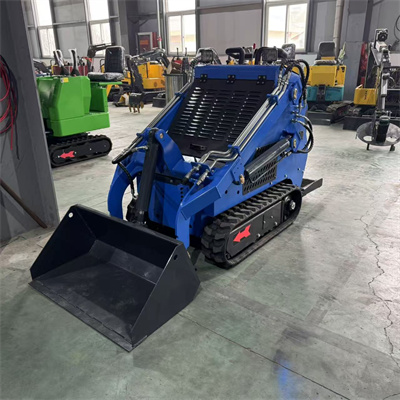
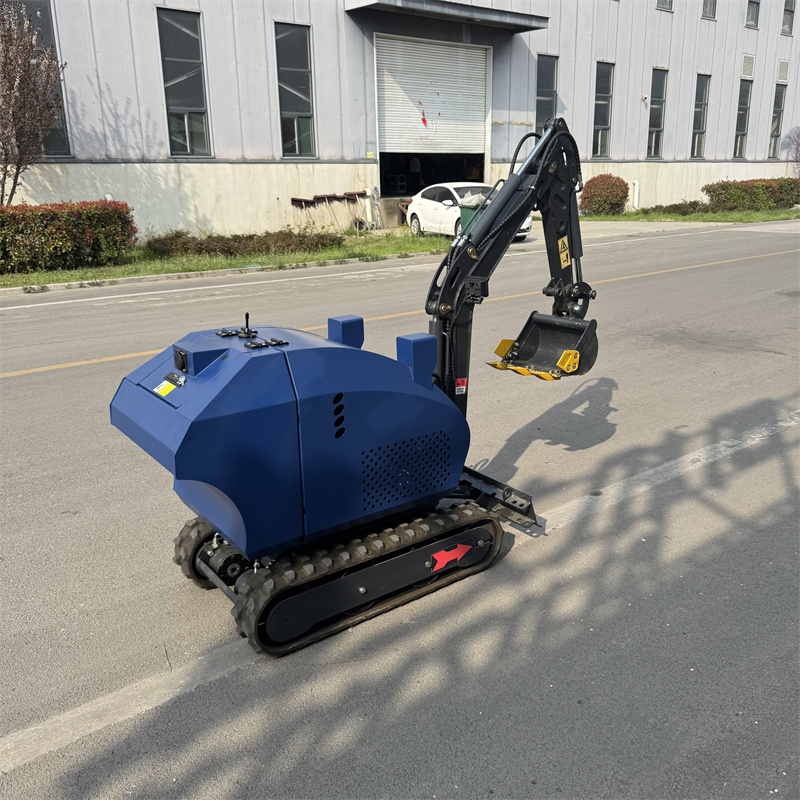
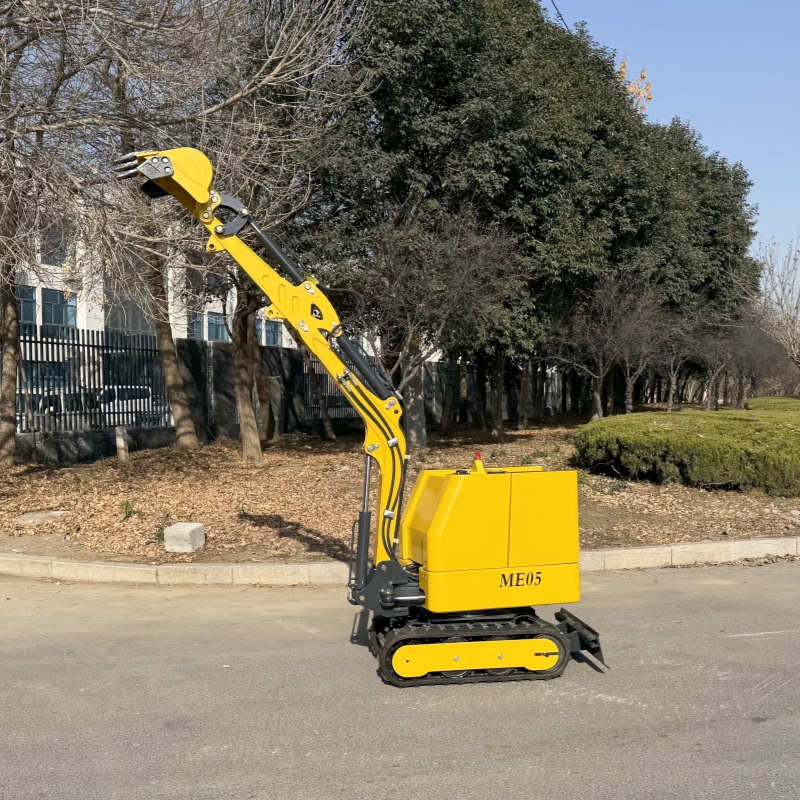
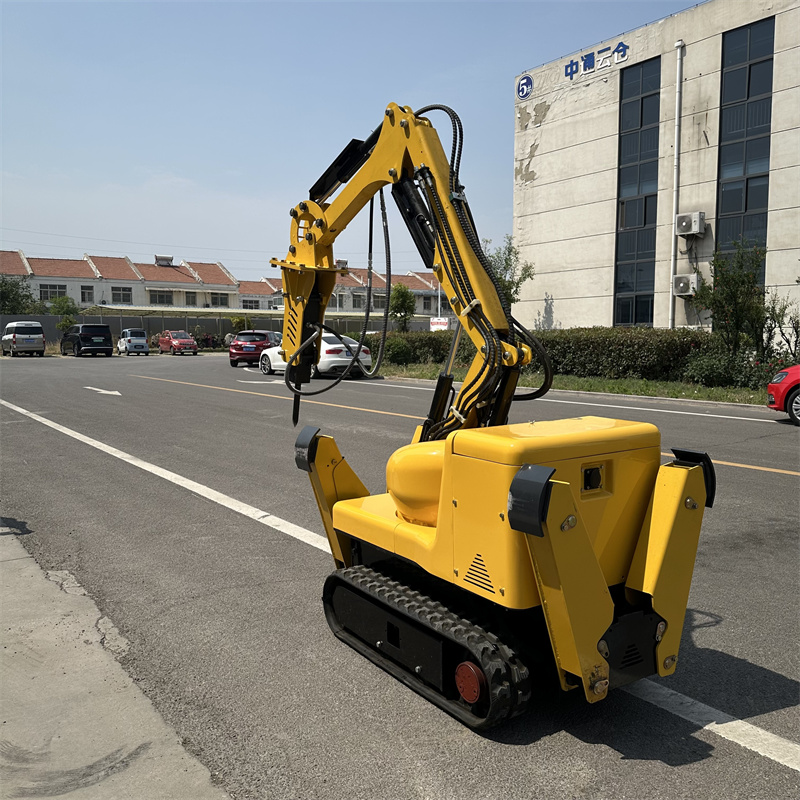
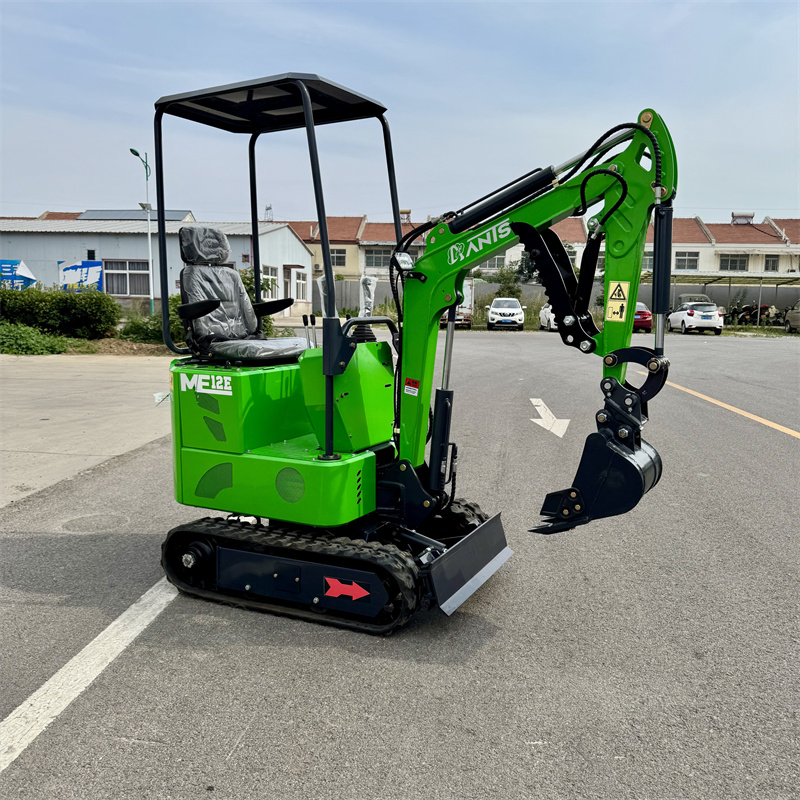
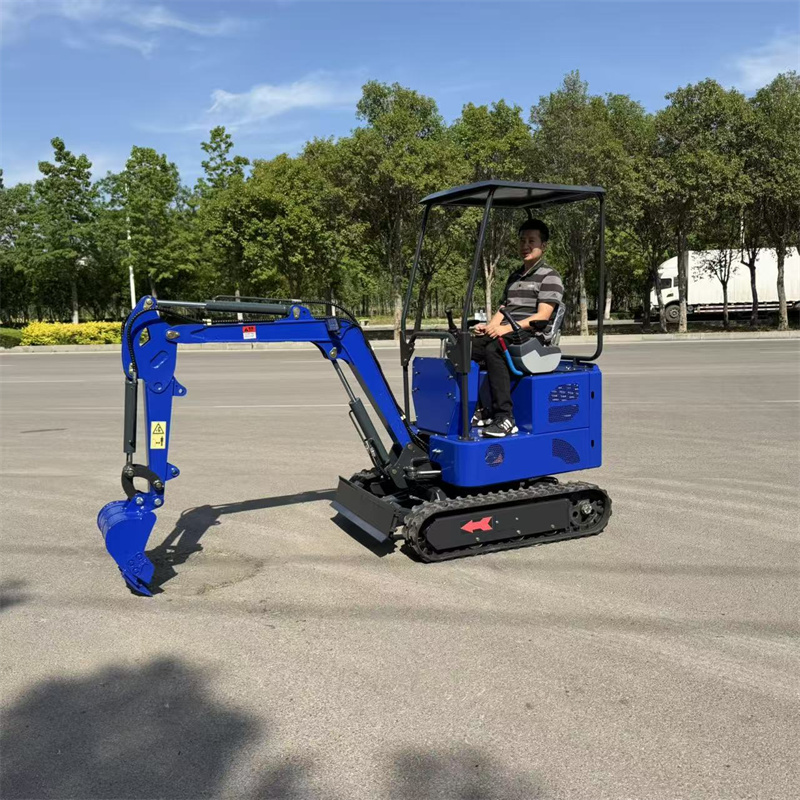
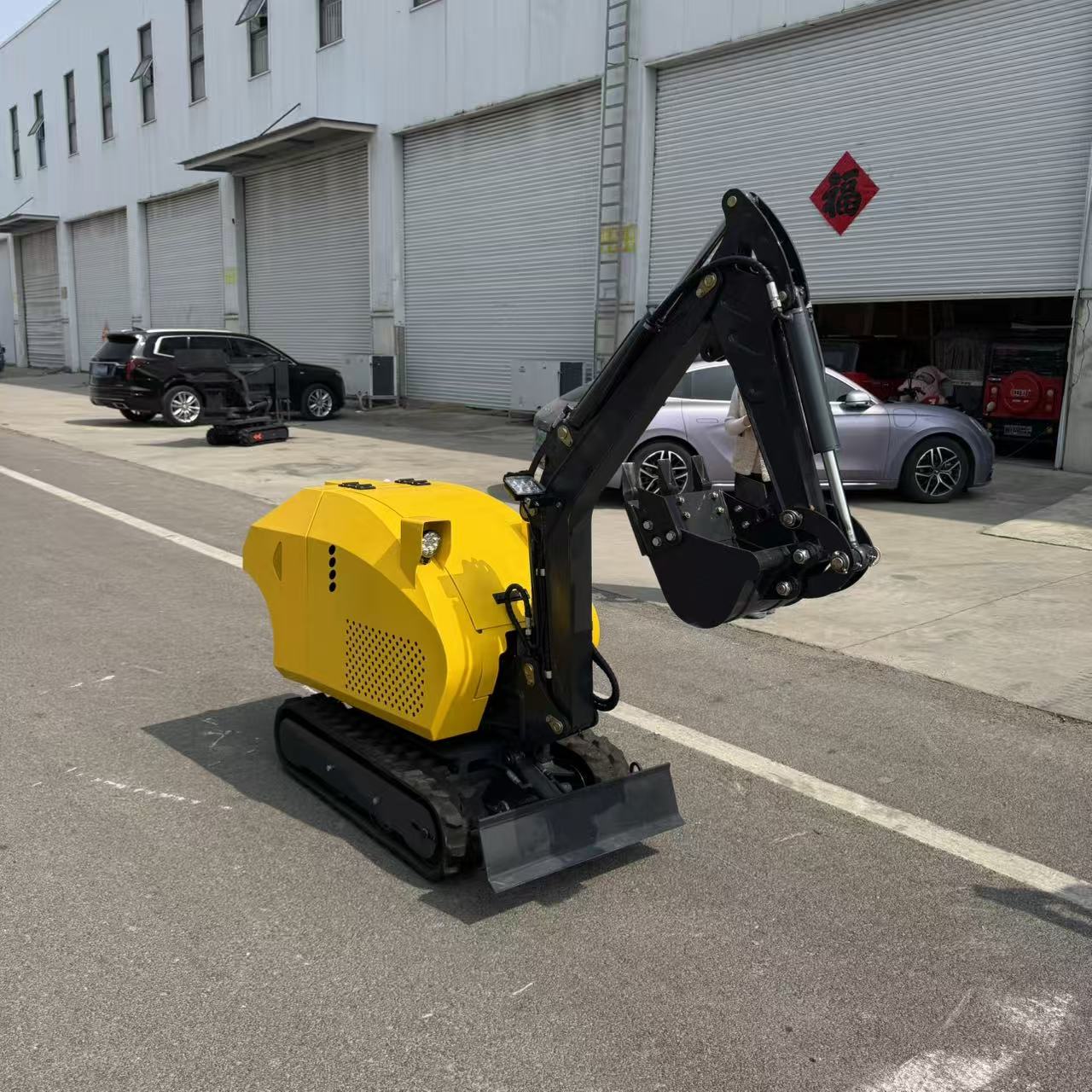
Many remote-controlled electric excavators are designed specifically for restricted access environments. Narrow passages, underground facilities, indoor construction areas—those are the places where they tend to shine.
Several customers have told us the same thing after delivery:
“The machine wasn’t purchased because it was electric. It was purchased because it could actually get to the work area.”
That’s probably one of the most honest compliments a machine can get.
Is It Right for Every Project?
Probably not.
And that’s okay.
Large earthmoving projects will still rely heavily on traditional excavators. Long operating hours and remote locations can make diesel equipment the more practical choice.
But construction isn’t only about large-scale excavation.
There are plenty of projects where access, safety, emissions, and noise matter just as much as digging power.
That’s where electric remote-controlled excavators continue to find their place.
Final Thoughts
Construction equipment doesn’t need to be complicated.
At the end of the day, contractors usually care about one thing: whether a machine makes the job easier.
Electric remote-controlled excavators aren’t replacing everything else on site.
They’re simply giving contractors another option.
And for certain projects, it turns out to be a pretty useful one.