In the dynamic landscape of construction and excavation, the choice of equipment can significantly impact the efficiency and success of a project. Mini excavators, in particular, have become indispensable tools due to their versatility and maneuverability. With the advent of battery technology, battery mini excavators have emerged as a compelling alternative to traditional diesel-powered counterparts. As a supplier of Battery Mini Excavators, I am often asked whether these machines are more adaptable to different working conditions. In this blog post, I will explore this question in detail, examining the features and benefits of battery mini excavators and how they compare to traditional models in various scenarios.
Understanding the Basics of Battery Mini Excavators
Before delving into their adaptability, it’s essential to understand what battery mini excavators are. These machines are powered by rechargeable batteries, eliminating the need for diesel fuel. They offer several advantages over traditional diesel-powered mini excavators, including lower emissions, reduced noise levels, and potentially lower operating costs.
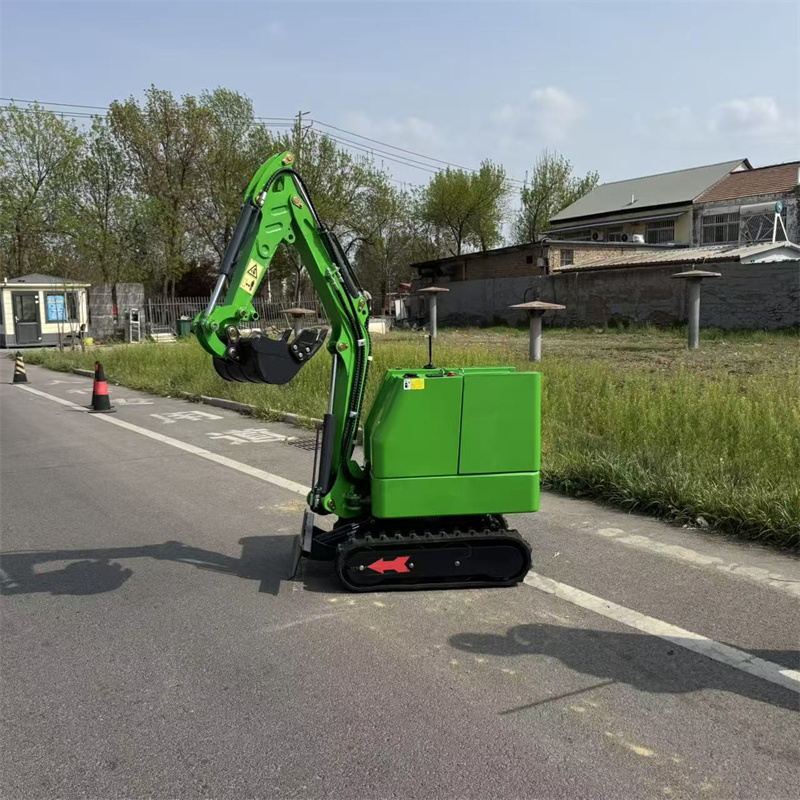
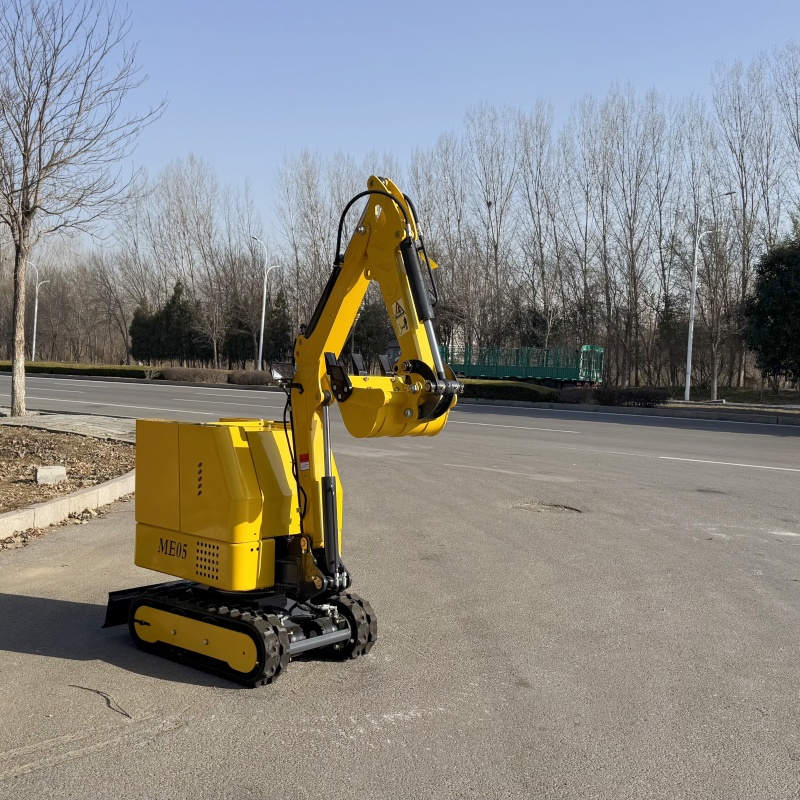
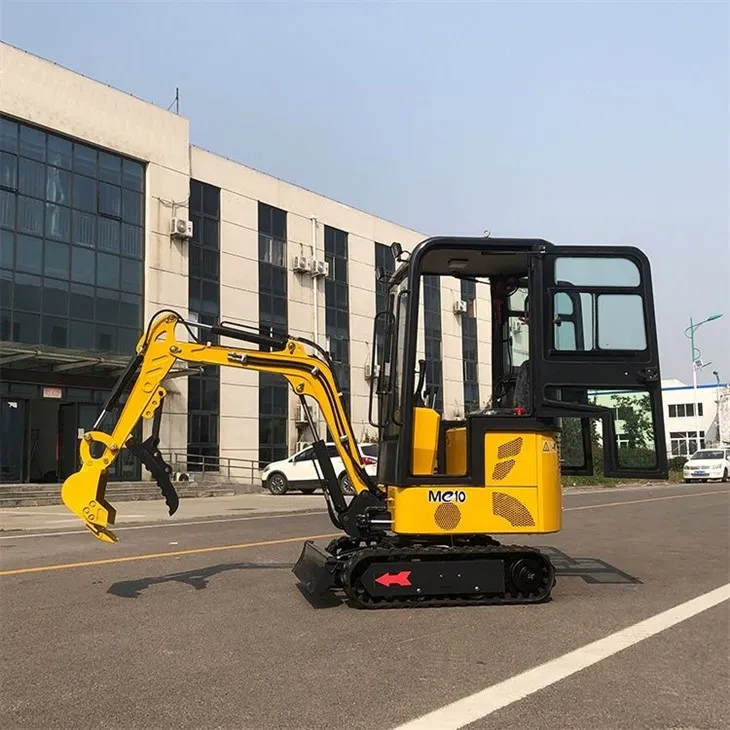
One of the key features of battery mini excavators is their compact size. They are designed to operate in tight spaces, making them ideal for urban construction projects, landscaping, and indoor excavation work. Despite their small size, they can still deliver impressive performance, with digging depths and lifting capacities comparable to larger machines.
Adaptability to Urban Environments
Urban construction sites present unique challenges, including limited space, noise restrictions, and environmental concerns. Battery mini excavators are well-suited to these conditions for several reasons.
First, their compact size allows them to navigate through narrow streets and alleys, accessing areas that larger machines cannot reach. This makes them ideal for excavation work in urban areas, such as basement construction, utility line installation, and sidewalk repair. For example, a Battery-powered Mini Excavator can easily maneuver around buildings and obstacles, minimizing disruption to traffic and nearby businesses.
Second, battery mini excavators produce significantly less noise than diesel-powered machines. This is a major advantage in urban areas, where noise pollution can be a significant concern for residents and businesses. The quiet operation of battery mini excavators allows construction work to be carried out during sensitive hours, such as early morning or late evening, without disturbing the surrounding community.
Finally, battery mini excavators produce zero emissions at the point of use, making them a more environmentally friendly option for urban construction projects. This is particularly important in cities with strict air quality regulations, as it helps to reduce the carbon footprint of construction activities and improve the overall air quality.
Adaptability to Indoor Environments
In addition to urban construction sites, battery mini excavators are also well-suited for indoor excavation work. This includes projects such as basement renovation, indoor demolition, and warehouse construction.
One of the main advantages of using a battery mini excavator indoors is its low noise level. Diesel-powered machines can be extremely loud, which can be a major distraction and safety hazard in an indoor environment. Battery mini excavators, on the other hand, operate quietly, allowing workers to communicate effectively and reducing the risk of hearing damage.
Another advantage of battery mini excavators for indoor work is their zero emissions. Diesel engines produce harmful pollutants such as carbon monoxide, nitrogen oxides, and particulate matter, which can be dangerous to breathe in an enclosed space. Battery mini excavators eliminate these emissions, creating a safer and healthier working environment for indoor construction crews.
Adaptability to Remote and Off-Grid Locations
While battery mini excavators are well-suited to urban and indoor environments, they can also be a viable option for remote and off-grid locations. This includes projects such as forestry, mining, and rural construction.
One of the challenges of working in remote locations is the availability of fuel. Diesel-powered machines require a constant supply of fuel, which can be difficult and expensive to transport to remote sites. Battery mini excavators, on the other hand, can be charged using a variety of power sources, including solar panels, generators, and grid electricity. This makes them more flexible and cost-effective for remote projects.
In addition, battery mini excavators are more reliable in cold weather conditions compared to diesel-powered machines. Diesel engines can experience problems starting in cold temperatures, and their performance can be affected by low fuel temperatures. Battery mini excavators, however, are not affected by cold weather and can operate reliably in a wide range of temperatures.
Adaptability to Different Soil Conditions
Another factor to consider when evaluating the adaptability of battery mini excavators is their performance in different soil conditions. Mini excavators are commonly used for digging in a variety of soil types, including clay, sand, and rock.
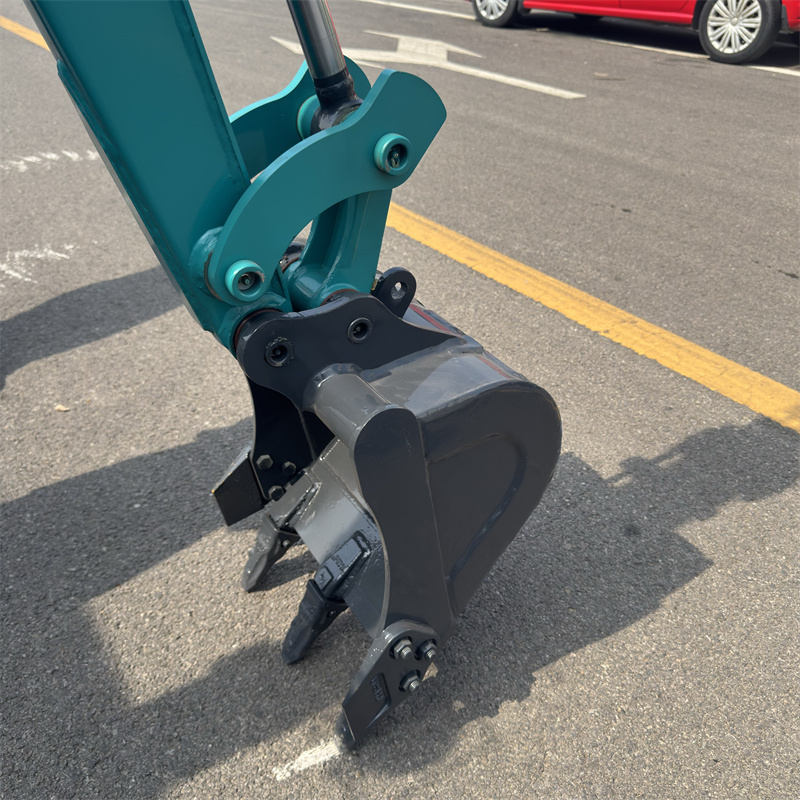
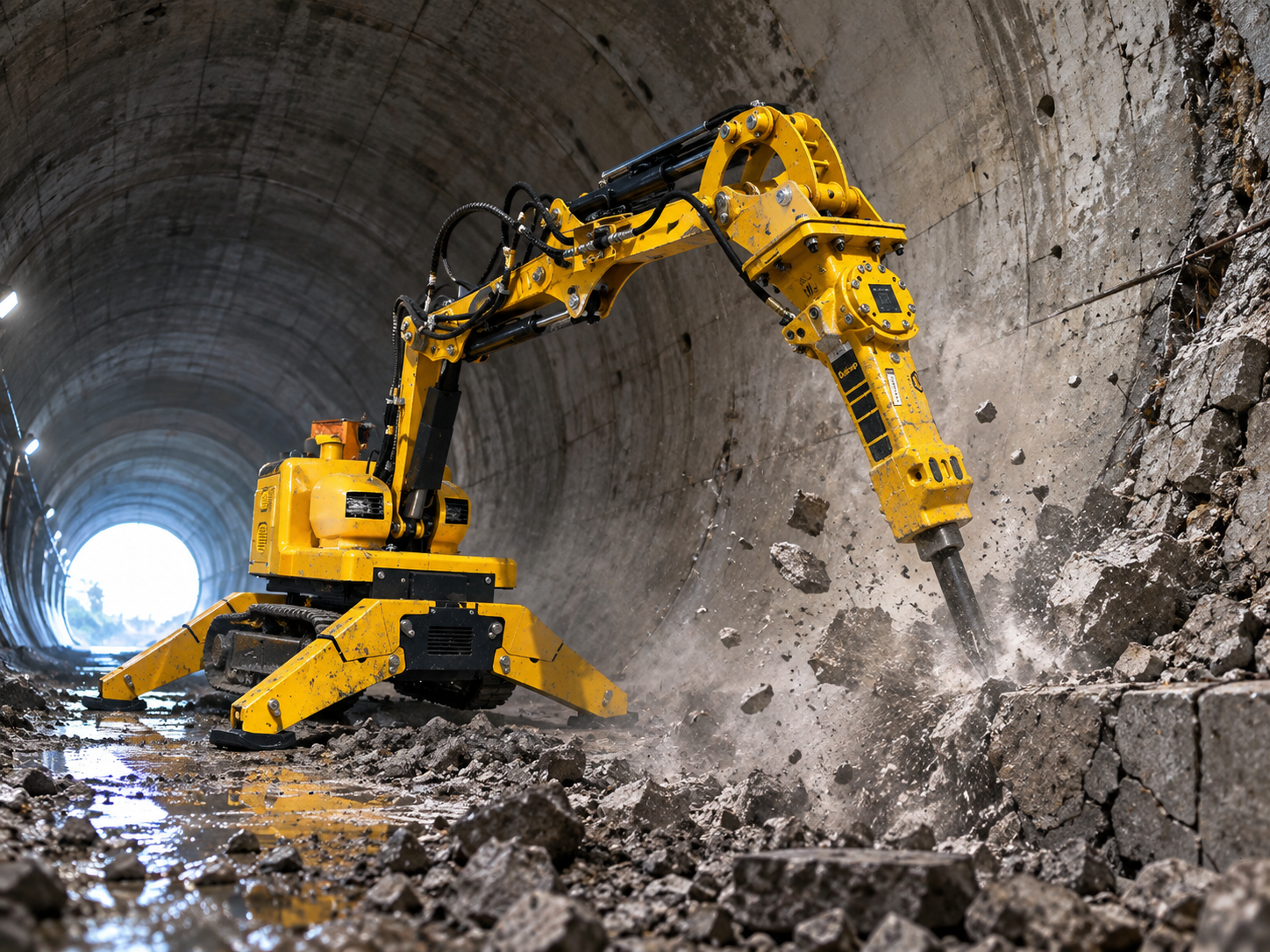
Battery mini excavators are equipped with powerful hydraulic systems that allow them to dig through tough soil conditions with ease. They also have a variety of attachments available, such as buckets, augers, and breakers, which can be used to tackle different types of soil and excavation tasks. For example, a Wheeled Eletcric Mini Skid Steer Loader with a trenching bucket can be used to dig narrow trenches in sandy soil, while a breaker attachment can be used to break up rock and concrete.
Comparing Battery Mini Excavators to Traditional Diesel-Powered Machines
While battery mini excavators offer several advantages in terms of adaptability, it’s important to note that they also have some limitations compared to traditional diesel-powered machines.
One of the main limitations of battery mini excavators is their limited operating time. Batteries need to be recharged periodically, which can interrupt the workflow and reduce productivity. However, advancements in battery technology are continuously improving the operating time of battery mini excavators, and some models now offer comparable run times to diesel-powered machines.
Another limitation is the initial cost of battery mini excavators. They tend to be more expensive than diesel-powered machines, although the total cost of ownership over the life of the machine may be lower due to reduced fuel and maintenance costs.
Conclusion
In conclusion, battery mini excavators offer significant advantages in terms of adaptability to different working conditions. Their compact size, low noise levels, zero emissions, and ability to operate in a variety of power sources make them well-suited for urban construction, indoor excavation, remote locations, and different soil conditions. While they do have some limitations compared to traditional diesel-powered machines, the benefits they offer often outweigh the drawbacks.
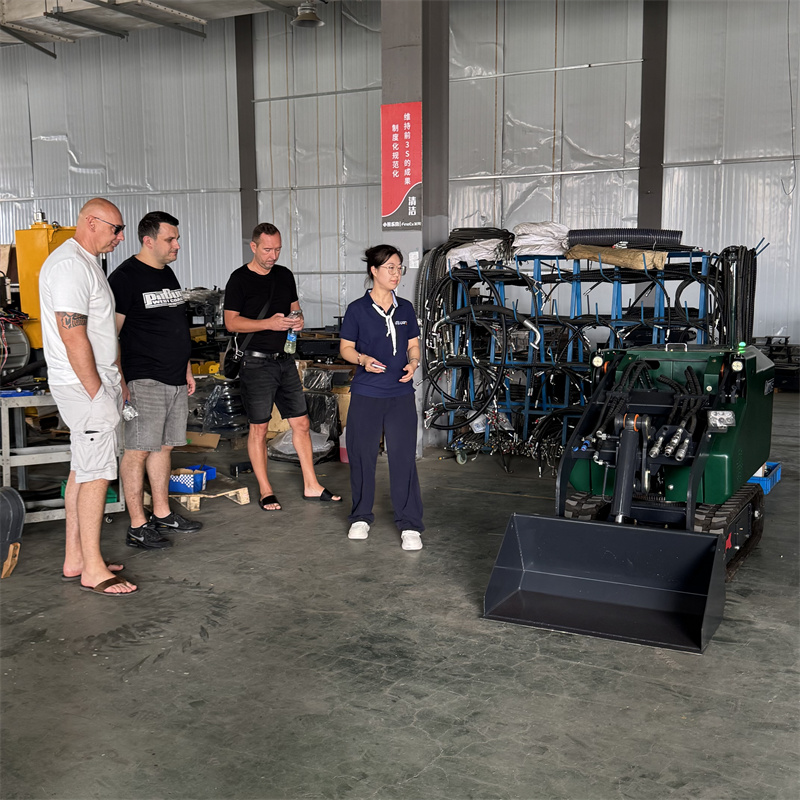
As a supplier of Battery Mini Excavators, I am confident in the performance and adaptability of our products. We offer a range of models to suit different needs and budgets, including the Electric Mini Digger 1 Ton. If you are considering purchasing a mini excavator for your next project, I encourage you to contact us to discuss your requirements and learn more about how our battery mini excavators can help you achieve your goals. Our team of experts is available to provide you with detailed information and support to ensure that you make the right choice for your business.
References
Construction Equipment Guide. (2023). The Rise of Battery-Powered Mini Excavators.
Equipment World. (2023). Battery Mini Excavators: A Cleaner, Quieter Option.
International Journal of Construction Equipment and Technology. (2023). Performance Evaluation of Battery Mini Excavators in Different Working Conditions.