Are battery mini excavators suitable for indoor construction?
In recent years, the construction industry has witnessed a significant shift towards more sustainable and environmentally friendly equipment. Battery mini excavators have emerged as a promising solution, offering numerous advantages over their traditional diesel – powered counterparts. As a supplier of battery mini excavators, I often get asked whether these machines are suitable for indoor construction. In this blog post, I will delve into the various aspects to help you determine if battery mini excavators are the right choice for your indoor construction projects.
Environmental and Health Benefits
One of the most compelling reasons to consider battery mini excavators for indoor construction is their environmental friendliness. Diesel – powered excavators emit a significant amount of pollutants, including particulate matter, nitrogen oxides, and carbon monoxide. These emissions can have a detrimental impact on air quality, which is a major concern in indoor environments where ventilation may be limited.
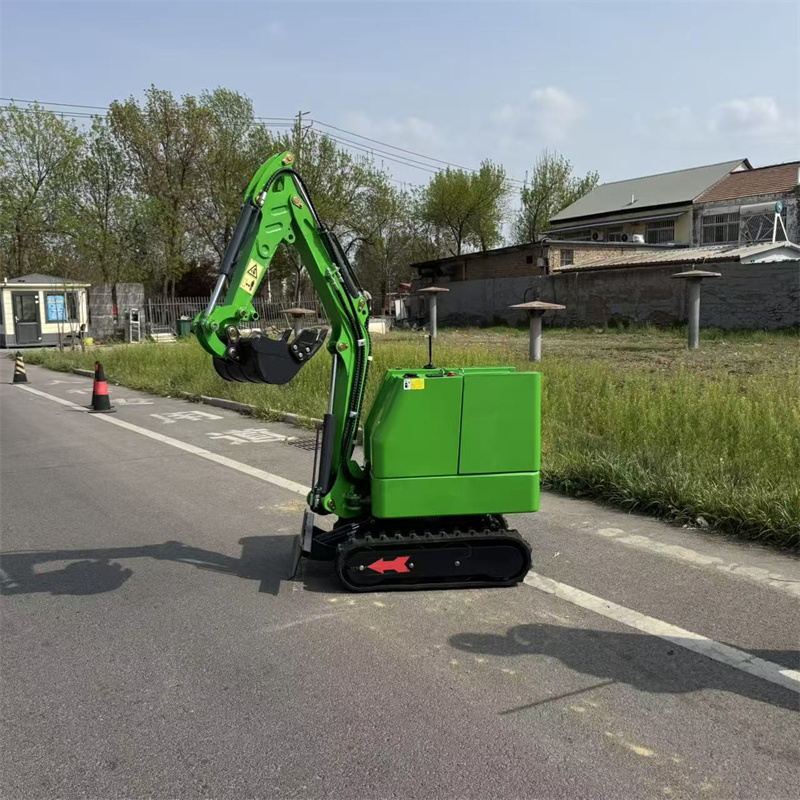
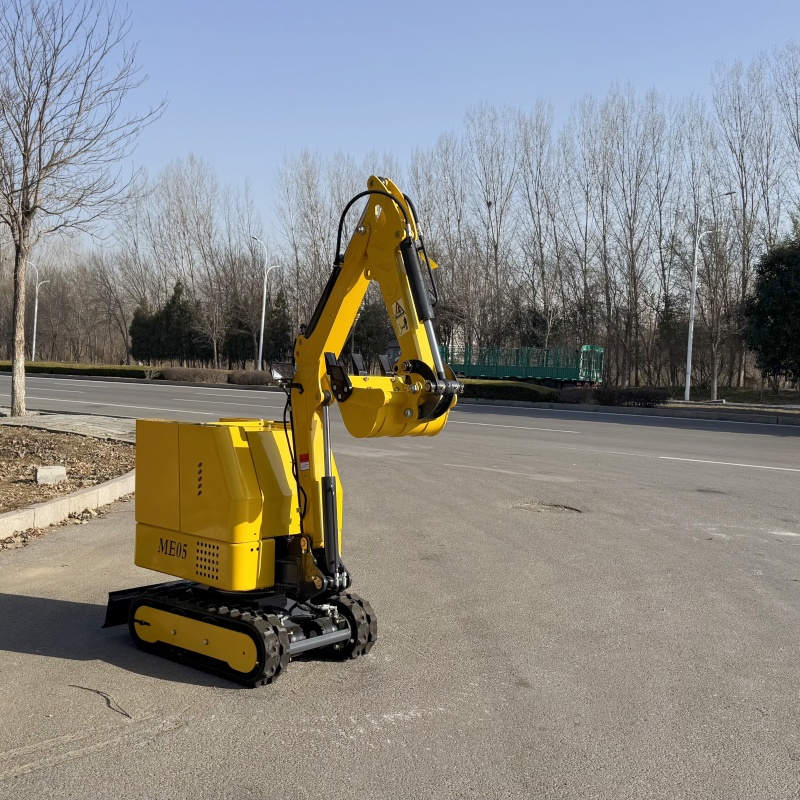
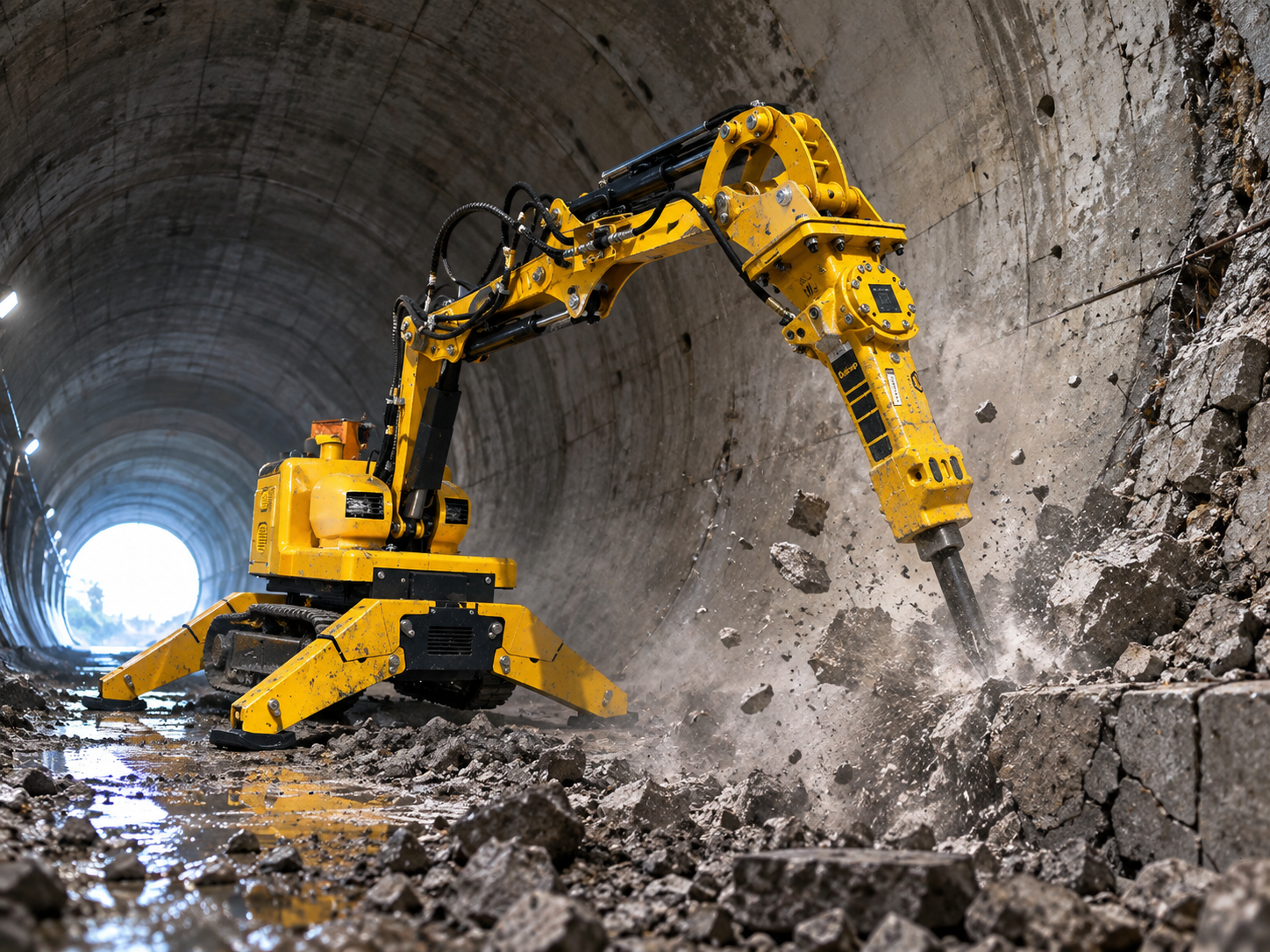
Battery mini excavators, on the other hand, produce zero tailpipe emissions. They operate quietly, reducing noise pollution, which is another crucial factor in indoor settings. Workers in indoor construction sites are often exposed to high – noise levels, which can lead to hearing loss and other health issues. The quiet operation of battery mini excavators creates a more comfortable and healthier work environment. For example, in a renovation project of an old building, using a battery mini excavator like our ME08 Mini Battery Excavator can ensure that the work progresses without disturbing the surrounding areas and without exposing workers to excessive noise and harmful emissions.
Maneuverability and Size
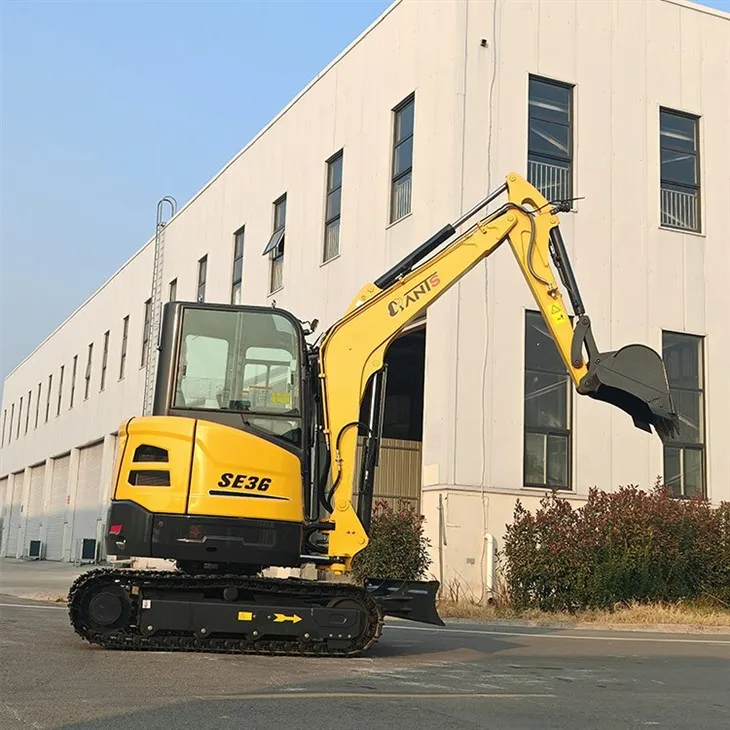
Indoor construction sites are typically characterized by limited space. Mini excavators are known for their compact size, which makes them ideal for navigating through narrow corridors, doorways, and confined areas. Battery mini excavators inherit this advantage and can be easily transported and operated within tight indoor spaces.
Our Electric Excavator Mini Machinery is designed with a small footprint, allowing it to access areas that larger equipment cannot reach. The ability to turn within a small radius and perform precise movements is essential in indoor construction, where accuracy is crucial to avoid damaging surrounding structures. For instance, when demolishing a small interior wall or digging a trench for plumbing in a basement, the maneuverability of a battery mini excavator ensures that the work can be completed efficiently and safely.
Power and Performance
One of the concerns often raised about battery – powered equipment is whether it can deliver sufficient power for construction tasks. However, advancements in battery technology have significantly improved the performance of battery mini excavators. Modern lithium – ion batteries offer high energy density, allowing these machines to operate for extended periods on a single charge.
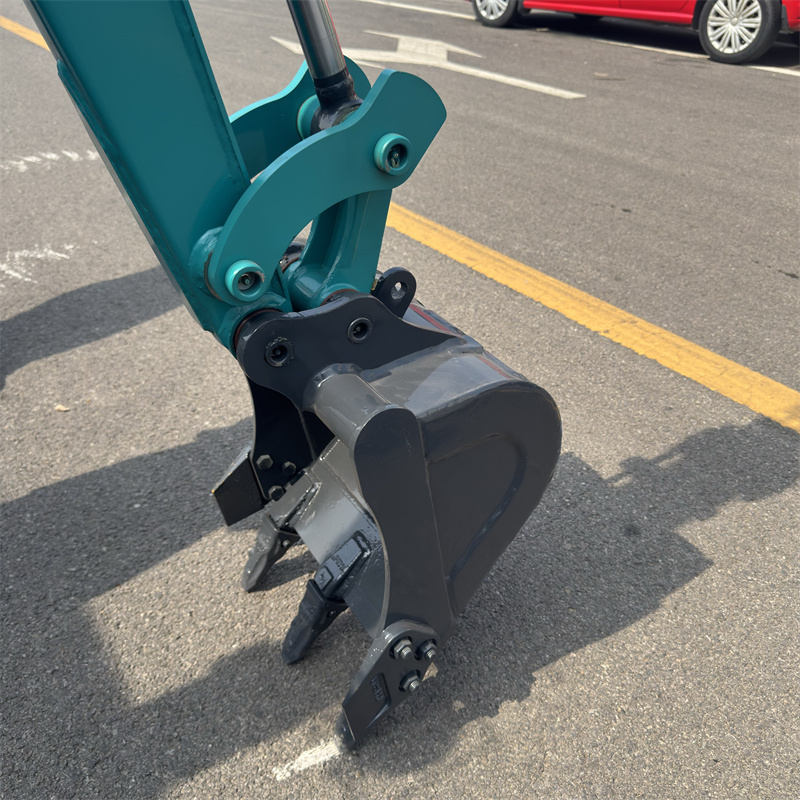
Our Lithium Battery Power Mini Excavator is equipped with state – of – the – art lithium – ion batteries that provide reliable power for a variety of indoor construction activities. These excavators can handle tasks such as digging, lifting, and material handling with ease. The power output is comparable to that of small diesel – powered excavators, and the instant torque delivery of electric motors can even provide better performance in some cases.
Moreover, battery mini excavators do not experience power loss due to altitude or temperature variations, which can be an issue for diesel engines. This makes them a reliable choice for indoor construction projects in different environmental conditions.
Cost – effectiveness
When considering the long – term cost of equipment, battery mini excavators can be a cost – effective option for indoor construction. Although the initial purchase price of a battery mini excavator may be higher than that of a diesel – powered one, the operating costs are significantly lower.
Diesel fuel is a major expense in the operation of diesel – powered excavators, and the cost can fluctuate depending on market conditions. In contrast, the cost of charging a battery mini excavator is relatively stable and generally lower. Additionally, battery mini excavators have fewer moving parts, which means less maintenance and lower repair costs. Over the life of the equipment, these savings can add up, making battery mini excavators a more economical choice.
Charging Infrastructure
One of the challenges of using battery mini excavators is the need for a proper charging infrastructure. In indoor construction sites, it is important to have access to reliable power sources for charging the batteries. However, this can be easily addressed by installing charging stations at strategic locations on the site.
Many battery mini excavators come with fast – charging capabilities, which can significantly reduce the charging time. For example, some models can be fully charged in a few hours, allowing the equipment to be back in operation quickly. As a supplier, we can provide guidance on the installation of charging infrastructure and recommend the most suitable charging solutions for your specific project.
Conclusion
In conclusion, battery mini excavators are highly suitable for indoor construction. They offer environmental and health benefits, excellent maneuverability, sufficient power and performance, cost – effectiveness, and can be easily integrated into indoor work environments with proper charging infrastructure.
If you are involved in an indoor construction project and are looking for a reliable and sustainable excavation solution, I encourage you to consider our range of battery mini excavators. We are committed to providing high – quality equipment and excellent customer service. Whether you need to demolish, dig, or perform other construction tasks indoors, our battery mini excavators can meet your needs.
If you are interested in learning more about our products or would like to discuss your specific requirements, please feel free to contact us for a detailed consultation. We look forward to working with you on your next indoor construction project.
References
“Advancements in Electric Construction Equipment Technology,” Construction Equipment Magazine, 2022.
“Health and Safety in Indoor Construction Environments,” Occupational Safety and Health Administration (OSHA), 2023.
“Cost – Benefit Analysis of Battery – Powered vs. Diesel – Powered Construction Equipment,” Journal of Construction Economics, 2021.