Are there any limitations to the working hours of a battery mini excavator?
As a supplier of battery mini excavators, I’ve encountered numerous inquiries from customers regarding the working hours of these machines. The question of whether there are limitations to the working hours of a battery mini excavator is a crucial one, as it directly impacts the efficiency and productivity of construction projects. In this blog post, I’ll delve into the factors that influence the working hours of battery mini excavators and explore the potential limitations.
Battery Capacity and Energy Consumption
One of the primary factors determining the working hours of a battery mini excavator is its battery capacity. The battery capacity is measured in ampere – hours (Ah) or kilowatt – hours (kWh), and it represents the amount of energy the battery can store. A larger battery capacity generally means more energy is available for the excavator to operate, which can potentially extend its working hours.
However, the energy consumption of the mini excavator also plays a significant role. Different tasks require different amounts of power. For example, heavy – duty digging and lifting operations consume more energy compared to simple grading or moving light materials. The design of the excavator, including the efficiency of its electric motor and hydraulic system, also affects energy consumption. A well – designed machine with high – efficiency components will use less energy to perform the same tasks, thus allowing for longer working hours on a single charge.
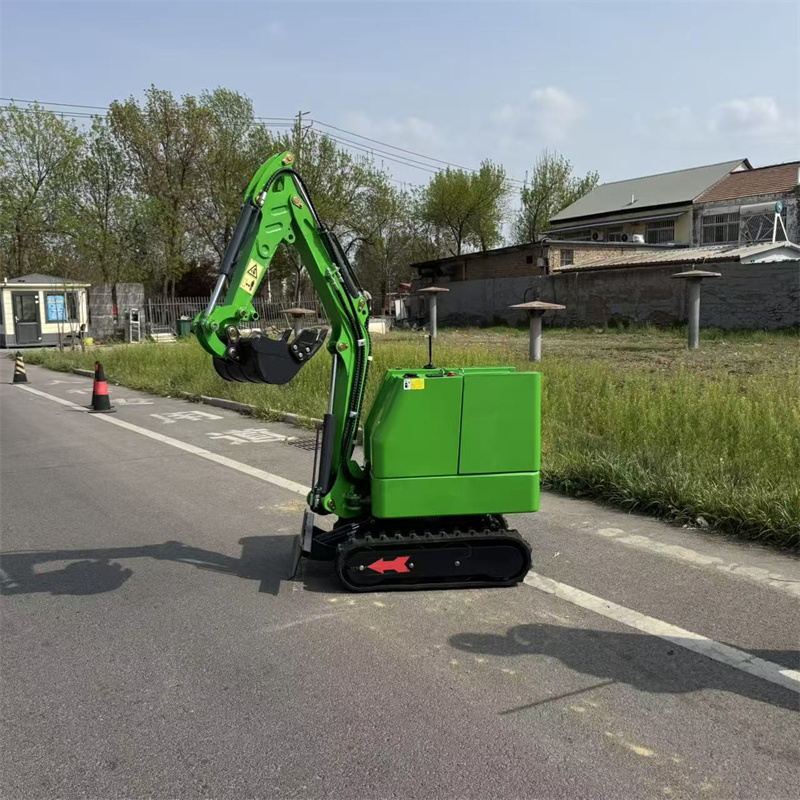
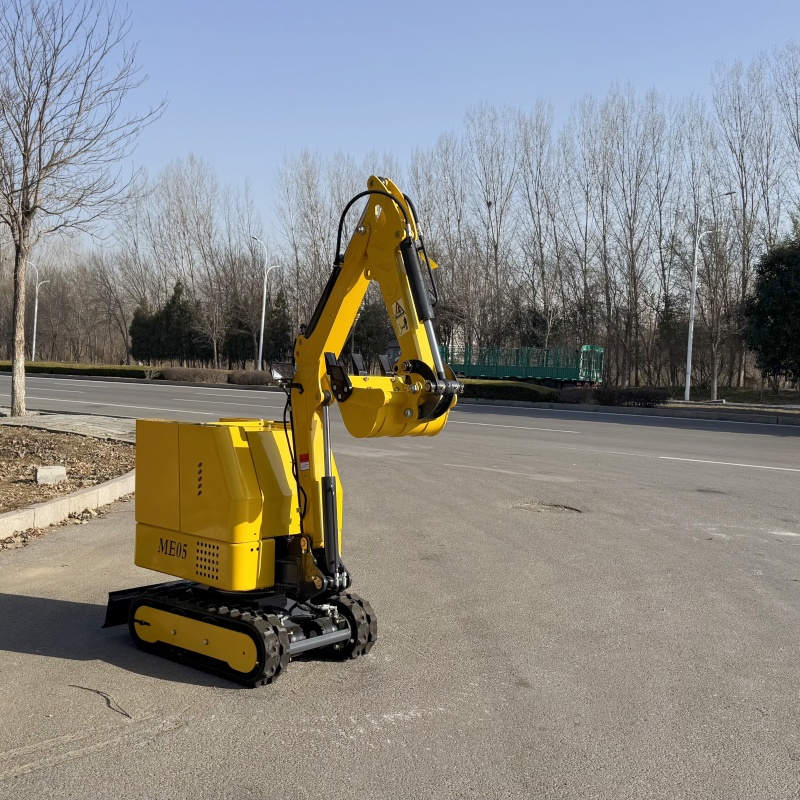
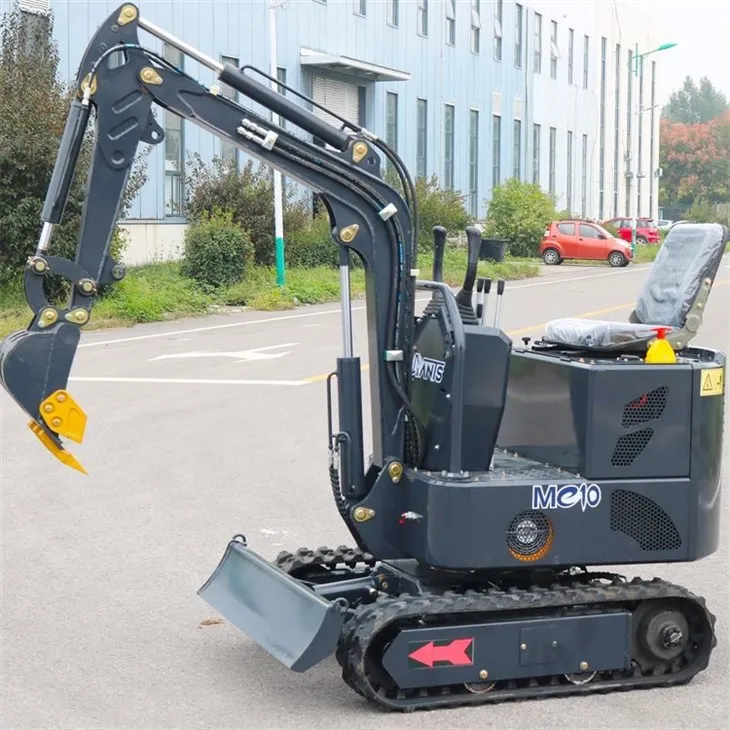
For instance, our Fully – Electric Mini Excavator is equipped with a high – capacity battery and advanced energy – efficient technology. This combination enables it to handle a wide range of tasks while maximizing the working hours on a single charge.
Operating Conditions
The operating conditions of the battery mini excavator can have a substantial impact on its working hours. Temperature is a critical factor. Extreme cold or hot temperatures can reduce the performance of the battery. In cold weather, the chemical reactions inside the battery slow down, which decreases its capacity and the amount of power it can deliver. On the other hand, high temperatures can cause the battery to degrade faster over time and may also lead to overheating, which can trigger safety mechanisms that reduce the power output of the excavator.
The terrain and the type of soil also matter. Working on rough, uneven terrain or in hard – packed soil requires more power from the excavator as it has to overcome greater resistance. This increased power demand will drain the battery more quickly, reducing the working hours. In contrast, working on flat, soft ground requires less energy, allowing the excavator to operate for a longer period.
Battery Charging Infrastructure
The availability and quality of the battery charging infrastructure are also important considerations. If the charging stations are not easily accessible or if the charging process is slow, it can limit the overall working hours of the battery mini excavator. For example, if a project site is located in a remote area with no nearby charging facilities, the excavator may have to be transported to a charging location, which takes time and reduces the time available for actual work.
Fast – charging technology can significantly reduce the charging time. Our Mini Electric Excavator supports fast – charging, which means that even if the battery runs low, it can be quickly recharged to resume work, minimizing the downtime and potentially increasing the overall working hours.
Battery Degradation
Over time, the battery of a mini excavator will experience degradation. As the battery is charged and discharged repeatedly, its capacity gradually decreases. This means that as the battery ages, the excavator will be able to operate for fewer hours on a single charge. Regular maintenance and proper charging practices can slow down the degradation process. For example, avoiding over – charging and deep – discharging the battery can help extend its lifespan and maintain its capacity for a longer time.
Our company provides detailed guidelines on battery maintenance to our customers to ensure that they can maximize the working hours of their battery mini excavators throughout the battery’s life cycle.
Limitations and Mitigation Strategies
While there are limitations to the working hours of a battery mini excavator, there are also several strategies to mitigate these limitations. One approach is to have a spare battery on hand. When the main battery runs low, the operator can quickly swap it with a fully – charged spare battery, allowing the excavator to continue working without significant downtime.
Another strategy is to optimize the work schedule. By planning the tasks in a way that minimizes the use of high – power operations and spreads out the energy consumption over time, the excavator can operate more efficiently and potentially extend its working hours. For example, performing lighter tasks in the early stages of the battery charge and saving the heavy – duty operations for when the battery has been recharged.
Our Plug – in Mini Excavator offers an additional option for continuous operation. It can be connected to an external power source while working, eliminating the need to rely solely on the battery. This is particularly useful for long – term projects where continuous operation is required.
Conclusion
In conclusion, while there are limitations to the working hours of a battery mini excavator, these limitations can be managed effectively. Battery capacity, energy consumption, operating conditions, charging infrastructure, and battery degradation all play a role in determining the working hours. By understanding these factors and implementing appropriate mitigation strategies, such as having spare batteries, optimizing work schedules, and using plug – in options, customers can ensure that their battery mini excavators operate efficiently and productively.
If you are interested in learning more about our battery mini excavators or have specific requirements for your construction projects, we encourage you to contact us for a detailed discussion. Our team of experts is ready to provide you with the best solutions and support to meet your needs.
References
Industry reports on electric construction equipment
Technical manuals of battery mini excavators
Research papers on battery technology and its application in construction machinery