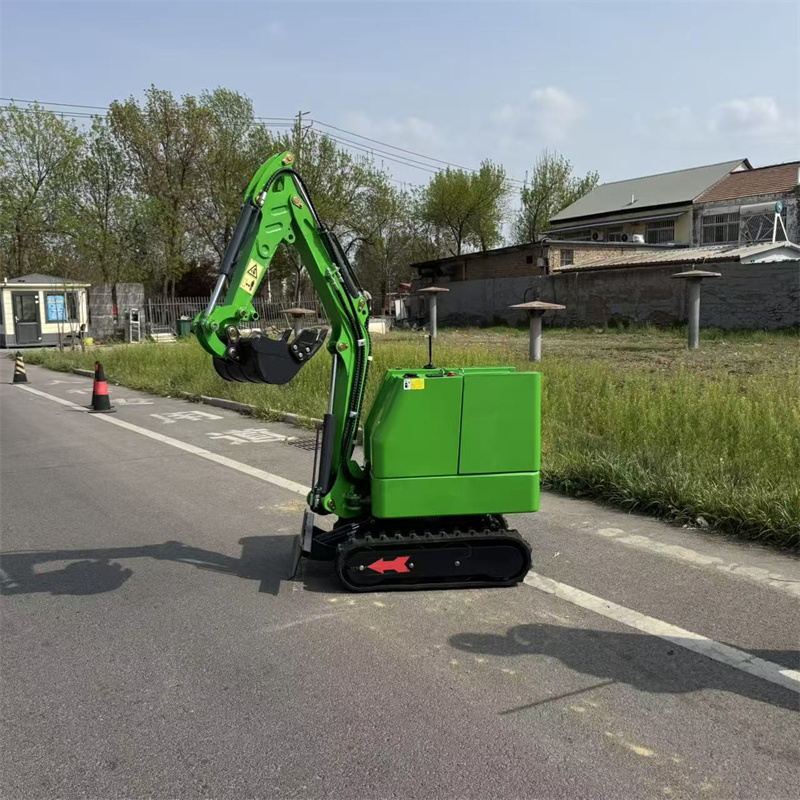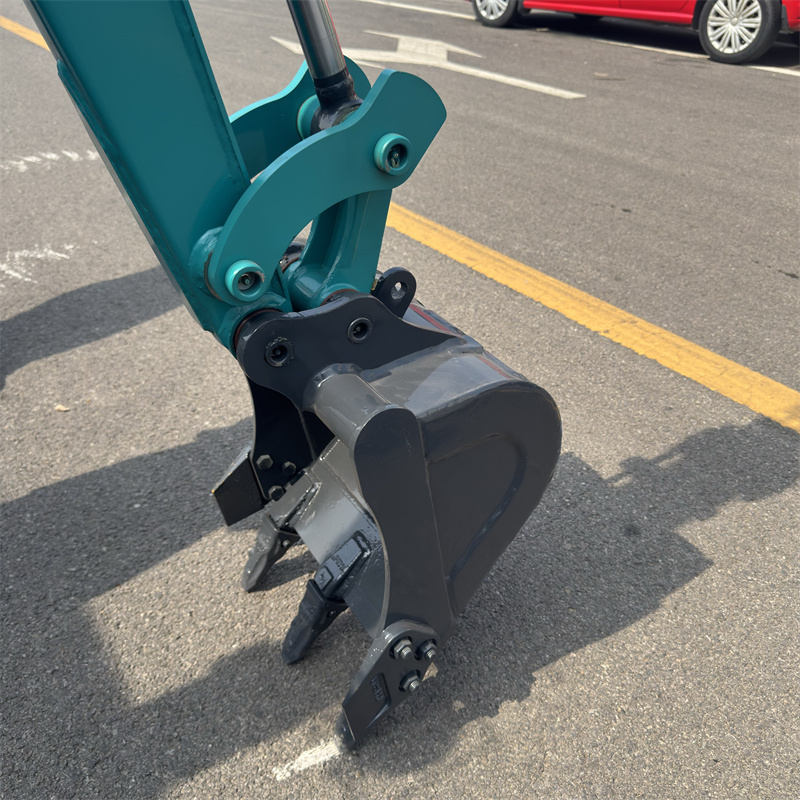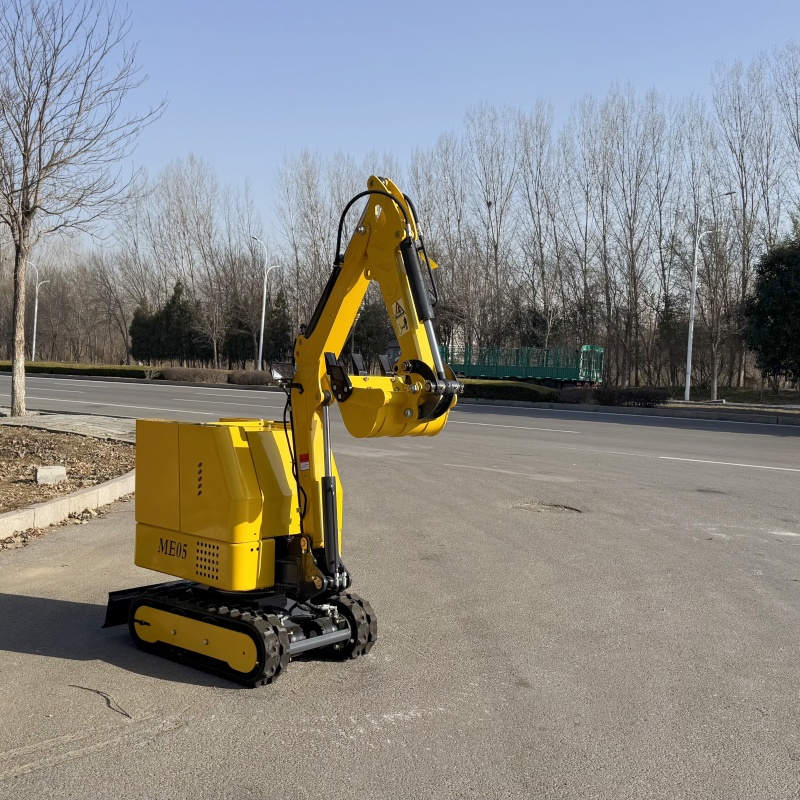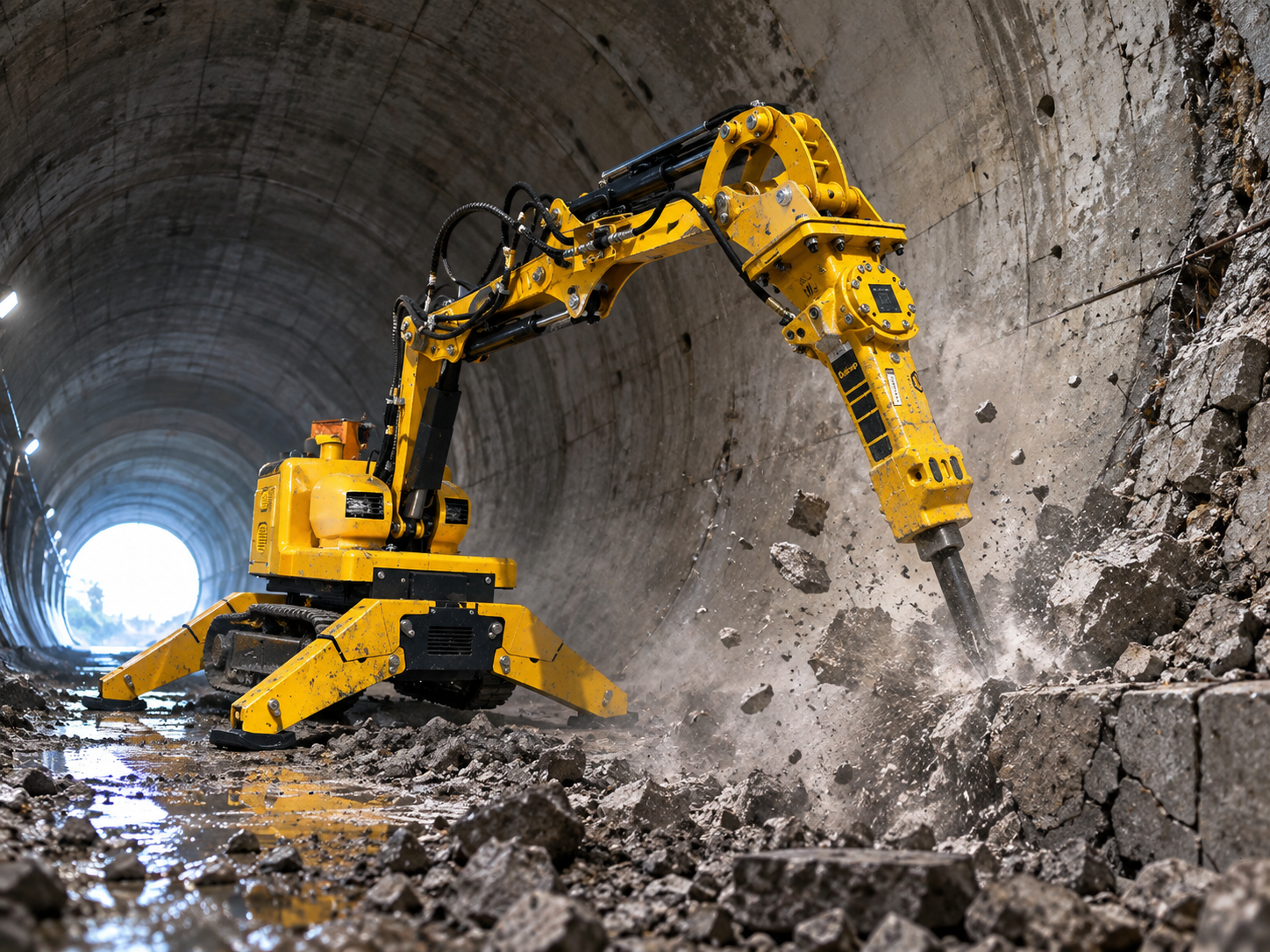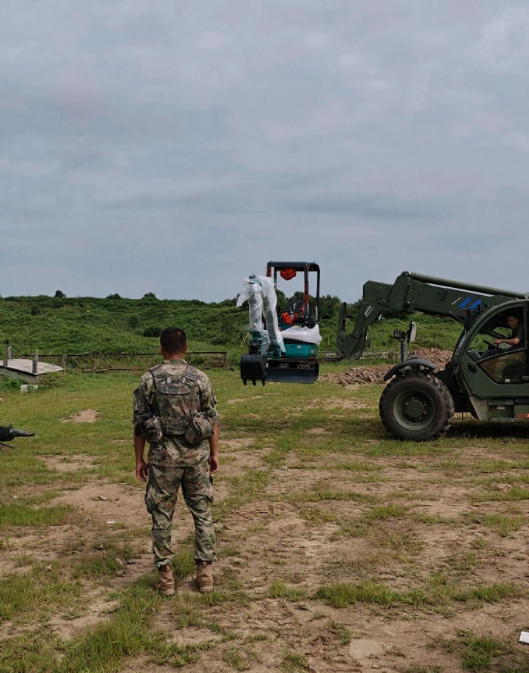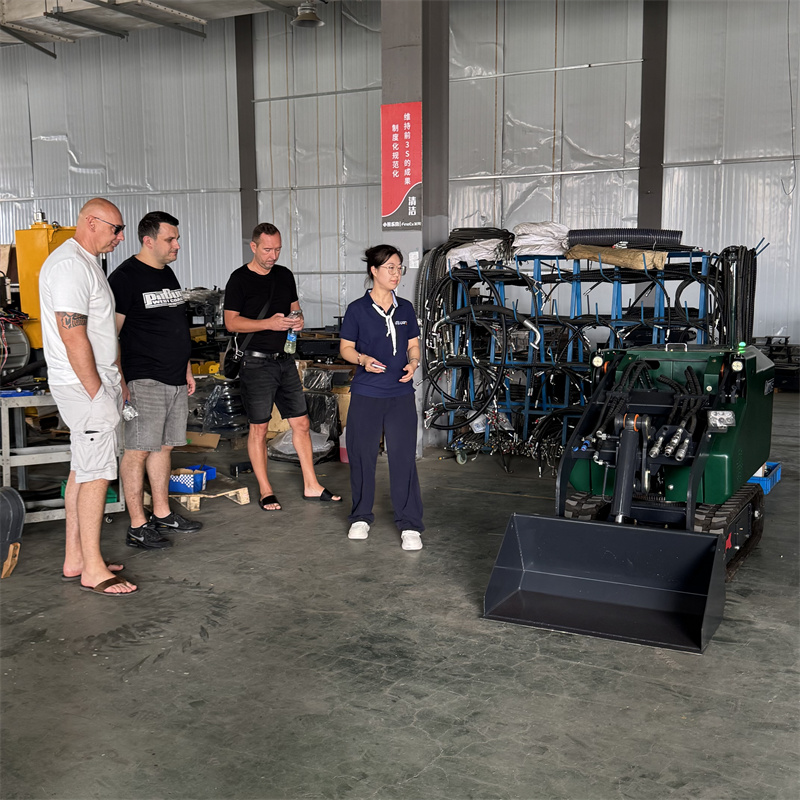
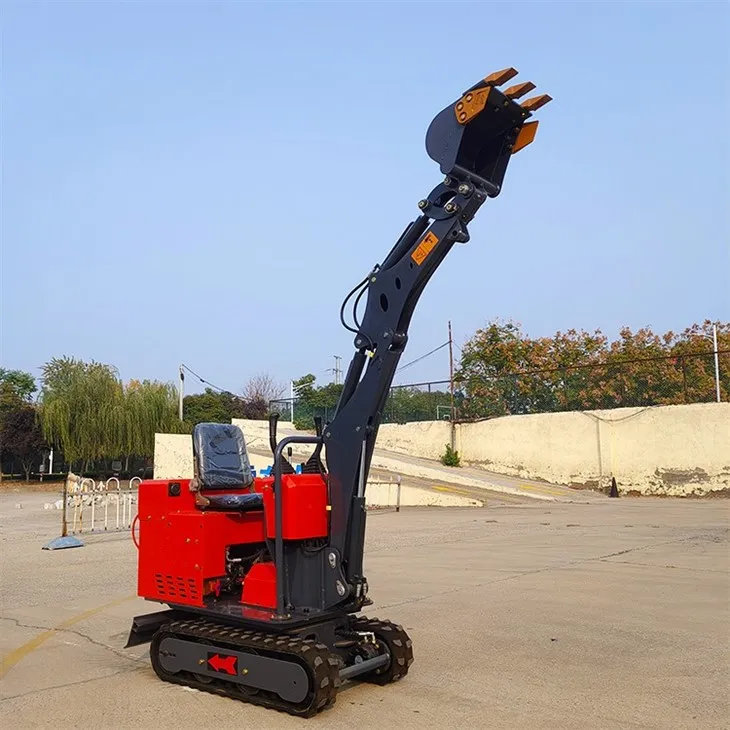
Hey there! As a supplier of 0.8 – ton mini excavators, I often get asked a bunch of questions about where these little machines can be used. One of the more interesting queries I’ve received lately is, “Can a 0.8 – ton mini excavator be used for beach excavation?” Let’s dig into this topic and find out.
First off, let’s talk a bit about what a 0.8 – ton mini excavator is. These are compact, versatile machines that pack a punch despite their small size. They’re great for a variety of tasks around the home or on small – scale construction sites. If you’re interested in a mini – excavator for home use, you can check out Mini Excavator for Home Use. They’re easy to operate, and their size allows them to access tight spaces where larger excavators can’t go.
Now, onto the beach. The beach is a unique environment. The sand is soft, and the ground conditions can vary greatly depending on the tide, the time of day, and the location. When it comes to using a 0.8 – ton mini excavator on the beach, there are several factors to consider.
Ground Conditions
The soft sand on the beach can be both an advantage and a challenge. On one hand, it’s easier to dig into compared to hard – packed soil or rock. The 0.8 – ton mini excavator’s relatively light weight means it’s less likely to sink deeply into the sand, especially if the sand is somewhat compacted. However, if the sand is too soft or loose, the excavator might struggle to gain traction. This can lead to the tracks slipping, making it difficult to move the machine around and perform the excavation work efficiently.
Saltwater and Corrosion
Beaches are near the ocean, which means exposure to saltwater. Saltwater is highly corrosive to metal. The components of a 0.8 – ton mini excavator, such as the tracks, the hydraulic cylinders, and the body, are made of metal. Prolonged exposure to saltwater can cause rust and corrosion, which can significantly reduce the lifespan of the machine. If you’re thinking about using a mini – excavator on the beach, you’ll need to take extra precautions to protect it from saltwater damage. This could include regular cleaning with fresh water after each use and applying anti – corrosion coatings. We also have the ME08 Remote Control Excavator, which can be operated from a distance, potentially reducing the operator’s exposure to the corrosive environment.
Environmental Regulations
Many beaches are protected areas, and there are strict environmental regulations in place. Before you even think about bringing a 0.8 – ton mini excavator to the beach, you need to check with the local authorities. They’ll be able to tell you if it’s legal to use heavy machinery on the beach and what permits you might need. Some beaches have restrictions to protect the natural habitat, nesting areas of birds, or other sensitive ecosystems. Violating these regulations can result in hefty fines, so it’s definitely worth doing your homework.
Types of Beach Excavation
There are different types of beach excavation that a 0.8 – ton mini excavator could potentially be used for.
Sand Dune Restoration
Sand dunes are important for protecting the coastline from erosion. If there’s a project to restore or reshape sand dunes, a 0.8 – ton mini excavator could be useful. It can carefully move sand around to build up the dunes or reshape them to their natural form. The machine’s small size allows it to work in areas where larger equipment might cause too much damage to the surrounding environment.
Drainage Ditch Installation
On some beaches, there might be a need to install drainage ditches to prevent flooding or to manage water runoff. A 0.8 – ton mini excavator can dig these ditches quickly and accurately. It can also be used to clear out existing ditches that have become clogged with sand.
Beachfront Construction
For small – scale beachfront construction projects, like building a small pier or a beach house foundation, a 0.8 – ton mini excavator can be a valuable tool. It can dig the footings and trenches needed for the construction, and its maneuverability allows it to work in the limited space often available on the beach. Check out our Mini Excavator 800 kg for a machine that’s well – suited for these types of tasks.
Advantages of Using a 0.8 – Ton Mini Excavator on the Beach
Maneuverability: As mentioned earlier, the small size of the 0.8 – ton mini excavator allows it to move around easily on the beach. It can navigate between beach umbrellas, sun loungers, and other obstacles that might be in the way.
Low Ground Pressure: With its light weight, the excavator exerts less pressure on the sand compared to larger machines. This means it’s less likely to cause excessive damage to the beach surface.
Versatility: It can be equipped with different attachments, such as buckets, augers, or breakers, depending on the specific excavation task at hand.
Disadvantages
Limited Power: A 0.8 – ton mini excavator has less power compared to larger excavators. This might be a limitation when dealing with large – scale or heavy – duty beach excavation projects.
Corrosion Risk: As we’ve already discussed, the exposure to saltwater can be a major issue for the machine’s longevity.
In conclusion, a 0.8 – ton mini excavator can be used for beach excavation, but it comes with its own set of challenges. If you’re considering using one for a beach project, make sure you take into account the ground conditions, the potential for corrosion, and the environmental regulations.
If you’re interested in purchasing a 0.8 – ton mini excavator for your beach or other excavation projects, feel free to reach out for a purchase negotiation. We’re here to help you find the right machine for your needs.
References
“Excavation Equipment Handbook”
Local beach environmental regulations brochures
Manufacturer’s manuals for 0.8 – ton mini excavators