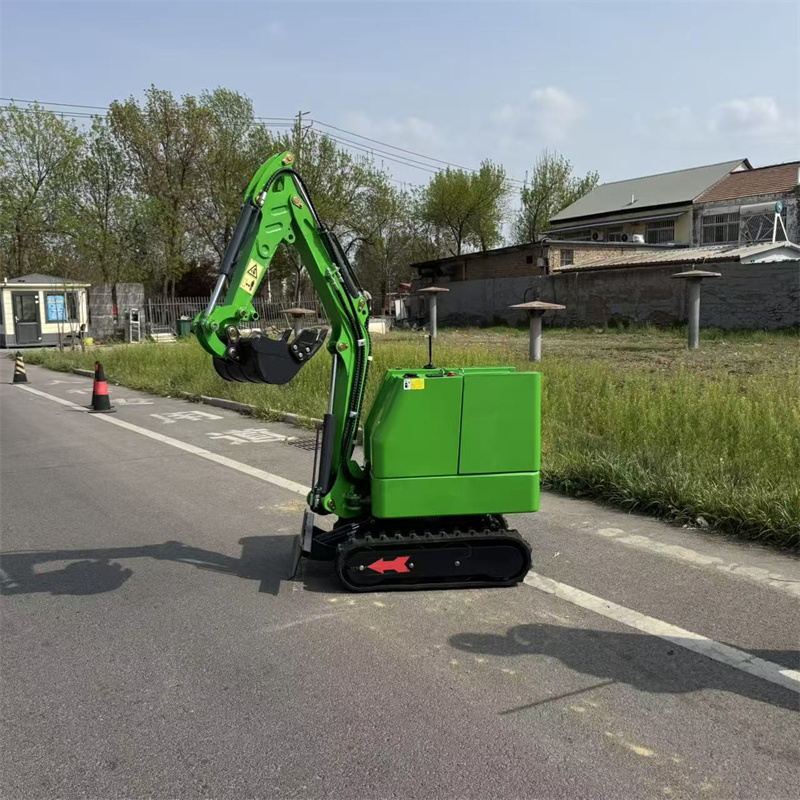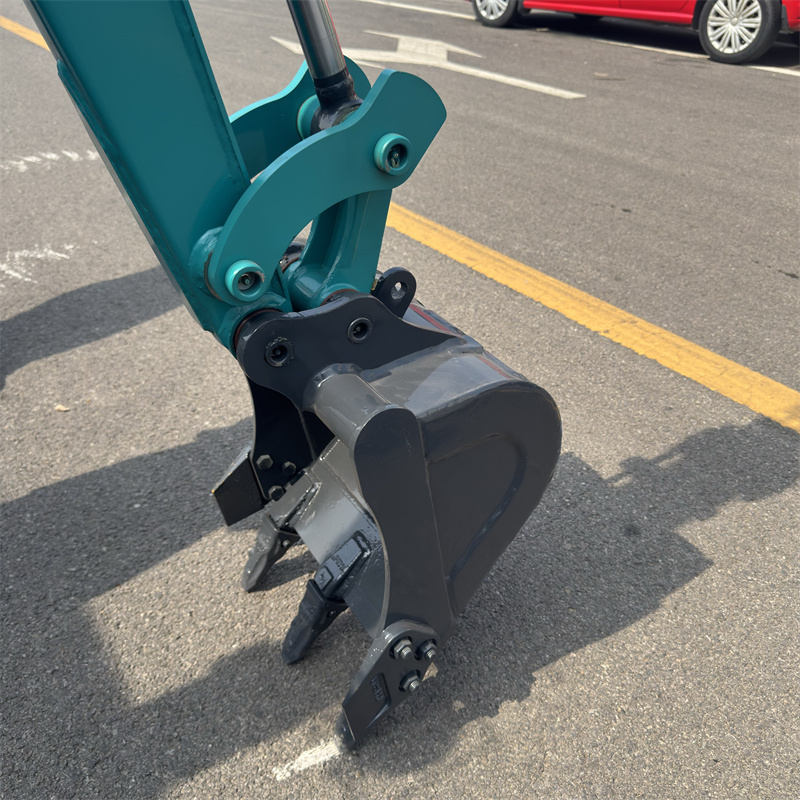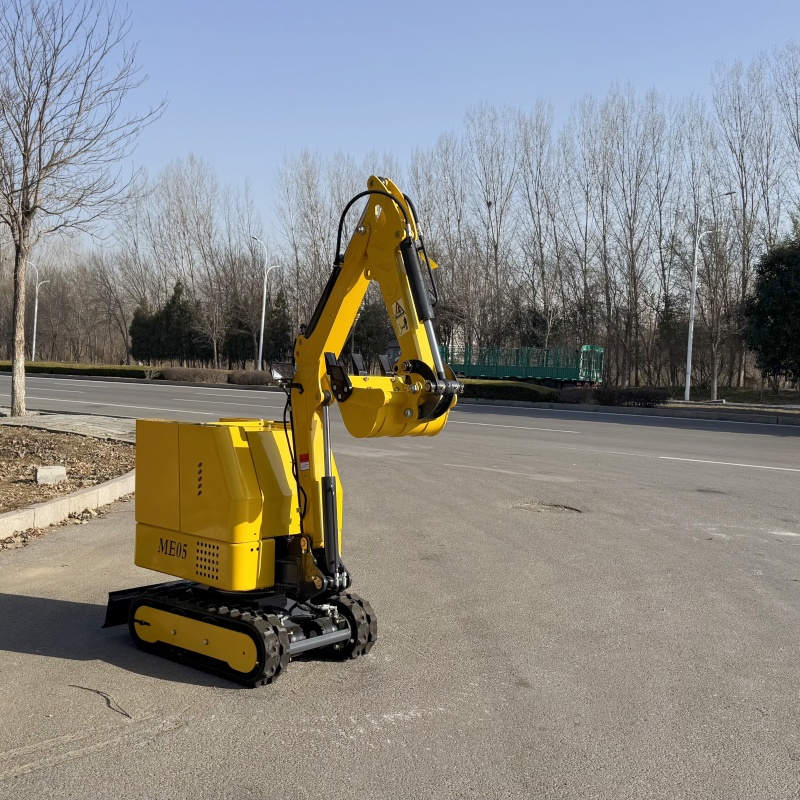
When it comes to construction and excavation projects, the choice of equipment is crucial. One question that often arises is whether a 1.5 – ton mini excavator can be used for foundation work. As a supplier of 1.5 – ton mini excavators, I’ve had extensive experience with these machines and can provide valuable insights on this topic.
Capabilities of a 1.5 – Ton Mini Excavator
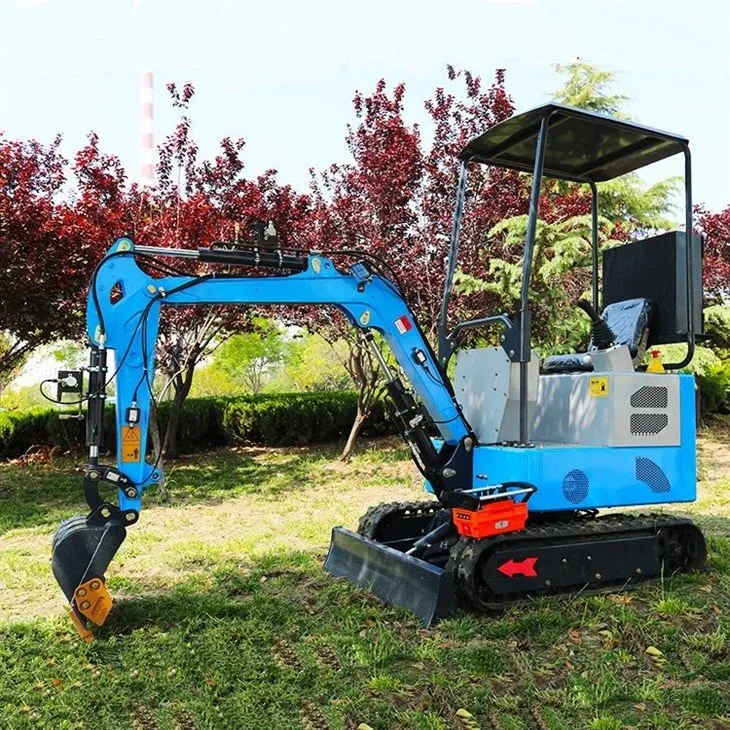
First, let’s understand the basic capabilities of a 1.5 – ton 1.5 Ton Mini Excavator. These compact machines are designed with versatility in mind. They are relatively small in size, which allows them to operate in confined spaces where larger excavators cannot reach. This is a significant advantage for foundation work, especially in urban areas or sites with limited access.
The digging depth of a typical 1.5 – ton mini excavator can range from around 2.5 to 3.5 meters. This depth is sufficient for many types of foundation work, such as shallow foundations for small buildings, sheds, or even some types of residential structures. For example, a small garden shed or a single – story cottage may only require a foundation depth of 1 to 2 meters, which is well within the capabilities of a 1.5 – ton mini excavator.
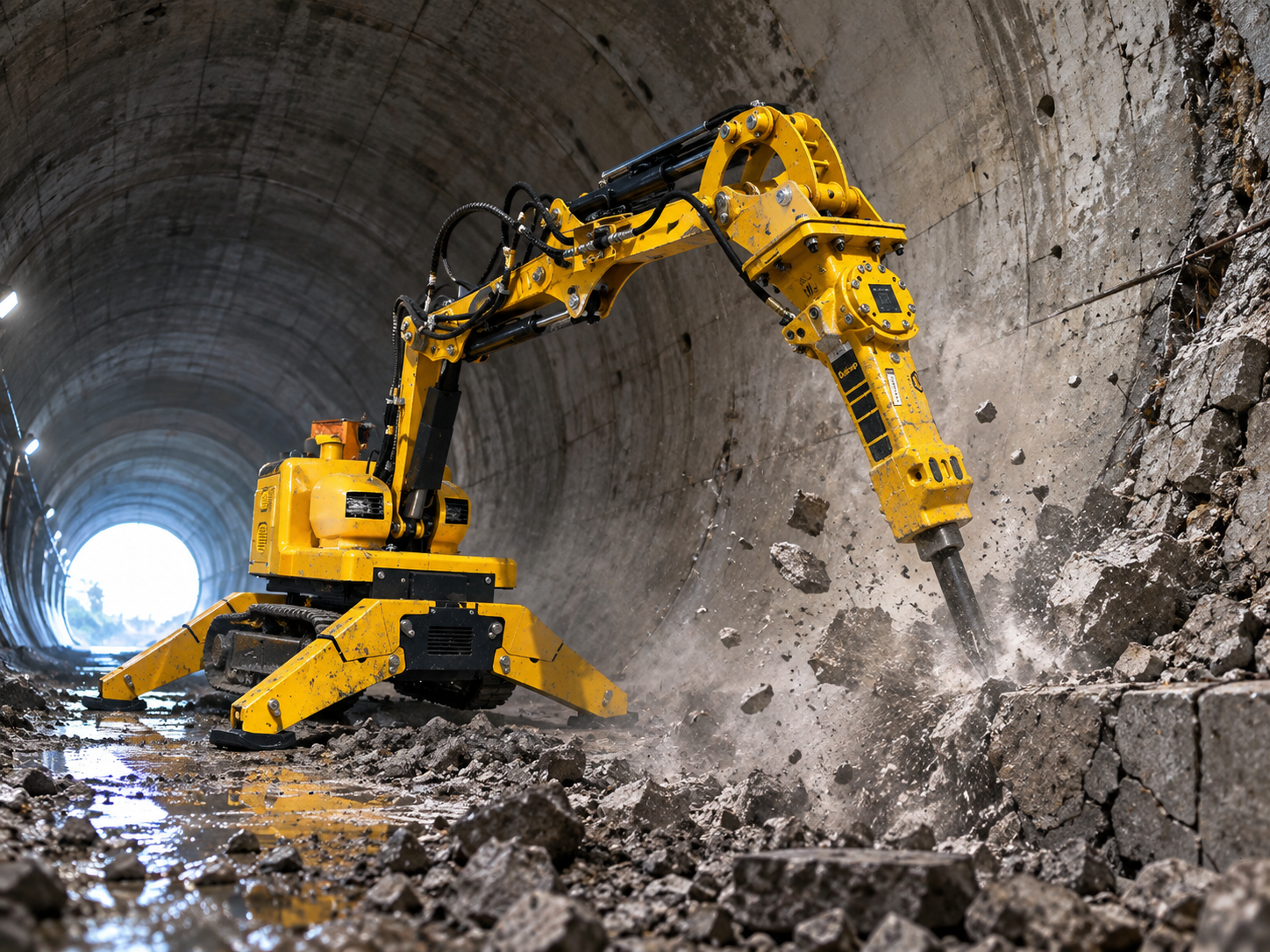
In terms of power, these mini excavators are equipped with engines that can generate enough force to break through soil and even some light – duty rock. They are also designed to handle a variety of attachments, such as buckets, augers, and hydraulic breakers. This flexibility allows them to perform different tasks during the foundation work process, from digging trenches to breaking up small rocks or concrete slabs.
Suitability for Different Foundation Types
Shallow Foundations
Shallow foundations are the most common type of foundation for small – scale construction projects. They are typically used when the soil conditions are stable and the load – bearing capacity of the soil is sufficient to support the structure. A 1.5 – ton mini excavator is well – suited for excavating the trenches required for shallow foundations. The machine can accurately dig the required width and depth of the trench, ensuring that the foundation is properly installed.
For example, in the construction of a small residential garage, a 1.5 – ton mini excavator can quickly and efficiently dig the trenches for the footings. The operator can use a bucket attachment to remove the soil and create a clean, straight trench. The compact size of the excavator also means that it can work close to the existing structures without causing damage.
Strip Foundations
Strip foundations are another type of shallow foundation that is commonly used for load – bearing walls. They are long, narrow strips of concrete that support the weight of the wall. A 1.5 – ton mini excavator can be used to dig the trenches for strip foundations with precision. The machine’s maneuverability allows it to follow the layout of the wall, even in irregularly shaped buildings.
The Mini Digger ME15 Excavator, one of our popular models, is particularly well – suited for this type of work. Its advanced control system enables the operator to make accurate movements, ensuring that the trench has the correct dimensions and slope.
Pad Foundations
Pad foundations are used to support individual columns or piers. They are typically square or rectangular in shape and are dug to a specific depth and size. A 1.5 – ton mini excavator can be used to dig the holes for pad foundations. The machine can use an auger attachment to drill the holes to the required depth and diameter. This method is more efficient than manual digging, especially for larger – diameter holes.
Limitations of a 1.5 – Ton Mini Excavator for Foundation Work
While a 1.5 – ton mini excavator has many advantages for foundation work, it also has some limitations. One of the main limitations is its digging capacity. If the foundation requires a very large amount of excavation or if the soil is extremely hard or rocky, a 1.5 – ton mini excavator may not be powerful enough.
For example, in the construction of a large commercial building with deep foundations, the volume of soil that needs to be excavated is much larger. A 1.5 – ton mini excavator would take a long time to complete the excavation, and it may not be able to handle the heavy – duty digging required. In such cases, a larger excavator with more power and a greater digging capacity would be more appropriate.
Another limitation is the lifting capacity. If the foundation work involves lifting and placing heavy objects, such as large concrete blocks or steel beams, a 1.5 – ton mini excavator may not be able to handle the load. The lifting capacity of these mini excavators is typically limited to a few hundred kilograms, which is not sufficient for heavy – duty lifting tasks.
Considerations for Using a 1.5 – Ton Mini Excavator for Foundation Work
Soil Conditions
Soil conditions play a crucial role in determining the suitability of a 1.5 – ton mini excavator for foundation work. If the soil is soft and sandy, the excavator can easily dig through it. However, if the soil is hard – packed clay or contains a lot of rocks, the machine may face more challenges. In such cases, the use of a hydraulic breaker attachment can help break up the hard soil or rocks, but it may also put more strain on the machine.
Site Access and Space
As mentioned earlier, the compact size of a 1.5 – ton mini excavator is an advantage for working in confined spaces. However, it is still important to ensure that there is enough space for the machine to maneuver safely. The access route to the site should be wide enough and free of obstacles. If the site has narrow entrances or sharp turns, special care should be taken when operating the excavator.
Operator Skill
The skill of the operator is also an important factor. A well – trained operator can maximize the efficiency and performance of the 1.5 – ton mini excavator. They should be familiar with the machine’s controls, attachments, and safety features. Proper training can also help prevent accidents and ensure that the foundation work is carried out accurately.
Cost – Effectiveness
One of the main reasons why many contractors choose a 1.5 – ton mini excavator for foundation work is its cost – effectiveness. These machines are generally more affordable to purchase or rent compared to larger excavators. They also consume less fuel, which reduces the operating costs.
For small – scale construction projects, the use of a 1.5 – ton mini excavator can significantly reduce the overall project cost. Instead of hiring a large excavator and paying for its high rental fees and fuel consumption, a contractor can use a 1.5 – ton mini excavator and save money. This is especially beneficial for small construction companies or DIY enthusiasts who are working on a tight budget.
Our Product Offerings
At our company, we offer a range of 1.5 – ton mini excavators, including the Plug – in Mini Excavator 1.5 Ton. This plug – in model is an environmentally friendly option that runs on electricity, reducing emissions and noise pollution. It is also very easy to operate, making it suitable for both experienced operators and beginners.
Our mini excavators are built with high – quality materials and advanced technology to ensure reliability and durability. We also provide comprehensive after – sales service, including maintenance, repair, and parts supply. This ensures that our customers can get the most out of their investment in our products.
Conclusion
In conclusion, a 1.5 – ton mini excavator can be a valuable tool for foundation work, especially for small – scale construction projects. Its compact size, versatility, and cost – effectiveness make it a popular choice among contractors and DIY enthusiasts. However, it is important to consider the limitations of the machine, such as its digging capacity and lifting capacity, as well as the soil conditions and site requirements.
If you are considering using a 1.5 – ton mini excavator for your foundation work, we encourage you to contact us for more information. Our team of experts can provide you with detailed advice on the suitability of our products for your specific project and help you make an informed decision. We are committed to providing high – quality products and excellent customer service, and we look forward to working with you on your next construction project.
References
Construction Equipment Handbook, various editions
Soil Mechanics and Foundation Engineering textbooks