Can a 1.8 Ton Excavator be used in urban construction?
In the bustling landscape of urban construction, the choice of equipment is crucial for ensuring efficiency, safety, and cost – effectiveness. One piece of machinery that has been gaining attention is the 1.8 – ton excavator. As a supplier of 1.8 – ton excavators, I am often asked whether these machines are suitable for urban construction projects. In this blog post, I will explore the capabilities and limitations of 1.8 – ton excavators in the context of urban building sites.
Advantages of Using a 1.8 Ton Excavator in Urban Construction
Maneuverability
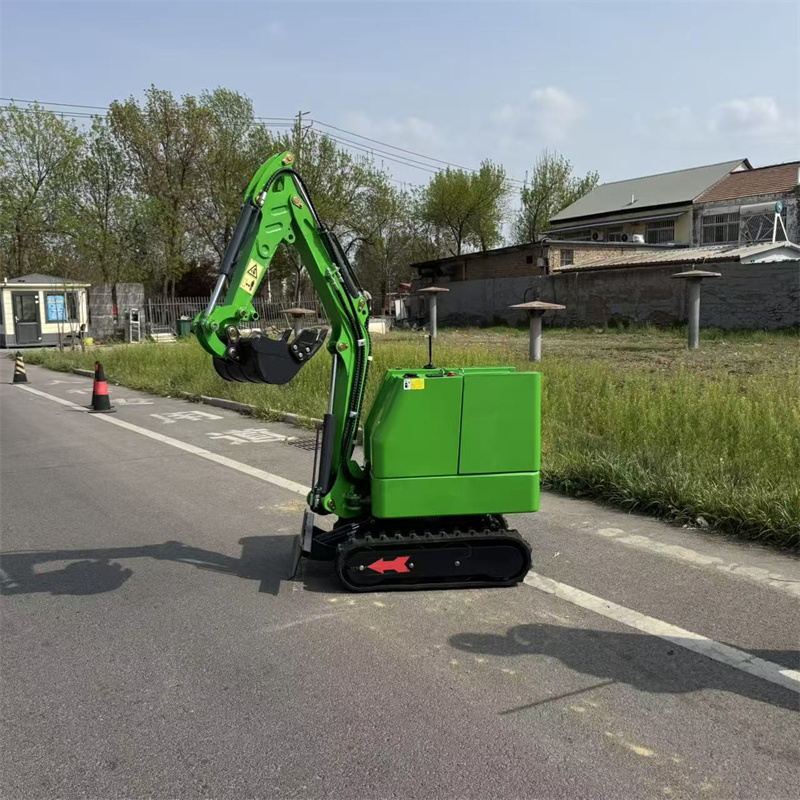
One of the most significant advantages of a 1.8 – ton excavator is its excellent maneuverability. Urban construction sites are often characterized by limited space, with narrow alleys, tight corners, and congested areas. A 1.8 – ton excavator, due to its relatively small size, can easily navigate through these confined spaces. For example, when working on a renovation project in an old city neighborhood, the excavator can access areas that larger machines simply cannot reach. This allows for more precise digging and construction work, reducing the need for manual labor in hard – to – reach spots.
Low Ground Pressure
Urban areas often have existing infrastructure such as underground pipes, cables, and delicate pavements. A 1.8 – ton excavator exerts relatively low ground pressure compared to larger excavators. This means that it is less likely to cause damage to the underlying infrastructure during operation. When digging near sewer lines or water pipes, the low ground pressure of the 1.8 – ton excavator provides an extra layer of safety, minimizing the risk of accidental ruptures or damage.
Transportability
Transporting heavy construction equipment within the city can be a logistical nightmare. However, a 1.8 – ton excavator is relatively lightweight and can be easily transported on a small trailer. This reduces the transportation costs and time, allowing for quick mobilization between different construction sites. For instance, if a contractor has multiple small – scale projects in different parts of the city, the 1.8 – ton excavator can be moved efficiently from one site to another without the need for large – scale transportation arrangements.
Cost – Effectiveness
In urban construction, where budgets are often tight, cost – effectiveness is a key consideration. A 1.8 – ton excavator is generally more affordable to purchase or rent compared to larger excavators. Additionally, its fuel consumption is lower, which translates to lower operating costs over time. For small and medium – sized construction companies working on urban projects, the 1.8 – ton excavator offers a cost – effective solution without compromising on performance.
Our 1.8 Ton Excavator Offerings
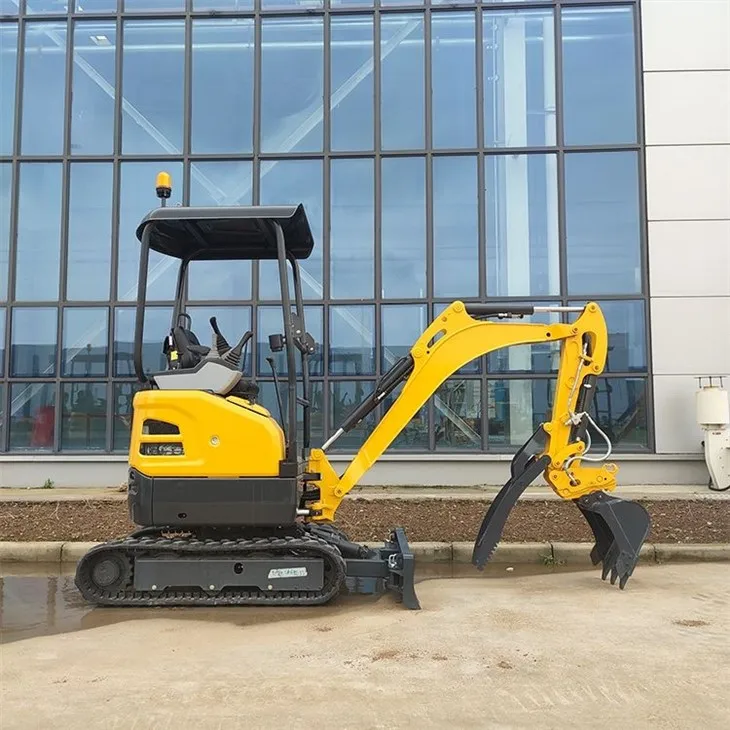
At our company, we offer a range of high – quality 1.8 – ton excavators. Our ME18 Excavator is designed with the latest technology to ensure maximum efficiency and reliability. It features a powerful engine that provides sufficient digging force, while its ergonomic design makes it comfortable for operators to use for extended periods.
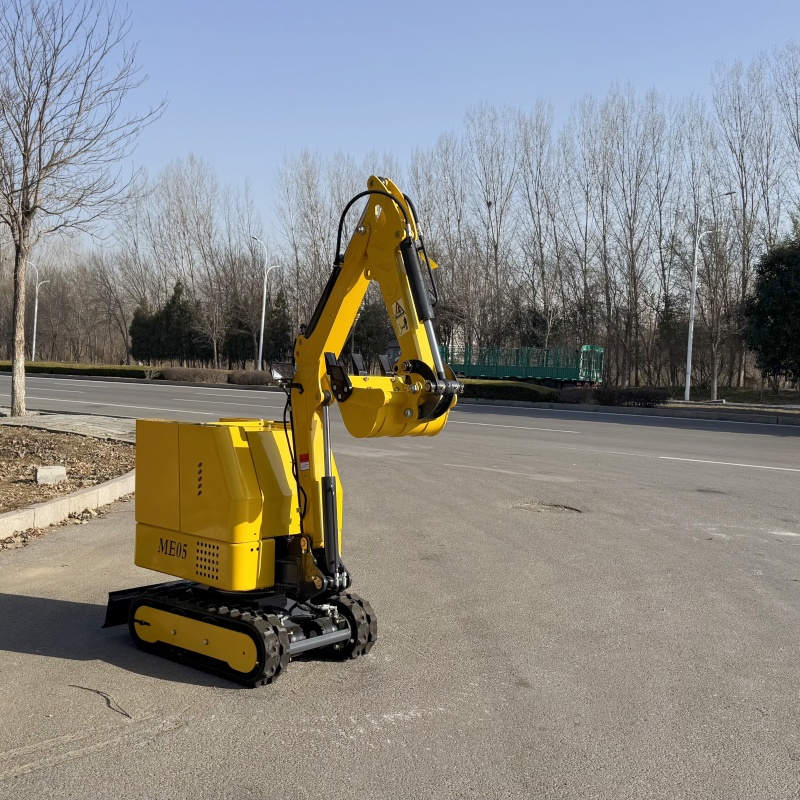
We also have the 1.8 Ton Electric Mini Excavator, which is an excellent choice for urban construction. With zero emissions, it is environmentally friendly, making it suitable for projects in areas with strict environmental regulations. The electric motor also provides smooth and quiet operation, which is ideal for construction work in noise – sensitive urban areas such as near hospitals or schools.
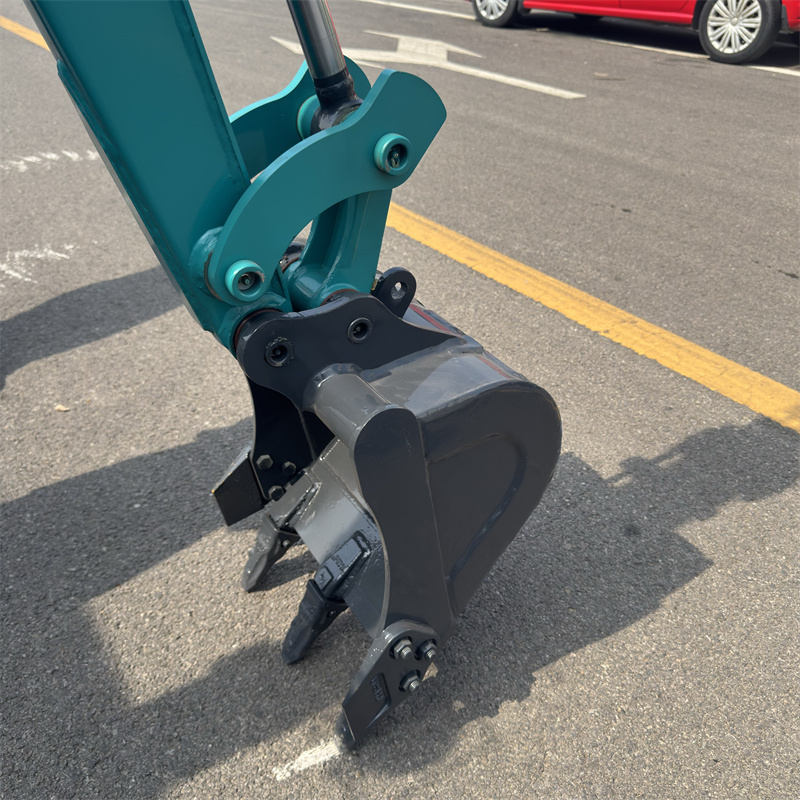
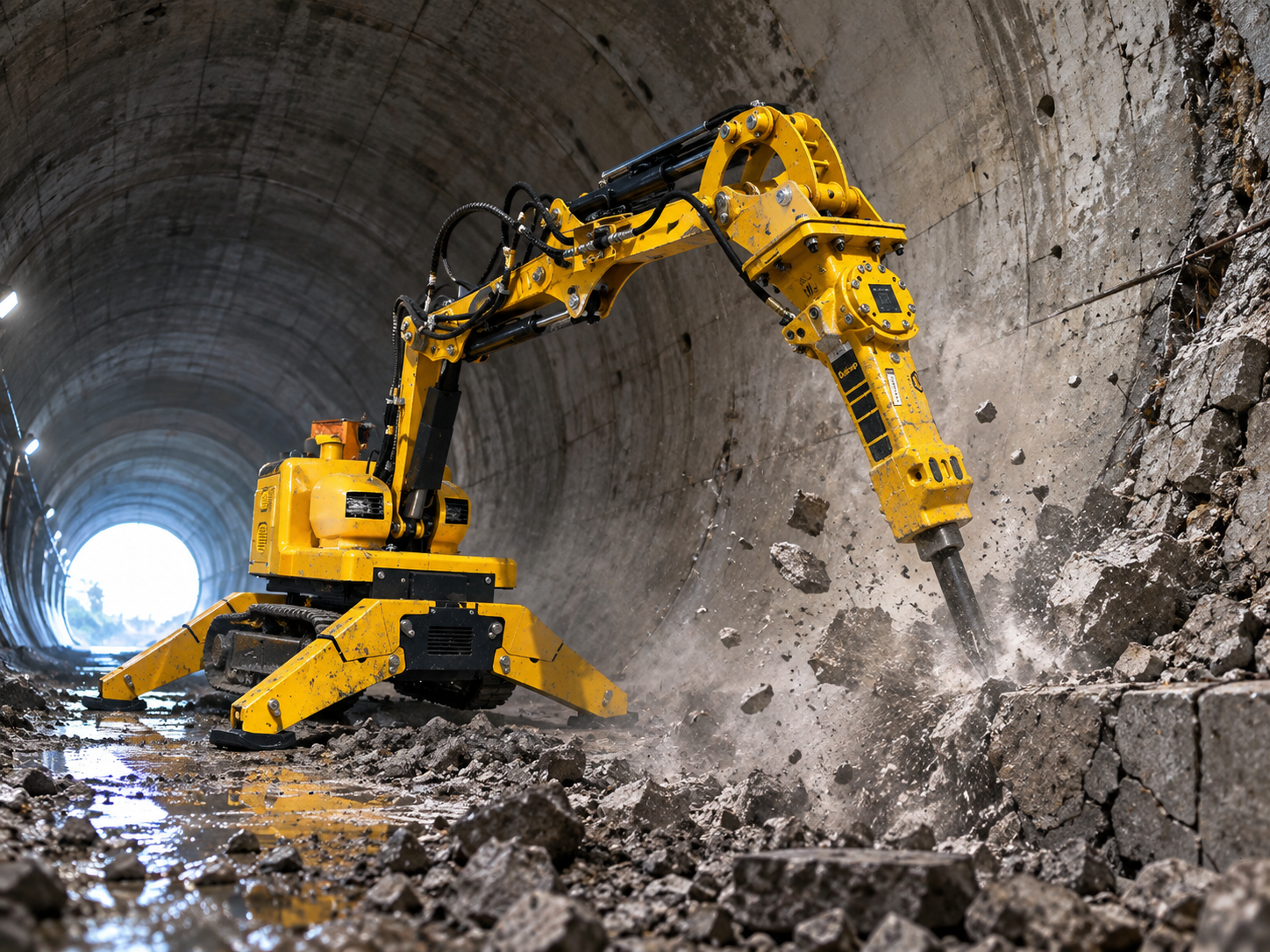
In addition, our Mini Small Excavator is a versatile machine that can be equipped with various attachments. Whether it’s a bucket for digging, a breaker for demolishing concrete, or a grapple for handling debris, the mini – excavator can be customized to meet the specific needs of different urban construction projects.
Limitations and Considerations
While 1.8 – ton excavators have many advantages in urban construction, there are also some limitations to be aware of.
Digging Depth and Reach
Compared to larger excavators, a 1.8 – ton excavator has a limited digging depth and reach. In some urban construction projects, such as deep foundation work or large – scale excavation for basements, the 1.8 – ton excavator may not be able to meet the requirements. However, for most small – to – medium – sized urban projects such as landscaping, utility installation, and small building foundations, the digging depth and reach of a 1.8 – ton excavator are usually sufficient.
Lifting Capacity
The lifting capacity of a 1.8 – ton excavator is also relatively low. This means that it may not be suitable for lifting heavy materials or large pre – fabricated components. If a project involves lifting heavy steel beams or large concrete blocks, a larger and more powerful excavator or a crane may be required.
Conclusion
In conclusion, a 1.8 – ton excavator can be a valuable asset in urban construction. Its maneuverability, low ground pressure, transportability, and cost – effectiveness make it well – suited for a wide range of urban projects. While it has some limitations in terms of digging depth, reach, and lifting capacity, these can often be overcome by using the excavator in combination with other equipment or for specific tasks where its strengths are maximized.
If you are involved in urban construction and are considering a 1.8 – ton excavator for your projects, we invite you to contact us for more information and to discuss your specific requirements. Our team of experts is ready to assist you in choosing the right excavator and providing you with the best solutions for your construction needs.
References
Construction Equipment Magazine. (2022). “The Role of Mini – Excavators in Urban Development”.
Urban Construction Journal. (2023). “Advantages and Challenges of Using Small – Scale Excavators in City Projects”.