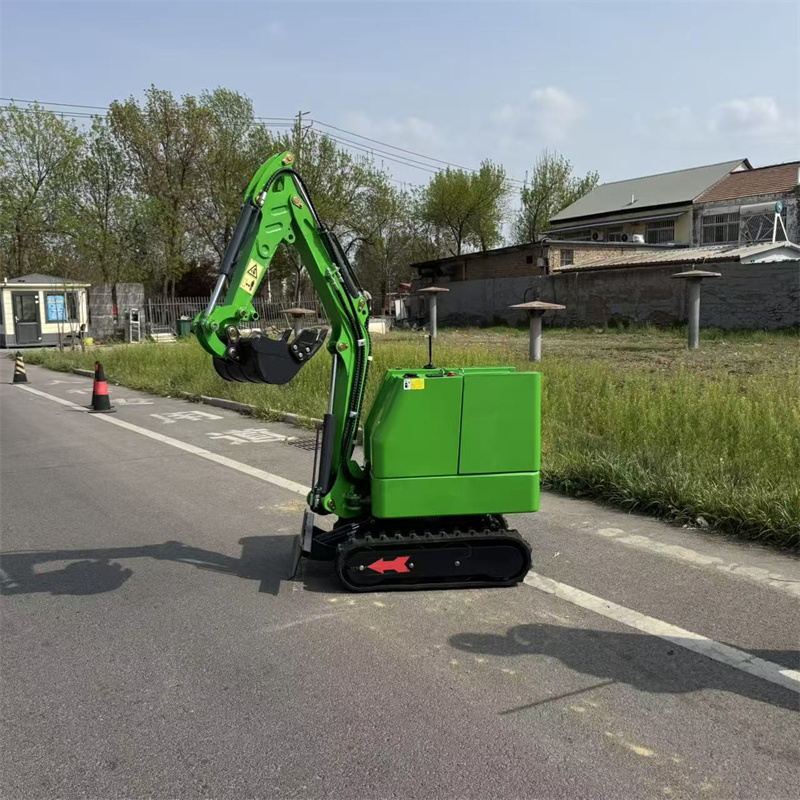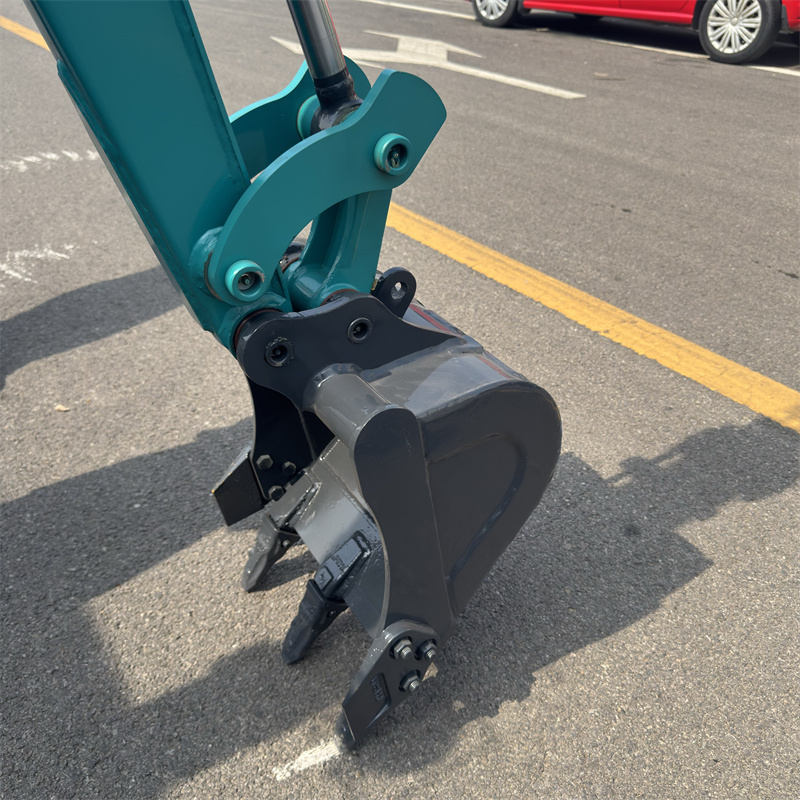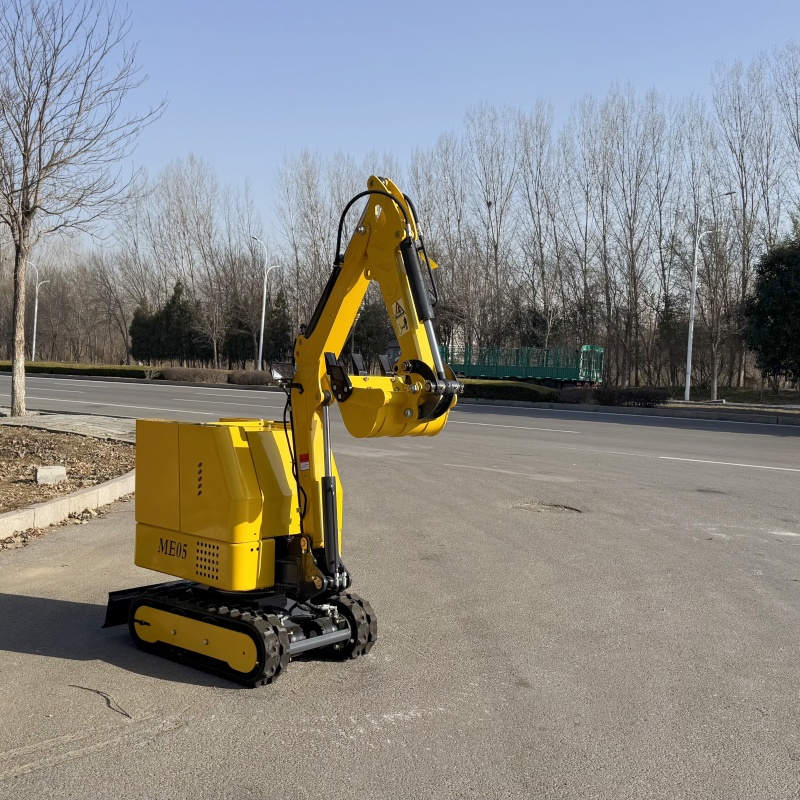
In the ever-evolving landscape of construction, the need for versatile and efficient equipment has become paramount. Among the plethora of machinery available, the 1.8-ton mini excavator has emerged as a promising option for various construction tasks, particularly in building small structures. As a trusted supplier of link to “Small Excavator 1.8 Ton”, I am well-positioned to explore the capabilities and limitations of this compact yet powerful machine.
Understanding the 1.8-Ton Mini Excavator
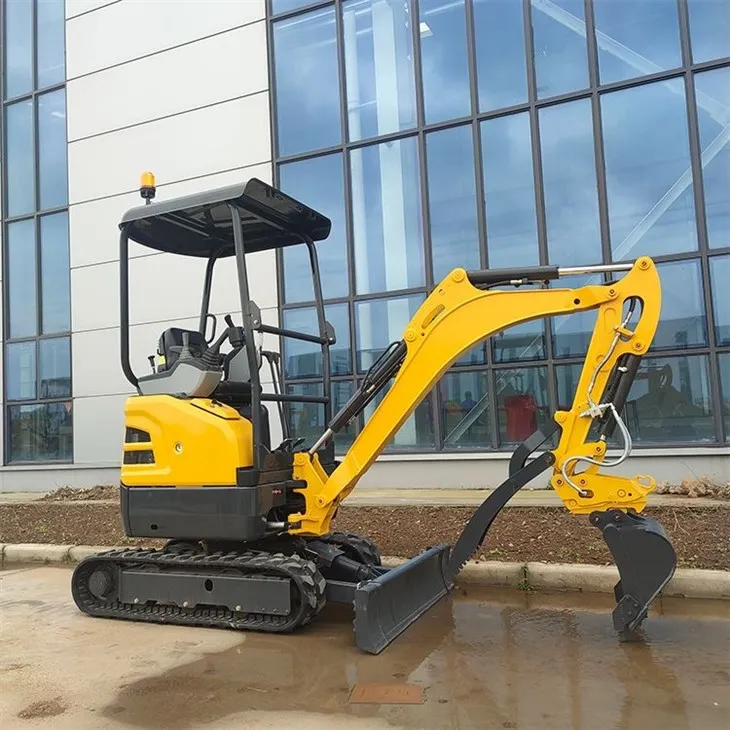
Before delving into its applications in building small structures, it is essential to understand the key features of a 1.8-ton mini excavator. These machines are designed to offer a balance between power and maneuverability, making them suitable for a wide range of construction sites, including those with limited space.
The 1.8-ton mini excavator typically comes equipped with a hydraulic system that provides the necessary force for digging, lifting, and moving materials. Its compact size allows it to access tight areas, such as backyards, alleys, and other confined spaces where larger equipment cannot operate. Additionally, many 1.8-ton mini excavators feature a zero or near-zero tail swing design, which further enhances their maneuverability in restricted areas.
Advantages of Using a 1.8-Ton Mini Excavator for Small Structures
1. Maneuverability
One of the primary advantages of using a 1.8-ton mini excavator in building small structures is its exceptional maneuverability. As mentioned earlier, these machines can easily navigate through tight spaces, making them ideal for construction projects in urban areas or small residential lots. Whether it’s digging a foundation, trenching for utilities, or moving materials around the site, the 1.8-ton mini excavator can get the job done with minimal disruption to the surrounding environment.
2. Cost-Effectiveness
Compared to larger excavators, 1.8-ton mini excavators are generally more cost-effective in terms of purchase price, operation, and maintenance. Their smaller size also means lower fuel consumption, reducing the overall operating costs of the project. For small construction companies or DIY enthusiasts, the affordability of a 1.8-ton mini excavator makes it an attractive option for building small structures.
3. Versatility
1.8-ton mini excavators are highly versatile machines that can be equipped with a variety of attachments to perform different tasks. Common attachments include buckets, breakers, augers, and grapples, which allow the excavator to be used for digging, demolition, drilling, and material handling. This versatility makes the 1.8-ton mini excavator a valuable asset for building small structures, as it can handle multiple aspects of the construction process without the need for additional equipment.
4. Reduced Ground Disturbance
The lightweight design of the 1.8-ton mini excavator results in less ground pressure compared to larger machines. This is particularly beneficial when working on delicate or sensitive surfaces, such as lawns, driveways, or sidewalks. By minimizing ground disturbance, the mini excavator helps to preserve the integrity of the surrounding area and reduces the need for costly repairs after the construction is completed.
Applications of a 1.8-Ton Mini Excavator in Building Small Structures
1. Foundation Digging
The first step in building any structure is to dig the foundation. A 1.8-ton mini excavator is well-suited for this task, as it can easily dig precise trenches and holes of the required depth and width. The machine’s hydraulic system provides enough power to break through tough soil layers, while its maneuverability allows it to work in close proximity to the building site.
2. Trenching for Utilities
Once the foundation is dug, the next step is to install utilities such as water, sewer, and electrical lines. A 1.8-ton mini excavator can be used to dig trenches for these utilities quickly and efficiently. The machine’s ability to access tight spaces makes it ideal for trenching in urban areas or around existing structures.
3. Demolition
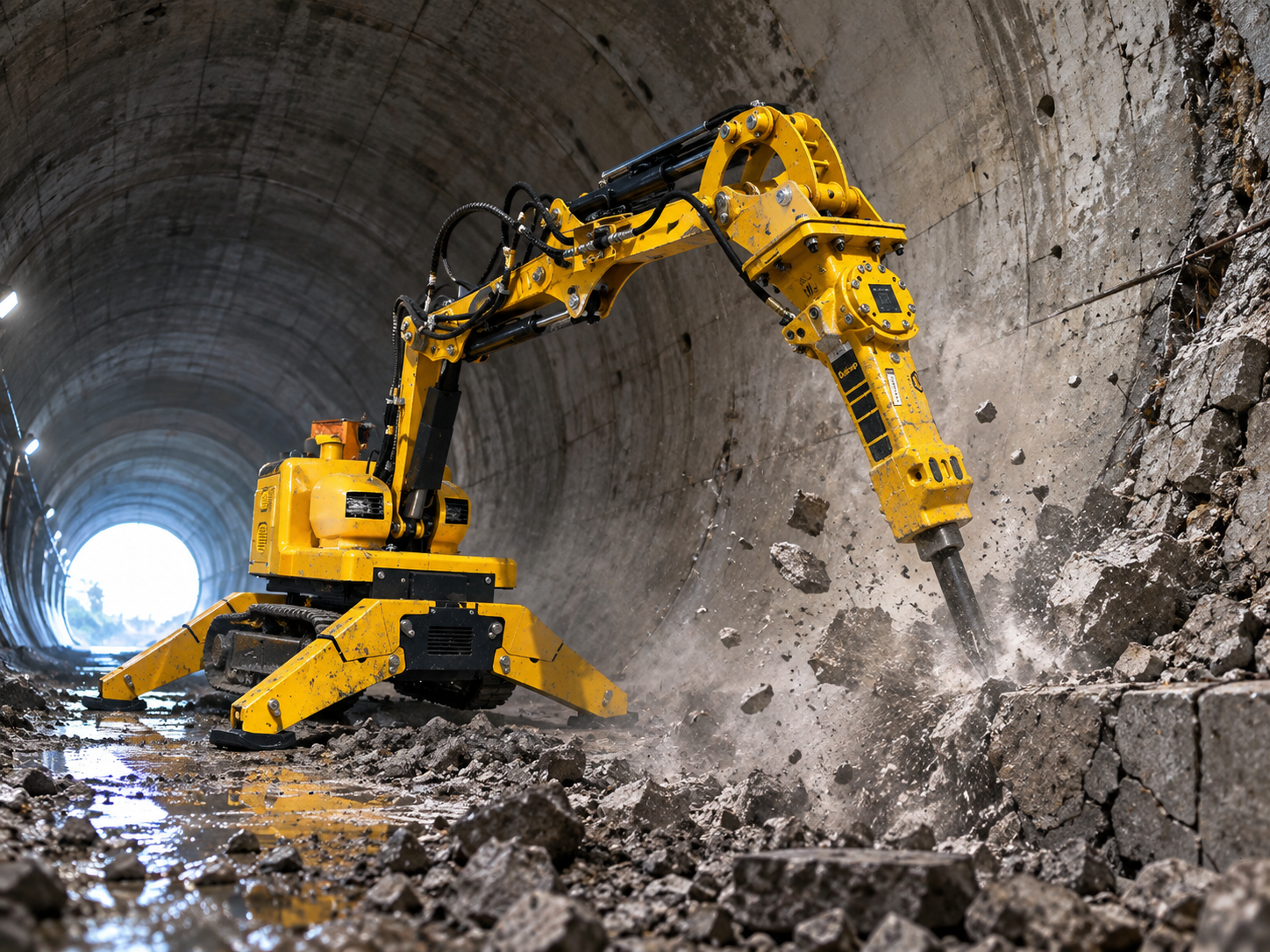
In some cases, the construction of a new small structure may require the demolition of an existing building or structure. A 1.8-ton mini excavator can be equipped with a breaker attachment to break up concrete, brick, and other materials. Its compact size allows it to work in confined spaces, making it suitable for demolition projects in areas where larger equipment cannot fit.
4. Material Handling
During the construction process, there is often a need to move materials such as soil, gravel, and building supplies around the site. A 1.8-ton mini excavator can be equipped with a bucket or grapple attachment to lift and move these materials quickly and easily. Its maneuverability allows it to access hard-to-reach areas, making it an efficient tool for material handling on small construction sites.
Limitations of Using a 1.8-Ton Mini Excavator for Small Structures
While the 1.8-ton mini excavator offers many advantages for building small structures, it also has some limitations that need to be considered.
1. Limited Lifting Capacity
Due to its relatively small size, a 1.8-ton mini excavator has a limited lifting capacity compared to larger excavators. This means that it may not be suitable for lifting heavy materials or performing tasks that require significant lifting power. For example, if you need to lift large precast concrete panels or heavy machinery, a larger excavator may be more appropriate.
2. Shorter Reach
The reach of a 1.8-ton mini excavator is also limited compared to larger machines. This can make it difficult to access certain areas of the construction site, particularly those that are far away or at a higher elevation. In such cases, additional equipment or manual labor may be required to complete the task.
3. Limited Digging Depth
The digging depth of a 1.8-ton mini excavator is typically shallower than that of larger excavators. This may be a limitation if you need to dig deep foundations or trenches. However, for most small structures, the digging depth of a 1.8-ton mini excavator is usually sufficient.
Conclusion
In conclusion, a 1.8-ton mini excavator can be a valuable tool for building small structures. Its maneuverability, cost-effectiveness, versatility, and reduced ground disturbance make it an attractive option for small construction projects. However, it is important to consider its limitations, such as limited lifting capacity, shorter reach, and limited digging depth, before deciding whether it is the right machine for your project.
As a supplier of link to “Mini Crawler Excavator”, link to “Small Excavator 1.8 Ton”, and link to “Mini Crawer Hydraulic Excavator”, we are committed to providing our customers with high-quality equipment and expert advice. If you are considering using a 1.8-ton mini excavator for your next small construction project, we encourage you to contact us to discuss your specific needs and requirements. Our team of experienced professionals will be happy to assist you in selecting the right machine and attachments for your project.
References
Construction Equipment Guide. (n.d.). Mini Excavators: A Buyer’s Guide. Retrieved from https://www.constructionequipmentguide.com/mini-excavators-a-buyers-guide/36980
Equipment World. (n.d.). Mini Excavators: The Complete Guide. Retrieved from https://www.equipmentworld.com/mini-excavators-complete-guide/
Machinery Guide. (n.d.). 1.8-Ton Mini Excavators: Specifications and Features. Retrieved from https://www.machineryguide.com/1-8-ton-mini-excavators-specifications-and-features/