Hey there! As a supplier of 1.8-ton mini excavators, I’ve been getting a lot of questions about whether these machines can be used for pipe laying. In this blog post, I’m gonna break it down for you and give you the lowdown on using a 1.8-ton mini excavator for this task.
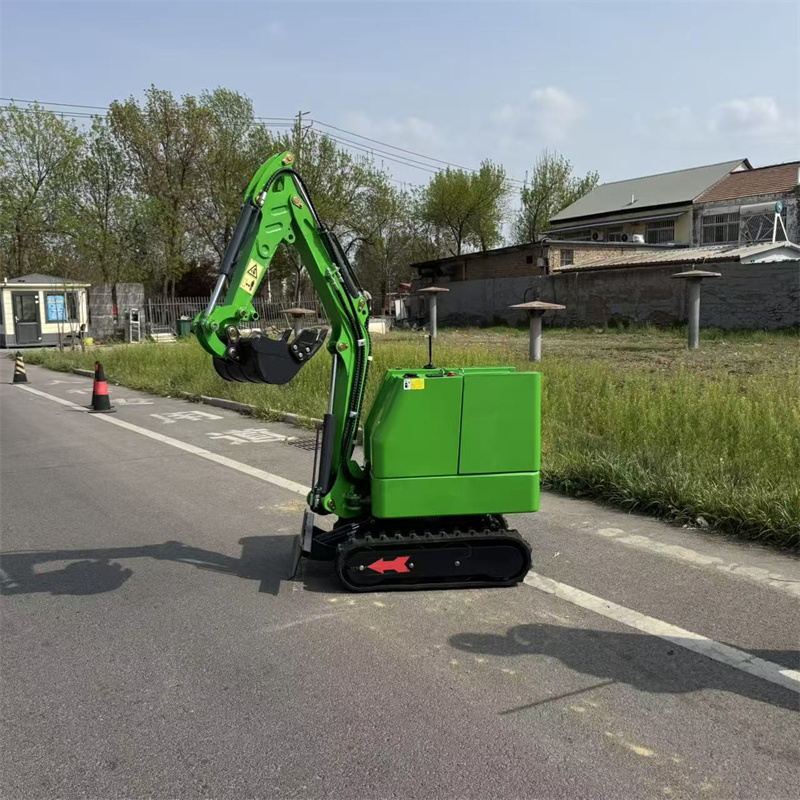
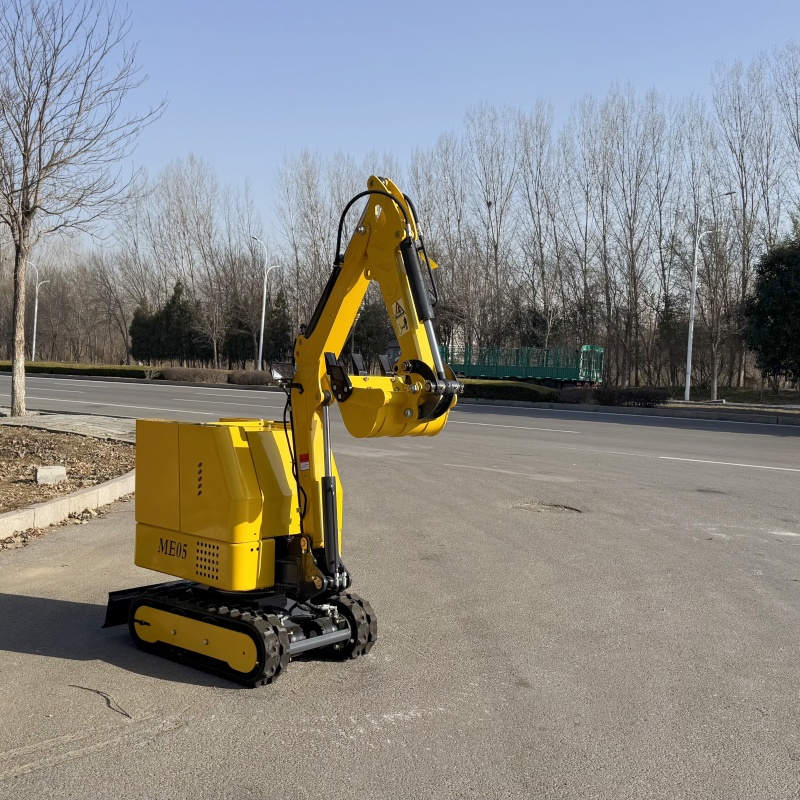
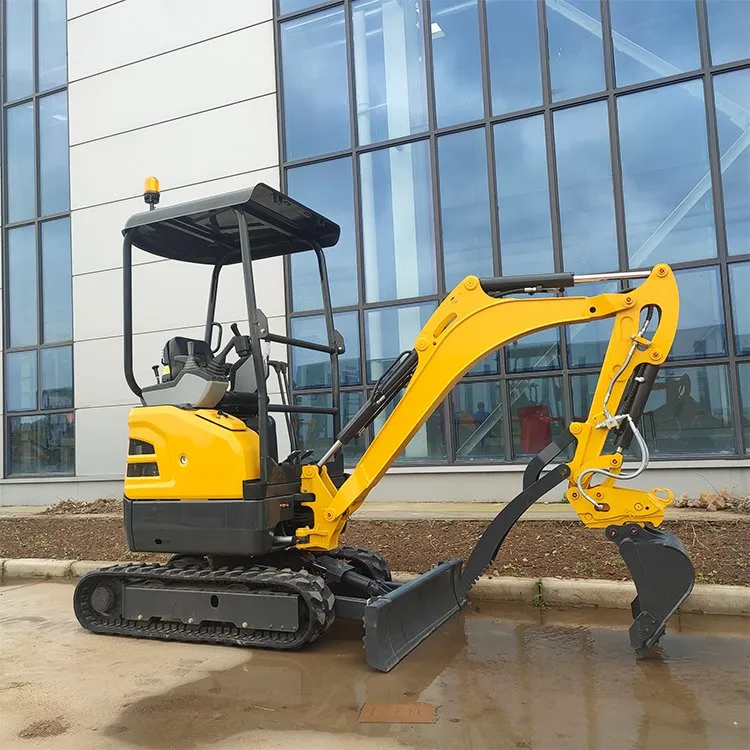
First off, let’s talk about what a 1.8-ton mini excavator is. These bad boys are compact, powerful machines that are perfect for small to medium-sized jobs. They’re easy to maneuver, can fit into tight spaces, and pack a punch when it comes to getting the job done. The Mini Crawer Hydraulic Excavator is one of our top models, and it’s specifically designed for efficient operation in various construction work, including pipe laying.
So, can a 1.8-ton mini excavator be used for pipe laying? The answer is a resounding yes! There are several reasons why these machines are well-suited for this job.
Advantages of Using a 1.8-Ton Mini Excavator for Pipe Laying
1. Compact Size
One of the biggest advantages of a 1.8-ton mini excavator is its compact size. When you’re laying pipes, you often need to work in tight spaces, like backyards, alleys, or areas with limited access. A full-sized excavator just won’t cut it in these situations. Our Mini Small Excavator can easily navigate through narrow passages and work in areas where larger machines can’t reach. It allows you to dig trenches and lay pipes in locations that would otherwise be off-limits.
2. Maneuverability
In addition to its size, a 1.8-ton mini excavator is incredibly maneuverable. It can turn on a dime, which is crucial when you’re working around obstacles or making precise cuts for pipe installations. You can easily adjust the angle and depth of the dig to ensure that the pipe is laid at the correct level and alignment. This level of control is essential for a successful pipe-laying project.
3. Cost-Effective
Let’s face it, budget is always a concern when it comes to construction projects. A 1.8-ton mini excavator is a cost-effective option for pipe laying. It requires less fuel and maintenance compared to larger excavators, which can save you a significant amount of money in the long run. Plus, its smaller size means that you can avoid the high costs associated with transporting and operating a larger machine.
4. Versatility
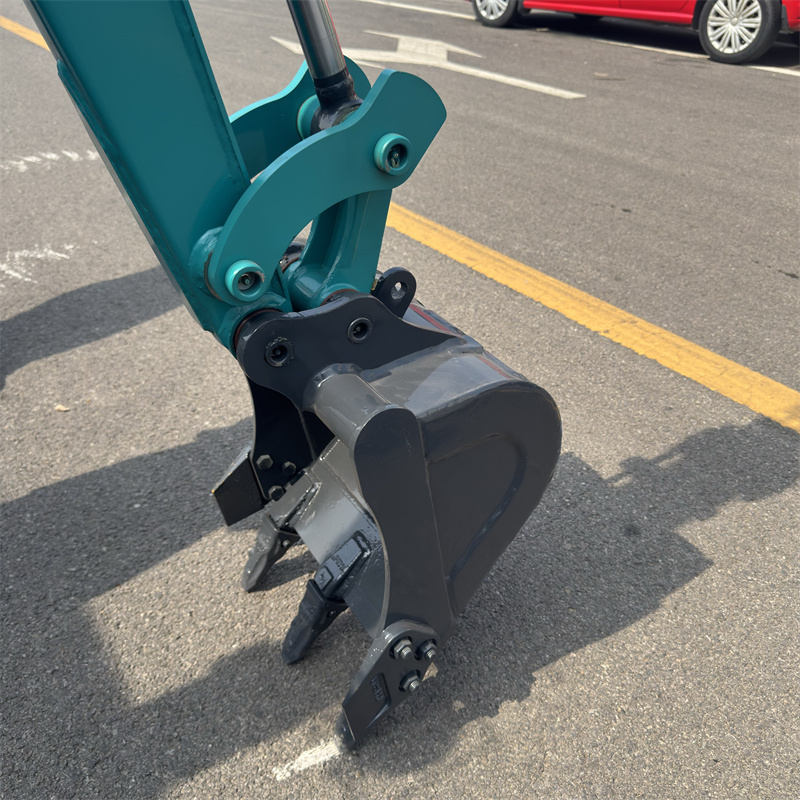
A 1.8-ton mini excavator is not just limited to pipe laying. It can be used for a variety of other tasks, such as digging foundations, landscaping, and removing debris. This versatility makes it a valuable asset for any construction company or contractor. Our ME18 Excavator comes with a range of attachments that can be easily swapped out to suit different jobs, giving you even more flexibility.
How to Use a 1.8-Ton Mini Excavator for Pipe Laying
Now that we’ve established that a 1.8-ton mini excavator can be used for pipe laying, let’s talk about how to use it effectively.
1. Planning and Preparation
Before you start digging, it’s important to plan out the pipe-laying project. Mark the location of the pipes on the ground and determine the depth and width of the trench. Make sure to check for any underground utilities or obstacles that could interfere with the excavation. You should also obtain any necessary permits and approvals from the local authorities.
2. Digging the Trench
Once you’ve completed the planning and preparation, it’s time to start digging the trench. Use the mini excavator’s bucket to dig the trench to the desired depth and width. Make sure to keep the sides of the trench as straight and vertical as possible to prevent collapse. You may need to make multiple passes to achieve the correct depth.
3. Laying the Pipes
After the trench is dug, it’s time to lay the pipes. Carefully lower the pipes into the trench using a crane or other lifting equipment. Make sure the pipes are properly aligned and connected. You may need to use a pipe cutter or other tools to cut the pipes to the correct length.
4. Backfilling the Trench
Once the pipes are laid, it’s time to backfill the trench. Use the mini excavator’s bucket to fill the trench with soil or other backfill material. Make sure to compact the backfill material as you go to prevent settling. You may need to use a compactor or other equipment to ensure proper compaction.
Considerations and Limitations
While a 1.8-ton mini excavator is a great option for pipe laying, there are some considerations and limitations that you should be aware of.
1. Soil Conditions
The type of soil you’re working in can have a significant impact on the performance of the mini excavator. Soft or sandy soil may require additional support to prevent the trench from collapsing. On the other hand, hard or rocky soil may require more powerful equipment to break through. Make sure to assess the soil conditions before starting the project and choose the appropriate equipment and techniques.
2. Pipe Size and Weight
The size and weight of the pipes you’re laying can also affect the performance of the mini excavator. Larger or heavier pipes may require a more powerful machine or additional lifting equipment. Make sure to check the specifications of the mini excavator and the pipes to ensure that they are compatible.
3. Operator Skill and Experience
Operating a mini excavator requires skill and experience. Make sure to hire a qualified operator who has experience in pipe laying. A skilled operator will be able to use the machine effectively and safely, which can help to ensure a successful project.
Conclusion
In conclusion, a 1.8-ton mini excavator can definitely be used for pipe laying. Its compact size, maneuverability, cost-effectiveness, and versatility make it a great option for small to medium-sized pipe-laying projects. However, it’s important to consider the soil conditions, pipe size and weight, and operator skill and experience before starting the project.
If you’re in the market for a 1.8-ton mini excavator for your pipe-laying project, we’d love to hear from you. Our Mini Crawer Hydraulic Excavator, ME18 Excavator, and Mini Small Excavator are all top-quality machines that are designed to meet the needs of our customers. Contact us today to learn more about our products and how they can help you with your pipe-laying project.
References
Construction Equipment Handbook
Mini Excavator Operation Manuals