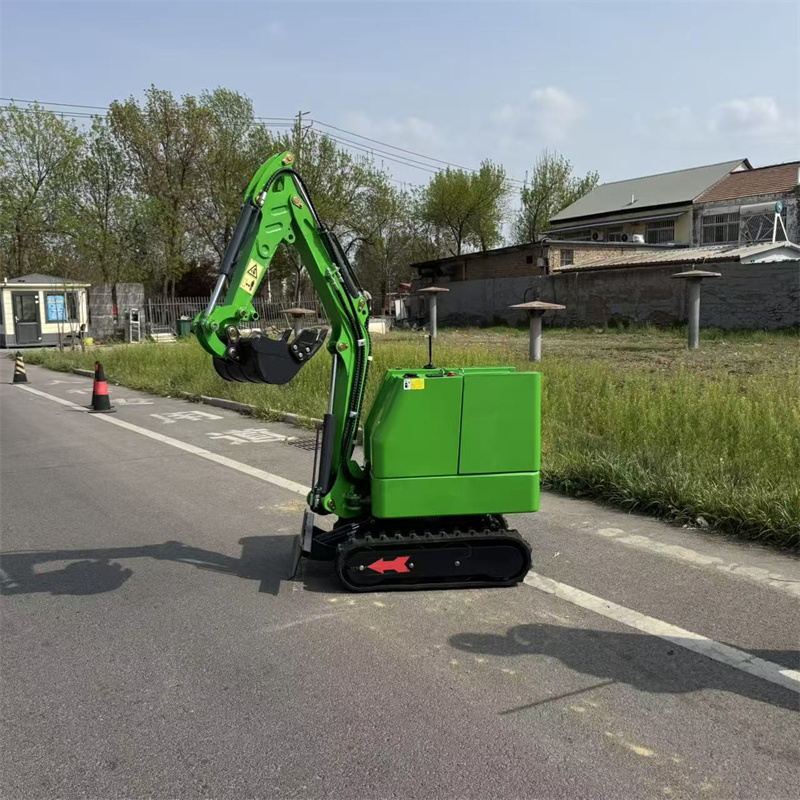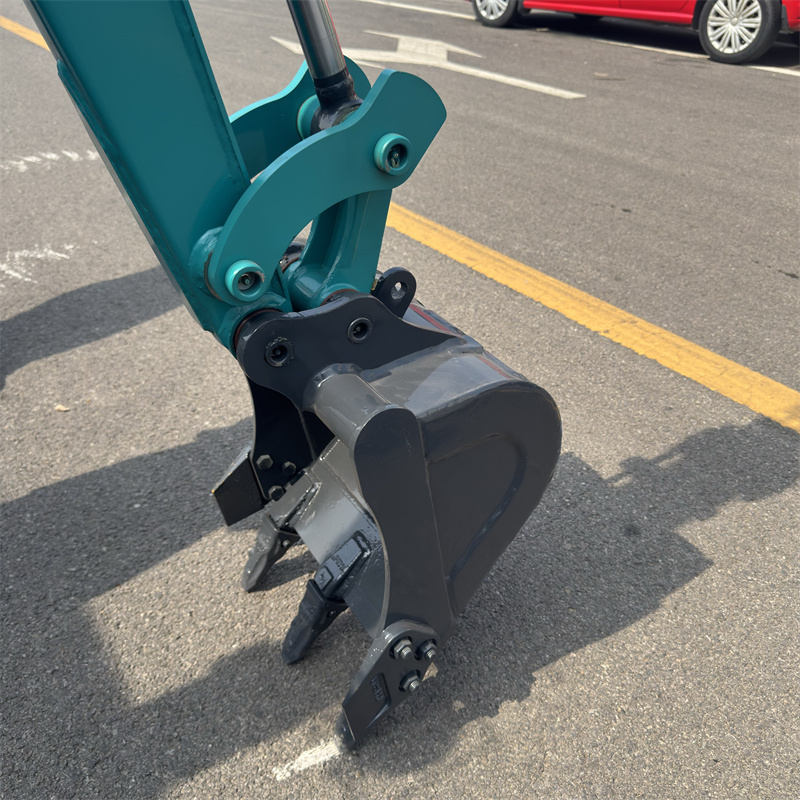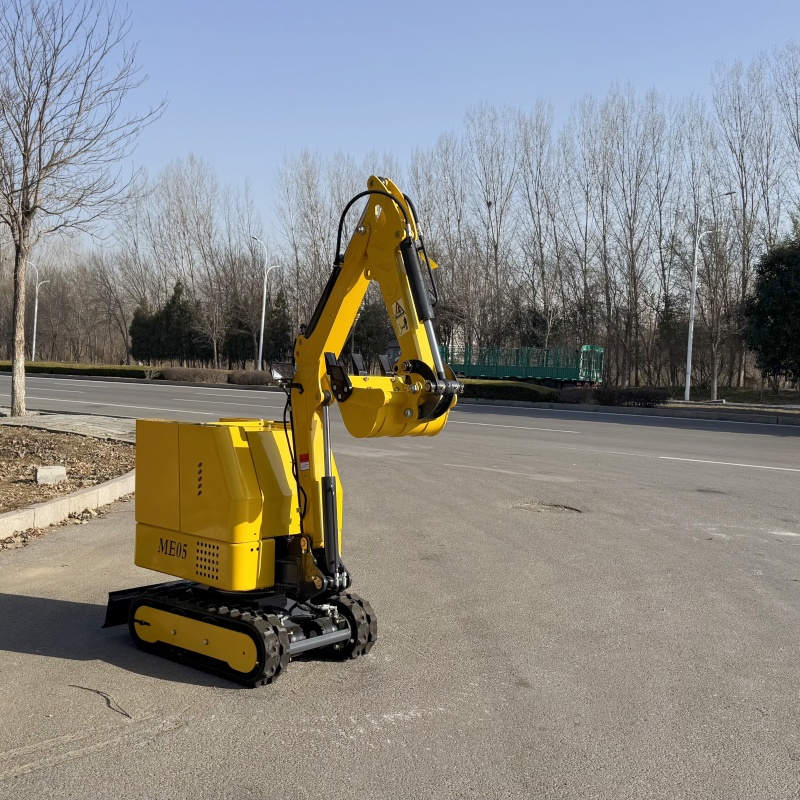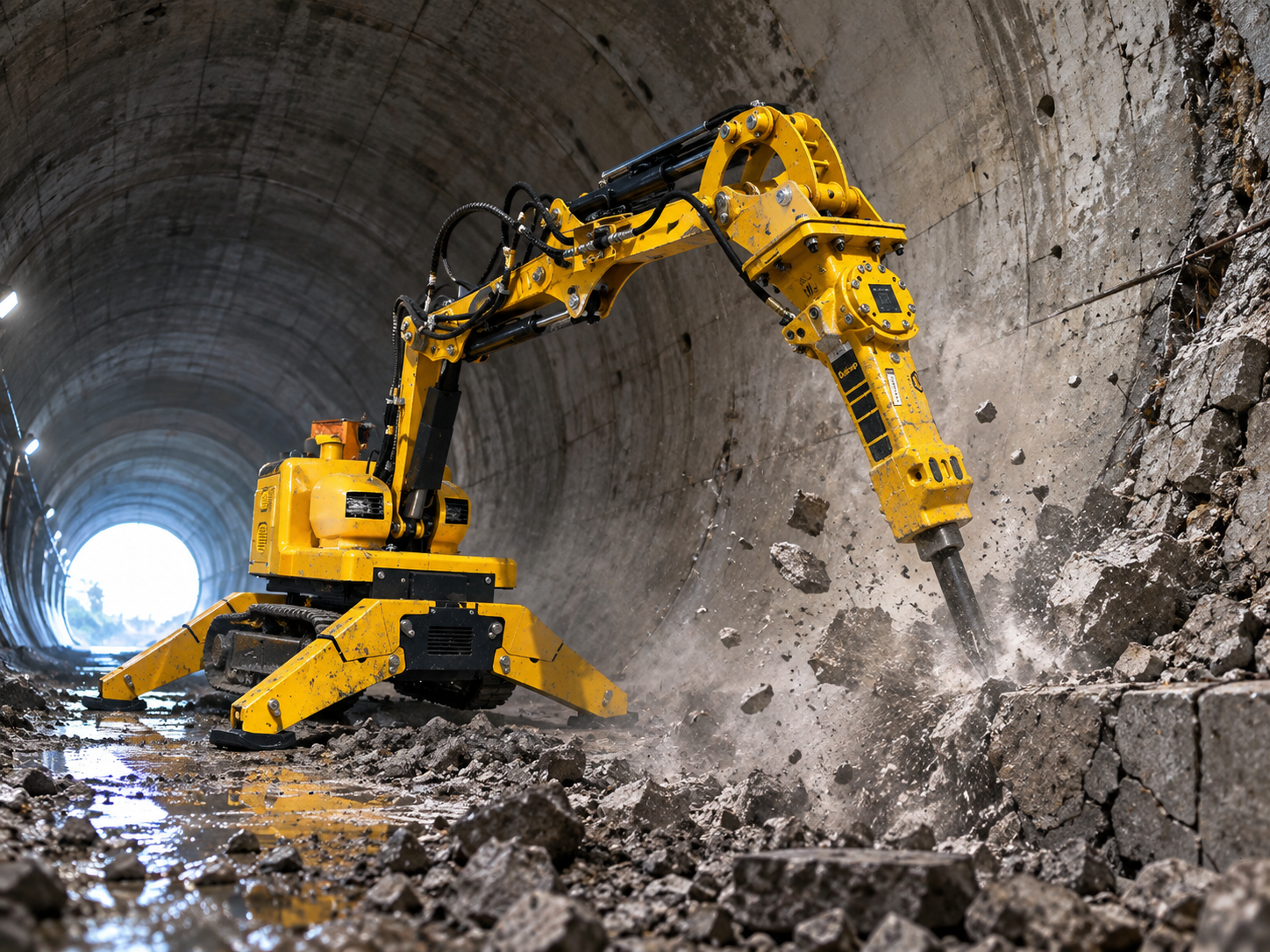
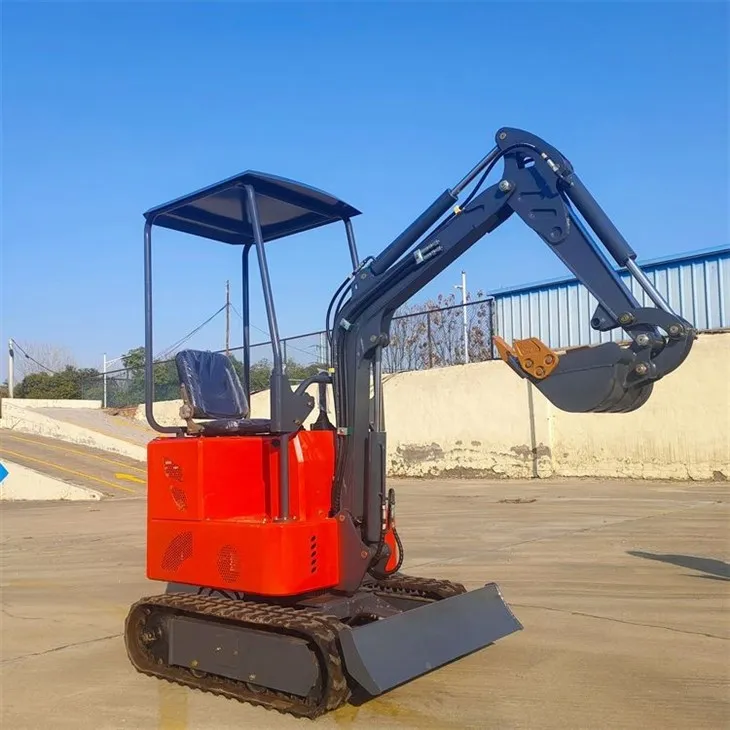
Industrial park construction is a complex and multi – faceted project that involves various types of heavy machinery to ensure efficiency and precision. One question that often arises is whether a 1 – ton mini excavator can be used for such large – scale endeavors. As a supplier of 1 Ton Mini Excavator, I am well – placed to discuss the viability of these compact machines in industrial park construction.
Advantages of 1 – Ton Mini Excavators in Industrial Park Construction
Maneuverability
One of the most significant advantages of a 1 – ton mini excavator is its exceptional maneuverability. Industrial parks are often filled with existing infrastructure, utility lines, and tight spaces. A 1 – ton mini excavator can easily navigate through narrow alleys, around buildings, and in areas where larger excavators cannot reach. For example, when laying underground utility lines in a newly planned industrial park, the mini excavator can dig trenches in confined spaces between buildings without causing damage to adjacent structures. This ability to work in tight quarters reduces the need for extensive site preparation and minimizes disruption to other ongoing construction activities.
Low Ground Pressure
1 – ton mini excavators typically exert low ground pressure. This is crucial in industrial park construction, especially when working on soft or fragile ground. In areas where the soil is not fully compacted or where there are sensitive underground structures, a larger excavator may cause excessive ground settlement or damage. The low ground pressure of a 1 – ton mini excavator allows it to operate on these surfaces without causing significant harm. For instance, when constructing a light – industrial area with a lot of landscaping, the mini excavator can be used to dig holes for trees or install small drainage systems without compacting the soil too much, which is beneficial for future plant growth.
Cost – Effectiveness
From a cost perspective, 1 – ton mini excavators offer significant advantages. They are generally more affordable to purchase or rent compared to larger excavators. For small – to – medium – sized industrial park construction projects, or for tasks that do not require the full power of a large excavator, using a 1 – ton mini excavator can result in substantial cost savings. Additionally, they consume less fuel, which further reduces operating costs over the long term. For example, if a new industrial park has a few small – scale excavation tasks such as creating small ponds or leveling small areas, a 1 – ton mini excavator can complete these jobs at a fraction of the cost of using a larger machine.
Ease of Transportation
Transporting heavy machinery to and from a construction site can be a logistical challenge. 1 – ton mini excavators are relatively lightweight and can be easily transported on a small trailer. This makes them ideal for industrial park construction, where multiple sites within the park may require excavation work. They can be quickly moved from one location to another, reducing downtime and increasing overall productivity. For instance, if there are several building sites within an industrial park, the mini excavator can be easily transported between these sites to perform various excavation tasks.
Limitations of 1 – Ton Mini Excavators in Industrial Park Construction
Limited Digging Depth and Reach
The most obvious limitation of a 1 – ton mini excavator is its limited digging depth and reach. In large – scale industrial park construction, there may be requirements for deep foundation excavation or long – reach trenching. A 1 – ton mini excavator may not be able to meet these demands. For example, when constructing multi – story industrial buildings, the foundation needs to be dug to a significant depth, which may be beyond the capabilities of a 1 – ton mini excavator. In such cases, larger excavators with greater digging depth and reach are required.
Lower Lifting Capacity
Industrial park construction often involves moving heavy materials such as large pipes, pre – cast concrete elements, or heavy equipment. A 1 – ton mini excavator has a relatively low lifting capacity compared to larger excavators. This means that it cannot be used for tasks that require lifting and moving heavy objects. For instance, if there is a need to install large – diameter pipes in a main utility corridor of the industrial park, a 1 – ton mini excavator may not be able to lift these pipes into place, and a larger machine would be necessary.
Power Output
The power output of a 1 – ton mini excavator is generally lower than that of larger excavators. This can be a limitation when dealing with hard or rocky soil conditions. In industrial park construction, there may be areas where the soil is compacted or contains a lot of rock. A 1 – ton mini excavator may struggle to break through this hard material efficiently. For example, when excavating a site for a new industrial warehouse and encountering a layer of hard rock, a larger excavator with more power would be needed to complete the excavation in a timely manner.
Complementary Use with Other Equipment
To overcome the limitations of 1 – ton mini excavators in industrial park construction, they can be used in conjunction with other equipment. For large – scale excavation tasks, larger excavators can be used for the initial heavy – duty work, such as deep foundation digging. Once the large – scale excavation is completed, 1 – ton mini excavators can be brought in for the finishing touches, such as cleaning up the edges of the excavation, digging small trenches for secondary utilities, or working in areas where the larger excavator cannot access.
In addition, other equipment like loaders and backhoes can work in tandem with 1 – ton mini excavators. Loaders can be used to transport the soil or materials dug by the mini excavator, while backhoes can assist in tasks that require more precise digging or lifting in areas where the mini excavator’s capabilities are limited.
Conclusion
In conclusion, a 1 – ton mini excavator can be a valuable asset in industrial park construction, especially for tasks that require maneuverability, low ground pressure, and cost – effectiveness. However, it also has its limitations in terms of digging depth, reach, lifting capacity, and power output. By using 1 – ton mini excavators in combination with other equipment, construction companies can optimize their operations and achieve the best results in industrial park construction.
If you are involved in an industrial park construction project and are considering the use of Excavator Machine Mini Digger or Mini Excavator 1 Ton, I encourage you to reach out to discuss your specific needs. Our team of experts can provide detailed information on how our 1 – ton mini excavators can fit into your construction plans and help you make an informed decision. Whether you need a short – term rental or a long – term purchase, we are here to assist you. Contact us today to start a productive conversation about your procurement needs.
References
Construction Equipment Handbook, 10th Edition.
Industrial Park Development: Best Practices and Case Studies.
Excavation and Earthmoving Technology Journal, Vol. 15, No. 3.