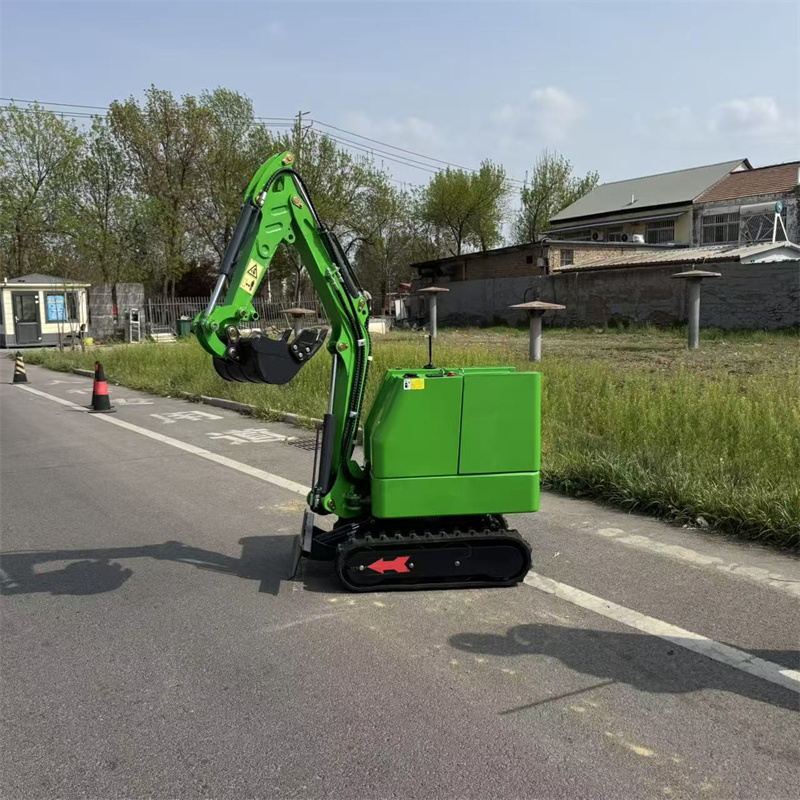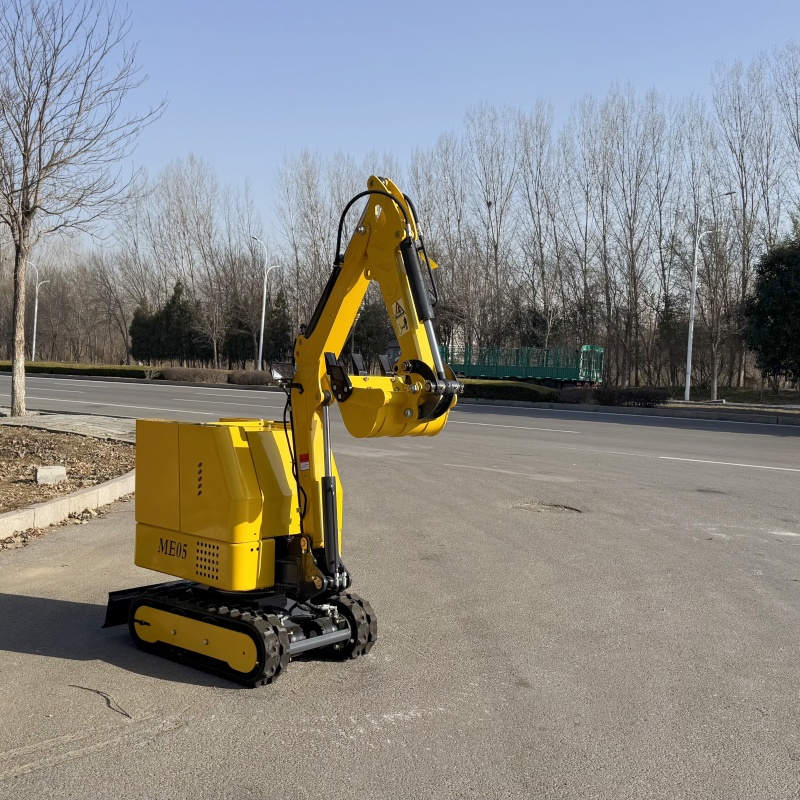
Quarrying small stones is a common operation in the construction and mining industries. The efficiency and cost – effectiveness of this process largely depend on the equipment used. As a supplier of 3.5 – ton mini excavators, I often get asked whether these machines can be used for quarrying small stones. In this blog, I’ll delve into the capabilities of 3.5 – ton mini excavators in the context of small – stone quarrying, examining their advantages, limitations, and practical applications.
Understanding the 3.5 – Ton Mini Excavator
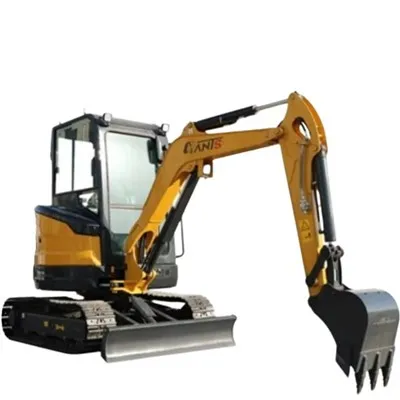
Before discussing its suitability for quarrying small stones, let’s understand what a 3.5 – ton mini excavator is. These machines are compact yet powerful construction equipment. They are designed with a small footprint, which allows them to operate in tight spaces where larger excavators cannot reach. They typically come with a variety of attachments, such as buckets, breakers, and grapples, which can be used for different tasks.
The 3.5 – ton mini excavator has a certain level of digging force and lifting capacity. Its engine power is usually sufficient to handle a range of light – to – medium – duty tasks. For example, it can dig trenches, load materials, and perform site preparation work.
Advantages of Using a 3.5 – Ton Mini Excavator for Quarrying Small Stones
1. Maneuverability
One of the biggest advantages of a 3.5 – ton mini excavator in quarrying small stones is its excellent maneuverability. Quarries can be complex environments with uneven terrain and limited space. The compact size of the mini excavator enables it to move around easily, accessing hard – to – reach areas where small stones may be located. It can navigate through narrow passages between large rocks and work in areas close to the quarry walls without causing damage to the surrounding infrastructure.
2. Cost – Effectiveness
Compared to larger quarrying equipment, a 3.5 – ton mini excavator is relatively inexpensive to purchase and operate. The initial investment is lower, and the fuel consumption is also less. For small – scale quarrying operations or those on a tight budget, a mini excavator can be a cost – effective solution. It allows quarry operators to start or expand their operations without incurring huge capital expenses.
3. Attachment Versatility
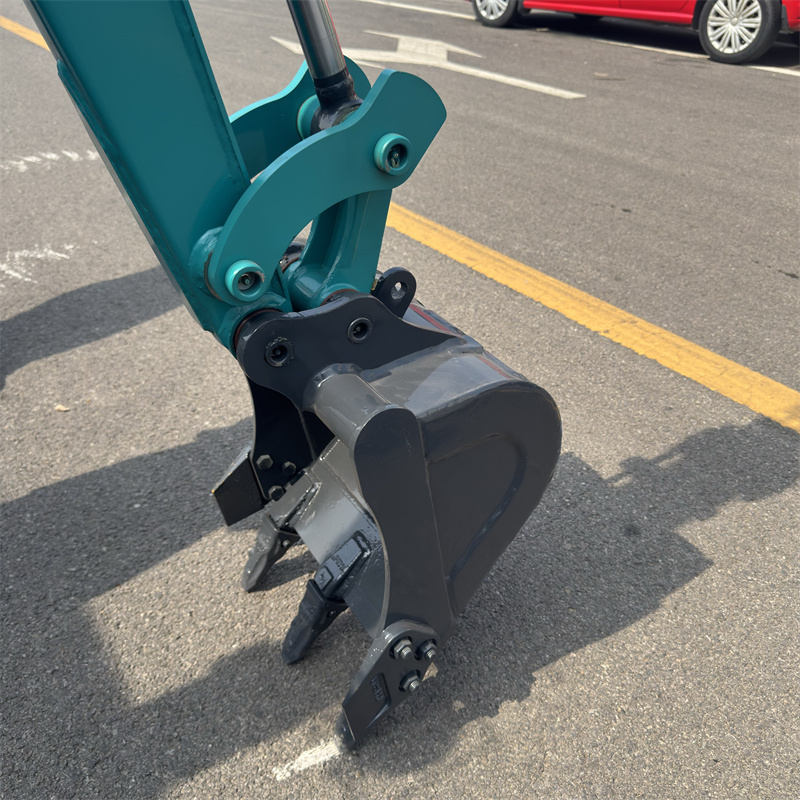
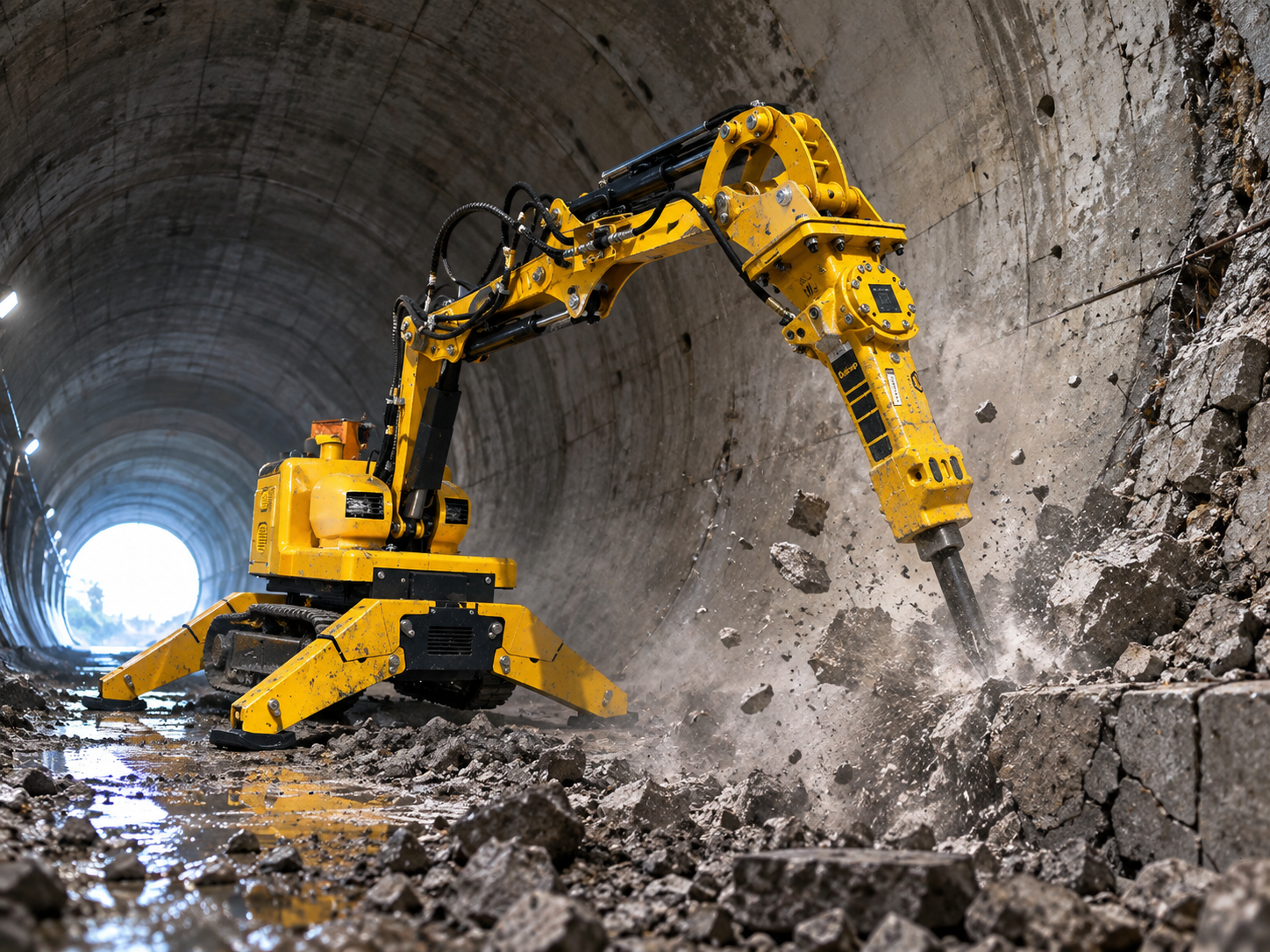
As mentioned earlier, 3.5 – ton mini excavators can be equipped with various attachments. For quarrying small stones, a bucket attachment can be used to scoop up the stones. A breaker attachment can be used to break larger rocks into smaller, more manageable pieces. Grapples can be used to sort and load the stones onto trucks. This versatility makes the mini excavator a multi – purpose tool in the quarrying process.
4. Low Ground Pressure
The tracks of a 3.5 – ton mini excavator distribute its weight evenly, resulting in low ground pressure. This is beneficial in quarrying areas where the ground may be soft or unstable. The low ground pressure reduces the risk of the machine getting stuck and minimizes damage to the quarry floor, which can be important for maintaining the integrity of the quarry site.
Limitations of Using a 3.5 – Ton Mini Excavator for Quarrying Small Stones
1. Limited Digging Depth and Force
Although a 3.5 – ton mini excavator has a certain amount of digging force, it is not as powerful as larger quarrying equipment. In some cases, the stones may be deeply embedded in the ground or may be part of a larger rock formation. The mini excavator may struggle to dig out these stones, especially if they are located at greater depths. Its limited digging depth means that it may not be suitable for large – scale quarrying operations that require deep excavation.
2. Lower Production Capacity
Compared to larger excavators, the production capacity of a 3.5 – ton mini excavator is relatively low. It can only handle a smaller volume of stones per unit of time. For large – scale quarrying projects with high production requirements, multiple mini excavators may be needed, which can increase the overall operating cost and management complexity.
3. Durability in Harsh Quarry Environments
Quarry environments are often harsh, with dust, debris, and rough terrain. The components of a 3.5 – ton mini excavator may be subject to more wear and tear compared to larger, more robust equipment. This means that more frequent maintenance and part replacements may be required, which can add to the operating cost over time.
Practical Applications of 3.5 – Ton Mini Excavators in Small – Stone Quarrying
1. Small – Scale Quarrying
In small – scale quarries where the production volume is relatively low, a 3.5 – ton mini excavator can be an ideal choice. It can be used to extract small stones from the quarry face, load them onto trucks, and perform basic site maintenance. For example, in a local quarry that supplies stones for small construction projects in the area, a mini excavator can handle the daily operations efficiently.
2. Quarry Rehabilitation
When a quarry is being rehabilitated or when there is a need to clean up small – stone remnants, a 3.5 – ton mini excavator can be very useful. It can be used to remove the remaining stones, level the ground, and prepare the site for reclamation. Its maneuverability allows it to work in areas that are difficult to access during the rehabilitation process.
3. Stone Sorting and Loading
A 3.5 – ton mini excavator with a grapple attachment can be used for sorting and loading small stones. It can pick up the stones of different sizes and shapes and place them in the appropriate storage areas or onto trucks. This helps to improve the efficiency of the quarrying process and ensures that the stones are properly sorted for different applications.
Comparison with Other Mini Excavators
In addition to the 3.5 – ton mini excavator, there are other mini excavators in the market, such as the 2 Ton Mini Excavator and the 2.5 Ton Mini Excavator. The 2 – ton and 2.5 – ton mini excavators are even more compact and have lower power. They are suitable for even smaller – scale operations or tasks that require less digging force. For example, they may be used for landscaping projects near quarries or for very light – duty stone extraction.
On the other hand, the 2.5T Electric Crawler Digger offers an environmentally friendly option. It produces less noise and emissions, which can be an advantage in quarries located near residential areas or in environmentally sensitive regions. However, its power may be limited compared to the 3.5 – ton diesel – powered mini excavator, especially for more demanding quarrying tasks.
Conclusion
In conclusion, a 3.5 – ton mini excavator can be used for quarrying small stones, especially in small – scale operations or for specific tasks within a quarry. Its maneuverability, cost – effectiveness, and attachment versatility make it a viable option. However, it also has limitations in terms of digging force, production capacity, and durability. Quarry operators need to carefully assess their specific requirements, such as the size of the quarry, the volume of stone production, and the nature of the quarry environment, before deciding whether a 3.5 – ton mini excavator is the right choice for their quarrying needs.
If you are considering using a 3.5 – ton mini excavator for your quarrying operations or have any questions about our products, we encourage you to reach out to us for further discussion. We can provide detailed product information, technical support, and help you make an informed decision.
References
Construction Equipment Handbook, various editions
Quarrying Industry Journal articles on small – scale equipment usage
Manufacturer’s specifications for 3.5 – ton mini excavators