Can a Demolition Robot be used for hospital building demolition?
As a supplier of demolition robots, I am often asked about the versatility and applicability of our machines in various scenarios. One question that has come up more frequently lately is whether a demolition robot can be used for hospital building demolition. This is a complex and important topic that requires careful consideration of multiple factors, including safety, efficiency, and the specific requirements of hospital demolition projects. In this blog post, I will explore this question in detail and provide insights based on our experience in the industry.
Understanding the Capabilities of Demolition Robots
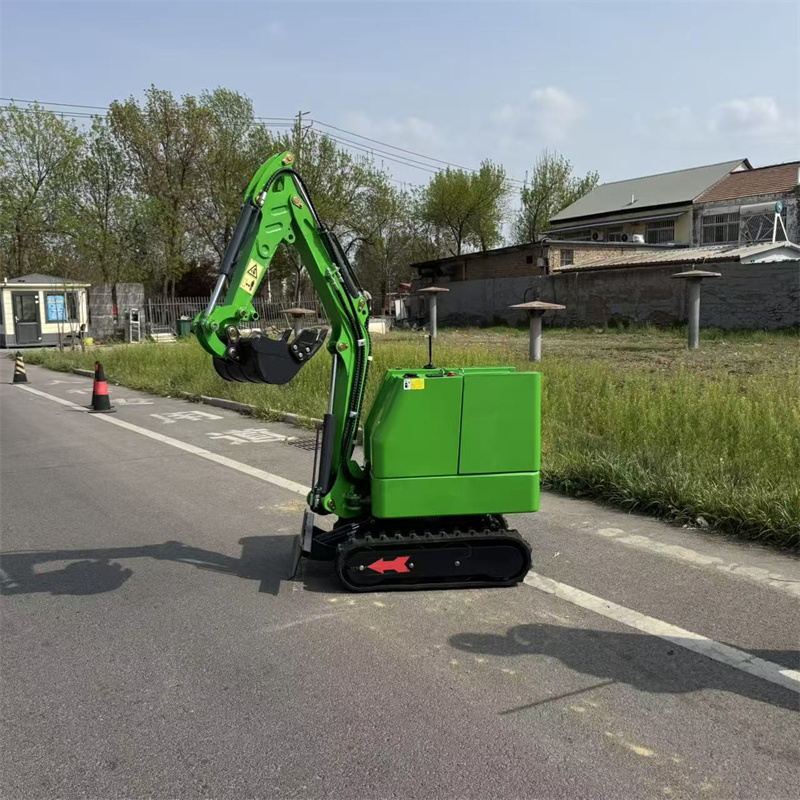
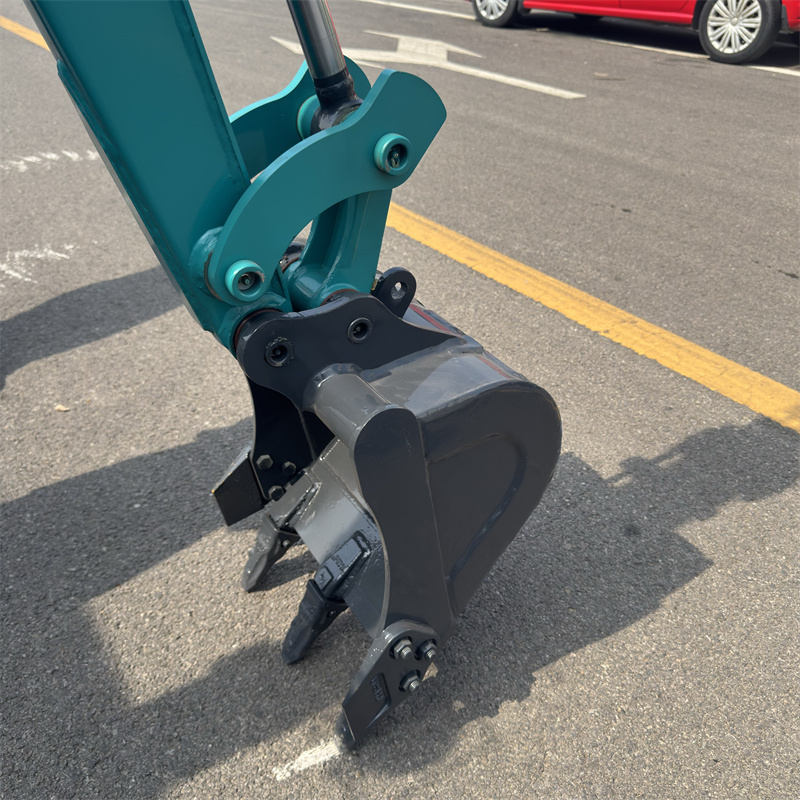
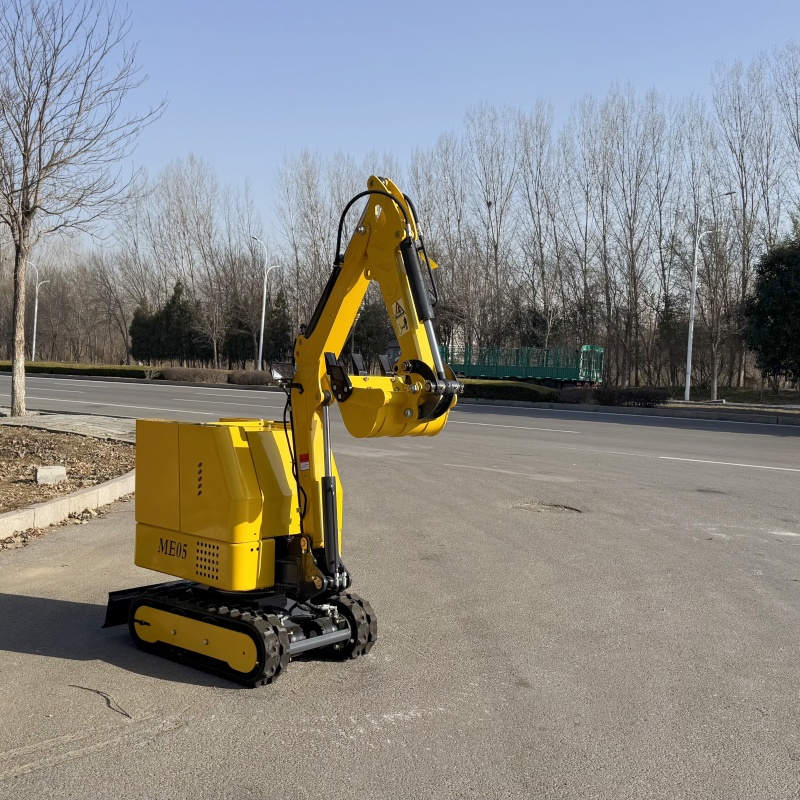
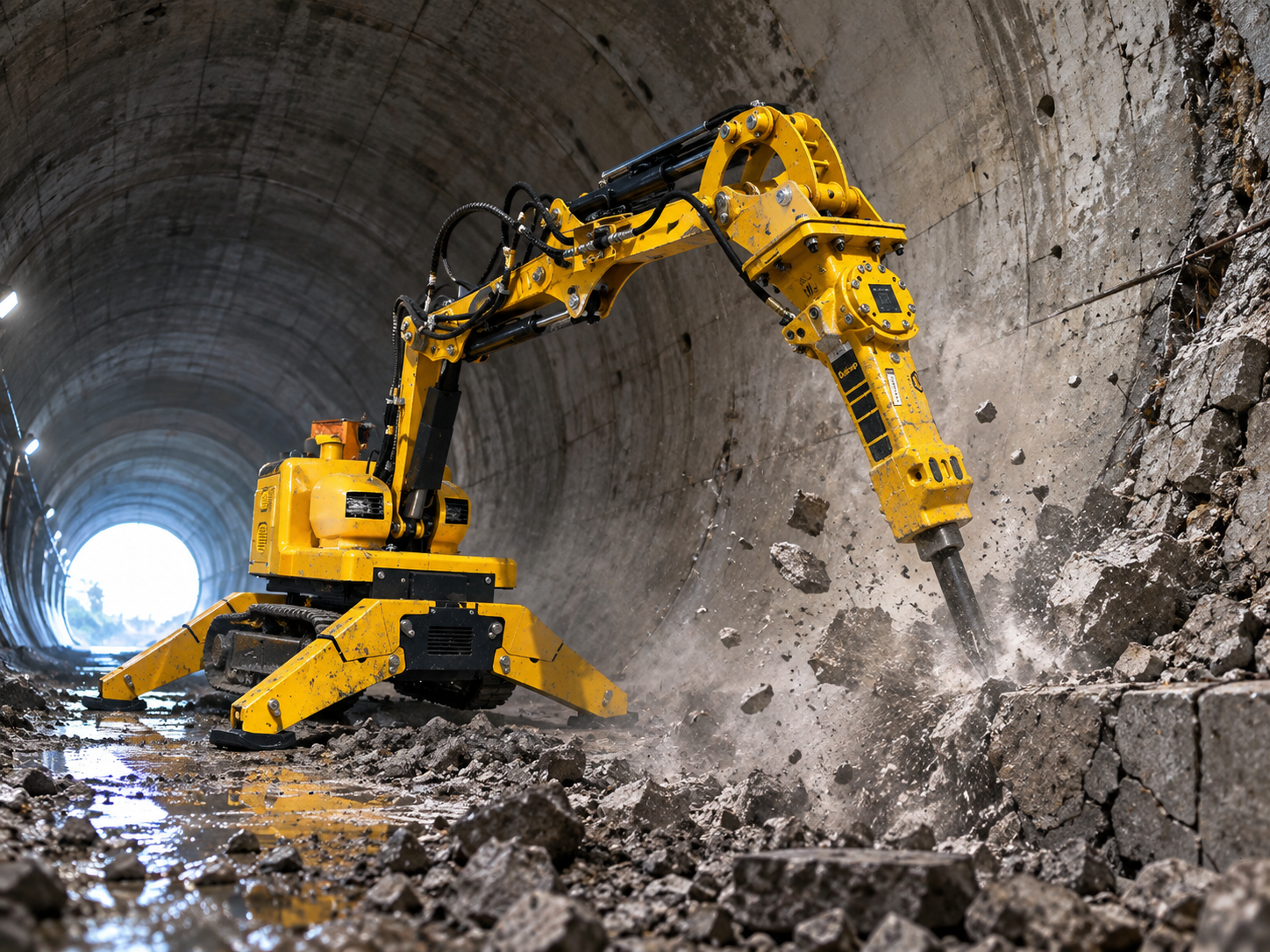
First, let’s start by understanding what demolition robots are and what they can do. Demolition robots are remotely – controlled machines designed for various demolition tasks. They come in different sizes and configurations, each with its own set of features and capabilities. Our Demolition Robot is equipped with powerful hydraulic attachments such as breakers, crushers, and shearers, which enable it to break through a variety of materials, including concrete, brick, and steel.
These robots offer several advantages over traditional demolition methods. They are highly maneuverable, allowing them to access tight spaces and work in areas with limited access. This is particularly useful in hospital buildings, which often have complex layouts with narrow corridors and confined rooms. Additionally, demolition robots can be operated remotely, which significantly reduces the risk of injury to workers.
Safety Considerations in Hospital Demolition
Safety is the top priority in any hospital demolition project. Hospitals contain sensitive equipment, hazardous materials, and may have patients or medical staff in the vicinity during the demolition process. When using a demolition robot, it offers enhanced safety features. Since the operator can control the robot from a safe distance, the risk of being exposed to dust, debris, or structural collapse is minimized.
However, it is crucial to conduct a thorough risk assessment before using a demolition robot in a hospital. This includes identifying potential hazards such as asbestos, lead, and other toxic materials that may be present in the building. Special precautions must be taken to ensure that the demolition process does not release these hazardous substances into the environment. Moreover, the presence of sensitive medical equipment in the surrounding areas must be considered. The vibrations and noise generated by the demolition robot should be kept within acceptable limits to prevent damage to the equipment.
Efficiency and Productivity
Another important aspect is the efficiency and productivity of using a demolition robot in hospital demolition. Traditional demolition methods often involve manual labor, which can be time – consuming and physically demanding. In contrast, demolition robots can perform tasks more quickly and with greater precision.
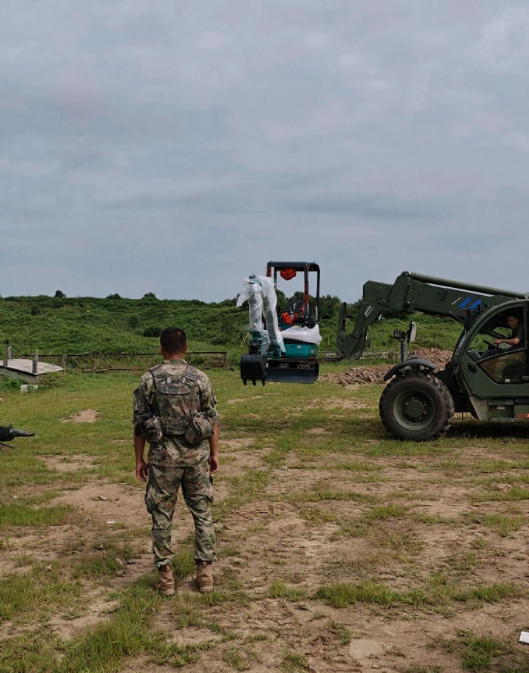
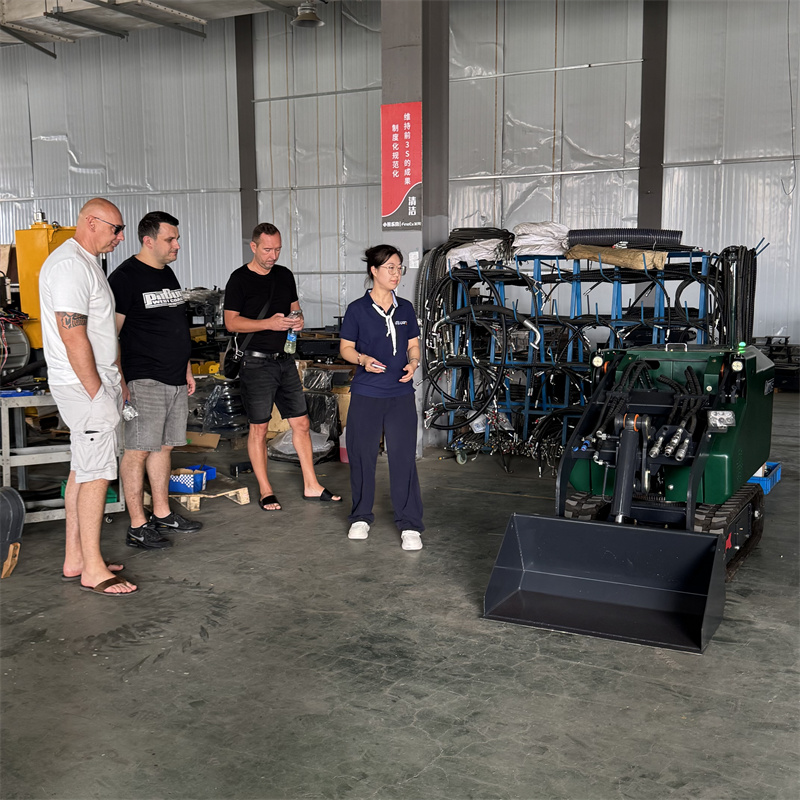
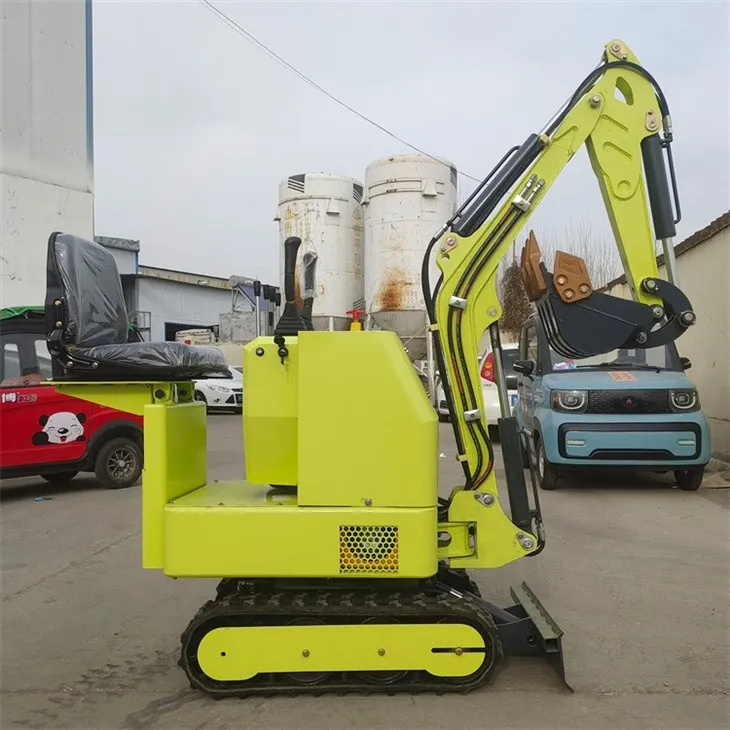
For example, our Mini Miner Rc Excavator, a type of compact demolition robot, is ideal for small – scale demolition tasks within the hospital building. It can easily navigate through narrow spaces and perform tasks such as breaking up small concrete structures or removing partitions. The Rc Mining Excavator is more suitable for larger – scale demolition, capable of handling heavier loads and breaking larger concrete sections.
The remote – control feature of these robots also allows for continuous operation, reducing downtime and increasing overall productivity. Operators can take breaks without stopping the machine, and multiple robots can be coordinated simultaneously to expedite the demolition process.
Special Requirements in Hospital Demolition
Hospitals have unique requirements that must be met during the demolition process. For instance, the disruption to the ongoing medical services should be minimized. Demolition robots can be programmed to work during non – peak hours or in specific areas of the hospital to reduce noise and vibration interference.
In addition, strict environmental regulations apply to hospital demolition. The waste generated during the demolition process, such as concrete fragments, medical waste, and other debris, must be properly managed and disposed of. Demolition robots can be equipped with specialized attachments for sorting and collecting debris, which helps in the proper segregation and disposal of waste.
Case Studies: Successful Hospital Demolition with Demolition Robots
There have been several successful cases of using demolition robots in hospital building demolition. In one project, a large – scale hospital building was being renovated, and parts of the old building needed to be demolished. By using our demolition robots, the demolition team was able to work efficiently while minimizing the impact on the operating sections of the hospital.
The robots were able to reach areas that were difficult to access with traditional equipment, such as the upper floors of a narrow – winged building. The remote – control operation ensured the safety of the workers, and the precise control of the robots allowed for selective demolition, preserving adjacent structures that were to be retained.
Challenges and Limitations
Despite the many advantages, there are also some challenges and limitations when using demolition robots for hospital building demolition. One of the main challenges is the high initial cost of purchasing and maintaining the robots. However, when considering the long – term benefits in terms of safety, efficiency, and reduced liability, the investment can be justified.
Another limitation is the complexity of the programming and operation of the robots. Skilled operators are required to ensure that the robots are used effectively and safely. Training programs need to be in place to equip operators with the necessary skills and knowledge.
Conclusion
In conclusion, a demolition robot can indeed be used for hospital building demolition. It offers significant advantages in terms of safety, efficiency, and the ability to meet the special requirements of hospital projects. However, careful planning, risk assessment, and proper training are essential to ensure a successful demolition process.
If you are involved in a hospital demolition project or any other demolition project and are considering the use of demolition robots, I encourage you to contact us for a detailed discussion. Our team of experts can provide you with the latest information on our products, assess your specific needs, and offer customized solutions. Let’s work together to make your demolition project a safe and efficient one.
References
Brown, J. (2020). “Advanced Demolition Technologies and Their Applications in Healthcare Facilities.” Journal of Construction Technology.
Smith, A. (2019). “Safety Considerations in Hospital Demolition Projects.” Construction Safety Review.