Can a Demolition Robot be used for water tower demolition?
In the realm of industrial and construction – related activities, the demolition of structures is a critical task that requires precision, safety, and efficiency. One of the more complex demolition projects is that of water towers. These large, often imposing structures serve crucial water – storage functions in communities, but when their useful life comes to an end or they need to be replaced, the question arises: Can a Demolition Robot be used for water tower demolition? As a supplier of Demolition Robots, I am well – positioned to explore this topic in detail.
Understanding Demolition Robots
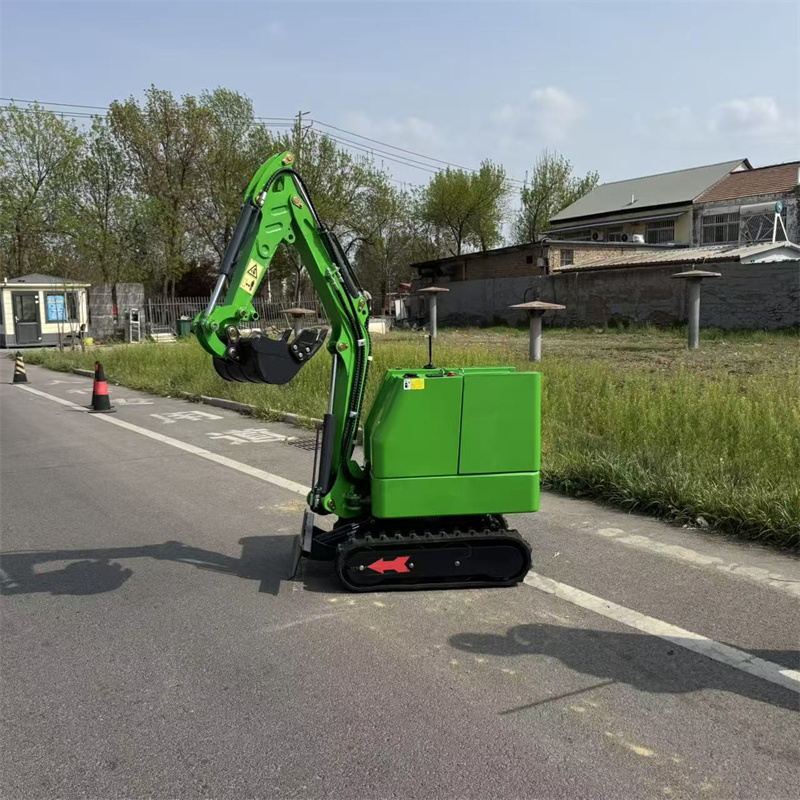
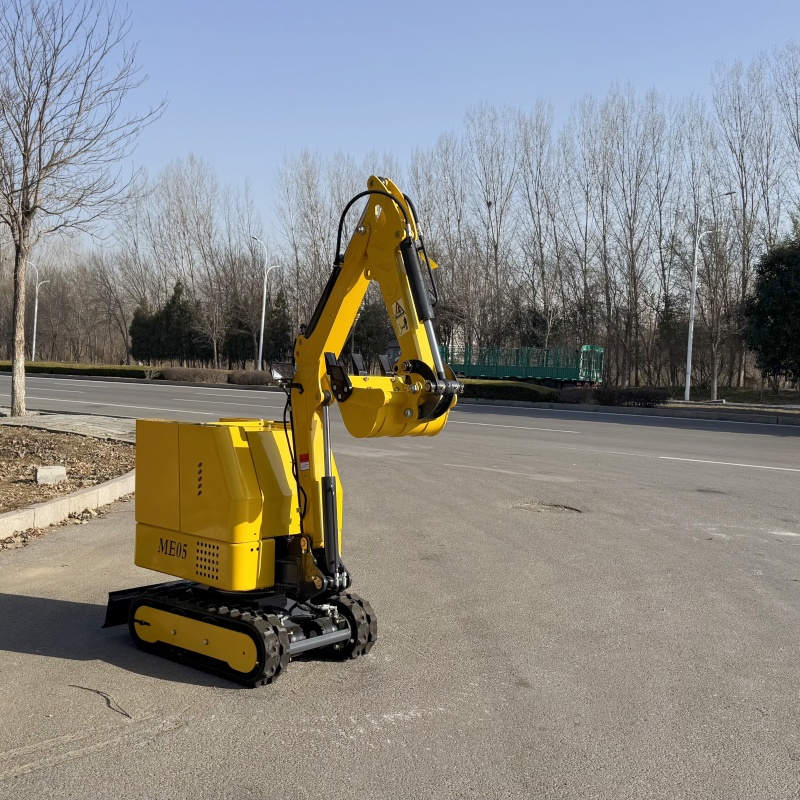
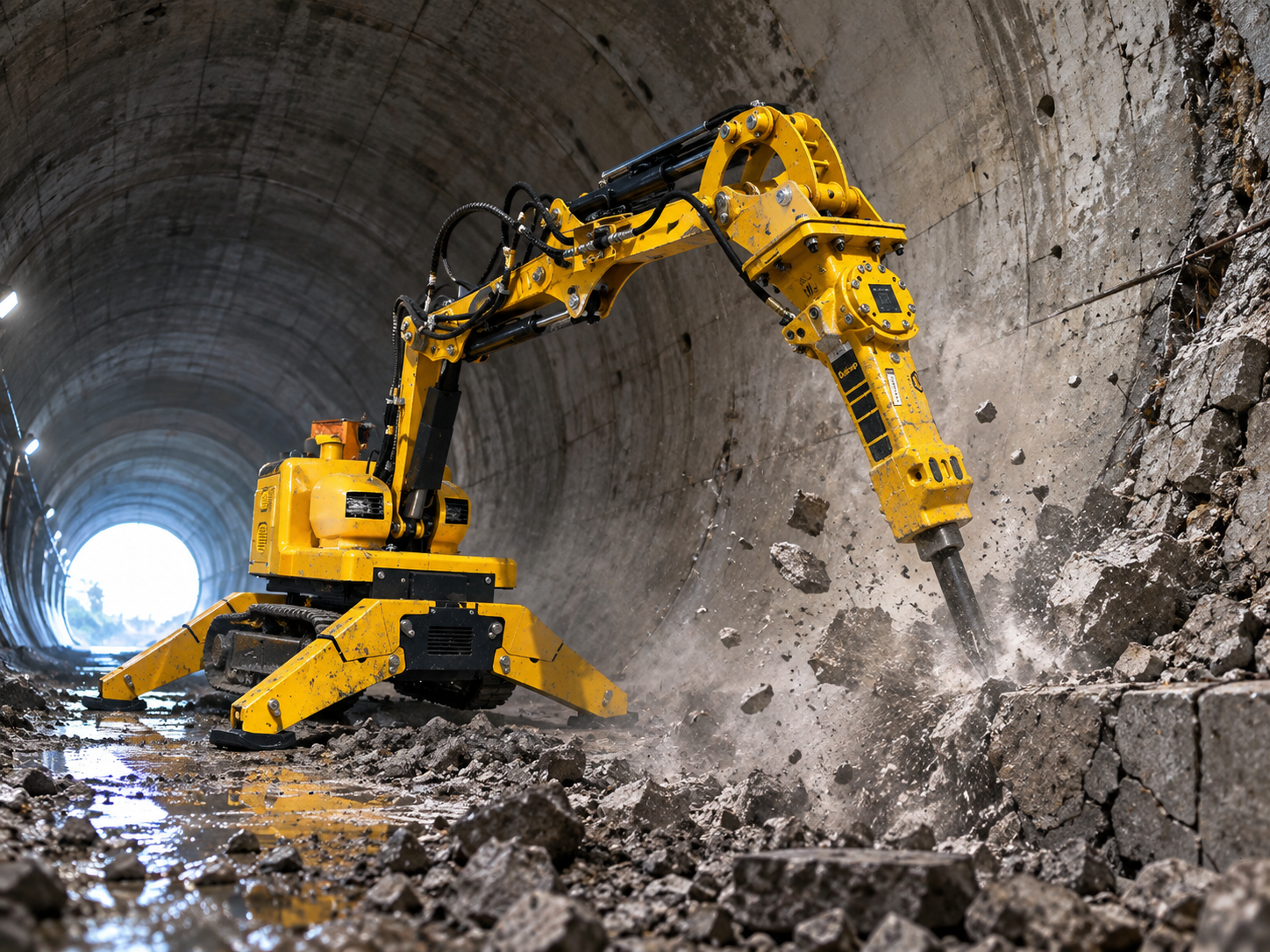
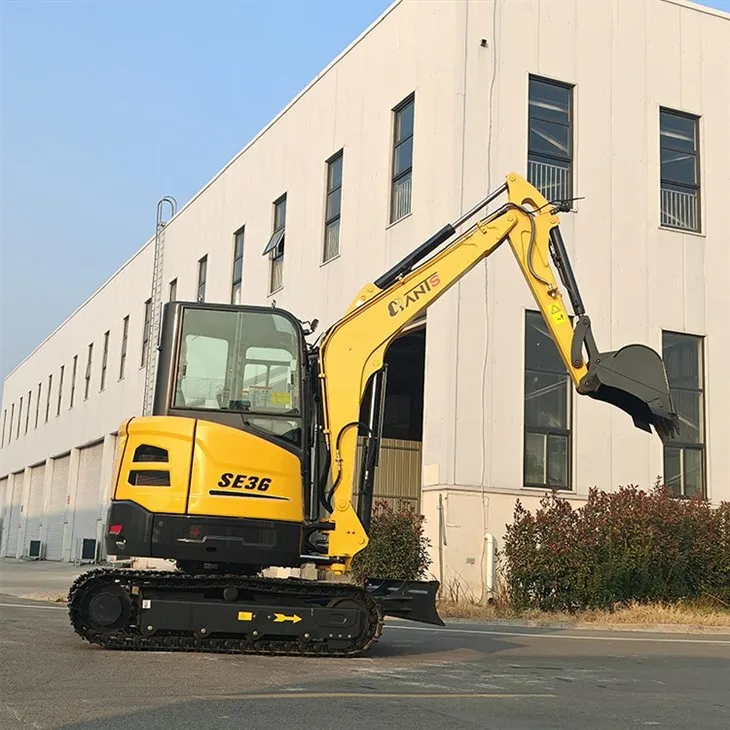
Demolition robots are specialized pieces of equipment designed to carry out demolition tasks in a controlled and efficient manner. They come in various sizes and configurations, each tailored to specific demolition requirements. For instance, the Rc Hydraulic Engineering Excavator and Unmanned Mini Excavator are two types of machines that fall under the broader category of demolition robots. These robots are remotely operated, which means that operators can stay at a safe distance while the robot performs the demolition work. This feature significantly enhances safety, especially in hazardous environments.
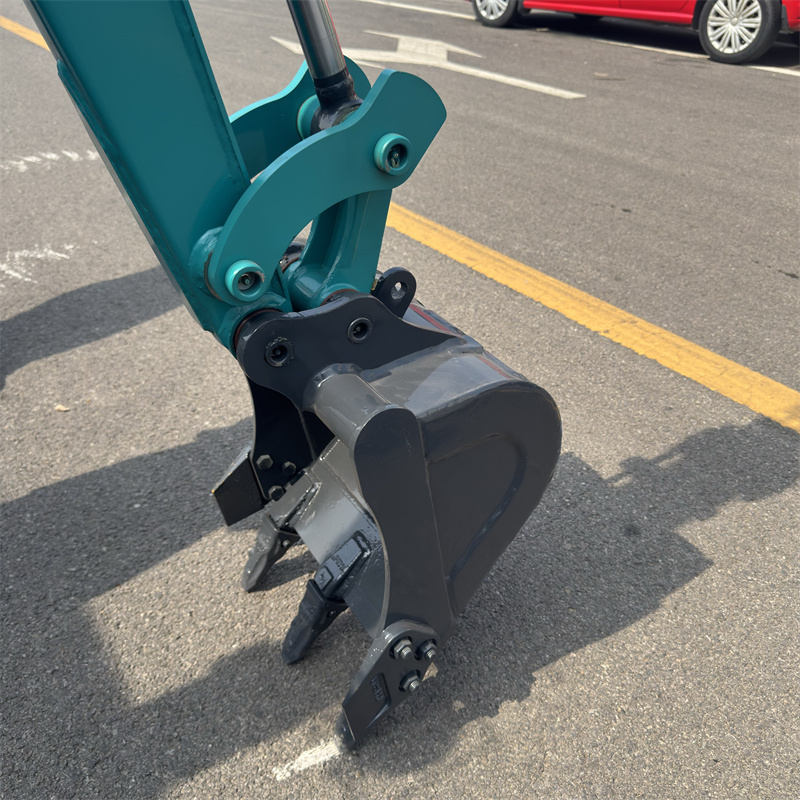
The key components of a demolition robot typically include a hydraulic system, a powerful arm with various attachments (such as breakers, crushers, or shears), and a stable base. The hydraulic system provides the force needed to operate the arm and its attachments, allowing the robot to break through concrete, steel, and other materials commonly found in water towers.
Advantages of Using Demolition Robots for Water Tower Demolition
Safety
Safety is perhaps the most significant advantage of using a demolition robot for water tower demolition. Water towers are tall structures, and traditional demolition methods often involve workers being in close proximity to the structure during the demolition process. This exposes them to risks such as falling debris, structural collapse, and the potential for electrocution if there are electrical components nearby. With a demolition robot, the operator can control the machine from a safe location, reducing the risk of injury or fatality.
Precision
Demolition robots offer a high degree of precision. They can be programmed to target specific areas of the water tower, such as the base or certain sections of the structure. This precision is crucial in water tower demolition, as it allows for a more controlled collapse. For example, if the water tower is located in a densely populated area or near other important structures, precise demolition can prevent damage to surrounding buildings and infrastructure.
Accessibility
Many water towers are located in areas that are difficult to access, such as on top of hills or in confined spaces. Demolition robots are relatively compact and can be easily maneuvered into these hard – to – reach areas. Their small size also means that they can be transported more easily than large, traditional demolition equipment.
Environmental Impact
Compared to some traditional demolition methods, such as using explosives, demolition robots have a lower environmental impact. They produce less dust and noise pollution, which is beneficial for the surrounding community. Additionally, the controlled nature of the demolition process means that there is less risk of debris being scattered over a wide area.
Challenges of Using Demolition Robots for Water Tower Demolition
Structural Complexity
Water towers are complex structures with unique design features. They often have reinforced concrete walls, steel supports, and a large water – storage tank. The combination of these materials and the structure’s height and shape can pose challenges for demolition robots. For example, the thick concrete walls may require more powerful attachments or multiple passes of the robot’s arm to break through.
Weight and Stability
Water towers are heavy structures, and the demolition process can cause significant stress on the robot. Ensuring the stability of the demolition robot during the demolition is crucial to prevent it from tipping over. Special considerations need to be taken, such as using appropriate counterweights and ensuring that the robot is properly positioned on a stable surface.
Cost
The initial cost of purchasing or renting a demolition robot can be relatively high. Additionally, there are costs associated with training operators, maintaining the equipment, and replacing worn – out attachments. However, when considering the long – term benefits in terms of safety, precision, and reduced liability, the cost may be justified.
Case Studies
There have been several successful cases of using demolition robots for water tower demolition. One such case involved a water tower located in an urban area. The traditional demolition methods were not feasible due to the proximity of neighboring buildings and the high population density. A demolition robot was used to carefully break down the water tower from the top down. The operator was able to control the robot’s movements with great precision, ensuring that the debris fell within a designated area and did not cause any damage to the surrounding properties.
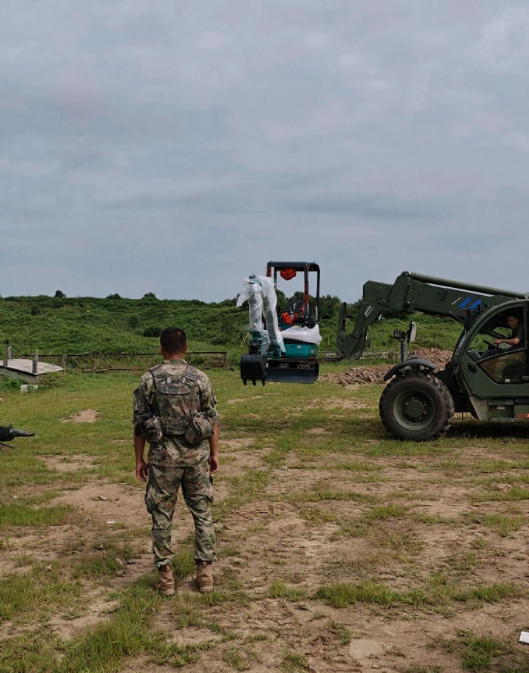
Another case involved a water tower in a remote location. The difficult terrain made it challenging to transport large demolition equipment to the site. A compact demolition robot was used instead, which could be easily transported by a small vehicle. The robot was able to access the water tower and perform the demolition work efficiently, despite the difficult working conditions.
Technical Considerations for Water Tower Demolition with Demolition Robots
Attachment Selection
Choosing the right attachment for the demolition robot is crucial. For water tower demolition, a hydraulic breaker is often the most commonly used attachment. It is designed to break through concrete and can be adjusted to different levels of force depending on the thickness and strength of the concrete in the water tower. Crushers and shears may also be used for demolishing steel components, such as the support structures or the water tank.
Robot Positioning
Proper positioning of the demolition robot is essential for a successful water tower demolition. The robot should be placed on a stable surface that can support its weight and the forces generated during the demolition process. Additionally, the position of the robot relative to the water tower should allow for maximum reach and visibility of the area being demolished.
Structural Analysis
Before starting the demolition, a thorough structural analysis of the water tower should be conducted. This analysis will help determine the best approach for the demolition, including the order in which different sections of the structure should be demolished. It will also identify any potential weak points or areas of concern that need to be addressed during the demolition process.
Conclusion
In conclusion, a demolition robot can indeed be used for water tower demolition. The advantages of using a demolition robot, such as safety, precision, accessibility, and reduced environmental impact, outweigh the challenges in many cases. While there are technical considerations and challenges to overcome, with proper planning, equipment selection, and operator training, a demolition robot can provide an effective and efficient solution for water tower demolition.
If you are considering a water tower demolition project or any other demolition project, I encourage you to explore the use of a Demolition Robot. Our company offers a wide range of demolition robots and related services. We have the expertise and experience to help you select the right equipment for your project and ensure a successful demolition. If you have any questions or would like to discuss your project in more detail, please feel free to contact us for a consultation. We look forward to working with you to achieve your demolition goals.
References
“Demolition Robotics: Technology and Applications” – A technical report on the latest advancements in demolition robot technology.
“Safety Guidelines for Water Tower Demolition” – Published by a leading industry safety organization, providing best practices for water tower demolition.
Case studies from various construction and demolition companies that have used demolition robots for water tower demolition.