Can a mini excavator be used for digging in a construction site with limited access?
As a supplier of Mini Excavator Digging, I’ve been frequently asked whether a mini excavator is suitable for construction sites with limited access. In this blog, I’ll delve into this question, exploring the capabilities, advantages, and considerations of using a mini excavator in such challenging environments.
Understanding Mini Excavators
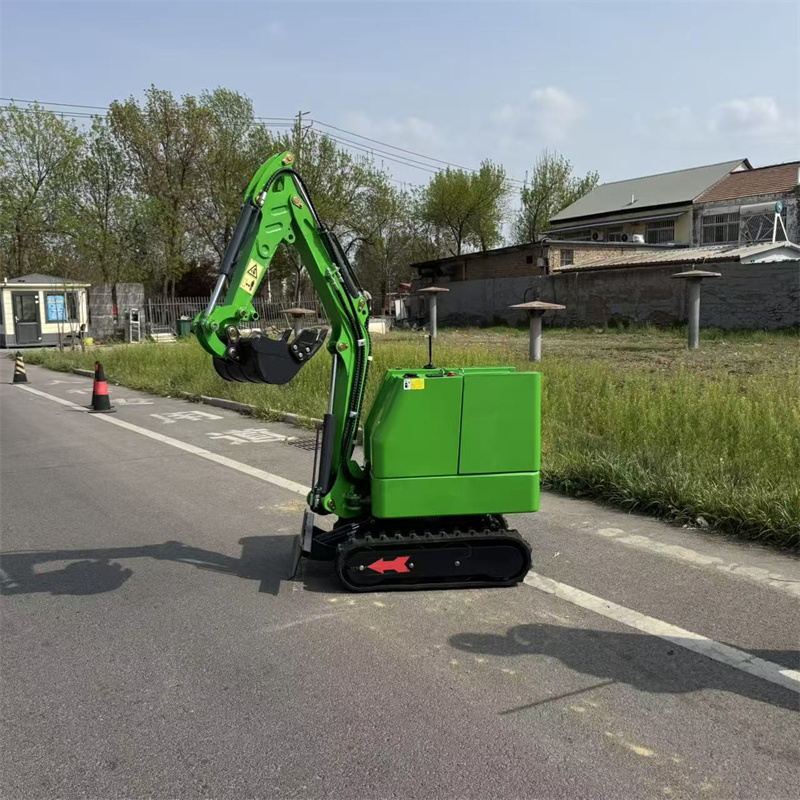
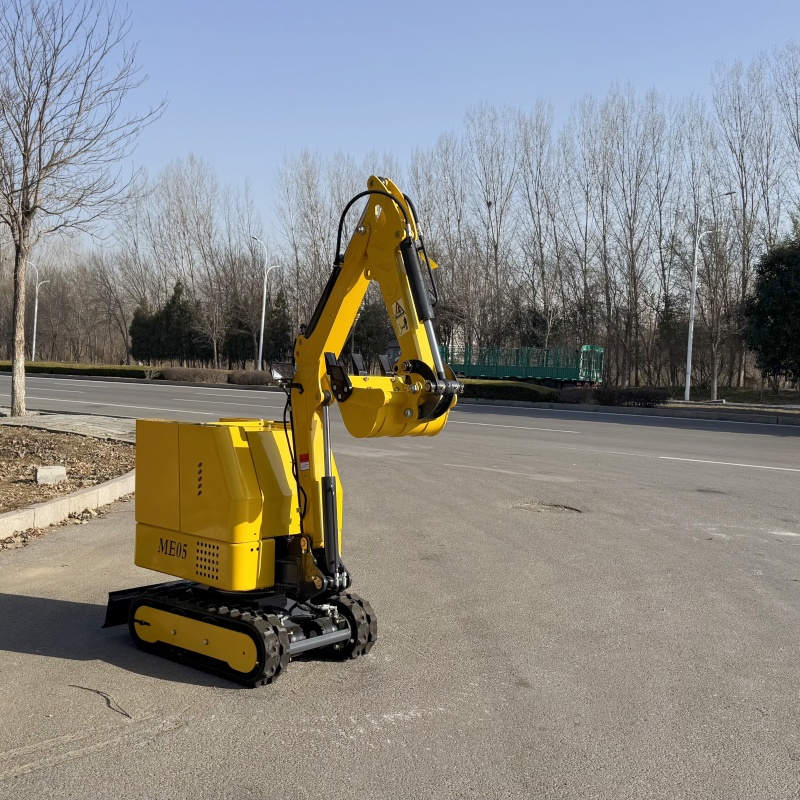
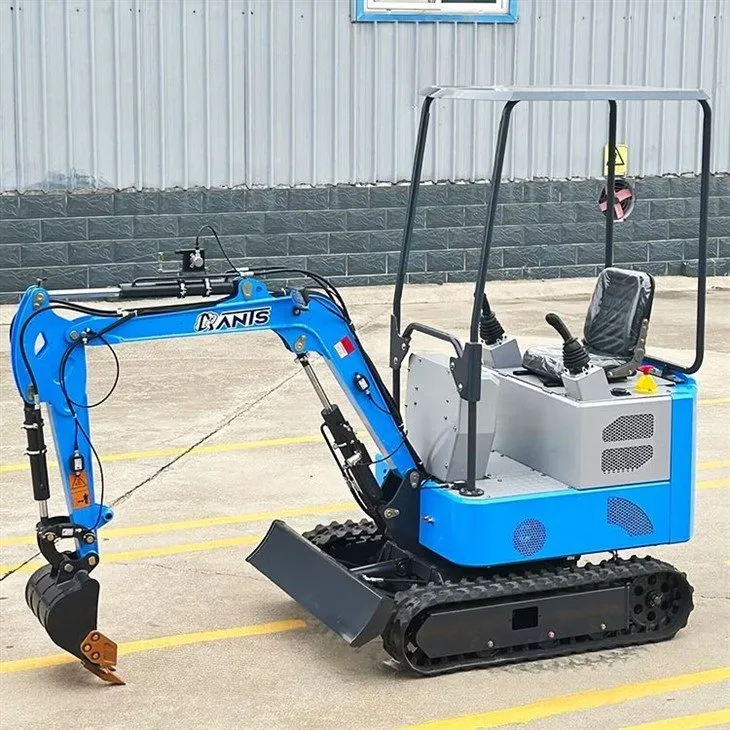
Mini excavators, also known as compact excavators, are smaller versions of traditional excavators. They typically weigh between 0.8 and 8 tons, with the most common models falling in the 1 – 3 ton range. These machines are designed to offer high maneuverability and versatility, making them ideal for a variety of tasks, especially in confined spaces.
One of the key features of mini excavators is their compact size. They have a narrow profile and a short tail swing, which allows them to operate in areas where larger excavators simply cannot fit. For example, in urban construction sites where space is limited by existing buildings, roads, or other structures, a mini excavator can navigate through tight alleys and work in close proximity to obstacles without causing damage.
Another advantage of mini excavators is their ease of transportation. They can be easily loaded onto a trailer and transported to different job sites, which is particularly useful for contractors who need to move their equipment frequently. This mobility also means that they can be quickly deployed to sites with limited access, reducing downtime and increasing productivity.
Digging in Construction Sites with Limited Access
When it comes to digging in construction sites with limited access, mini excavators have several advantages. Firstly, their small size allows them to access areas that are difficult or impossible for larger machines to reach. For instance, in a backyard renovation project where the only access is through a narrow gate, a mini excavator can be easily maneuvered into the yard to dig foundations, trenches, or install underground utilities.
Secondly, mini excavators are highly maneuverable. They can turn on a dime and operate in tight spaces, which is essential for working in confined areas. This maneuverability allows operators to work more efficiently and precisely, reducing the risk of damage to surrounding structures or utilities.
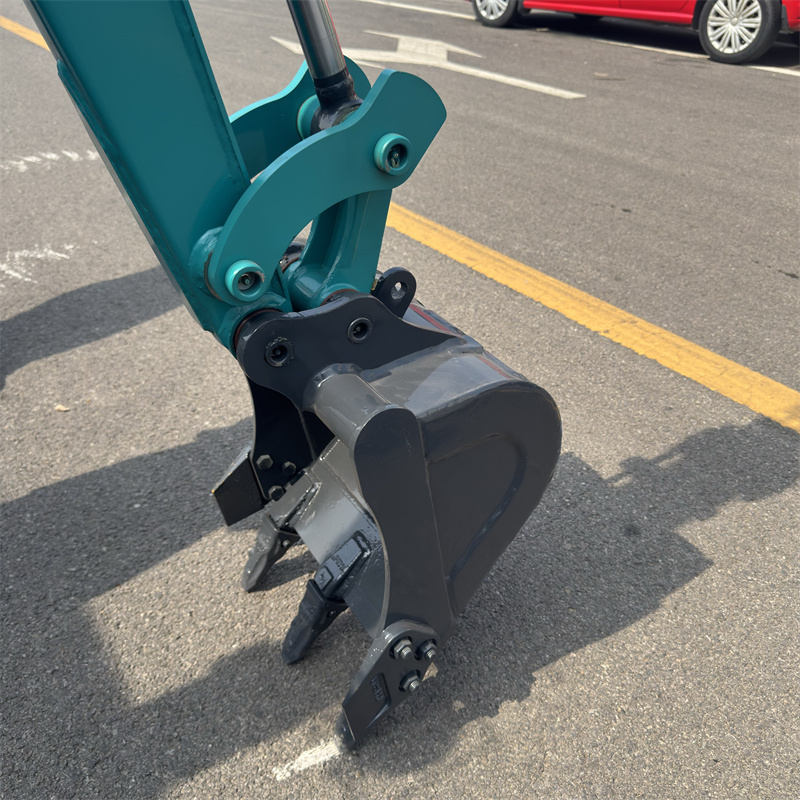
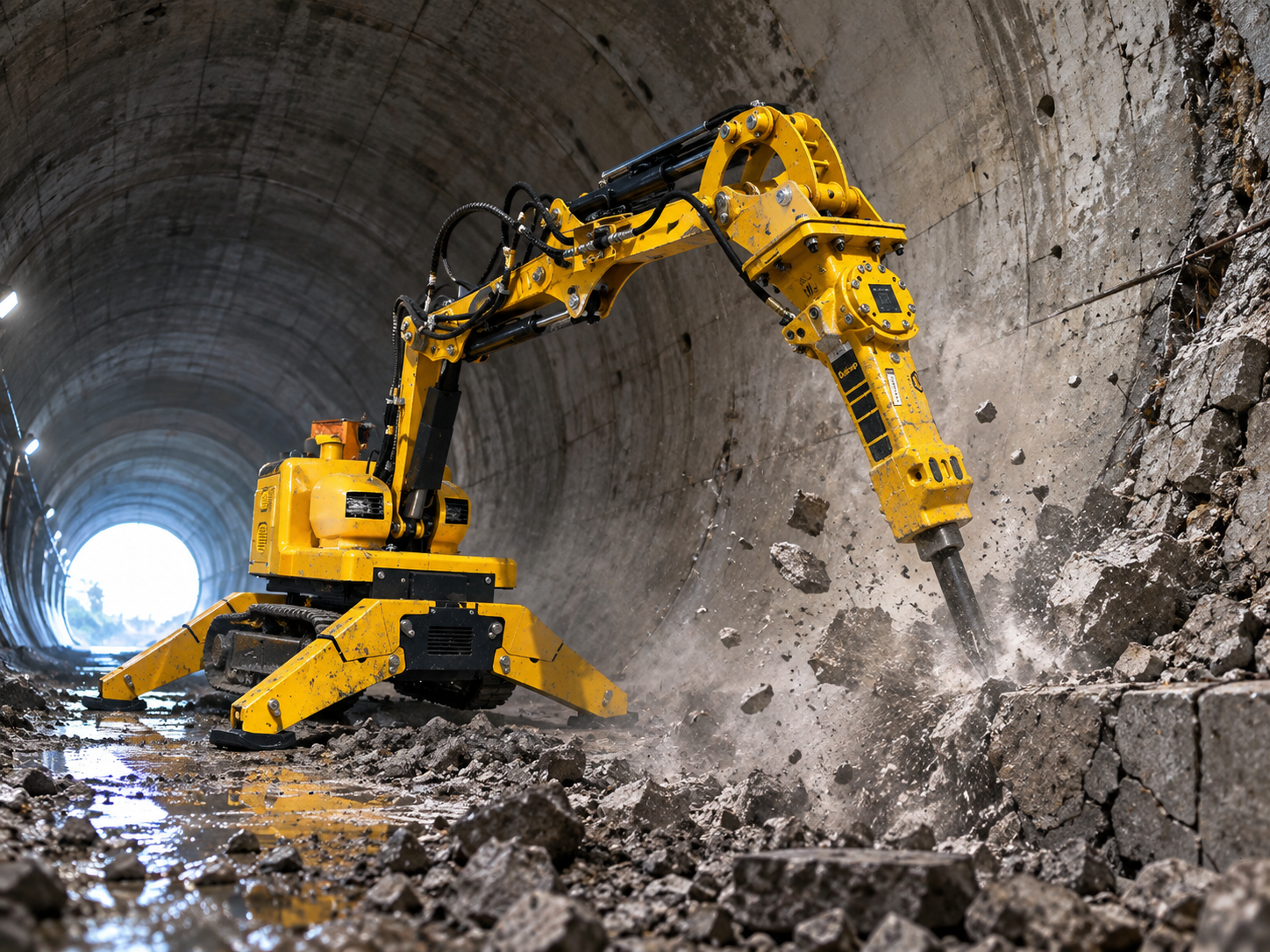
In addition, mini excavators are equipped with a variety of attachments that can be used for different digging tasks. For example, a bucket attachment can be used for general digging and loading, while a hydraulic breaker attachment can be used for breaking up concrete or rock. These attachments can be easily swapped out, allowing the mini excavator to adapt to different job requirements.
Specific Models for Limited Access Sites
We offer several models of mini excavators that are particularly well-suited for construction sites with limited access. One such model is the 1.5ton Mini Crawler Excavator. This excavator has a compact design and a low ground pressure, which makes it ideal for working on soft or sensitive surfaces. It also has a short tail swing, which allows it to operate in tight spaces without hitting obstacles.
Another model is the Lithium Battery Excavator 1.5 Ton. This excavator is powered by a lithium battery, which offers several advantages over traditional diesel engines. It is quieter, more environmentally friendly, and has a longer operating time. It also has a compact design, which makes it suitable for working in confined spaces.
For home use or small-scale construction projects, we recommend the Home Use Mini Excavator with Rubber Track. This excavator has a rubber track, which provides better traction and reduces damage to the ground. It also has a small size and a simple operation, which makes it easy for homeowners to use.
Considerations When Using a Mini Excavator in Limited Access Sites
While mini excavators offer many advantages for digging in construction sites with limited access, there are also some considerations that need to be taken into account. Firstly, the operator needs to be properly trained and experienced in operating a mini excavator. This is especially important in confined spaces, where a small mistake can have serious consequences.
Secondly, the site needs to be properly prepared before the mini excavator is brought in. This includes clearing the area of any obstacles, marking the location of underground utilities, and ensuring that the ground is stable and level.
In addition, the mini excavator needs to be properly maintained to ensure its safe and efficient operation. This includes regular inspections, lubrication, and replacement of worn parts.
Conclusion
In conclusion, a mini excavator can be an excellent choice for digging in construction sites with limited access. Its compact size, high maneuverability, and versatility make it well-suited for working in confined spaces. However, it is important to choose the right model for the job, ensure that the operator is properly trained, and take the necessary precautions to ensure the safety and efficiency of the operation.
If you are interested in purchasing a mini excavator for your construction project, please feel free to contact us. We have a wide range of models to choose from, and our experienced sales team can help you select the right machine for your specific needs. We look forward to working with you and helping you achieve your construction goals.
References
“Compact Excavators: A Guide to Selection and Operation.” Construction Equipment Guide.
“Mini Excavator Basics: Everything You Need to Know.” Equipment World.
“Benefits of Using a Mini Excavator in Tight Spaces.” Construction Junkie.