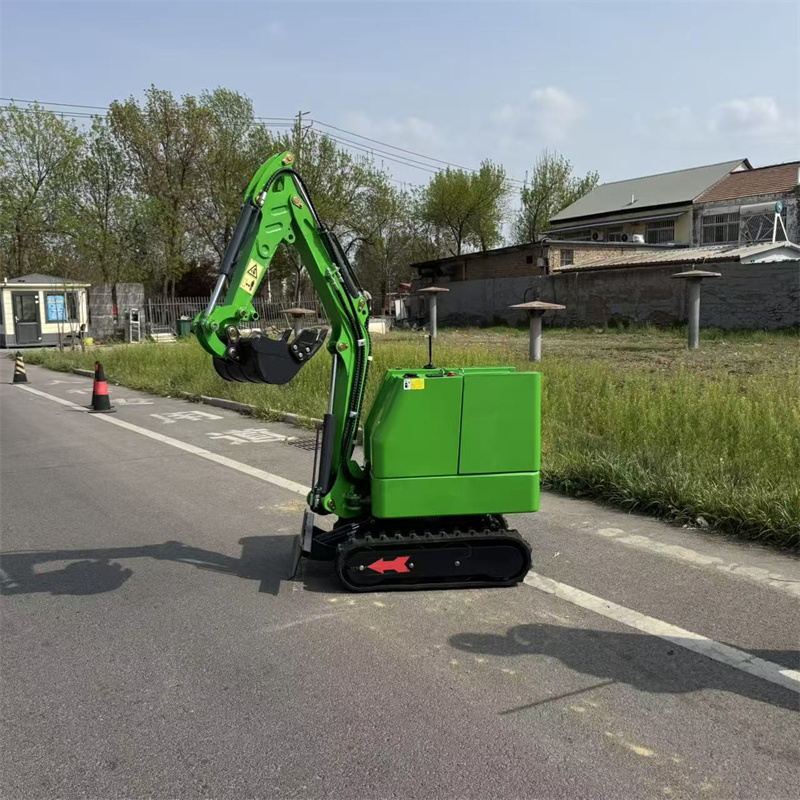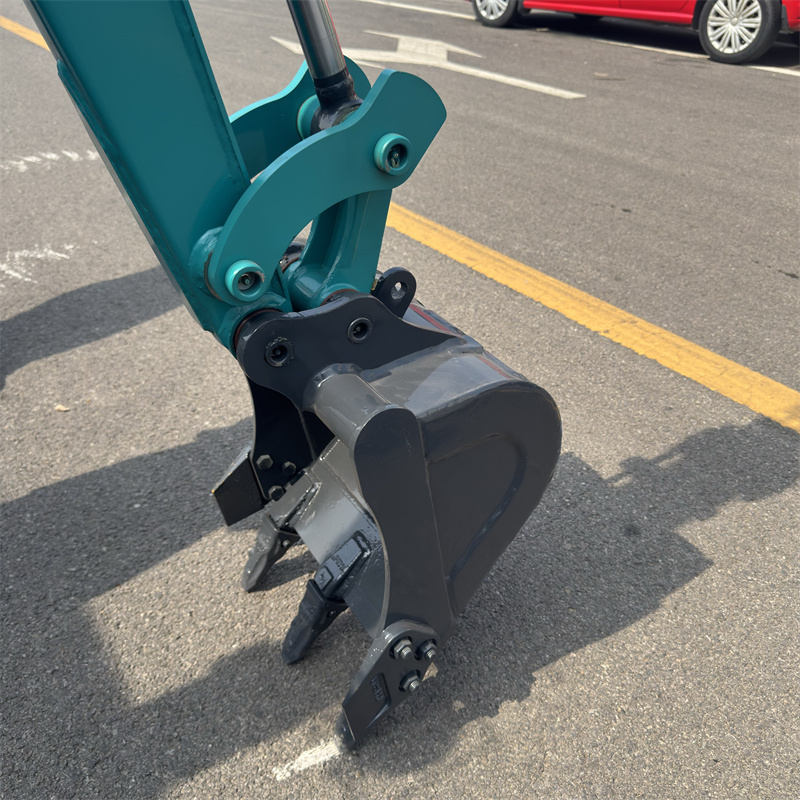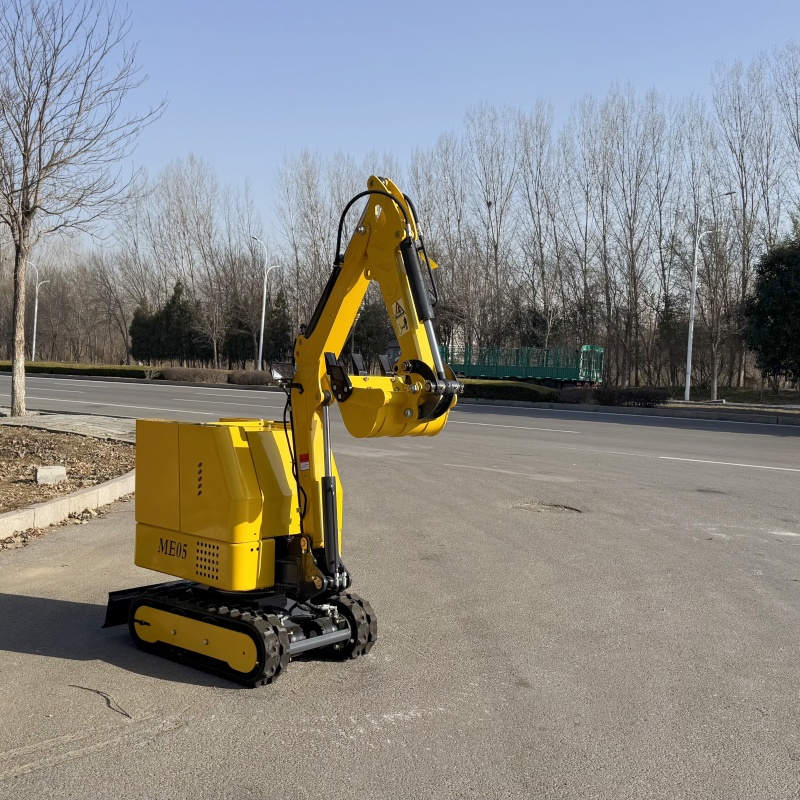
Yes, a mini excavator can indeed be used for digging in a rocky area with some soil. As a trusted supplier of Mini Excavator Digging solutions, I have witnessed firsthand the versatility and efficiency of these compact yet powerful machines in various challenging terrains.
Understanding the Capabilities of Mini Excavators
Mini excavators are engineered to handle a wide range of digging tasks, including those in rocky areas with soil present. Their compact size allows them to access tight spaces where larger equipment cannot fit, making them ideal for projects in residential areas, small construction sites, and gardens. Despite their small stature, mini excavators are equipped with powerful engines and hydraulic systems that provide sufficient force to break through rocks and move soil.
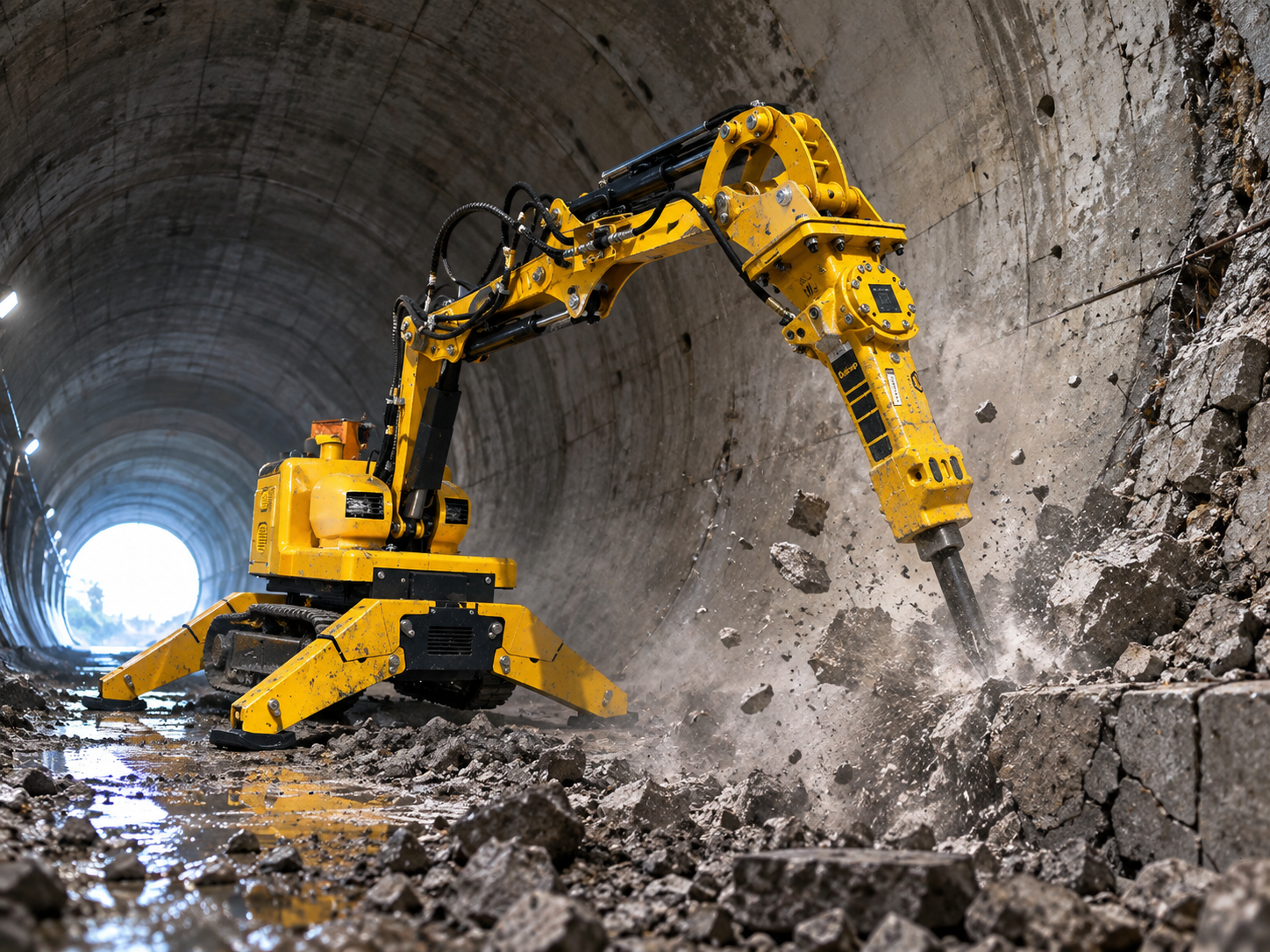
One of the key advantages of using a mini excavator in a rocky area is its ability to be fitted with different types of attachments. For example, a hydraulic hammer attachment can be used to break up large rocks into smaller, more manageable pieces. Once the rocks are fragmented, the standard digging bucket can be used to remove the debris and soil. Other attachments such as tilt buckets or augers can also be utilized depending on the specific requirements of the project.
Assessing the Rock and Soil Conditions
Before using a mini excavator in a rocky area, it is crucial to assess the type of rocks and soil present. Different types of rocks have varying degrees of hardness and density, which can affect the performance of the excavator. For instance, soft rocks like sandstone or limestone can be relatively easily broken up with a hydraulic hammer, while harder rocks like granite or basalt may require more powerful equipment or additional techniques.
The presence of soil in the area also plays an important role. Soil can act as a buffer between the excavator’s bucket or attachment and the rocks, reducing wear and tear on the equipment. Additionally, soil can help to stabilize the rocks, making them easier to break and remove. However, if the soil is too soft or loose, it may pose challenges in terms of stability and traction for the excavator.
Selecting the Right Mini Excavator
When choosing a mini excavator for digging in a rocky area with soil, several factors need to be considered. The size and weight of the excavator should be appropriate for the size of the project and the terrain. A larger and heavier excavator may provide more power and stability but may also be more difficult to maneuver in tight spaces.
The power and performance of the excavator’s engine and hydraulic system are also critical. A more powerful engine will be able to handle the demands of breaking through rocks and moving soil more effectively. Additionally, a high-quality hydraulic system will provide smooth and precise operation, allowing for greater control over the digging process.
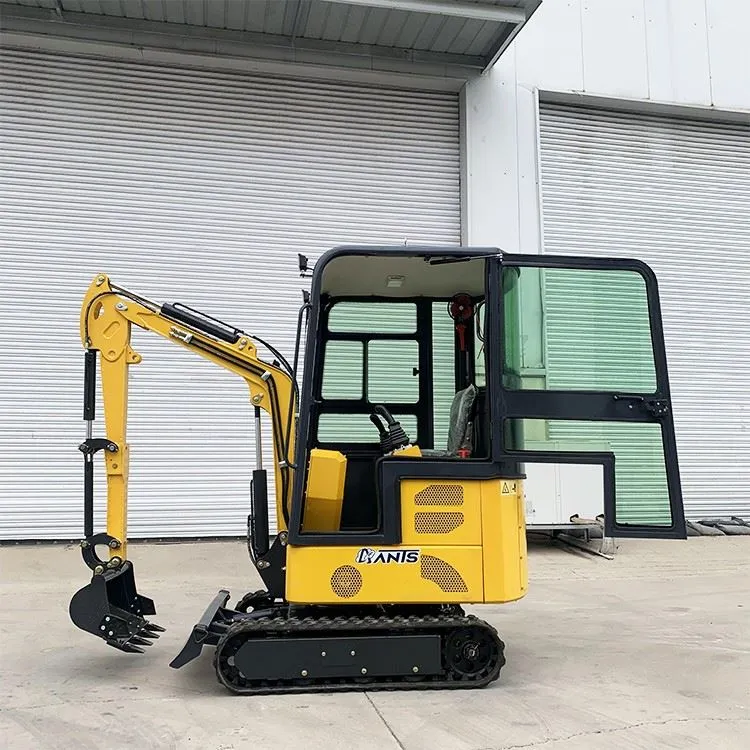
As a supplier, I recommend considering our Lithium Battery Excavator 1.5 Ton or Excavator 1.5 Ton models for these types of projects. These excavators offer a good balance of power, performance, and maneuverability, making them suitable for a variety of applications in rocky areas with soil.
Preparing the Site
Proper site preparation is essential for a successful digging operation in a rocky area with soil. This includes clearing the area of any debris, vegetation, or obstacles that may interfere with the excavator’s movement. It is also important to mark out the boundaries of the digging area and any underground utilities to avoid damage.
If the rocks are particularly large or hard, pre-blasting may be necessary to break them into smaller pieces. This process should be carried out by a qualified professional using appropriate safety equipment and procedures. Once the rocks have been pre-blasted, the mini excavator can be used to remove the debris and soil.
Operating the Mini Excavator
When operating a mini excavator in a rocky area with soil, it is important to follow proper safety procedures. The operator should be trained and experienced in using the equipment, and should wear appropriate safety gear such as a hard hat, safety glasses, and steel-toed boots.
The excavator should be positioned on a stable surface to ensure maximum stability and traction. When using a hydraulic hammer attachment, the operator should start with a low impact force and gradually increase it as needed. This will help to prevent damage to the equipment and ensure efficient rock breaking.
During the digging process, the operator should pay close attention to the condition of the rocks and soil. If the rocks are too hard or if the soil is too soft, adjustments may need to be made to the digging technique or the attachments being used.
Maintenance and Care
Regular maintenance and care of the mini excavator are essential to ensure its optimal performance and longevity, especially when used in a rocky area with soil. This includes checking the fluid levels, inspecting the tracks or tires for wear, and lubricating the moving parts.
The attachments should also be inspected regularly for damage and wear. Hydraulic hammers, in particular, require frequent maintenance to ensure proper operation. Replace any worn or damaged parts promptly to prevent further damage to the equipment.
Conclusion
In conclusion, a mini excavator can be an effective tool for digging in a rocky area with some soil. With the right equipment, attachments, and techniques, it is possible to break through rocks and move soil efficiently and safely. As a supplier of Mini Excavator Digging solutions, I am committed to providing high-quality equipment and expert advice to help you achieve your project goals.
If you are interested in purchasing a mini excavator for your next project, or if you have any questions or need further information, please feel free to contact us. We look forward to discussing your requirements and helping you find the perfect solution for your needs.
References
Construction Equipment Magazine: “Guide to Operating Mini Excavators in Challenging Terrains”
Equipment World: “Selecting the Right Mini Excavator for Your Job”
Association of Equipment Manufacturers: “Safety Guidelines for Mini Excavator Operations”