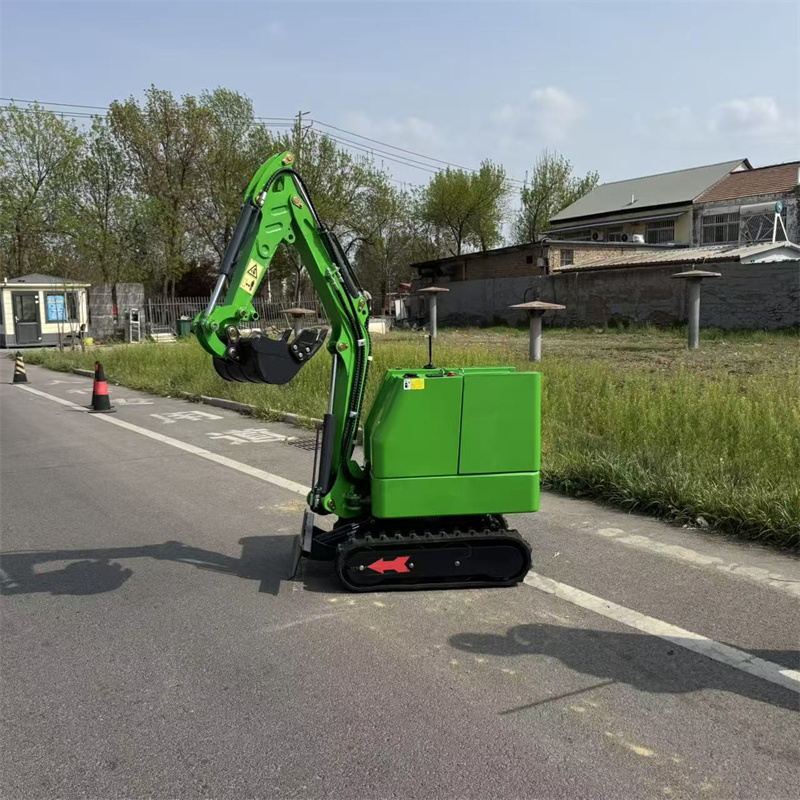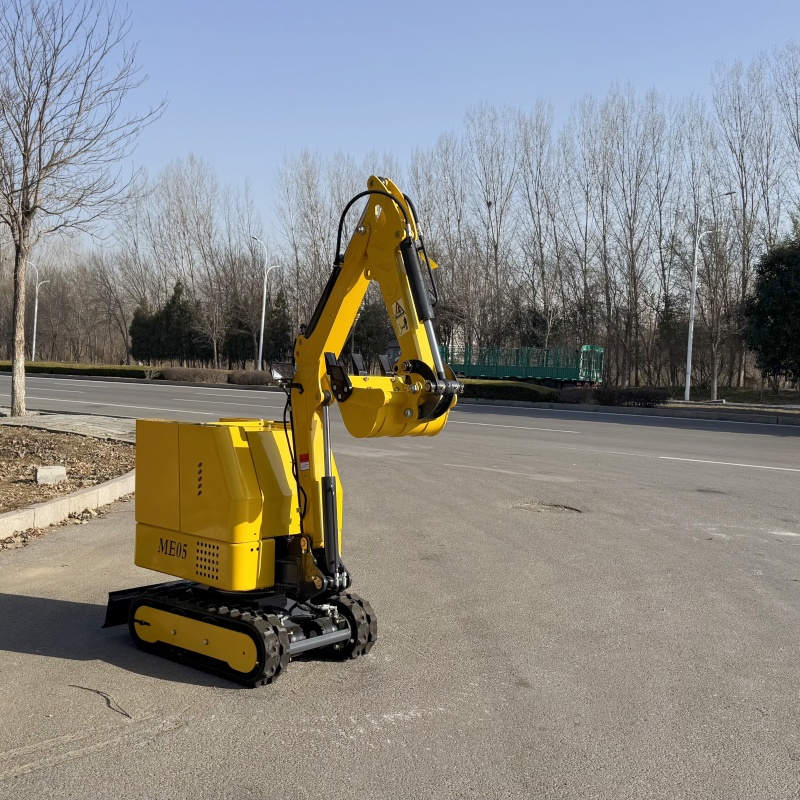
As a seasoned supplier of Mini Excavators, I’ve encountered numerous inquiries regarding the suitability of these compact machines for foundation work. In this blog post, I’ll delve into the capabilities of mini excavators in foundation construction, exploring their advantages, limitations, and the specific scenarios where they shine.
Understanding Mini Excavators
Mini excavators, also known as compact excavators, are versatile construction machines designed for a wide range of tasks. They typically weigh between 0.7 to 8 tons, making them significantly smaller than their full – sized counterparts. Their compact size allows them to maneuver easily in tight spaces, such as urban construction sites, residential areas, or areas with limited access.
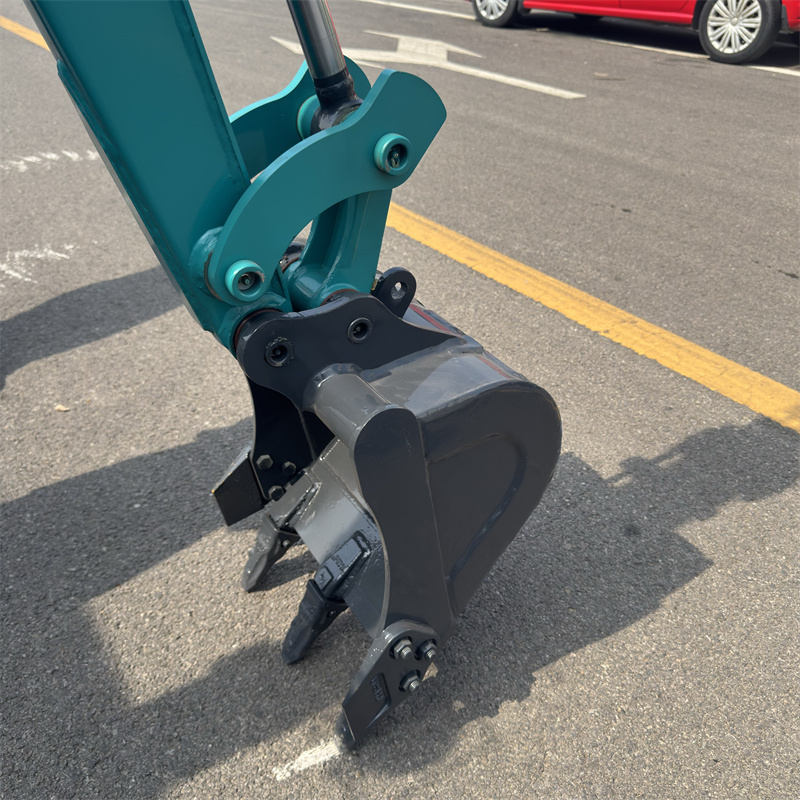
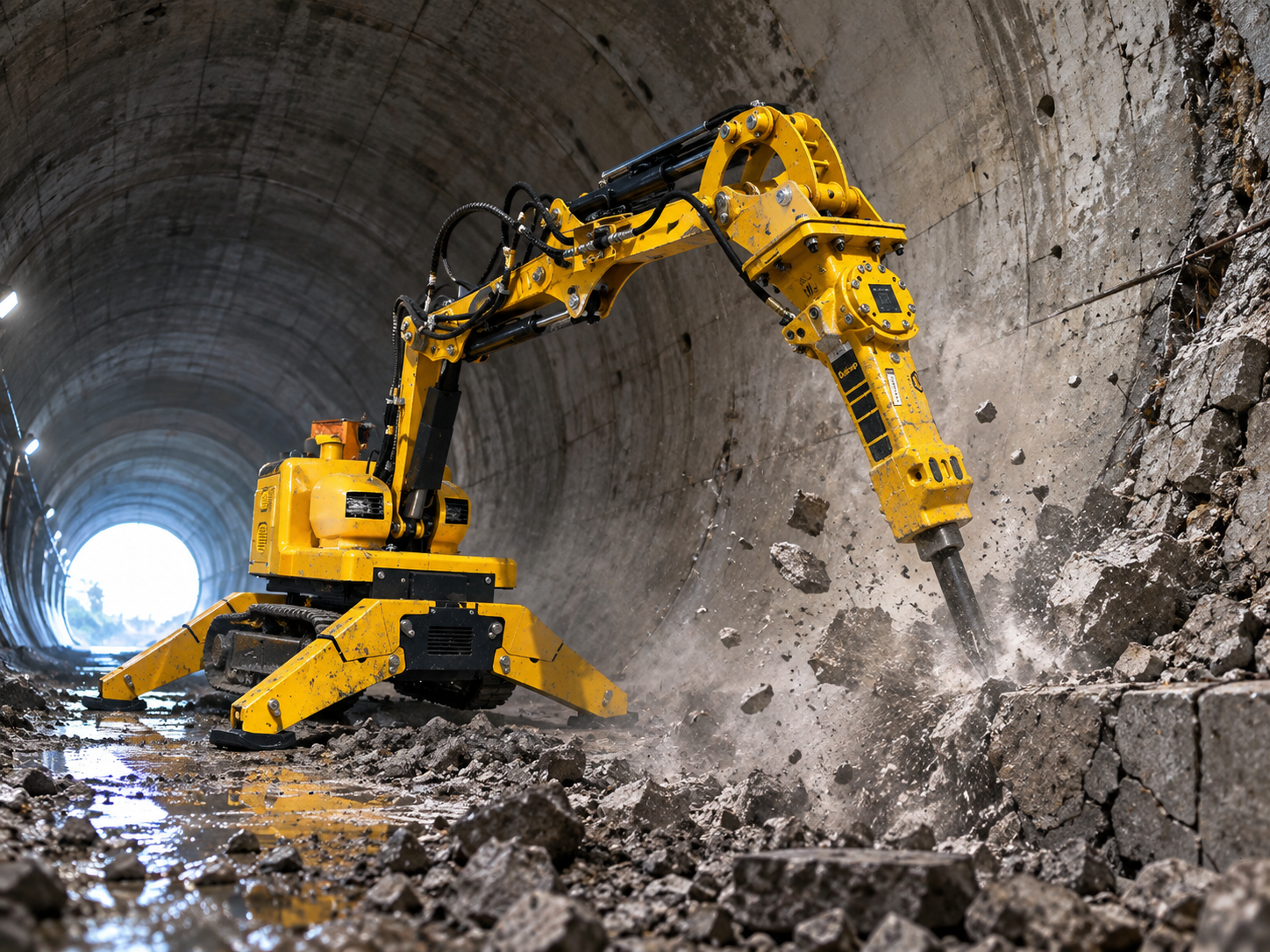
One of the key features of mini excavators is their ability to be equipped with various attachments. These attachments can transform the machine into a multi – purpose tool, suitable for digging, trenching, grading, and even lifting. Some common attachments include buckets, breakers, augers, and grapples.
Advantages of Using Mini Excavators for Foundation Work
1. Maneuverability
The most obvious advantage of mini excavators in foundation work is their maneuverability. In many construction projects, especially those in urban settings or on small plots of land, space is at a premium. A full – sized excavator may simply not be able to access the site or operate effectively due to its large size. Mini excavators, on the other hand, can navigate through narrow alleys, backyards, and between existing structures with ease. For example, when building a small residential foundation in a densely populated neighborhood, a mini excavator can work around trees, fences, and other obstacles without causing damage.
2. Cost – effectiveness
Mini excavators are generally more cost – effective than larger excavators. They require less fuel to operate, and their maintenance costs are often lower. Additionally, the rental or purchase price of a mini excavator is significantly less than that of a full – sized machine. For small – scale foundation projects, where the scope of work may not justify the expense of a large excavator, a mini excavator offers a more budget – friendly option.
3. Precision
Mini excavators offer a high degree of precision. Their smaller size and more delicate controls allow operators to make accurate cuts and dig precise trenches. This is crucial in foundation work, where the dimensions and depth of the foundation need to be exact. For instance, when digging a foundation for a small shed or a garden structure, a mini excavator can ensure that the trench is the correct width and depth, minimizing the need for additional manual labor to correct any errors.
Specific Foundation Work Applications
1. Trench Digging
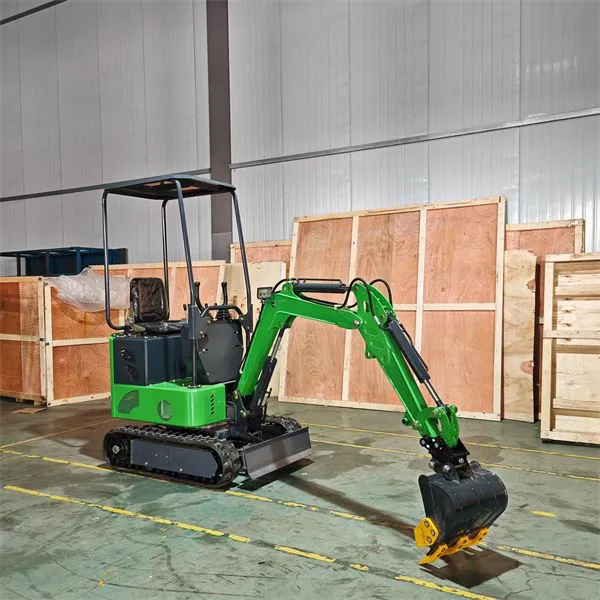
One of the primary tasks in foundation work is trench digging. Mini excavators are well – suited for this job, especially for small to medium – sized foundations. With the appropriate bucket attachment, a mini excavator can quickly and efficiently dig a trench of the required width and depth. The Small 1.5 Ton Crawler Excavator is a great example of a machine that can handle trench digging for residential foundations. Its compact size and powerful digging capabilities make it ideal for this type of work.
2. Site Preparation
Before laying a foundation, the construction site needs to be prepared. This may involve clearing the area of debris, leveling the ground, and removing any existing structures. Mini excavators can be used for all these tasks. They can quickly clear away small trees, bushes, and rubble, and then use grading attachments to level the ground. The precision of a mini excavator ensures that the site is prepared to the exact specifications required for the foundation.
3. Foundation Backfilling
After the foundation has been poured and set, the next step is backfilling. Mini excavators can be used to carefully backfill the area around the foundation with soil or other materials. Their precise control allows for even distribution of the backfill material, which is important for preventing settlement and ensuring the long – term stability of the foundation.
Limitations of Mini Excavators in Foundation Work
1. Depth and Capacity
One of the main limitations of mini excavators is their limited digging depth and capacity. While they are suitable for small to medium – sized foundations, they may not be able to handle large – scale projects that require deep and wide excavations. For example, in the construction of a multi – story building foundation, a full – sized excavator may be necessary to dig the deep and large trenches required.
2. Heavy – Duty Work
Mini excavators are not designed for heavy – duty work. If the foundation work involves breaking through hard rock or concrete, a mini excavator may not have the power to do the job effectively. In such cases, a larger excavator with a more powerful breaker attachment or other specialized equipment may be required.
Choosing the Right Mini Excavator for Foundation Work
When selecting a mini excavator for foundation work, several factors need to be considered.
1. Size and Weight
The size and weight of the mini excavator should be appropriate for the site conditions and the scope of the project. For small sites, a lighter and more compact machine may be sufficient. However, for larger projects or those with more challenging terrain, a slightly heavier and more powerful mini excavator may be required. The 1 Ton Digger With Canopy is a good option for smaller projects, while larger models may be needed for more extensive work.
2. Attachments
As mentioned earlier, the availability of different attachments is a key advantage of mini excavators. Make sure the mini excavator you choose can be easily fitted with the attachments you need for the foundation work, such as buckets, breakers, and augers.
3. Operator Skill
The skill level of the operator also plays an important role. A well – trained operator can maximize the capabilities of a mini excavator and ensure that the foundation work is done accurately and efficiently.
Conclusion
In conclusion, mini excavators can be effectively used for foundation work, especially for small to medium – sized projects. Their maneuverability, cost – effectiveness, and precision make them a valuable asset on construction sites. However, it’s important to recognize their limitations and choose the right machine for the job.
If you’re considering using a mini excavator for your foundation project, or if you have any questions about our range of mini excavators, including the Small 1.5 Ton Crawler Excavator and 1 Ton Digger With Canopy, as well as our Battery Electric Forklift Truck, please don’t hesitate to contact us. We’re here to help you find the perfect solution for your construction needs.
References
Construction Equipment Guide: “Mini Excavators – A Guide to Their Uses and Advantages”
Journal of Construction Engineering and Management: “The Role of Compact Equipment in Foundation Construction”
Manufacturer’s Manuals for Mini Excavators