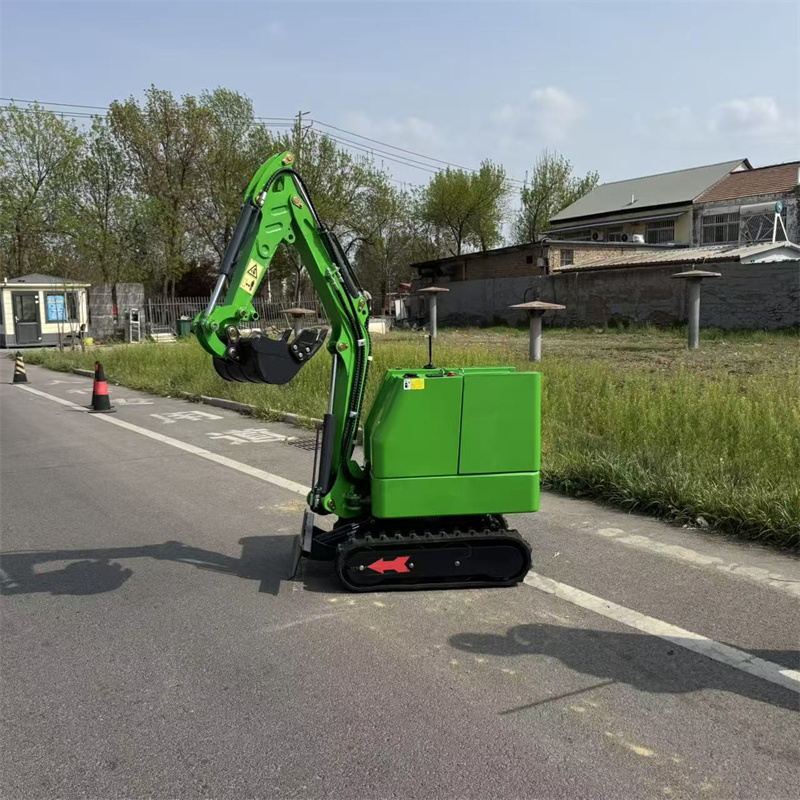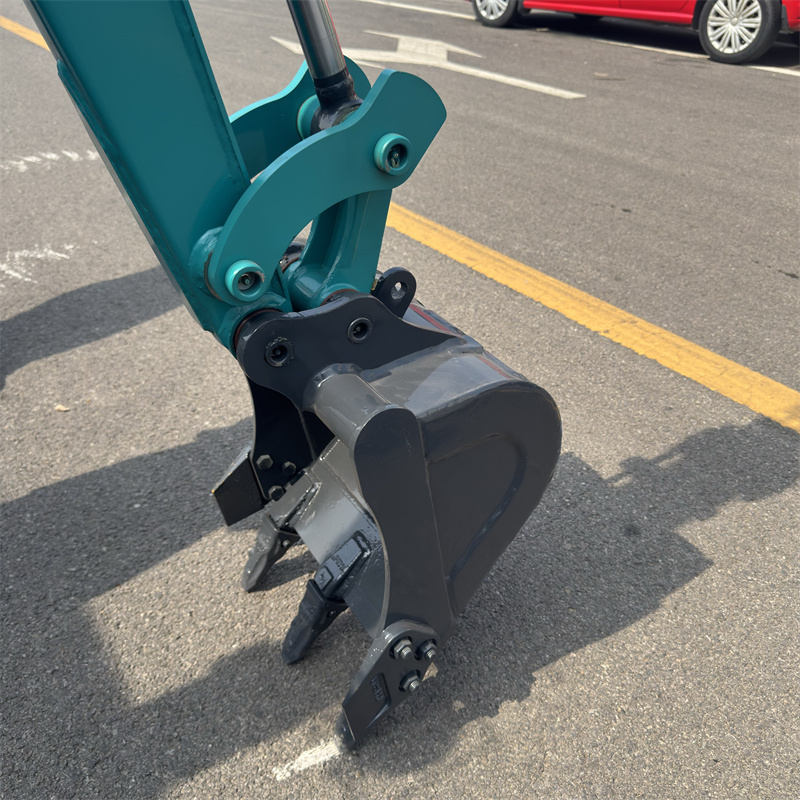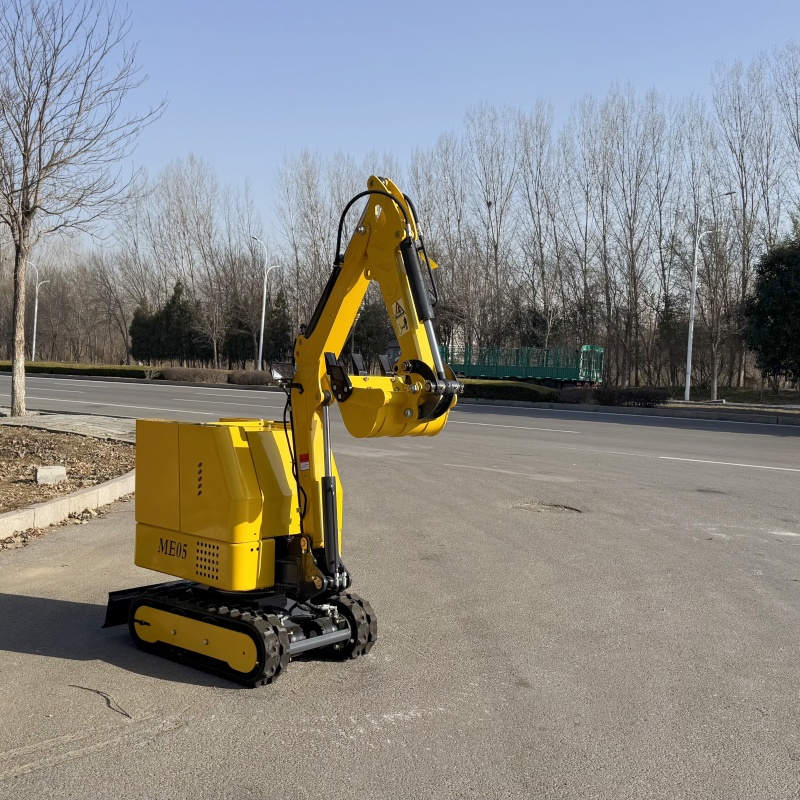
Can a plug – in mini excavator be used for tunnel construction? This is a question I often get asked as a supplier of Plug – in Mini Excavators. Let’s dig into this topic and see if these nifty machines have what it takes for tunnel building jobs.
Some Basics about Plug – in Mini Excavators
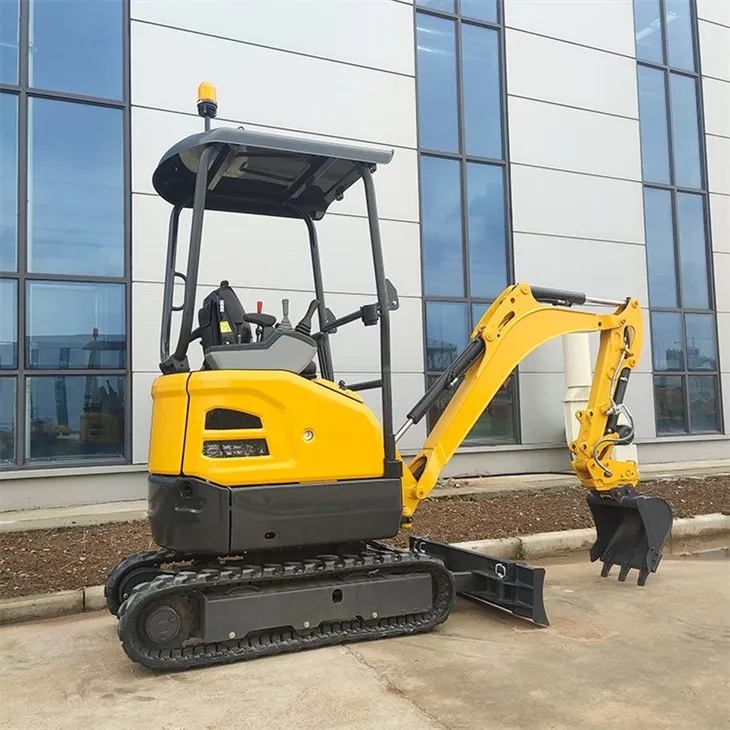
First off, what exactly is a plug – in mini excavator? Well, it’s a smaller version of the big – boy excavators you see on construction sites. Unlike their diesel – powered counterparts, these little guys run on electricity. You simply plug them into a power source, and they’re ready to go. This type of setup has a bunch of perks. For starters, it’s way quieter. There’s no loud engine rumbling, which is a big plus in environments where noise can be an issue, like in tunnels.
Another great thing is the zero emissions. With growing concerns about the environment and the need to reduce carbon footprints, electric machines are becoming more popular. Since there’s no exhaust, the air quality inside a tunnel can be much better when using a plug – in mini excavator.
Now, take a look at some of the options out there. For a Battery Mini Excavator, it offers flexibility in areas where a direct power source might not be readily available. It’s all about having a battery that can hold a charge long enough to get the job done. And then there’s the Electric Compact Excavator, which combines the power of an excavator with a compact design, making it easier to maneuver in tight spaces. And if you’re looking for something really small but still powerful, the Electric Mini Digger 1 Ton could be the right fit.
Tunnel Construction Demands
Tunnel construction is no easy feat. There are a whole bunch of challenges that come with it. Space is a major concern. Tunnels can be narrow, and you need equipment that can move around without getting stuck or causing damage to the tunnel walls. There’s also the issue of ventilation. If you’re using equipment that emits fumes, it can quickly make the air inside the tunnel unbreathable.
Another important factor is precision. Tunnels need to be dug to exact specifications. Any mistakes in the excavation process can lead to costly repairs and delays. So, the equipment used has to be able to perform with high accuracy.
Safety is also a top priority. In a tunnel, there are risks of cave – ins, falls, and other hazards. Having reliable and safe equipment is crucial to protect the workers.
Can Plug – in Mini Excavators Meet the Challenges?
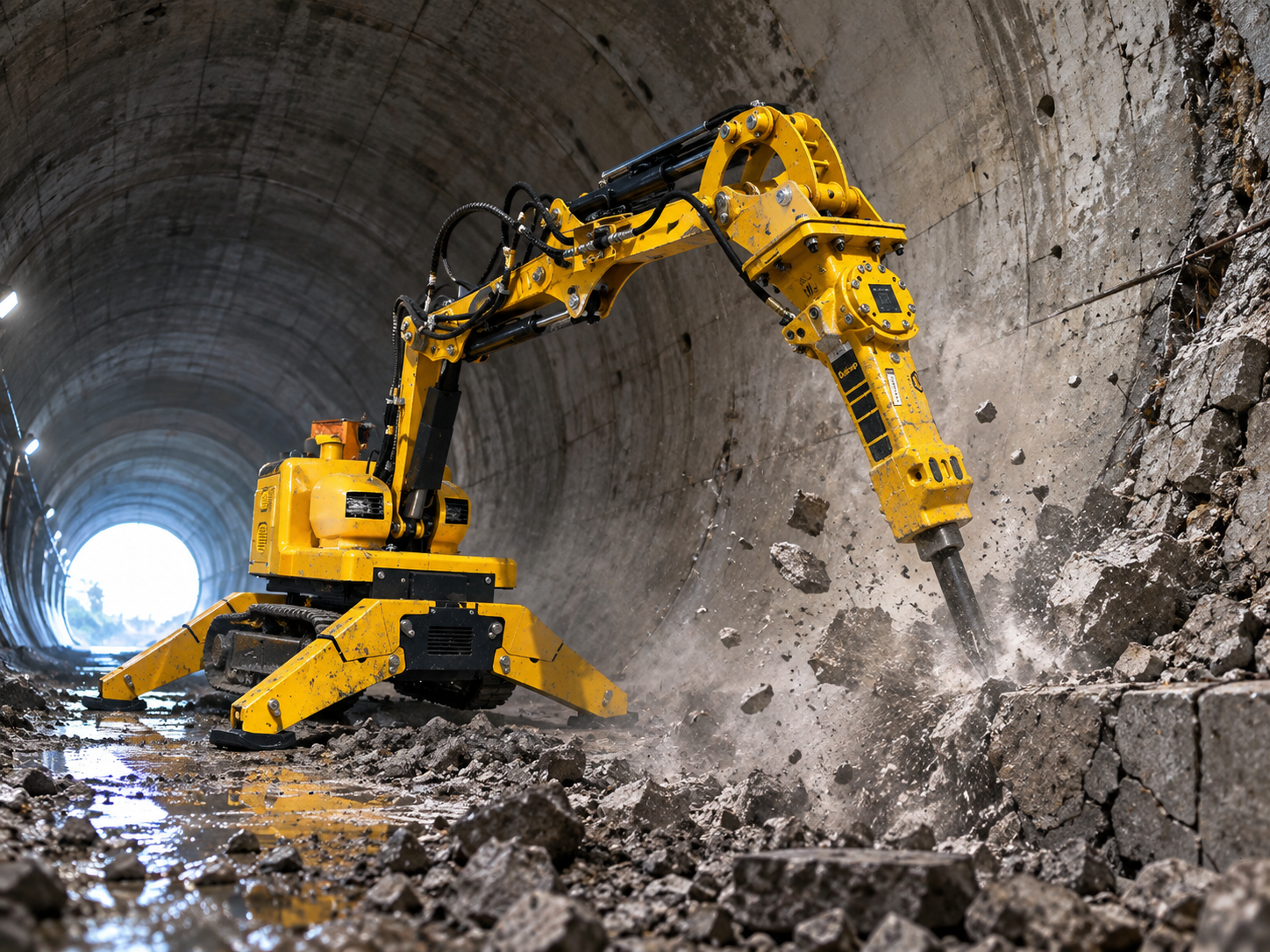
Let’s start with the space issue. The small size of plug – in mini excavators is a game – changer. They can easily navigate through narrow tunnels that would be too tight for larger machines. Their compactness allows them to turn around in small spaces and reach areas that bigger excavators can’t.
When it comes to ventilation, as I mentioned earlier, the zero – emission nature of plug – in mini excavators is a huge advantage. There’s no need for fancy ventilation systems to clear out exhaust fumes. This can save a lot of money and resources in tunnel construction projects.
In terms of precision, modern plug – in mini excavators come with advanced control systems. These systems allow operators to make fine – tuned movements, ensuring that the excavation is done exactly as planned. You can adjust the depth, angle, and reach of the digging arm with great accuracy.
Safety is also enhanced with plug – in mini excavators. Since they’re electric, there’s no risk of fuel spills or fires caused by fuel ignition. And with their smaller size and better maneuverability, the chances of collisions inside the tunnel are reduced.
Case Studies and Real – World Applications
There have been some successful cases where plug – in mini excavators have been used in tunnel construction. For example, in a small – scale urban tunnel project, a contractor decided to try out a plug – in mini excavator due to the noise and space restrictions in the area. The results were impressive. The excavator was able to work quietly during off – peak hours, minimizing disruptions to the nearby buildings. And its compact size allowed it to work efficiently in the narrow tunnel.
Another case involved a renovation project inside an existing tunnel. The plug – in mini excavator was used to carefully remove old concrete and debris without causing damage to the surrounding structure. The precision of the machine was crucial in this situation.
Limitations and Considerations
Of course, plug – in mini excavators aren’t perfect for every tunnel construction project. One of the main limitations is their power. While they’re great for smaller – scale tasks, they may not have the muscle needed for heavy – duty tunneling in hard rock or large – scale excavation jobs.
The power source can also be a challenge. You need to have access to electricity, which may not be possible in some remote tunnel locations. And if there are power outages, the excavator will be out of commission until the power is restored.
Making the Right Decision
So, should you use a plug – in mini excavator for your tunnel construction project? It depends on a few factors. If you’re working in a small space, need to minimize noise and emissions, and don’t require a huge amount of power, then these machines are a great option. You’ll enjoy the benefits of a cleaner, quieter, and more precise excavation process.
But if you’re dealing with large – scale projects in tough terrains, you might still need to rely on larger, more powerful diesel – powered excavators. However, you could also consider using a combination of both. For example, use a plug – in mini excavator for the initial preparation work and smaller – scale tasks, and then bring in the big machines for the heavy – lifting.
Conclusion and Call to Action
In conclusion, plug – in mini excavators can definitely have a place in tunnel construction. They offer unique advantages that make them suitable for many situations. Whether it’s the small size, zero emissions, or high precision, these machines are worth considering for your next tunnel project.
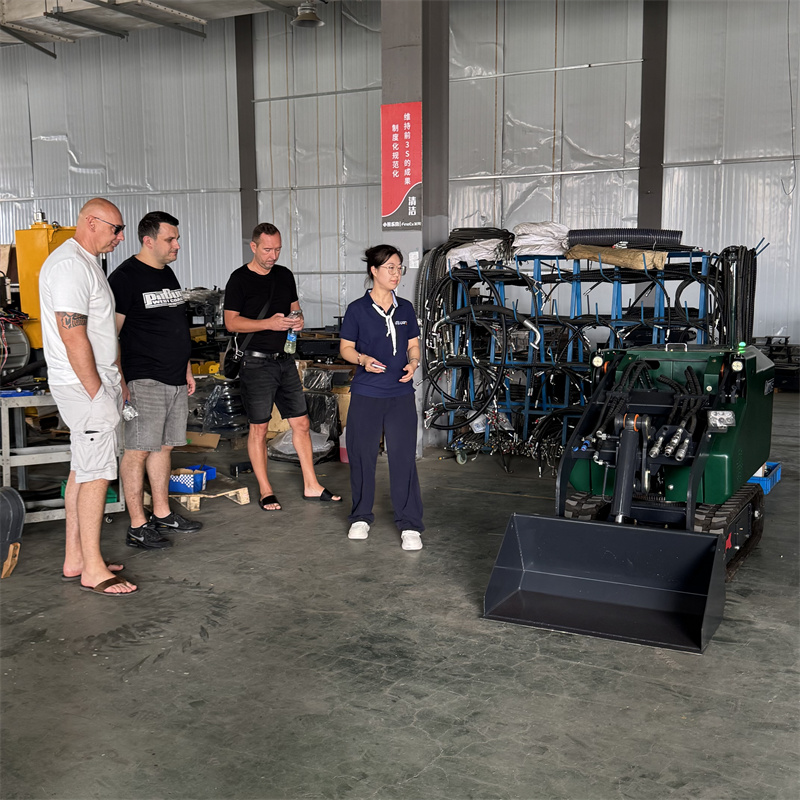
If you’re interested in learning more about our Plug – in Mini Excavators or want to discuss how they can fit into your tunnel construction plans, don’t hesitate to get in touch. We’re here to answer all your questions and help you make the right choice for your needs.
References
Construction Equipment Magazine: Reports on the latest trends in construction machinery and their applications.
Tunnel Engineering Journals: Case studies and research on equipment used in tunnel construction projects.