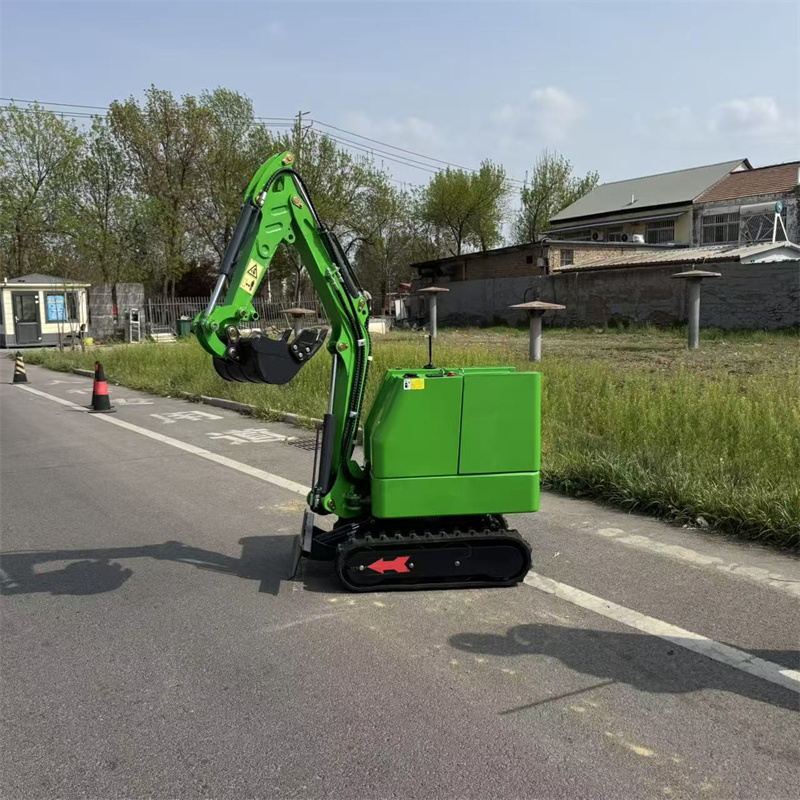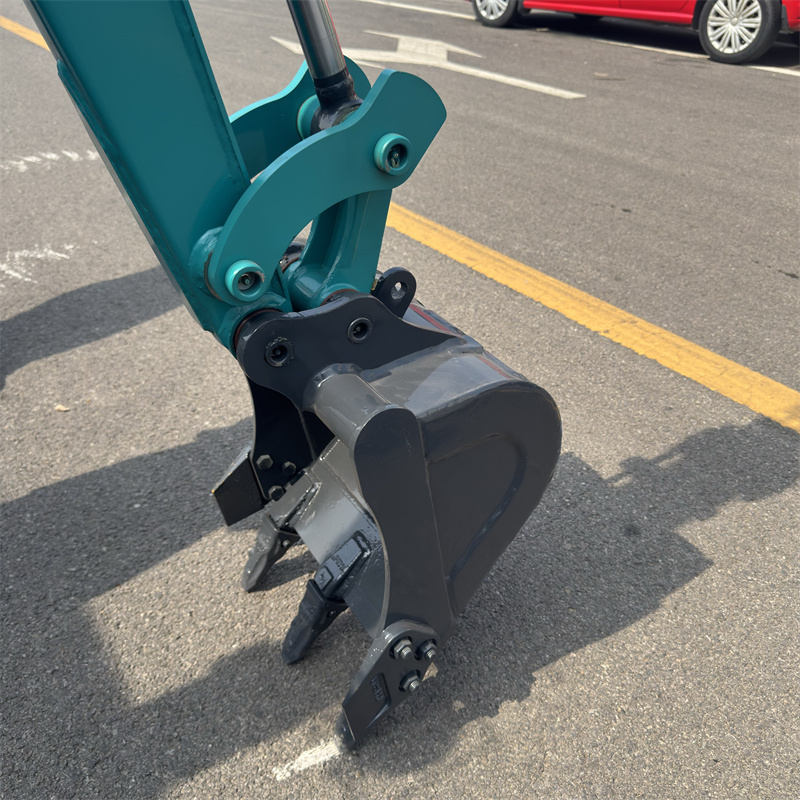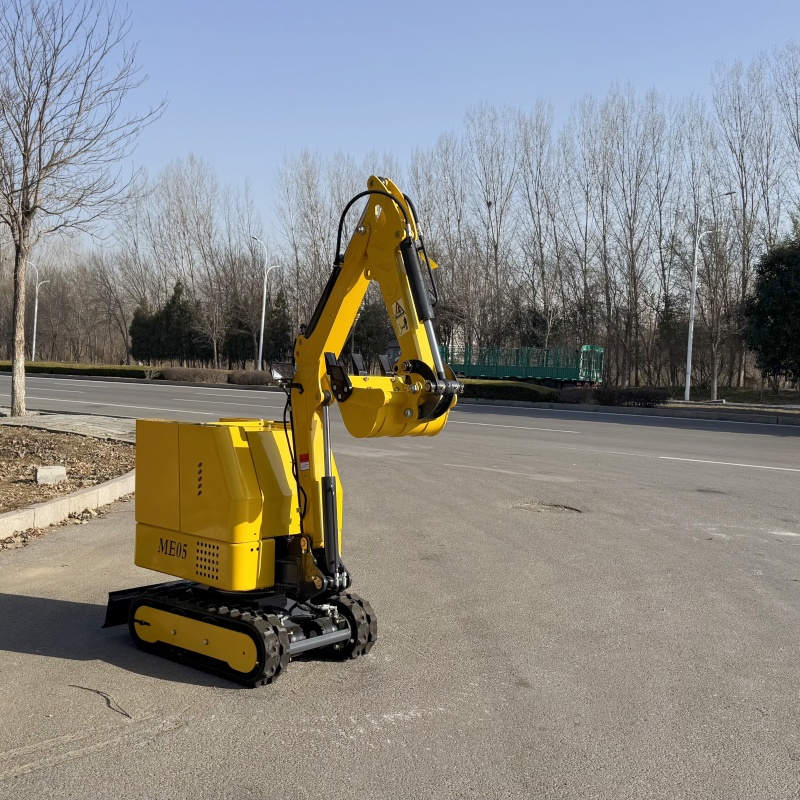
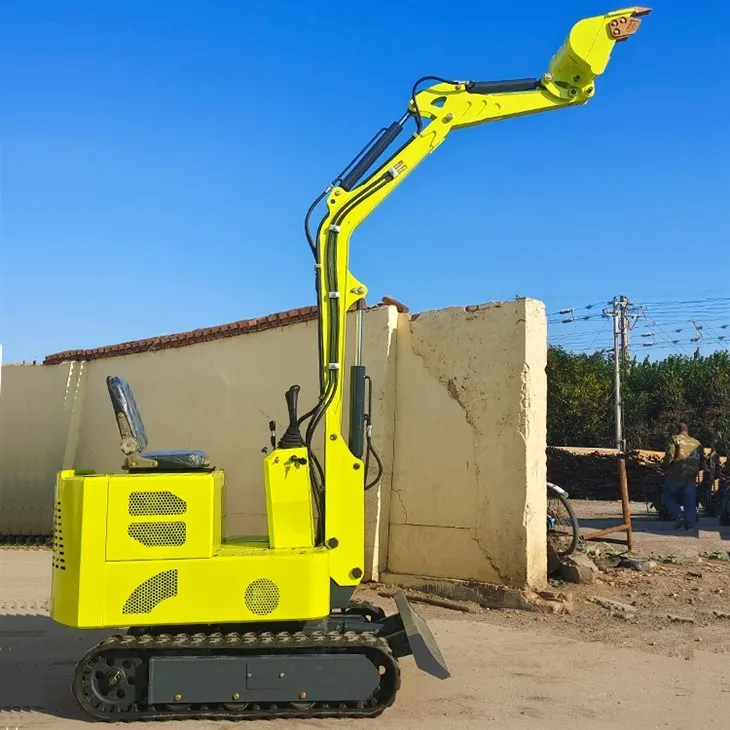
Maintaining a 1.5-ton mini excavator’s tracks is a crucial task for both the longevity of the machine and its optimal performance. As a 1.5-ton mini excavator supplier, I understand the importance of proper track maintenance, and I’m here to share some insights on how to keep your excavator’s tracks in top condition.
1. Daily Visual Inspections
The first step in maintaining the tracks of a 1.5-ton mini excavator is to conduct daily visual inspections. Before starting the machine each day, take a few minutes to walk around the excavator and examine the tracks closely. Look for any signs of damage, such as cuts, tears, or missing parts. Pay special attention to the track links, pins, and bushings. Any loose or damaged components should be addressed immediately to prevent further deterioration.
Regularly check the track tension as well. Incorrect track tension can lead to premature wear and tear, as well as affect the machine’s stability and performance. Most mini excavators have a track tension adjustment mechanism, usually a grease fitting. Refer to the operator’s manual to determine the correct track tension for your specific model and adjust it as needed.
2. Cleaning the Tracks
Cleaning the tracks after each use is essential for preventing the buildup of dirt, debris, and other contaminants. Dirt and debris can cause abrasive wear on the track components, reducing their lifespan. Use a high-pressure water hose or a steam cleaner to remove any dirt, mud, or rocks from the tracks. Pay particular attention to the areas around the sprockets, idlers, and rollers, as these areas tend to accumulate the most debris.
If the tracks are heavily soiled, you may need to use a mild detergent to break down any stubborn dirt or grease. However, make sure to rinse the tracks thoroughly with clean water to remove any residue. Avoid using harsh chemicals or solvents, as these can damage the rubber or metal components of the tracks.
3. Lubrication
Proper lubrication is critical for reducing friction and wear on the track components. The pins and bushings, in particular, require regular lubrication to ensure smooth operation. Most mini excavators have a central lubrication system that automatically supplies grease to the track pins and bushings. However, it’s still important to check the lubrication levels regularly and refill the grease reservoir as needed.
In addition to the central lubrication system, you may also need to manually lubricate other track components, such as the sprockets, idlers, and rollers. Refer to the operator’s manual for specific lubrication points and intervals. Use a high-quality lubricant that is recommended by the manufacturer to ensure optimal performance and protection.
4. Avoiding Abrasive Surfaces
Whenever possible, avoid operating the mini excavator on abrasive surfaces, such as gravel, concrete, or rocky terrain. These surfaces can cause excessive wear on the tracks, especially the rubber pads. If you need to work on abrasive surfaces, try to minimize the amount of time the machine spends on them. You can also consider using track pads or shoes that are designed for use on abrasive surfaces to reduce wear and tear.
5. Proper Storage
When the mini excavator is not in use, it’s important to store it properly to prevent damage to the tracks. Store the machine on a flat, level surface to avoid uneven tire wear and track misalignment. If possible, elevate the tracks slightly off the ground to prevent them from sitting on hard surfaces for extended periods of time.
Cover the excavator with a tarp or a protective cover to keep it clean and dry. This will help prevent rust and corrosion on the track components. Additionally, make sure to keep the tracks lubricated during storage to prevent them from drying out and cracking.
6. Regular Maintenance and Repairs
In addition to daily inspections and cleaning, it’s important to schedule regular maintenance and repairs for your 1.5-ton mini excavator. Follow the manufacturer’s recommended maintenance schedule to ensure that the tracks and other components are inspected, lubricated, and serviced at the appropriate intervals.
If you notice any signs of damage or wear on the tracks during your inspections, it’s important to address them promptly. Minor repairs, such as replacing a worn track link or a damaged pin, can prevent more serious problems from occurring in the future. For more extensive repairs, it’s recommended to consult a professional technician who has experience working on mini excavators.
7. Training and Education
Proper training and education are essential for ensuring that the operators of your 1.5-ton mini excavator know how to maintain the tracks properly. Provide comprehensive training to your operators on the importance of track maintenance, as well as the specific procedures and techniques for inspecting, cleaning, lubricating, and adjusting the tracks.
Encourage your operators to report any issues or concerns with the tracks immediately. By addressing problems early, you can prevent costly repairs and downtime in the future.
Contact Us for Your 1.5-Ton Mini Excavator Needs
If you’re in the market for a 1.5-ton mini excavator or need further information on track maintenance, we’re here to help. Our team of experts can provide you with detailed guidance on choosing the right excavator for your specific needs and offer ongoing support and maintenance services.
Visit our websites, 1.5 Ton Mini Excavator, Excavator 1.5 Ton, and Crawler Electric Excavator to explore our range of 1.5-ton mini excavators. We’re dedicated to providing high-quality products and exceptional customer service. Contact us today to discuss your requirements and explore how our excavators can enhance your construction projects.
References
Manufacturer’s Operator’s Manual for 1.5-Ton Mini Excavator
Construction Equipment Maintenance Guides
Industry Publications on Excavator Maintenance