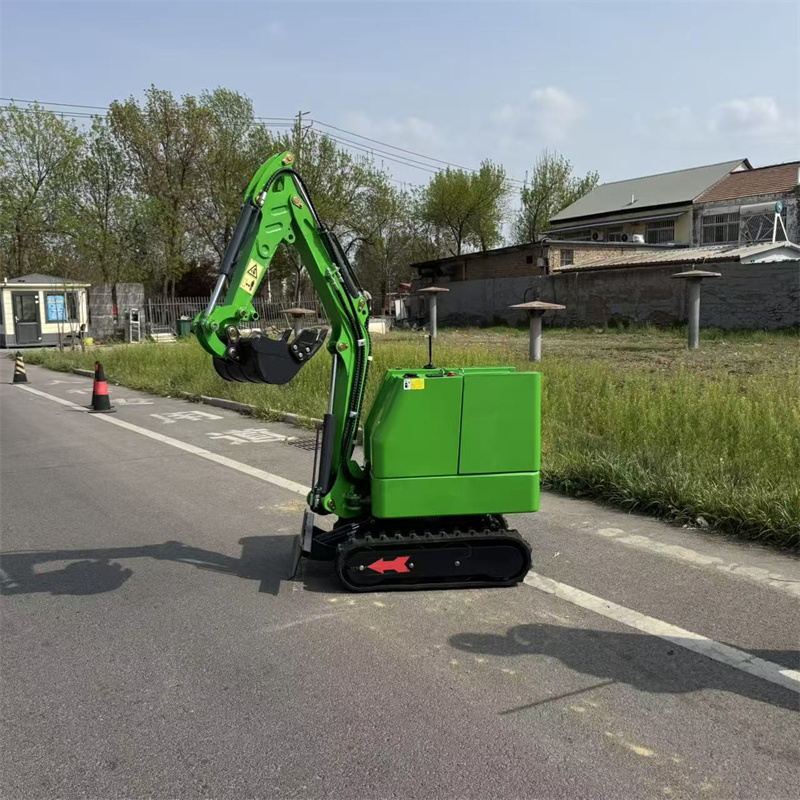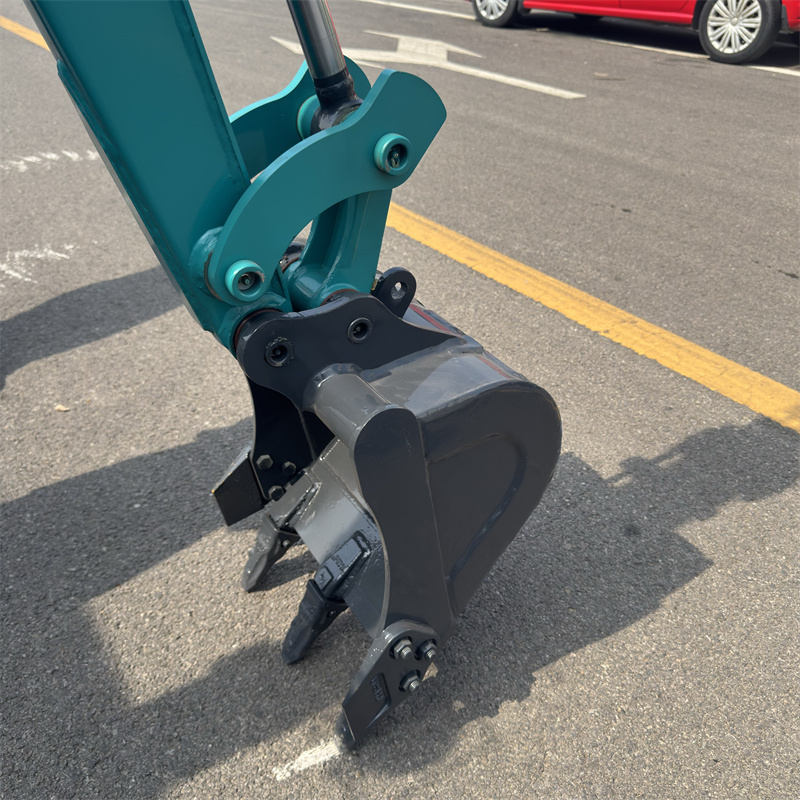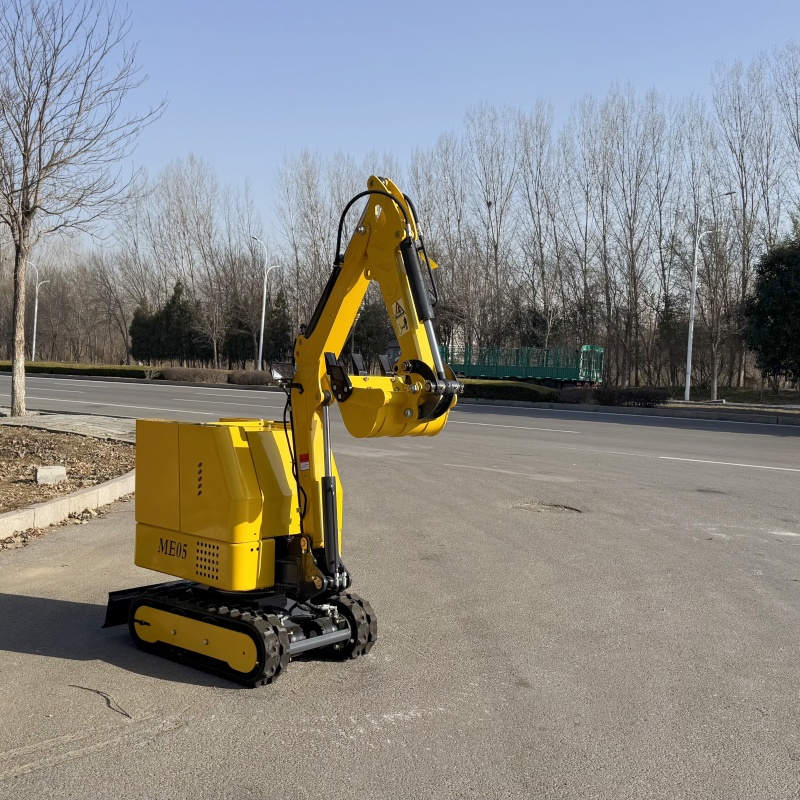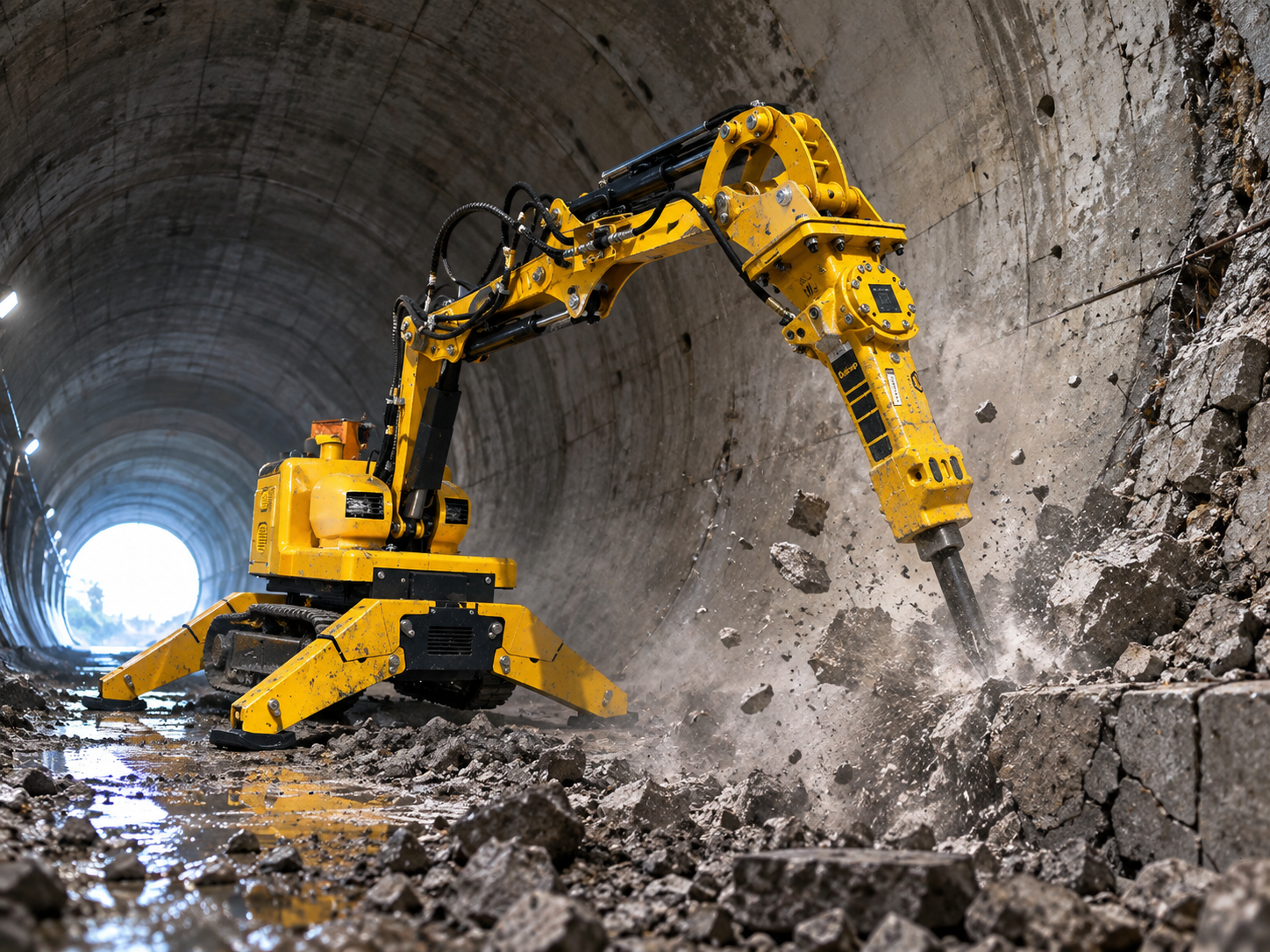
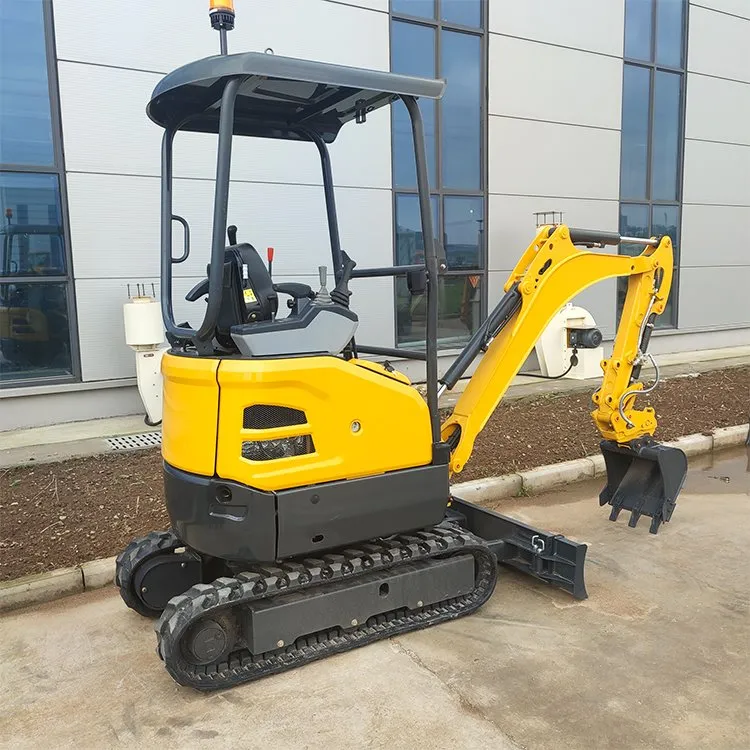
As a supplier of 1.8 – ton excavators, I’ve witnessed firsthand how these machines are put to the test in various working conditions. One of the most challenging environments for any heavy – duty equipment is hot weather. In this blog, I’ll delve into how a 1.8 – ton excavator performs in such conditions and share some insights on maintaining its efficiency.
Engine Performance
The engine is the heart of any excavator, and hot weather can significantly impact its performance. High temperatures can cause the engine coolant to heat up quickly, leading to potential overheating issues. In a 1.8 – ton excavator, the engine is designed to handle a certain range of temperatures, but extreme heat can push it beyond its limits.
When the engine overheats, it can lose power and efficiency. The pistons may expand more than normal, increasing friction within the cylinders. This not only reduces the engine’s output but also increases wear and tear on its components. To combat this, modern 1.8 – ton excavators are equipped with advanced cooling systems. These systems use large radiators and powerful fans to dissipate heat efficiently. However, in extremely hot weather, it’s still crucial to monitor the engine temperature regularly.
Hydraulic System
The hydraulic system is another critical component of a 1.8 – ton excavator. It’s responsible for powering the boom, arm, and bucket movements. Hot weather can affect the hydraulic fluid in several ways. Firstly, high temperatures can cause the fluid to thin out. When the hydraulic fluid becomes too thin, it loses its ability to lubricate and seal the hydraulic components effectively. This can lead to increased leakage, reduced power transfer, and ultimately, a decrease in the excavator’s overall performance.
Secondly, the heat can also cause the hydraulic fluid to oxidize more rapidly. Oxidized fluid can form sludge and deposits, which can clog filters and valves. This restricts the flow of the fluid and can cause the hydraulic system to malfunction. To maintain the performance of the hydraulic system in hot weather, it’s essential to use high – quality hydraulic fluid with a high viscosity index. Regularly checking and changing the fluid and filters according to the manufacturer’s recommendations is also crucial.
Tire or Track Performance
Whether a 1.8 – ton excavator is equipped with tires or tracks, hot weather can have an impact on its mobility. For tire – equipped excavators, high temperatures can cause the tires to expand. This can lead to uneven wear and an increased risk of blowouts. It’s important to check the tire pressure regularly and adjust it to the recommended level. Over – inflated tires can be more prone to damage, while under – inflated tires can increase fuel consumption and reduce the excavator’s stability.
For track – equipped excavators, the heat can soften the rubber tracks. Softened tracks can wear out more quickly, especially when operating on rough or abrasive surfaces. Additionally, the heat can also affect the tension of the tracks. If the tracks are too loose, they can slip, reducing the excavator’s traction. On the other hand, if they are too tight, it can put extra stress on the track drive system. Regular inspection and adjustment of the track tension are necessary to ensure optimal performance.
Operator Comfort and Safety
Hot weather can also have an impact on the operator. Working in high temperatures for long periods can lead to heat stress, fatigue, and dehydration. A fatigued operator is more likely to make mistakes, which can compromise the safety and efficiency of the excavation work.
Modern 1.8 – ton excavators are designed with operator comfort in mind. They are equipped with air – conditioned cabs to keep the operator cool. However, it’s still important for operators to take regular breaks, stay hydrated, and wear appropriate protective clothing. Providing shaded rest areas and access to cold drinks can also help improve the operator’s well – being and performance.
Maintenance Tips for Hot Weather
To ensure that a 1.8 – ton excavator performs well in hot weather, regular maintenance is key. Here are some maintenance tips:
Cooling System Check: Inspect the radiator for any blockages caused by dirt, debris, or insects. Clean the radiator fins regularly to ensure proper airflow. Check the coolant level and top it up if necessary. Also, inspect the coolant hoses for any signs of leaks or damage.
Hydraulic System Maintenance: As mentioned earlier, use high – quality hydraulic fluid and change it at the recommended intervals. Check the hydraulic filters and replace them if they are clogged. Inspect the hydraulic hoses and connections for any signs of leakage.
Lubrication: Ensure that all moving parts are properly lubricated. High temperatures can cause lubricants to break down more quickly, so it’s important to use lubricants with high – temperature resistance.
Battery Maintenance: Hot weather can cause the battery fluid to evaporate more quickly. Check the battery electrolyte level regularly and top it up with distilled water if needed. Also, inspect the battery terminals for any signs of corrosion and clean them if necessary.
Case Studies
Let’s take a look at some real – world examples of how 1.8 – ton excavators perform in hot weather. In a construction project in a desert region, where the temperatures often soar above 40°C (104°F), a contractor used a fleet of 1.8 – ton excavators. By following strict maintenance schedules and using the right equipment, they were able to keep the excavators running efficiently.
The contractor made sure to monitor the engine and hydraulic system temperatures closely. They also provided the operators with proper training on how to operate the excavators in hot weather. As a result, they were able to complete the project on time without any major equipment breakdowns.
In another case, a landscaping company used a 1.8 – ton excavator during a heatwave. The excavator was used for digging trenches and moving soil. Despite the high temperatures, the advanced cooling system of the excavator kept the engine running smoothly. The company also followed the recommended maintenance procedures, which helped to prevent any hydraulic system issues.
Conclusion
In conclusion, a 1.8 – ton excavator can perform well in hot weather if proper precautions are taken. While high temperatures can pose challenges to its engine, hydraulic system, and other components, modern technology and regular maintenance can help mitigate these issues.
If you’re in the market for a 1.8 – ton excavator, we offer a wide range of high – quality machines that are designed to perform in various conditions, including hot weather. You can explore our Mini Small Excavator, Mini Crawler Excavator, and learn more about their capabilities in different scenarios such as Mini Excavator Digging A Trench.
If you’re interested in purchasing a 1.8 – ton excavator or have any questions about its performance in hot weather, feel free to contact us for more information and to start a procurement discussion.
References
Construction Equipment Magazine: Articles on excavator performance in extreme conditions.
Manufacturer’s manuals for 1.8 – ton excavators.
Industry research reports on heavy – duty equipment operation in hot climates.