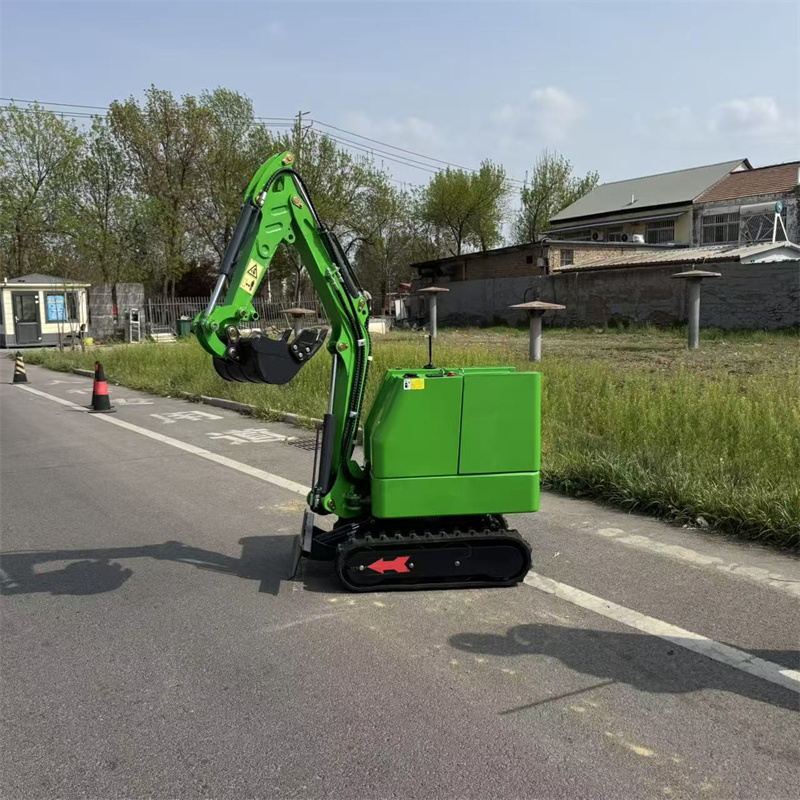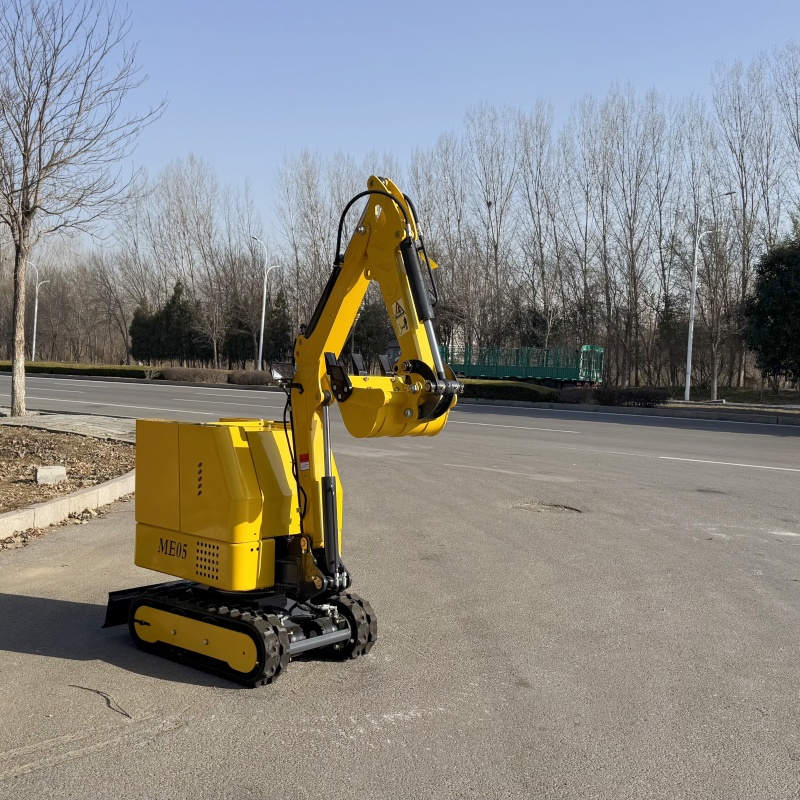
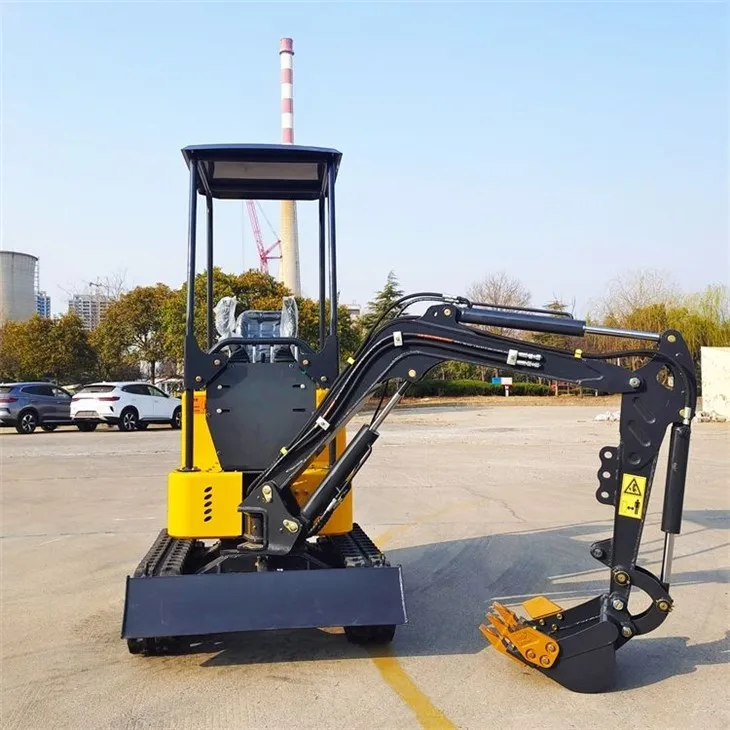
In the realm of construction and demolition, the safety of nearby structures is of paramount importance. As a leading supplier of Demolition Robot, we understand the critical role that our machines play in safeguarding adjacent buildings and infrastructure during the demolition process. In this blog post, we will explore the various ways in which our demolition robots protect nearby structures, ensuring a safe and efficient demolition operation.
Precise Control and Maneuverability
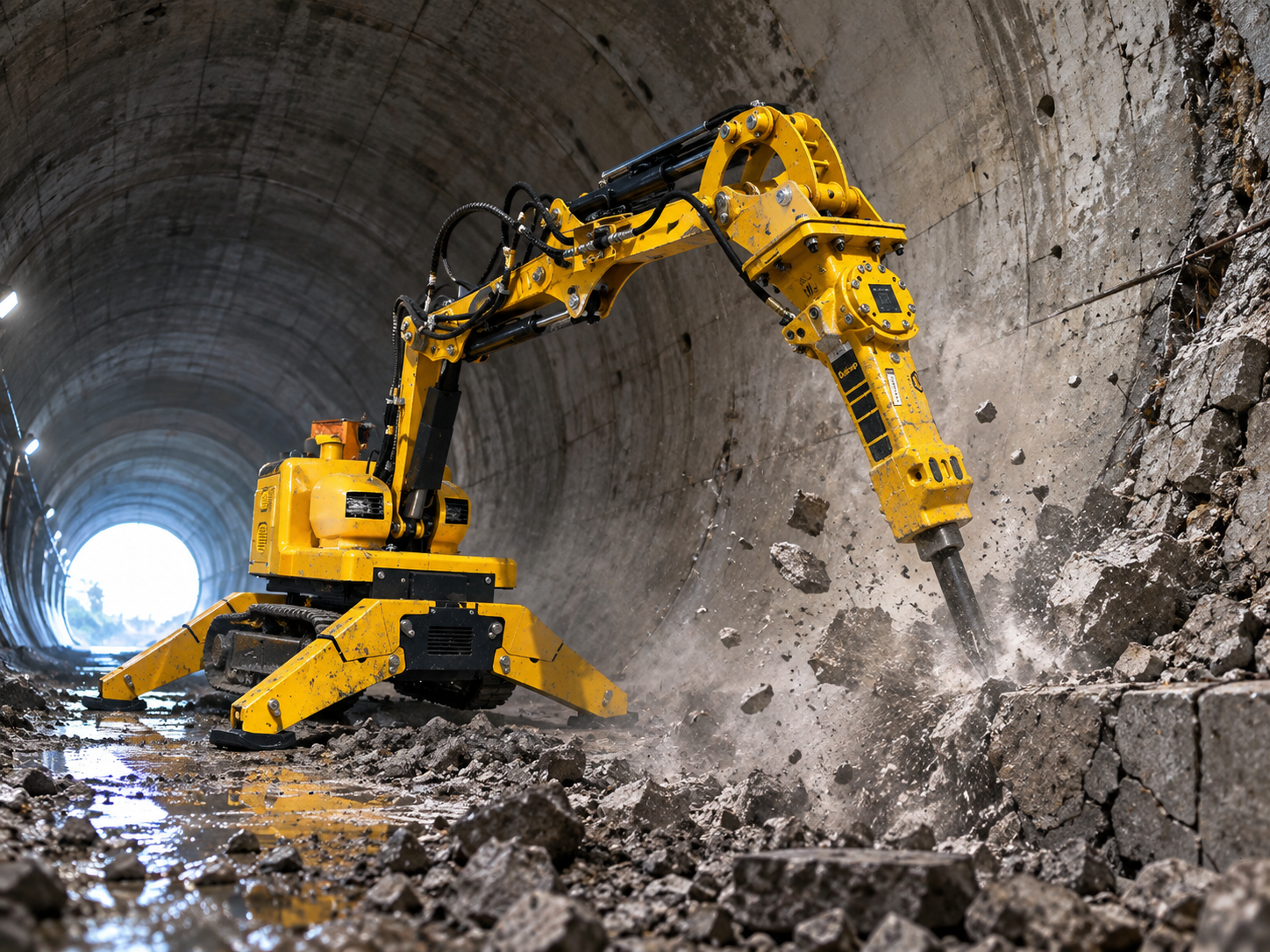
One of the key features of our demolition robots is their exceptional precision and maneuverability. These robots are equipped with advanced control systems that allow operators to precisely position the demolition tools and execute targeted demolition tasks. Unlike traditional demolition methods, which often rely on heavy machinery and brute force, our robots can be operated with a high degree of accuracy, minimizing the risk of damage to nearby structures.
The remote control capabilities of our demolition robots further enhance their precision. Operators can control the robot from a safe distance, using a wireless remote control unit. This allows them to have a clear view of the demolition site and make real-time adjustments to the robot’s movements and operations. By maintaining a safe distance from the demolition area, operators can also avoid potential hazards and ensure their own safety.
Low Vibration and Noise Levels
Another important factor in protecting nearby structures during demolition is minimizing vibration and noise levels. Excessive vibration and noise can cause damage to adjacent buildings, especially those with sensitive structures or historical significance. Our demolition robots are designed to operate with low vibration and noise levels, reducing the impact on nearby structures and minimizing disruption to the surrounding environment.
The hydraulic systems used in our demolition robots are engineered to provide smooth and controlled movements, minimizing vibration and shock. Additionally, the robots are equipped with noise-reducing features, such as soundproof enclosures and mufflers, to further reduce noise levels. By using our demolition robots, you can ensure that the demolition process is carried out with minimal impact on nearby structures and the surrounding community.
Structural Analysis and Planning
Before any demolition operation begins, it is essential to conduct a thorough structural analysis of the building or structure to be demolished and the nearby structures. This analysis helps to identify potential risks and develop a demolition plan that minimizes the impact on adjacent buildings. As a supplier of demolition robots, we work closely with our clients to provide comprehensive structural analysis and planning services.
Our team of experienced engineers and technicians uses advanced software and tools to conduct detailed structural analyses of the demolition site. They consider factors such as the type and condition of the building, the proximity of nearby structures, and the potential effects of vibration and noise. Based on the results of the analysis, they develop a customized demolition plan that outlines the specific techniques and procedures to be used to ensure the safety of nearby structures.
Protective Measures
In addition to the precision control, low vibration and noise levels, and structural analysis and planning, our demolition robots are also equipped with a range of protective measures to further safeguard nearby structures. These measures include the use of protective barriers, shields, and mats to prevent debris and dust from spreading to adjacent areas.
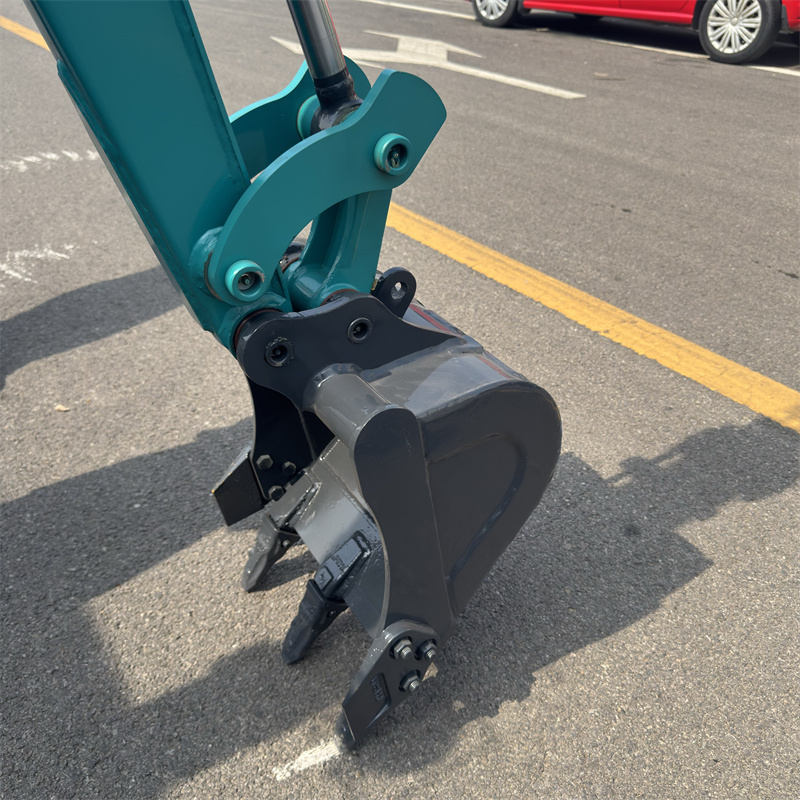
Our robots can be fitted with specialized attachments, such as hydraulic breakers, crushers, and shears, that are designed to minimize the generation of debris and dust. These attachments are also engineered to provide precise and controlled demolition, reducing the risk of damage to nearby structures. Additionally, our robots can be equipped with dust suppression systems, such as water sprays and misting nozzles, to further reduce the amount of dust generated during the demolition process.
Monitoring and Inspection
Throughout the demolition process, it is important to monitor the condition of nearby structures to ensure their safety. Our demolition robots are equipped with advanced monitoring systems that allow operators to continuously monitor the vibration, noise, and structural integrity of the nearby buildings. These systems provide real-time data and alerts, allowing operators to take immediate action if any potential issues are detected.
In addition to the on-board monitoring systems, our team of engineers and technicians also conducts regular inspections of the nearby structures during the demolition process. They use non-destructive testing techniques, such as ultrasonic testing and ground-penetrating radar, to assess the condition of the buildings and identify any potential damage. Based on the results of the inspections, they can make adjustments to the demolition plan and take additional protective measures if necessary.
Conclusion
As a leading supplier of Demolition Robot, we are committed to providing our clients with the highest quality demolition equipment and services. Our demolition robots are designed to protect nearby structures during the demolition process, ensuring a safe and efficient operation. By using our robots, you can minimize the risk of damage to adjacent buildings, reduce the impact on the surrounding environment, and ensure the safety of your workers and the public.
If you are interested in learning more about our demolition robots and how they can help you protect nearby structures during demolition, please contact us today. Our team of experts will be happy to answer your questions and provide you with a customized solution that meets your specific needs and requirements.
References
“Demolition Safety Guidelines,” Occupational Safety and Health Administration (OSHA)
“Structural Analysis and Design of Buildings,” McGraw-Hill Education
“Hydraulic Systems for Mobile Equipment,” Caterpillar Inc.