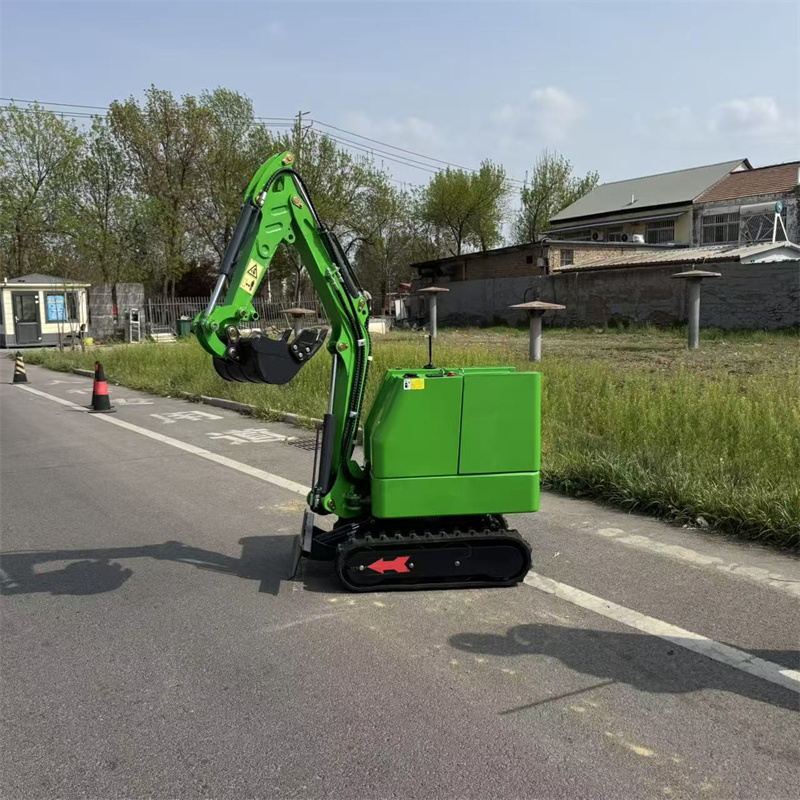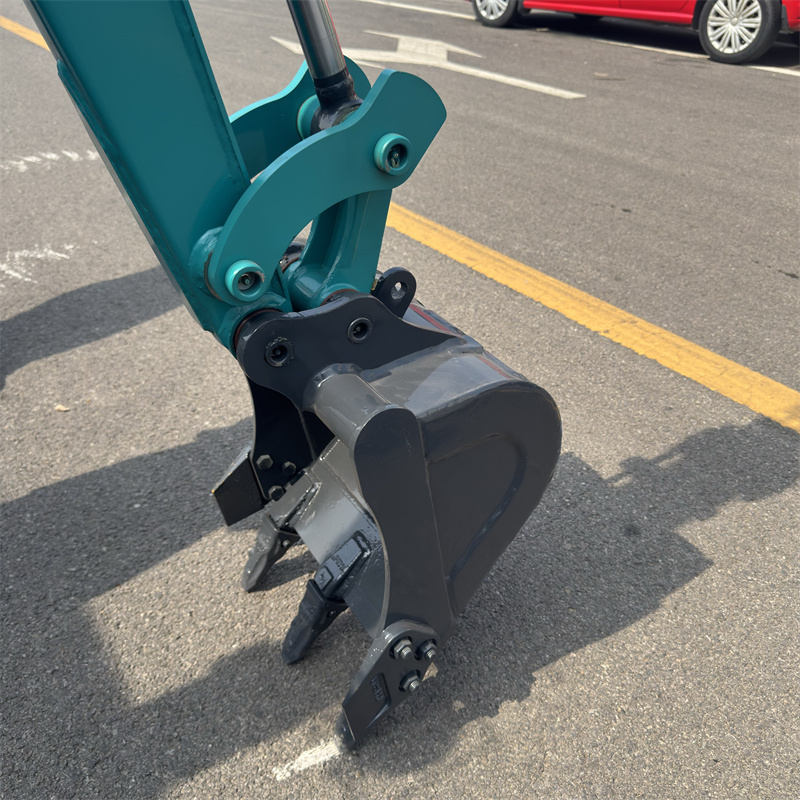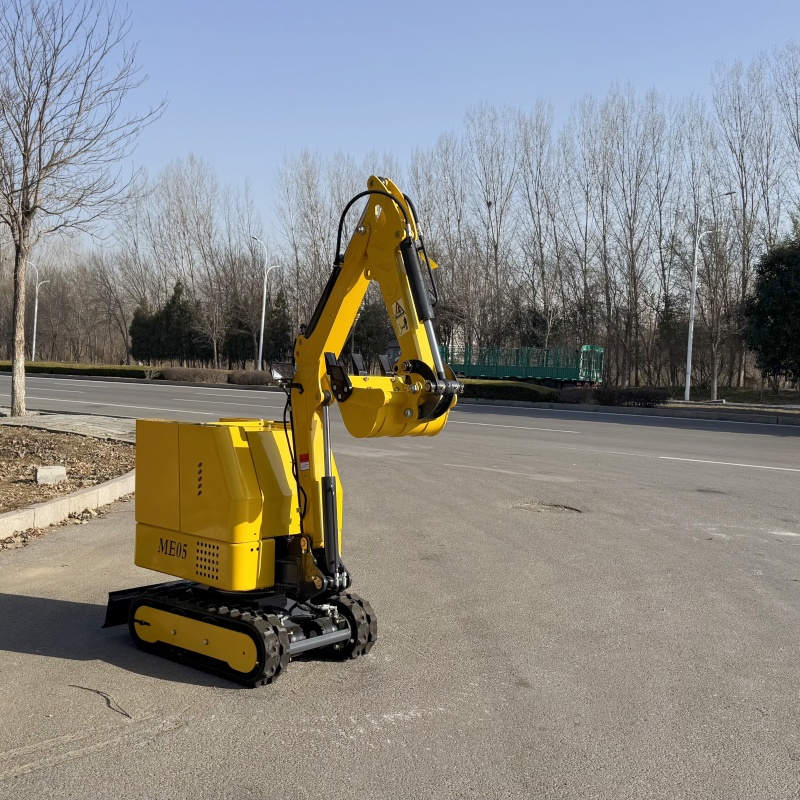
As a supplier of demolition robots, I’ve witnessed firsthand how these incredible machines revolutionize the demolition industry, especially when it comes to operator safety. In this blog, I’ll delve into the various ways a demolition robot protects the operator during work, highlighting the features and technologies that make these robots a game – changer.
Remote – Controlled Operation
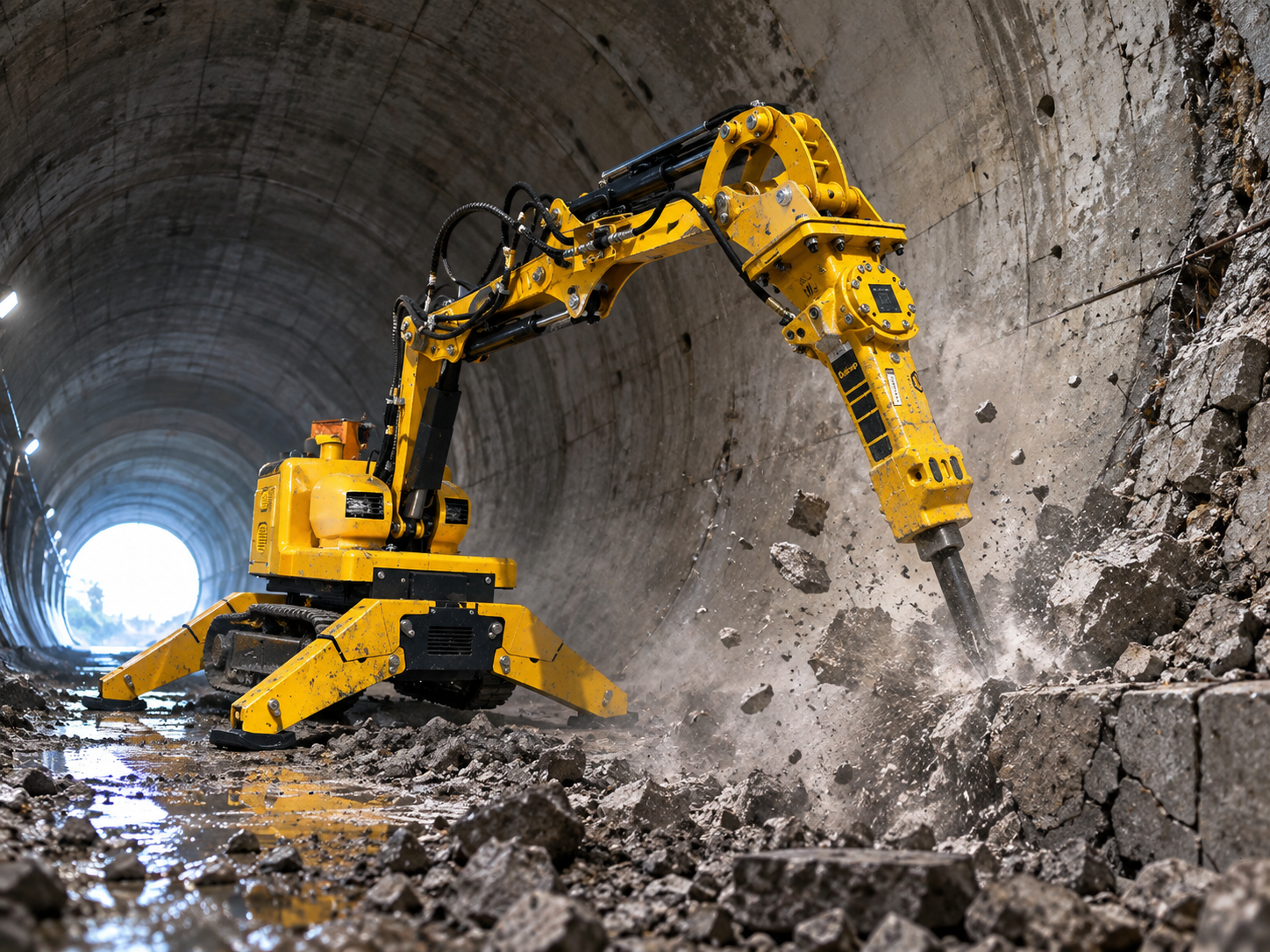
One of the most significant ways a demolition robot protects the operator is through remote – controlled operation. Instead of being in the immediate vicinity of the hazardous demolition site, the operator can stand at a safe distance, often up to several meters away. This eliminates the risk of being hit by flying debris, falling structures, or exposed to harmful dust and fumes.
Our Demolition Robot is equipped with a state – of – the – art remote control system. The remote control provides a high – level of precision, allowing the operator to control every movement of the robot with ease. The controls are intuitive, and the operator can adjust the speed, direction, and force of the robot’s tools, such as hydraulic breakers or crushers, from the safety of a distance.
This remote – controlled feature also enables the operator to access hard – to – reach or dangerous areas. For example, in a building that is on the verge of collapse or in a confined space with high levels of radiation, the demolition robot can be sent in to perform the demolition tasks while the operator remains safe outside.
Robust Design and Construction
Demolition robots are built to withstand the harsh conditions of the demolition environment. They are constructed with high – strength steel frames and durable components that can resist impacts, vibrations, and extreme temperatures. This robust design not only ensures the longevity of the robot but also protects the operator in case of unexpected events.
The robot’s body acts as a shield, absorbing the shock and impact of the demolition work. For instance, when the hydraulic breaker hits a concrete structure, the force is absorbed by the robot’s frame rather than being transmitted back to the operator. This reduces the risk of physical injury to the operator due to sudden jolts or vibrations.
In addition, the components of the demolition robot are designed to be reliable. High – quality hydraulic systems, motors, and electrical components are used to minimize the chances of breakdowns during operation. A breakdown in the middle of a demolition task can be extremely dangerous, but our robots are engineered to have a high level of reliability, giving the operator peace of mind.
Advanced Safety Sensors
Modern demolition robots are equipped with a variety of advanced safety sensors. These sensors play a crucial role in protecting the operator by detecting potential hazards and taking preventive measures.
Proximity sensors are installed on the robot to detect the presence of other objects or people in its vicinity. If an object or person gets too close to the robot, the sensors will trigger an alarm, and in some cases, the robot will automatically stop its operation. This prevents collisions with other equipment or accidental injuries to bystanders or the operator.
Another important type of sensor is the tilt sensor. Demolition work often involves working on uneven surfaces or in unstable structures. The tilt sensor monitors the angle of the robot and can detect if the robot is at risk of tipping over. If the tilt angle exceeds a safe limit, the robot will stop moving and alert the operator, preventing a potentially dangerous situation.
Dust sensors are also commonly used in demolition robots. Demolition work generates a large amount of dust, which can be harmful to the operator’s respiratory system. The dust sensors can detect the level of dust in the air around the robot. If the dust level exceeds a certain threshold, the robot can activate dust suppression systems, such as water sprays, to reduce the dust concentration and protect the operator’s health.
Operator Training and Support
At our company, we understand that proper operator training is essential for ensuring safety. We provide comprehensive training programs for all our customers who purchase our Demolition Robot.
The training covers all aspects of the robot’s operation, including how to use the remote control, how to perform maintenance tasks, and how to respond to emergency situations. Our experienced trainers will guide the operators through hands – on training sessions, allowing them to gain practical experience in a safe environment.
In addition to training, we also offer ongoing support to our customers. Our technical support team is available 24/7 to answer any questions or provide assistance in case of problems. This support ensures that the operators can use the demolition robots safely and effectively throughout their lifespan.
Comparison with Traditional Demolition Methods
When comparing demolition robots with traditional demolition methods, the safety advantages are clear. In traditional demolition, workers are often required to be in close proximity to the demolition site, exposed to all the associated risks. They may be at risk of being hit by falling debris, injured by power tools, or affected by dust and fumes.
In contrast, a demolition robot can perform the same tasks with a much lower risk to the operator. For example, in a large – scale demolition project of a multi – story building, traditional methods may require workers to use scaffolding and manual tools, which is a time – consuming and dangerous process. With a demolition robot, the operator can control the robot to perform the demolition from a safe distance, reducing the risk of accidents and increasing the efficiency of the project.
Different Models for Different Needs
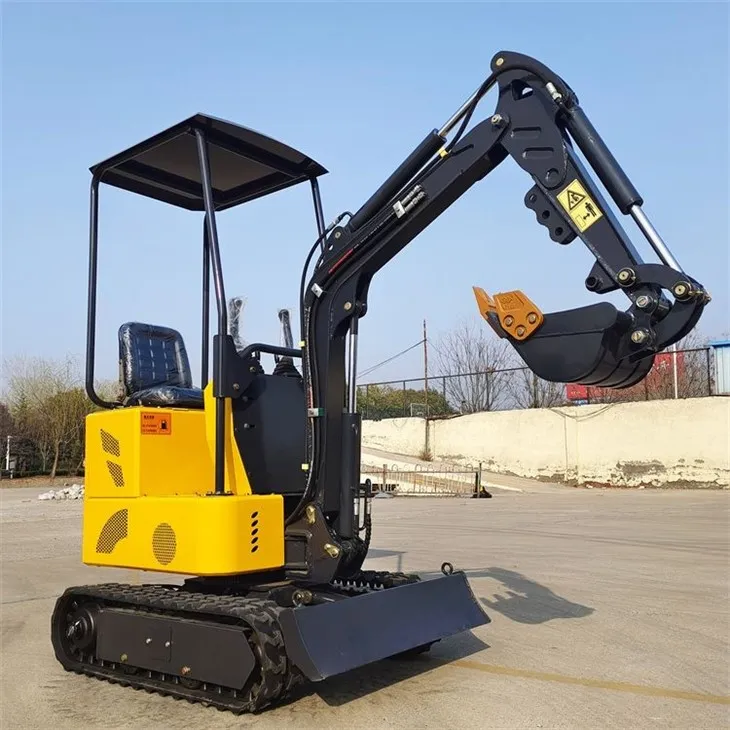
We offer a range of demolition robot models to meet the diverse needs of our customers. For example, the Rc Hydraulic Engineering Excavator is a versatile model that can be used for various demolition and excavation tasks. It has a powerful hydraulic system and a wide range of attachments, making it suitable for both small – scale and large – scale projects.
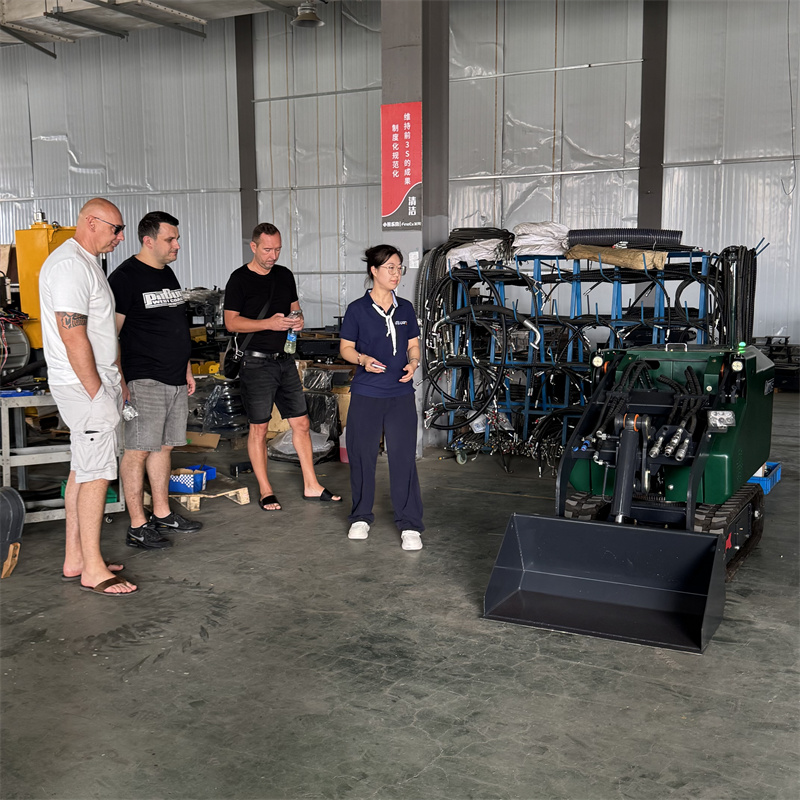
The ANTS Mini Excavator Robot is designed for more compact and precise demolition work. It is ideal for use in confined spaces, such as indoor demolition or in areas with limited access. These different models ensure that our customers can choose the most suitable robot for their specific project requirements, while still benefiting from the high – level of operator safety features.
Conclusion
In conclusion, demolition robots offer a high – level of protection for operators during work. Through remote – controlled operation, robust design, advanced safety sensors, and comprehensive training and support, these robots minimize the risks associated with demolition work. As a supplier of demolition robots, we are committed to providing our customers with the safest and most reliable machines on the market.
If you are interested in learning more about our demolition robots or would like to discuss your specific project requirements, we encourage you to contact us for a procurement consultation. Our team of experts is ready to assist you in finding the perfect demolition robot solution for your needs.
References
“Demolition Robotics: Technology and Applications” by John Smith
“Safety in the Demolition Industry” published by the International Demolition Association
“Advances in Remote – Controlled Construction Equipment” in the Journal of Construction Technology