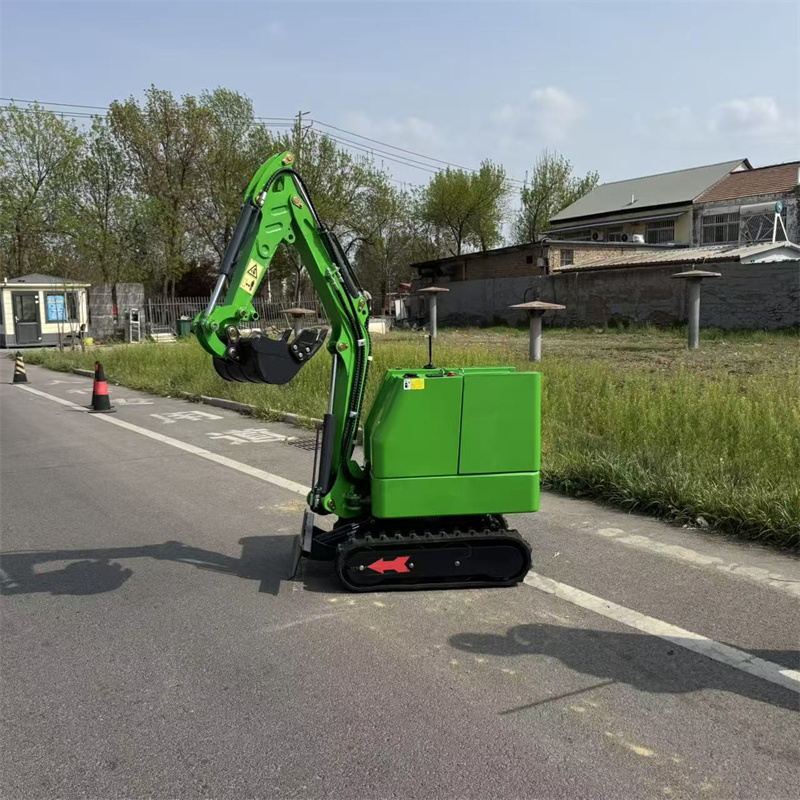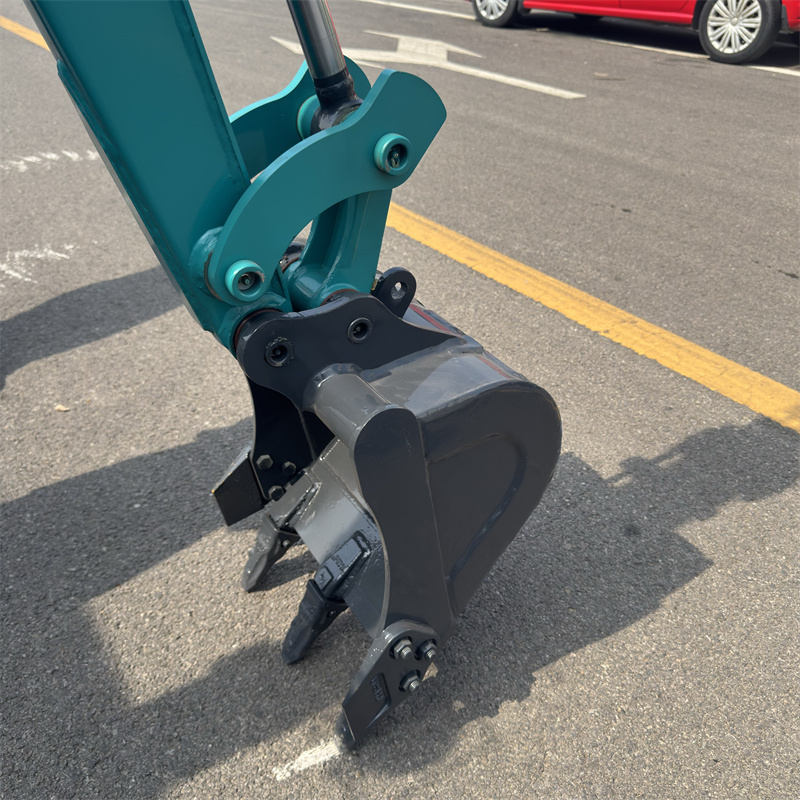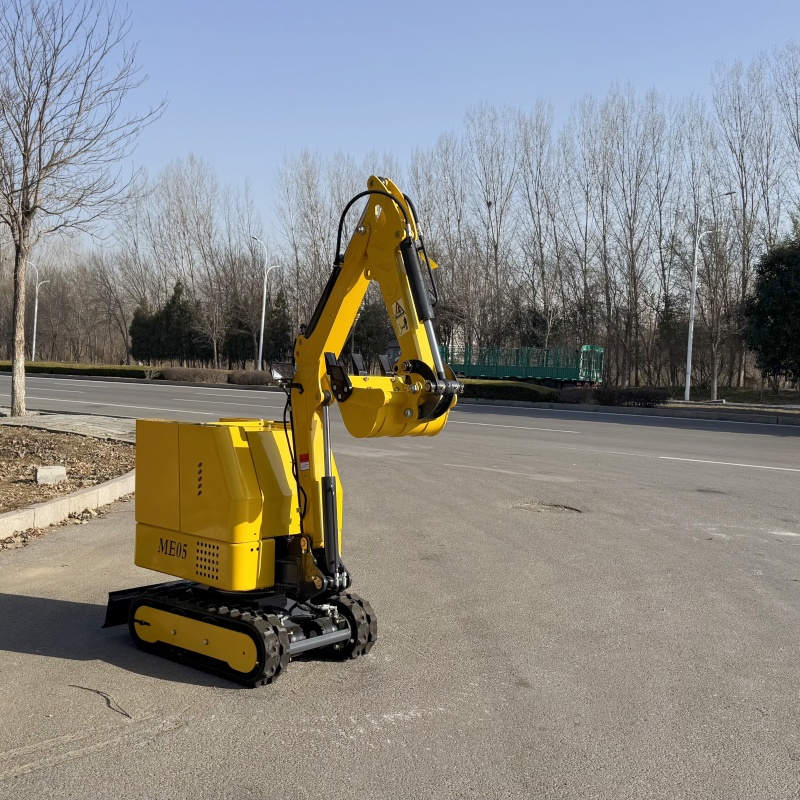
A mini crawler dumper is a versatile and efficient piece of equipment designed to handle various material handling tasks in tight and challenging spaces. As a supplier of mini crawler dumpers, I am often asked about how these machines work. In this blog post, I will provide a detailed overview of the working principles, components, and operation of a mini crawler dumper.
Working Principles
The basic working principle of a mini crawler dumper is to transport and dump materials using a crawler track system and a hydraulic dumping mechanism. The crawler tracks provide excellent traction and stability, allowing the dumper to operate on uneven terrain, slopes, and soft ground. The hydraulic system is responsible for lifting and tilting the dump body to unload the materials.
Components of a Mini Crawler Dumper
Crawler Tracks
The crawler tracks are the most distinctive feature of a mini crawler dumper. They are made up of a series of metal links connected by pins and are driven by a hydraulic motor. The tracks distribute the weight of the dumper evenly over a large surface area, reducing ground pressure and minimizing damage to the terrain. This allows the dumper to operate in areas where traditional wheeled vehicles would struggle, such as construction sites, gardens, and agricultural fields.
Dump Body
The dump body is the part of the dumper that holds the materials to be transported. It is typically made of steel and is designed to be strong and durable. The dump body is attached to the chassis of the dumper by a hinge and is lifted and tilted by a hydraulic cylinder. The capacity of the dump body can vary depending on the model of the dumper, ranging from a few hundred liters to several cubic meters.
Hydraulic System
The hydraulic system is the heart of the mini crawler dumper. It consists of a hydraulic pump, hydraulic cylinders, valves, and hoses. The hydraulic pump is driven by the engine and generates the pressure needed to operate the hydraulic cylinders. The hydraulic cylinders are responsible for lifting and tilting the dump body, as well as controlling the movement of the crawler tracks. The valves and hoses are used to direct the flow of hydraulic fluid to the different components of the system.
Engine
The engine is the power source of the mini crawler dumper. It can be either a gasoline engine or a diesel engine, depending on the model and application. The engine provides the power needed to drive the hydraulic pump, the crawler tracks, and other components of the dumper. The power output of the engine can vary depending on the size and capacity of the dumper, ranging from a few horsepower to several dozen horsepower.
Operator Controls
The operator controls are located in the cab of the mini crawler dumper and are used to operate the machine. They typically include a steering wheel, pedals, levers, and switches. The steering wheel is used to control the direction of the dumper, while the pedals are used to control the speed and braking. The levers and switches are used to control the hydraulic system, such as lifting and tilting the dump body.
Operation of a Mini Crawler Dumper
Loading
To load the mini crawler dumper, the operator first positions the dumper near the materials to be loaded. The dump body is then lowered to the ground, and the materials are loaded into the dump body using a shovel, loader, or other equipment. Once the dump body is full, the operator raises the dump body to the transport position using the hydraulic controls.
Transporting
Once the dump body is loaded and raised, the operator can start the engine and drive the dumper to the destination. The crawler tracks provide excellent traction and stability, allowing the dumper to navigate through rough terrain and slopes. The operator can control the speed and direction of the dumper using the steering wheel and pedals.
Dumping
When the dumper reaches the destination, the operator stops the machine and positions the dump body over the unloading area. The operator then activates the hydraulic controls to tilt the dump body and unload the materials. The hydraulic system provides the power needed to lift and tilt the dump body quickly and efficiently. Once the materials are unloaded, the operator lowers the dump body back to the transport position and returns the dumper to the loading area.
Applications of Mini Crawler Dumpers
Mini crawler dumpers are used in a wide range of applications, including:
Construction Sites: Mini crawler dumpers are commonly used on construction sites to transport and dump materials such as soil, gravel, sand, and debris. They can operate in tight spaces and on uneven terrain, making them ideal for use in building construction, road construction, and landscaping projects.
Gardens and Landscaping: Mini crawler dumpers are also used in gardens and landscaping to transport and dump materials such as soil, mulch, and plants. They can be used to move large amounts of materials quickly and efficiently, reducing the time and effort required for manual labor.
Agriculture: Mini crawler dumpers are used in agriculture to transport and dump materials such as manure, hay, and grain. They can be used in farms, orchards, and vineyards to move materials between different areas of the farm.
Mining and Quarrying: Mini crawler dumpers are used in mining and quarrying to transport and dump materials such as ore, rock, and gravel. They can operate in harsh environments and on steep slopes, making them ideal for use in underground mines and open-pit quarries.
Advantages of Mini Crawler Dumpers
Versatility: Mini crawler dumpers are highly versatile machines that can be used in a wide range of applications. They can operate in tight spaces, on uneven terrain, and in harsh environments, making them suitable for use in various industries.
Efficiency: Mini crawler dumpers are designed to be efficient and productive. They can transport and dump large amounts of materials quickly and easily, reducing the time and effort required for manual labor.
Safety: Mini crawler dumpers are equipped with safety features such as seat belts, roll-over protection, and emergency stop buttons. These features help to ensure the safety of the operator and other workers on the job site.
Low Ground Pressure: The crawler tracks of mini crawler dumpers distribute the weight of the machine evenly over a large surface area, reducing ground pressure and minimizing damage to the terrain. This makes them ideal for use in areas where traditional wheeled vehicles would cause damage.
Conclusion
Mini crawler dumpers are versatile and efficient machines that are used in a wide range of applications. They work by using a crawler track system and a hydraulic dumping mechanism to transport and dump materials. The components of a mini crawler dumper include the crawler tracks, dump body, hydraulic system, engine, and operator controls. The operation of a mini crawler dumper involves loading, transporting, and dumping materials. Mini crawler dumpers offer several advantages, including versatility, efficiency, safety, and low ground pressure.
If you are interested in purchasing a mini crawler dumper or other related equipment such as Electric Pallet Forklift and Electric Forklift, please visit our website Mini Crawler Dumper for more information. We are a leading supplier of high-quality mini crawler dumpers and other material handling equipment, and we are committed to providing our customers with the best products and services. Contact us today to discuss your specific requirements and to get a quote.
References
“Mini Crawler Dumper: Working Principles and Applications.” Construction Equipment Magazine.
“Hydraulic Systems in Mini Crawler Dumpers.” Hydraulics Journal.
“The Advantages of Using Mini Crawler Dumpers in Agriculture.” Agricultural Engineering Review.