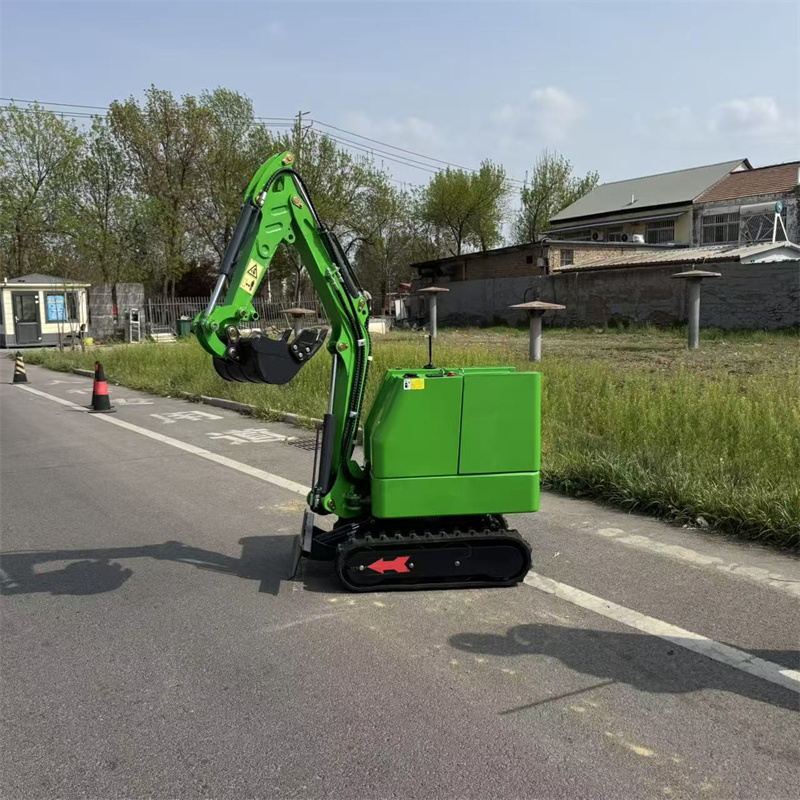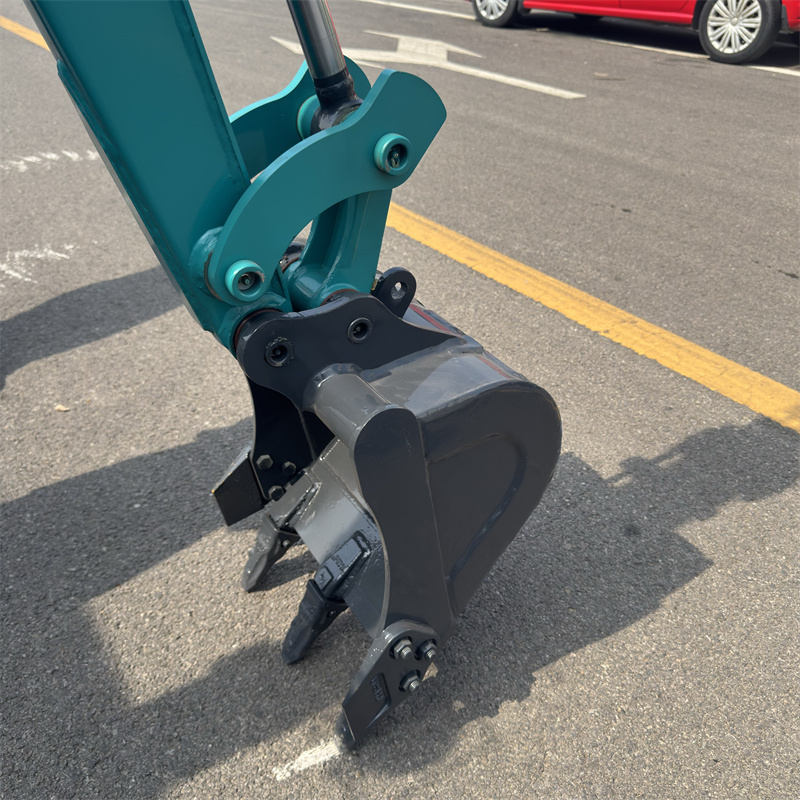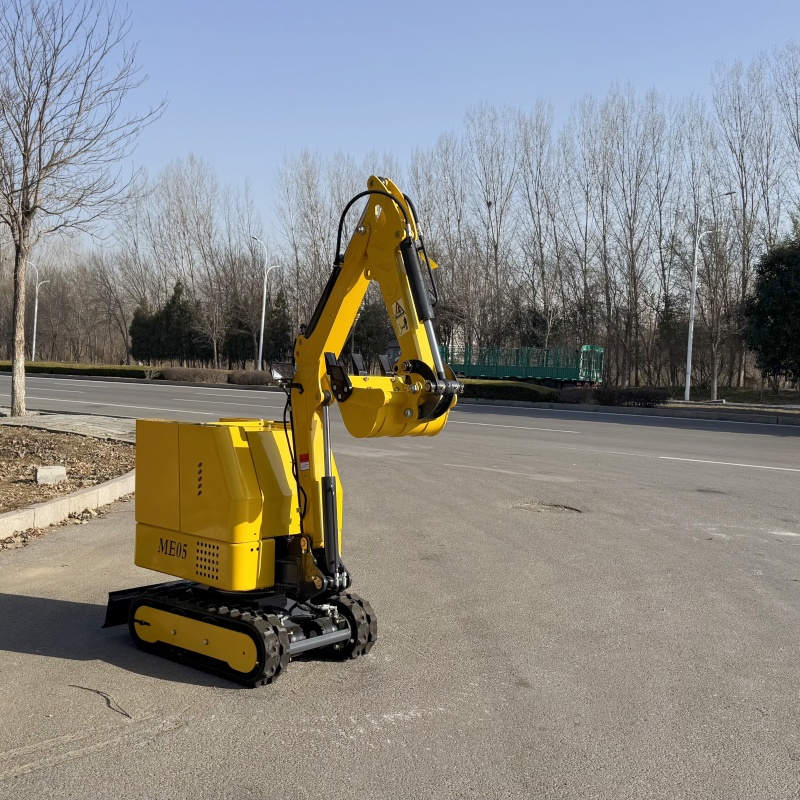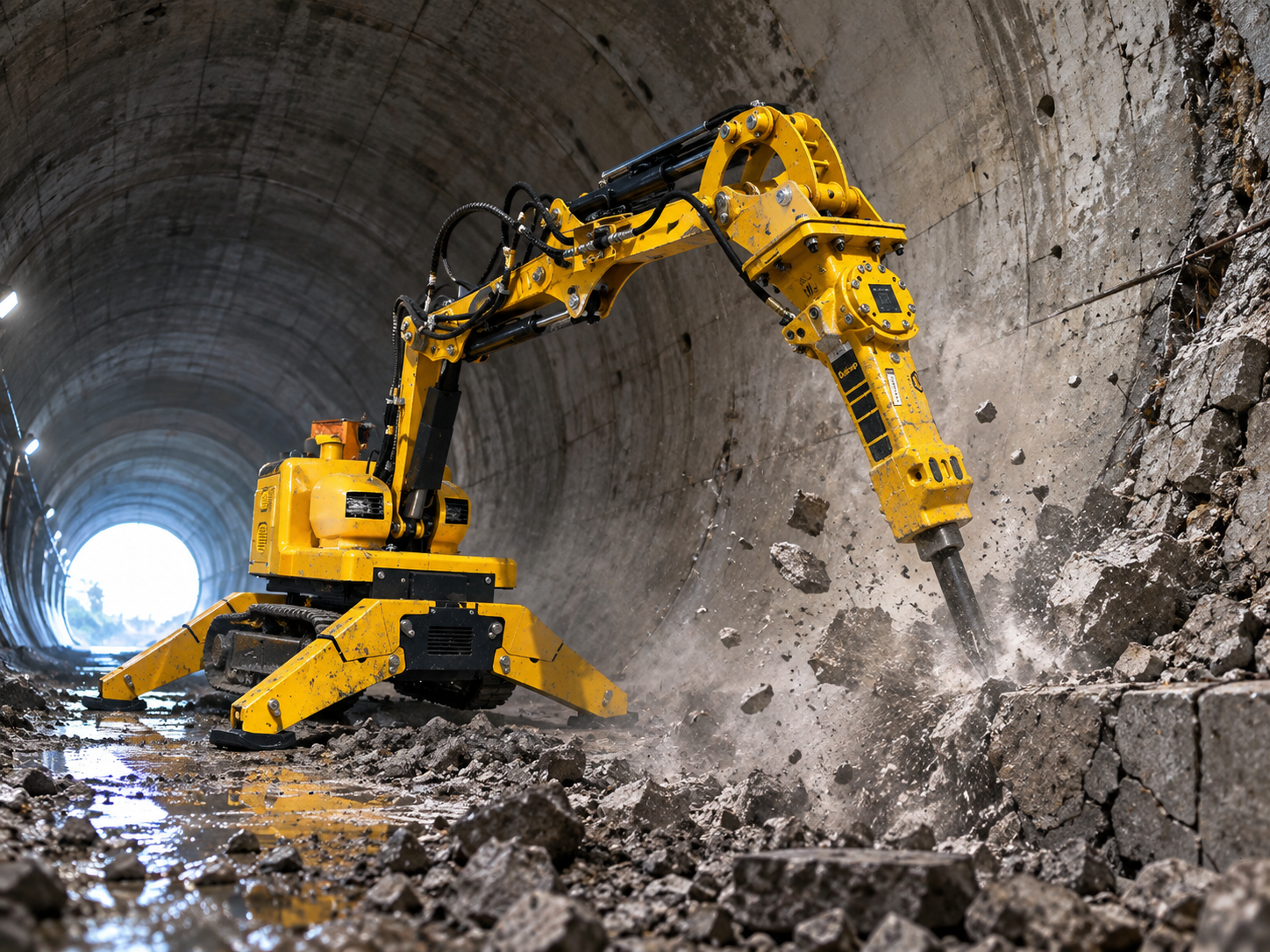
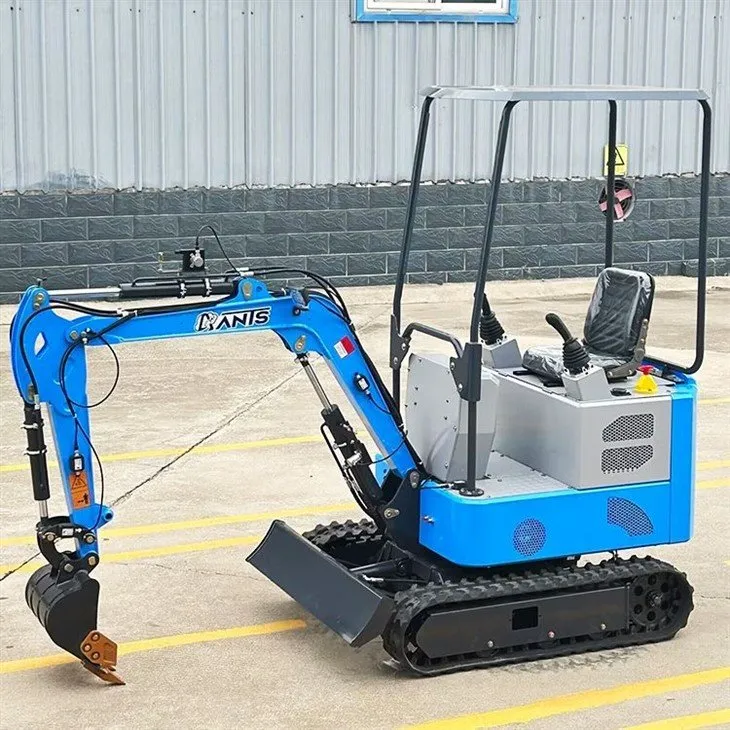
When it comes to construction and excavation work, the 1.5 – ton excavator has become a popular choice for many contractors and operators due to its compact size and versatility. However, working in wet conditions presents a unique set of challenges. As a supplier of Excavator 1.5 Ton, I have witnessed firsthand how these machines perform in such environments. In this blog, I will delve into the performance of the 1.5 – ton excavator in wet conditions, discussing its strengths, limitations, and the necessary precautions.
Traction and Mobility
One of the primary concerns in wet conditions is traction. The 1.5 – ton excavator is designed with tracks that provide a relatively large contact area with the ground. This feature helps distribute the machine’s weight evenly, reducing the risk of sinking in soft, wet soil. The tracks also have a tread pattern that is optimized for grip. In muddy or wet terrains, the deep grooves in the tracks can bite into the ground, providing better traction compared to wheels.
However, extremely wet and muddy conditions can still pose problems. The mud can build up between the track links, reducing the effective tread depth and thus decreasing traction. In such cases, operators may need to stop periodically to clean the tracks. Additionally, the weight of the excavator can cause it to sink deeper into the wet ground, especially if the soil is saturated. This can lead to reduced mobility, making it difficult to maneuver the machine around the worksite.
Digging Performance
The digging performance of a 1.5 – ton excavator in wet conditions is also affected. The wet soil is generally heavier and stickier than dry soil. This means that when the excavator’s bucket scoops up the wet soil, it has to lift a greater weight. The sticky nature of the wet soil can also cause it to adhere to the bucket, reducing the bucket’s capacity and making it harder to dump the load.
On the positive side, the compact size and powerful hydraulic system of the 1.5 – ton excavator can still enable it to perform digging tasks effectively. The hydraulic cylinders that control the boom, arm, and bucket movements are designed to generate sufficient force to break through the wet soil. Moreover, the precision control of these hydraulic systems allows operators to perform delicate digging operations, even in challenging wet conditions. You can learn more about the digging capabilities of our 1.5 – ton excavators on our Mini Excavator Digging page.
Stability
Stability is crucial for any excavator, especially in wet conditions. The 1.5 – ton excavator has a low center of gravity, which helps maintain stability on uneven or wet ground. The wide stance of the tracks also contributes to its stability. However, the wet ground can be unpredictable, and sudden shifts in the soil’s stability can occur.
For example, if the excavator is working near a water – filled ditch or a soft embankment, the wet soil may give way, causing the machine to tilt or even tip over. To mitigate these risks, operators should always assess the ground conditions before starting work. They should also avoid working too close to the edges of slopes or unstable areas. Additionally, the use of outriggers, if available on the excavator, can provide extra stability in wet and uneven terrains.
Maintenance and Durability
Working in wet conditions can take a toll on the 1.5 – ton excavator’s components. The constant exposure to water and mud can lead to corrosion of metal parts. The electrical systems are also at risk of water damage, which can cause malfunctions. To ensure the longevity of the excavator, regular maintenance is essential.
After each use in wet conditions, the excavator should be thoroughly cleaned. This includes washing off the mud from the tracks, boom, and bucket, as well as drying the electrical components. The hydraulic fluid should be checked regularly for contamination, as water can mix with the fluid and cause damage to the hydraulic system. Our Excavator 1.5 Ton models are built with high – quality materials and corrosion – resistant coatings to withstand the rigors of wet – weather operation. However, proper maintenance is still key to maximizing their durability.
Operator Safety
Safety is of utmost importance when operating a 1.5 – ton excavator in wet conditions. The wet ground can be slippery, increasing the risk of slips and falls for operators when entering or exiting the machine. The reduced visibility due to rain or fog can also make it difficult for operators to see potential hazards.
Operators should wear appropriate safety gear, such as non – slip boots and high – visibility clothing. They should also be trained to operate the excavator safely in wet conditions, including understanding the limitations of the machine and how to respond to unexpected situations. Regular safety inspections of the excavator should be carried out to ensure that all safety features, such as seat belts and emergency stop buttons, are in working order.
Precautions and Best Practices
To optimize the performance of the 1.5 – ton excavator in wet conditions, several precautions and best practices should be followed. Before starting work, a thorough site assessment should be conducted to identify potential hazards, such as soft spots, waterlogged areas, or hidden obstacles. Operators should also check the weather forecast to anticipate any changes in the weather conditions.
During operation, the speed of the excavator should be reduced to maintain better control. The operator should avoid sudden movements, as these can cause the machine to lose traction or stability. If the ground conditions become too challenging, it may be necessary to halt the work and wait for the ground to dry out or take measures to improve the soil conditions, such as adding gravel or sand.
Conclusion
In conclusion, the 1.5 – ton excavator can perform reasonably well in wet conditions, thanks to its design features such as tracks, powerful hydraulic systems, and low center of gravity. However, it is not without its limitations. The wet ground can affect traction, digging performance, stability, and the durability of the machine. By following the necessary precautions and best practices, operators can minimize these challenges and ensure the safe and efficient operation of the excavator.
If you are in the market for a reliable 1.5 – ton excavator, look no further than our 1.5 Ton Mini Excavator models. Our excavators are designed to meet the demands of various construction and excavation projects, including those in wet conditions. We are committed to providing high – quality products and excellent customer service. If you have any questions or would like to discuss your specific requirements, please do not hesitate to contact us for a procurement discussion.
References
Construction Equipment Handbook. McGraw – Hill Professional.
Excavator Operator Training Manual. Manufacturer’s Edition.
Journal of Construction Engineering and Management. ASCE Publications.