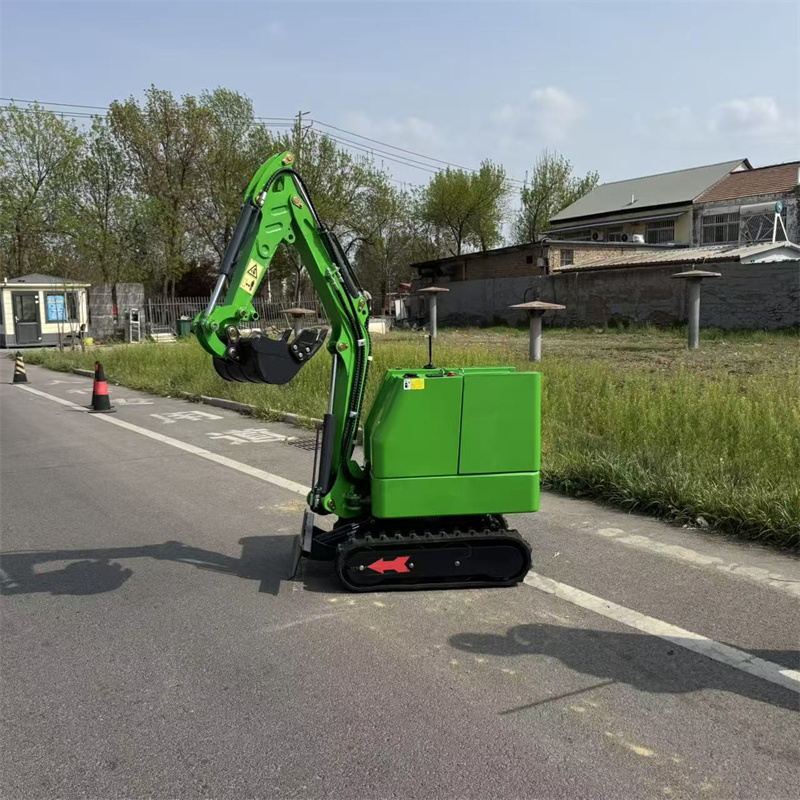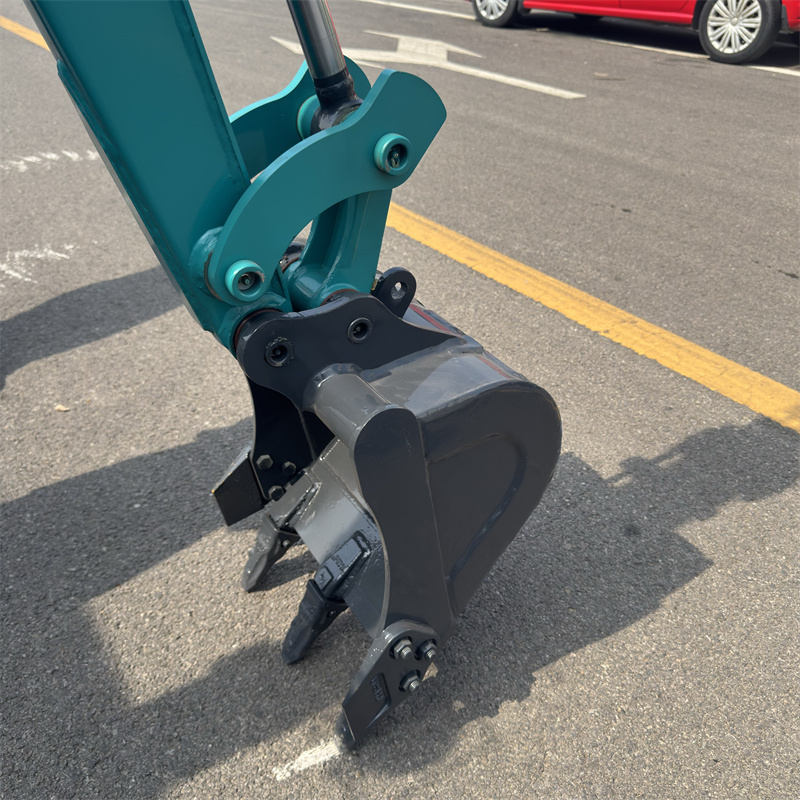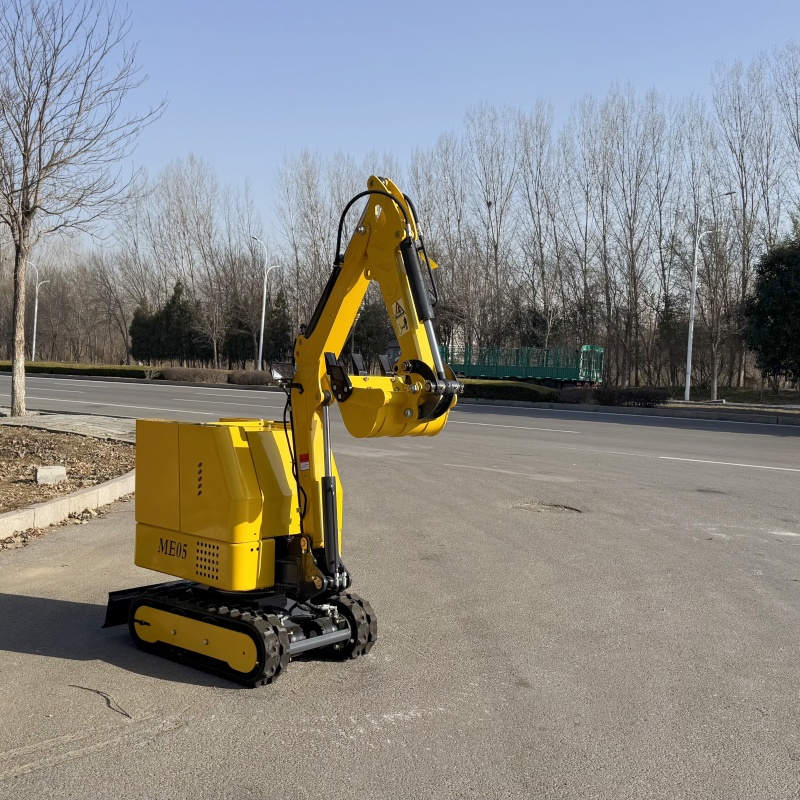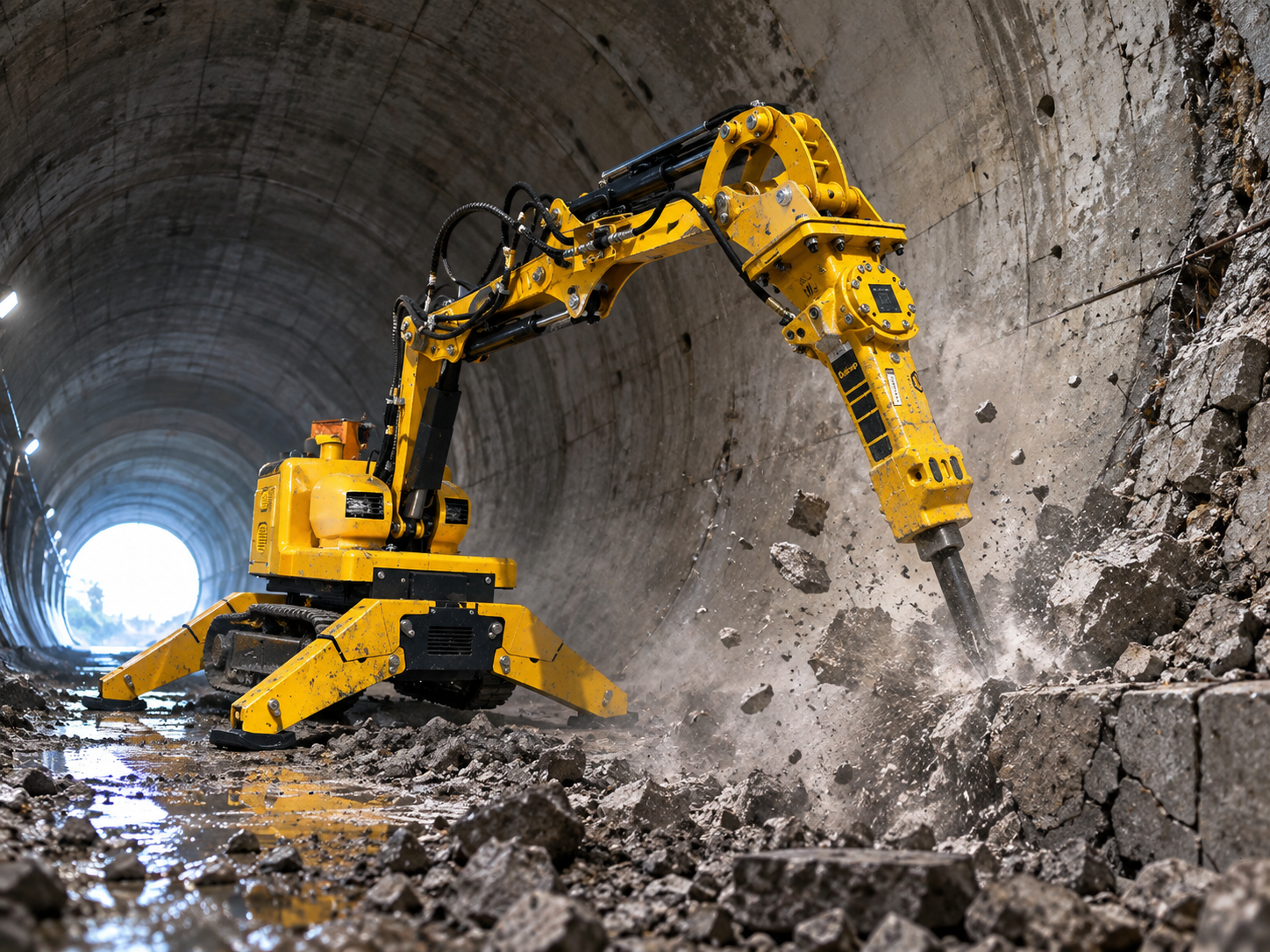
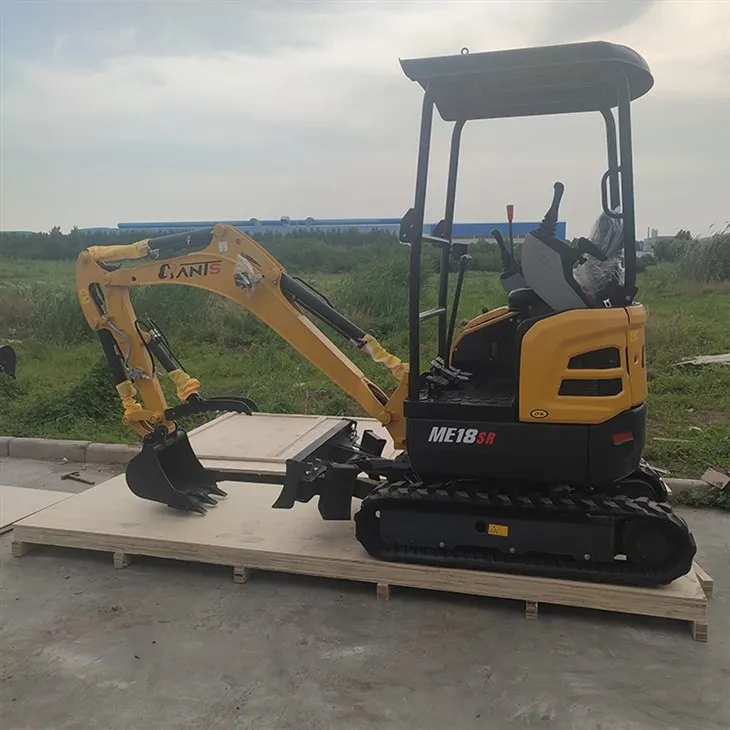
Yo! I’m a supplier of 1.8 – ton mini excavators, and today I wanna chat about how the blade attachment of these bad boys functions. These 1.8 – ton mini excavators are super handy for all sorts of jobs, from small construction sites to landscaping projects. And the blade attachment is a key part of what makes these machines so versatile.
Let’s first understand what the blade attachment is. It’s that flat, wide metal piece located at the front of the mini excavator. It kinda looks like a big spatula, but way more powerful. The blade is connected to the main body of the excavator through a series of hydraulic cylinders and arms. These hydraulics are what give the blade its mobility and strength.
One of the primary functions of the blade is grading. You know, when you need to level out a surface? Whether it’s for building a new patio, preparing a site for a foundation, or just making your backyard look nicer, the blade attachment is your go – to tool. The hydraulic system allows you to adjust the angle of the blade. You can tilt it to the left or right, depending on the slope you want to create or correct. For example, if you’re working on a piece of ground that has a slight incline in one direction, you can tilt the blade to counteract that and level things out. This Mini Excavator Landscaping link shows how useful the blade is in creating a smooth and even surface for landscaping projects.
Another important function is digging support. When the mini excavator is digging a trench, the blade acts as a stabilizer. It helps to keep the machine balanced, especially when the digging is gettin’ deep. You can lower the blade to the ground and use it as a counter – balance to the weight and force exerted by the digging arm. This ensures that the excavator doesn’t tip over during the digging process. Check out this Mini Excavator Digging A Trench to see how the blade works in real – time during trench – digging operations.
The blade can also be used for pushing materials. Whether it’s dirt, gravel, or even small rocks, you can use the blade to push them around. You just lower the blade to the ground and drive the excavator forward, and the materials will be pushed in front of it. This is great for moving large amounts of material over a relatively short distance quickly. It saves a lot of time and effort compared to manual labor.
Now, let’s talk about how the hydraulic system works to operate the blade. The hydraulic cylinders are filled with hydraulic fluid. When the operator controls the levers inside the excavator’s cab, it sends signals to the hydraulic valves. These valves then direct the flow of the hydraulic fluid into the appropriate cylinders. When fluid is pumped into a cylinder, it causes a piston inside the cylinder to move. This movement is what makes the blade go up, down, or tilt to the side.
The advantage of using hydraulics is that they provide a lot of power in a small and efficient package. The hydraulic system can generate a large amount of force, which is necessary to move heavy materials and perform tough grading tasks. It’s also very precise. The operator can make small adjustments to the blade’s position with just a flick of the lever, giving them a high level of control over the work.
The blade attachment on a 1.8 – ton mini excavator is usually made of high – strength steel. This makes it durable enough to withstand the wear and tear of heavy – duty use. The edges of the blade are often sharpened or reinforced to make it more effective at cutting through compacted soil or pushing through tough materials.
Also, the blade can be easily removed or attached. If you have a job that doesn’t require the blade, you can detach it and use the excavator for other purposes, like digging with just the bucket. And when you need the blade again, it can be quickly re – attached, allowing you to switch between different functions of the excavator easily.
In terms of maintenance, the blade doesn’t require a whole lot. However, it’s important to keep the hydraulic connections clean and free of debris. You should also check for any signs of wear on the blade itself, like cracks or excessive rust. Regularly lubricating the moving parts of the hydraulic system will ensure that it operates smoothly and efficiently.
The blade attachment on our 1.8 – ton mini excavators is an essential part of the machine. It provides a wide range of functions, from grading and stabilizing to pushing materials. With its powerful hydraulic system and durable construction, it can handle a variety of jobs with ease.
If you’re in the market for a 1.8 – ton mini excavator, or if you’re just interested in learning more about these awesome machines, feel free to reach out. We’re here to answer all your questions and help you find the right equipment for your needs. Whether you’re a professional contractor or a DIY enthusiast, our 1.8 – ton mini excavators could be the perfect fit for your next project. And don’t forget to check out our Mini Crawler Excavator page to see more of what our excavators can do. Let’s start a conversation about how we can take your projects to the next level!
References
Industry knowledge and experience of 1.8 – ton mini excavator operation
Observations from real – world excavating and landscaping projects using 1.8 – ton mini excavators