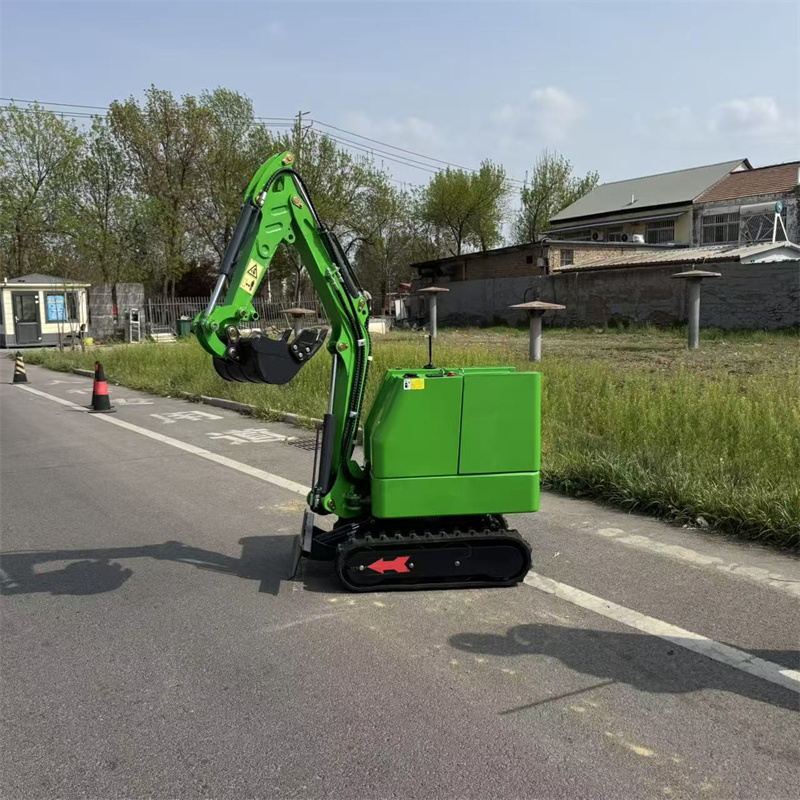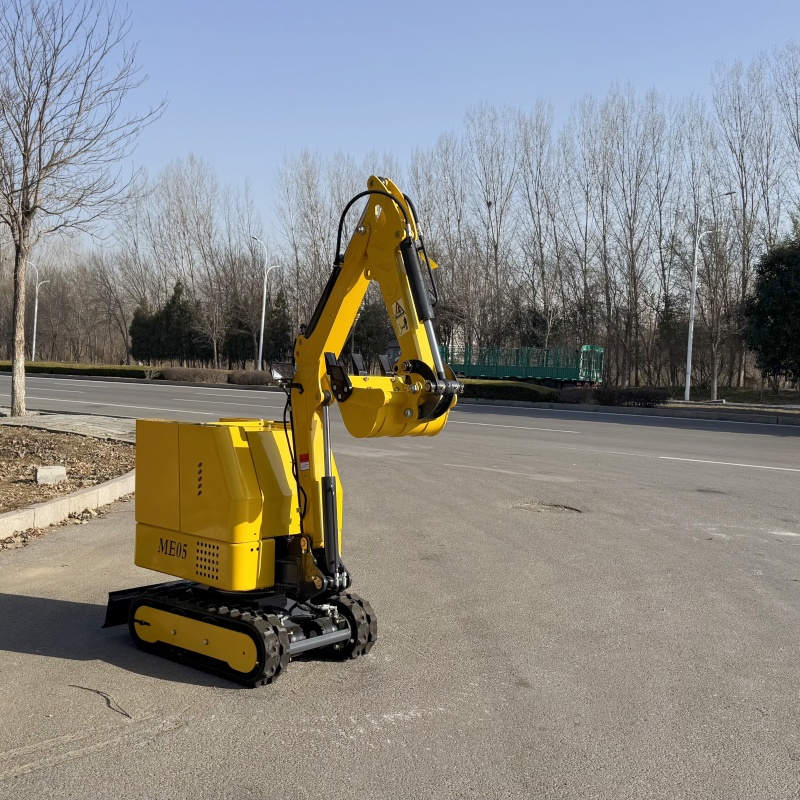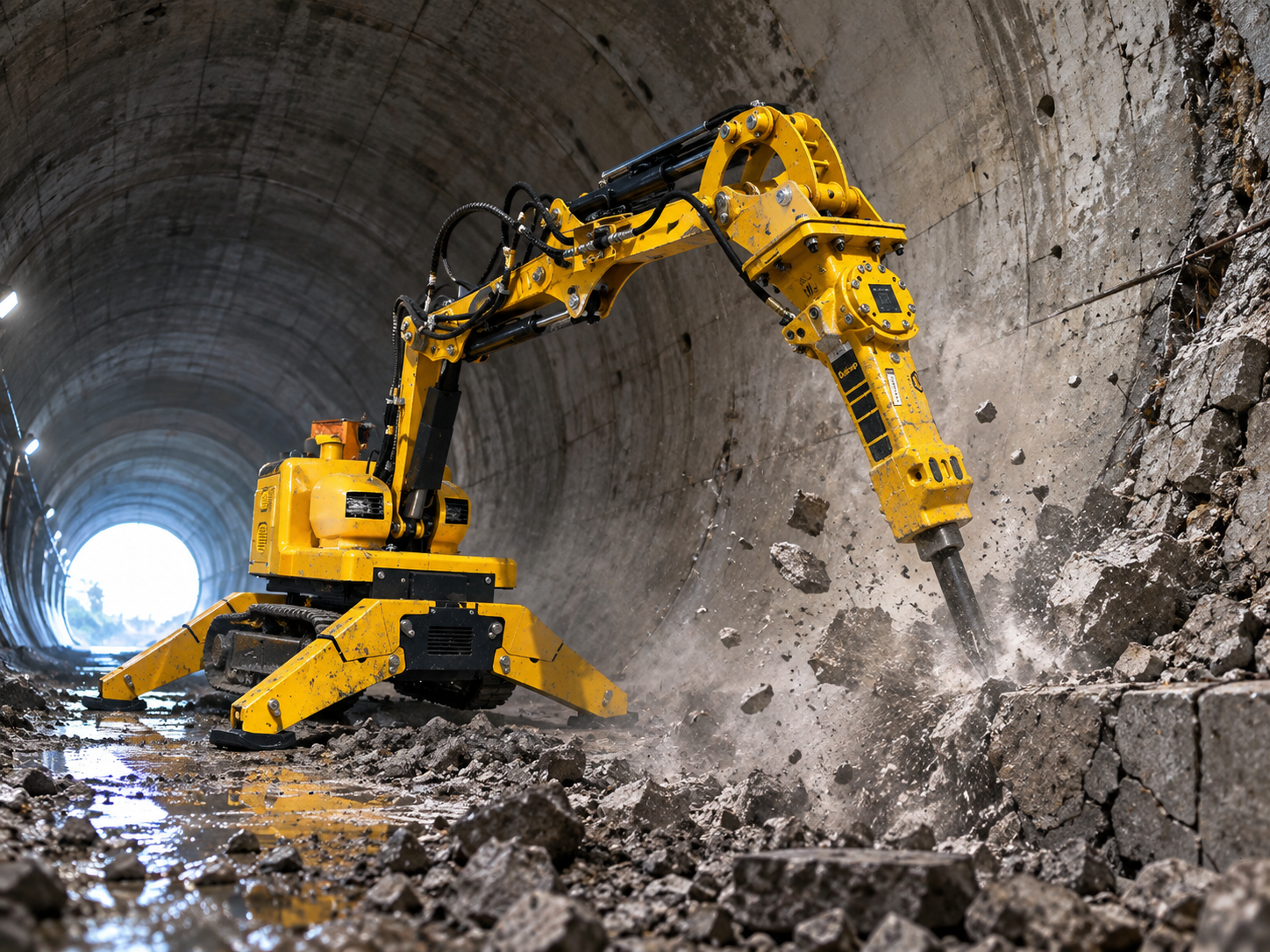
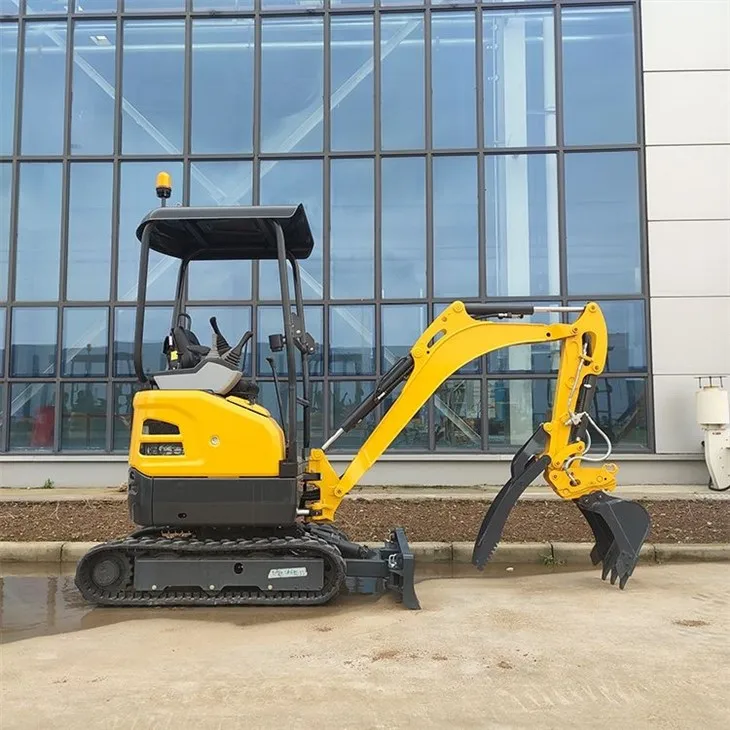
As a supplier of 1.8 – ton mini excavators, I’ve witnessed firsthand how the bucket design of these machines can significantly impact their performance. In this blog, I’ll delve into the various aspects of bucket design and explain how they affect the overall functionality and efficiency of a 1.8 – ton mini excavator.
Bucket Capacity and Its Impact on Performance
The capacity of the bucket is one of the most fundamental design aspects. A larger bucket can hold more material in a single scoop, which means fewer cycles are required to complete a task. For instance, when excavating a large area of soil or gravel, a 1.8 – ton mini excavator with a larger – capacity bucket can move more material in less time. However, it’s important to note that increasing the bucket capacity also adds weight to the machine. This can potentially affect the excavator’s stability, especially when working on uneven terrain.
On the other hand, a smaller – capacity bucket offers greater precision. It’s ideal for tasks that require fine – tuned control, such as digging trenches for utility lines or working in confined spaces. In these situations, the ability to handle smaller amounts of material at a time allows for more accurate excavation. For our 1.8 Ton Mini Excavator, we offer a range of bucket capacities to suit different job requirements.
Bucket Shape and Its Influence
The shape of the bucket plays a crucial role in how efficiently it can dig and load materials. A standard square – shaped bucket is versatile and suitable for general – purpose excavation. It can easily penetrate the ground and hold a variety of materials, from loose soil to small rocks.
A tapered bucket, on the other hand, is designed for more specialized tasks. Its tapered shape allows it to dig deeper and more precisely, making it perfect for tasks like digging narrow trenches or working in tight corners. The tapered design also helps in reducing the amount of material that spills out during the digging process, improving overall efficiency.
Some buckets are designed with a curved shape. These buckets are excellent for loading materials onto trucks or other hauling equipment. The curved shape allows the material to slide smoothly out of the bucket, minimizing the risk of blockages and ensuring a faster loading process. Our Mini Crawer Hydraulic Excavator can be equipped with different bucket shapes to meet diverse customer needs.
Cutting Edge Design
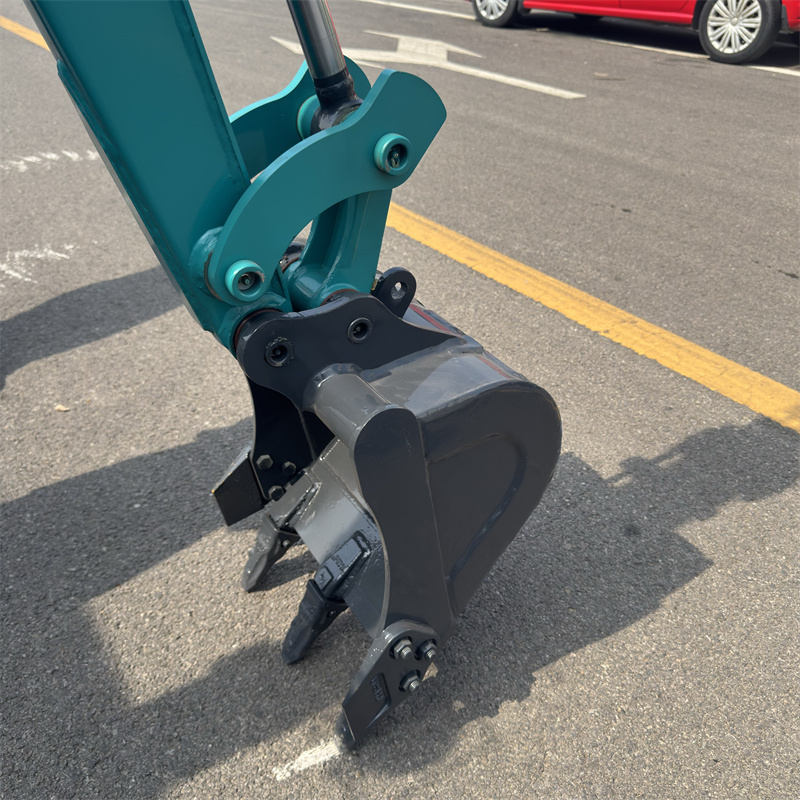
The cutting edge of the bucket is the part that comes into direct contact with the ground. A well – designed cutting edge can make a significant difference in the excavator’s performance. A sharp and durable cutting edge can easily penetrate hard soil, rocks, and other tough materials. It reduces the amount of force required to dig, which in turn reduces wear and tear on the machine’s hydraulic system.
There are different types of cutting edges available. For example, a serrated cutting edge is designed to grip the ground better and break up hard materials more effectively. It’s especially useful when working in rocky or compacted soil. A straight cutting edge, on the other hand, is more suitable for softer materials and provides a cleaner cut.
Regular maintenance of the cutting edge is essential. Over time, the cutting edge will wear down, which can reduce its effectiveness. Replacing the cutting edge when it becomes dull ensures that the excavator continues to perform at its best. Our ME18 Excavator comes with high – quality cutting edges that are designed for long – lasting performance.
Bucket Teeth and Their Role
Bucket teeth are another important component of the bucket design. They are responsible for breaking up and loosening the material before it is scooped into the bucket. Different types of bucket teeth are available, each designed for specific applications.
For example, standard teeth are suitable for general – purpose excavation. They are designed to provide a good balance between penetration and durability. Heavy – duty teeth, on the other hand, are used for more demanding tasks, such as digging in rocky or frozen ground. These teeth are made from stronger materials and are designed to withstand high levels of stress.
The arrangement of the bucket teeth also matters. A well – spaced arrangement allows for better penetration and more efficient material handling. It ensures that the teeth work together to break up the material evenly, reducing the strain on individual teeth.
Impact on Fuel Efficiency
The design of the bucket can also have an impact on the fuel efficiency of the 1.8 – ton mini excavator. A well – designed bucket that is optimized for the specific task can reduce the amount of energy required to operate the machine. For example, a bucket with the right capacity and shape can dig and load materials more quickly, reducing the time the engine needs to run.
In addition, a bucket with a smooth interior surface can reduce friction, which also helps in saving fuel. When the material can slide easily out of the bucket, the machine doesn’t have to work as hard to empty it, resulting in lower fuel consumption.
Impact on Operator Comfort and Safety
A well – designed bucket can enhance operator comfort and safety. For example, a bucket that is balanced properly reduces the amount of vibration and stress on the machine, which in turn reduces operator fatigue. This is especially important for long – term use of the excavator.
In terms of safety, a bucket with a secure attachment system ensures that it doesn’t detach during operation. The cutting edge and teeth should also be designed in a way that minimizes the risk of injury to the operator or bystanders. For instance, rounded edges and smooth surfaces can prevent accidental cuts and abrasions.
Conclusion
In conclusion, the bucket design of a 1.8 – ton mini excavator has a profound impact on its performance. From capacity and shape to cutting edges and teeth, every aspect of the bucket design affects how efficiently the machine can dig, load, and move materials. As a supplier, we understand the importance of offering a wide range of bucket options to meet the diverse needs of our customers.
If you’re in the market for a 1.8 – ton mini excavator and want to learn more about how the bucket design can benefit your specific project, we encourage you to contact us for a detailed discussion. Our team of experts is ready to assist you in selecting the right excavator and bucket combination for your needs.
References
Construction Equipment Magazine. (2023). “Bucket Design Trends for Mini Excavators.”
Engineering Journal of Heavy Machinery. (2022). “The Impact of Bucket Design on Mini Excavator Performance.”
Manufacturer’s Manuals for 1.8 – ton Mini Excavators.