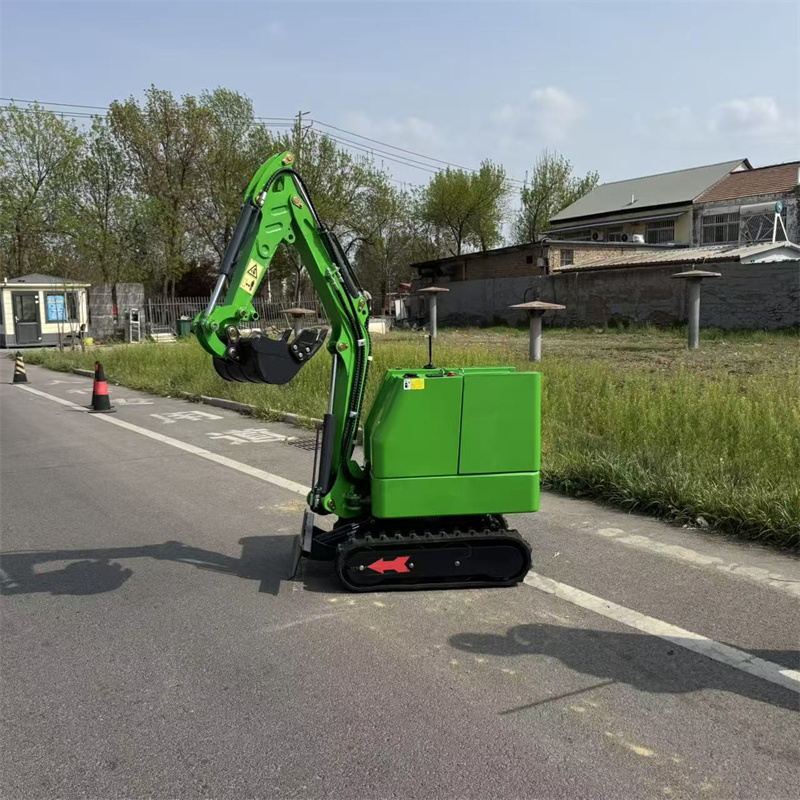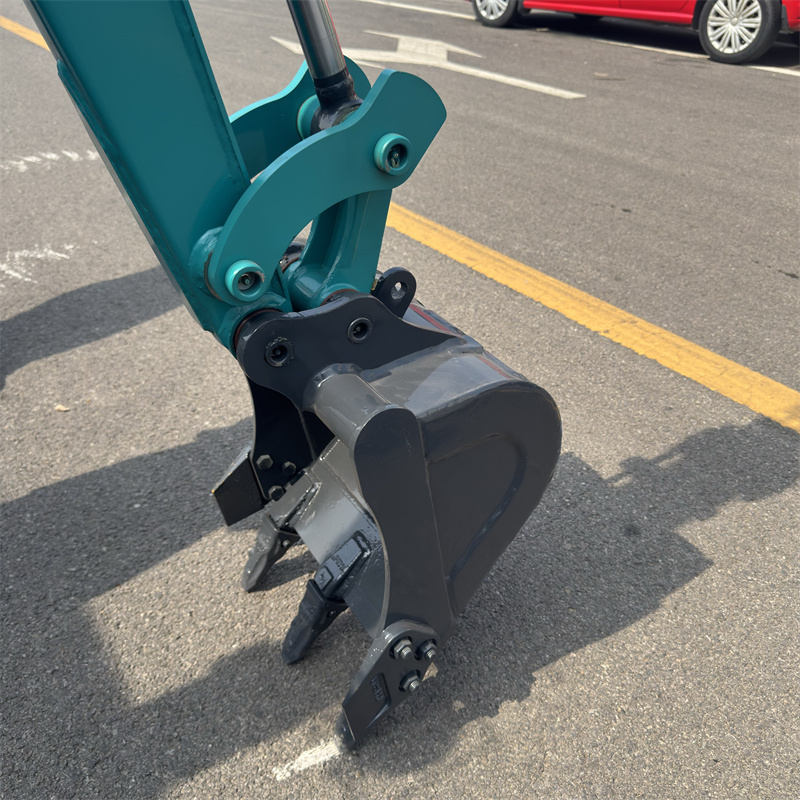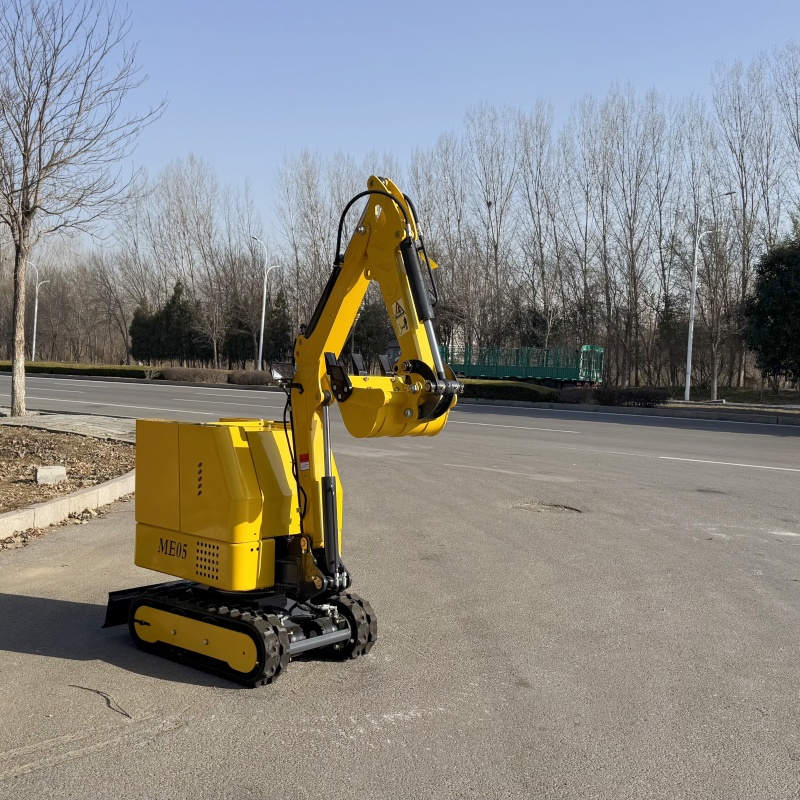
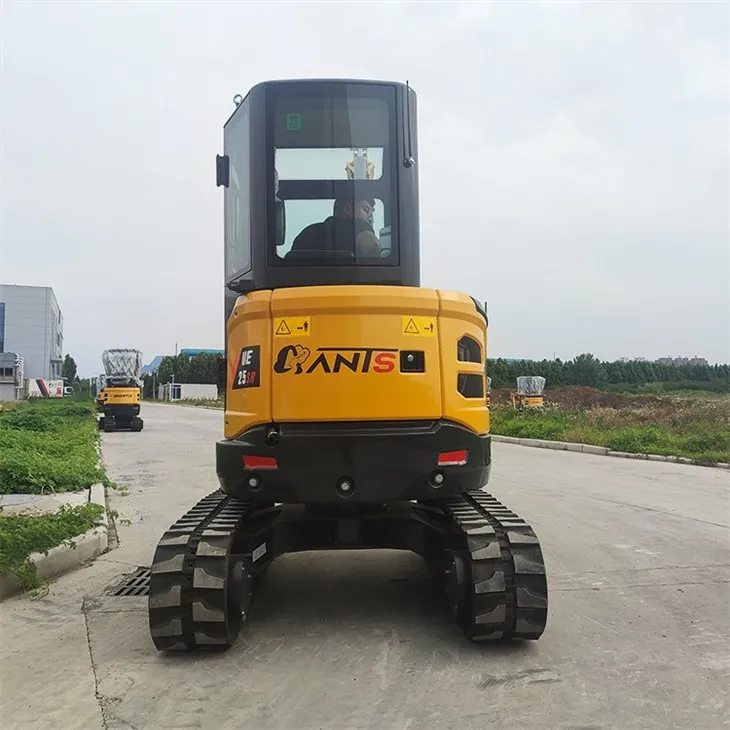
As a supplier of 2.5 Ton Mini Excavators, I’ve seen firsthand the growing demand for construction equipment that balances performance with environmental responsibility. In this blog post, I’ll delve into how the environmental impact of a 2.5 Ton Mini Excavator stacks up against other construction machinery.
Fuel Consumption and Emissions
One of the most significant aspects of environmental impact in construction equipment is fuel consumption and the resulting emissions. Traditional large – scale excavators are known for their high fuel consumption. These behemoths often run on diesel engines, which burn a substantial amount of fuel during operation. Diesel engines emit pollutants such as particulate matter (PM), nitrogen oxides (NOx), and carbon monoxide (CO). These emissions contribute to air pollution, smog formation, and have adverse effects on human health, especially in densely populated areas where construction activities are taking place.
In contrast, a 2.5 Ton Mini Excavator is designed with efficiency in mind. Its smaller engine size means it consumes less fuel compared to larger excavators. The reduced fuel consumption directly translates to lower emissions of harmful pollutants. For example, a 2.5 – ton mini – excavator might use 2 – 3 gallons of diesel per hour, while a large – scale excavator could consume upwards of 10 gallons per hour. This significant difference in fuel consumption not only reduces the carbon footprint but also saves on operating costs for the construction company.
When compared to a 3.5 Ton Mini Excavator, the 2.5 – ton model still has an edge in terms of fuel efficiency. The 3.5 – ton excavator, while also relatively compact compared to full – sized machines, has a larger engine to power its additional weight and capabilities. As a result, it generally consumes more fuel and emits more pollutants. However, both mini – excavators are far more environmentally friendly than large – scale construction equipment in this regard.
Noise Pollution
Noise pollution is another environmental concern associated with construction sites. Large construction equipment, such as bulldozers and large excavators, can generate extremely high noise levels. These noise levels can disrupt local communities, cause stress to nearby residents, and even have long – term impacts on wildlife in the area. High – intensity noise can interfere with animal communication, migration patterns, and breeding behaviors.
A 2.5 Ton Mini Excavator is much quieter in operation. Its smaller engine and more compact design result in lower noise emissions. The reduced noise allows construction projects to be carried out with less disruption to the surrounding environment. This is particularly beneficial in urban areas where construction may be taking place near residential buildings, schools, or hospitals. For example, a large excavator might produce noise levels of over 90 decibels, while a 2.5 – ton mini – excavator typically operates at around 70 – 80 decibels, which is significantly less intrusive.
Land Disturbance
Construction equipment often causes significant land disturbance. Large excavators and bulldozers can uproot large areas of vegetation, displace soil, and disrupt natural habitats. This can lead to soil erosion, loss of biodiversity, and changes in water flow patterns.
The 2.5 Ton Mini Excavator is more precise in its operations. Its smaller size allows it to access tight spaces and perform tasks with less collateral damage to the surrounding land. It can be used for tasks such as digging small trenches for utilities or landscaping projects without causing excessive land disturbance. In comparison, larger equipment may need to clear a much larger area to maneuver, resulting in more extensive damage to the environment.
Energy Efficiency
In recent years, there has been a growing trend towards more energy – efficient construction equipment. Electric excavators are emerging as a more environmentally friendly alternative to diesel – powered machines. A 2 Ton Electric Excavator produces zero emissions at the point of use, as it runs on electricity rather than diesel. However, the 2.5 Ton Mini Excavator, while diesel – powered, still offers a good balance between power and energy efficiency.
The energy efficiency of the 2.5 – ton mini – excavator is due in part to its advanced engine technology. Modern engines are designed to optimize fuel combustion, ensuring that more of the energy from the fuel is used to power the machine rather than being wasted as heat. Additionally, the hydraulic systems in these mini – excavators are engineered to be more efficient, reducing energy losses during operation.
Recycling and End – of – Life Management
When it comes to the end – of – life management of construction equipment, the 2.5 Ton Mini Excavator has some advantages. Many of its components, such as the metal frame, engine parts, and hydraulic cylinders, can be recycled. Recycling these materials reduces the demand for new raw materials and minimizes the environmental impact associated with mining and manufacturing.
In contrast, some large – scale construction equipment may be more difficult to recycle due to their complex designs and the use of specialized materials. The smaller size of the 2.5 – ton mini – excavator also makes it easier to transport to recycling facilities, reducing the carbon emissions associated with end – of – life transportation.
Conclusion
In conclusion, the 2.5 Ton Mini Excavator offers a more environmentally friendly option compared to many other types of construction equipment. Its lower fuel consumption, reduced noise pollution, less land disturbance, reasonable energy efficiency, and ease of recycling make it a great choice for construction projects that aim to minimize their environmental impact.
If you’re in the market for construction equipment and are concerned about the environment, the 2.5 Ton Mini Excavator is definitely worth considering. We are a leading supplier of high – quality 2.5 Ton Mini Excavators, and we’re ready to assist you in finding the right equipment for your project. Contact us to start a discussion about your requirements and let’s work together to make your construction project more sustainable.
References
EPA. (2023). Emission Standards for Construction Equipment. Environmental Protection Agency.
Construction Equipment Magazine. (2022). Energy Efficiency in Modern Excavators.
Journal of Environmental Science and Engineering. (2021). Impact of Construction Equipment on Land and Wildlife.