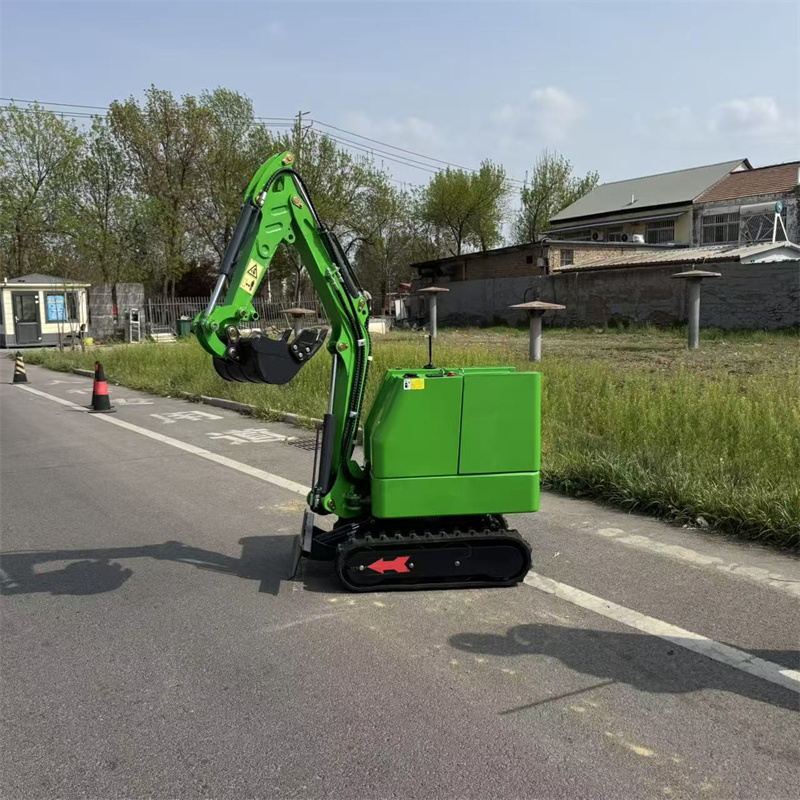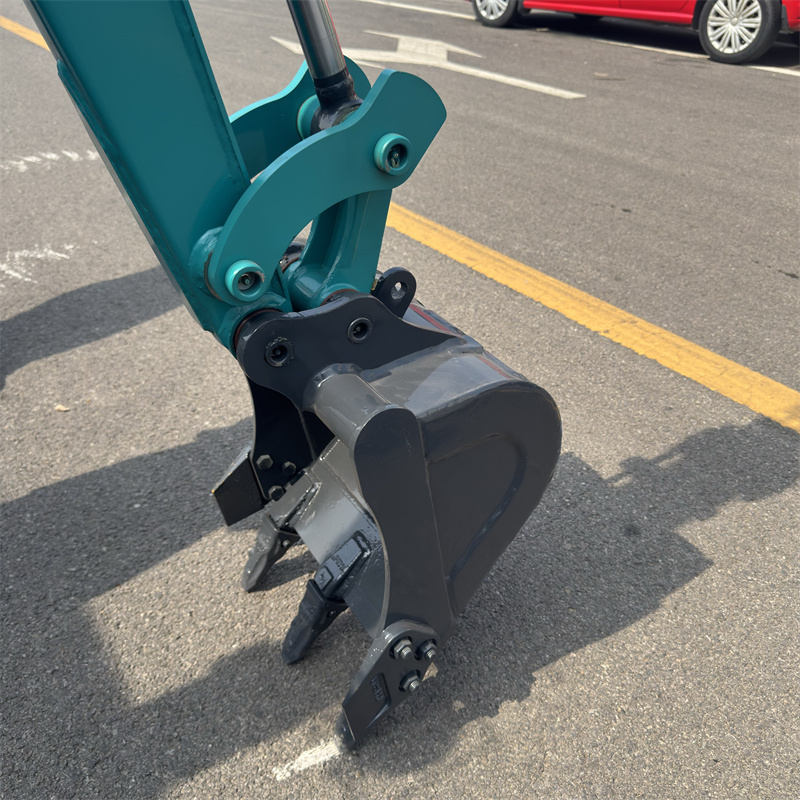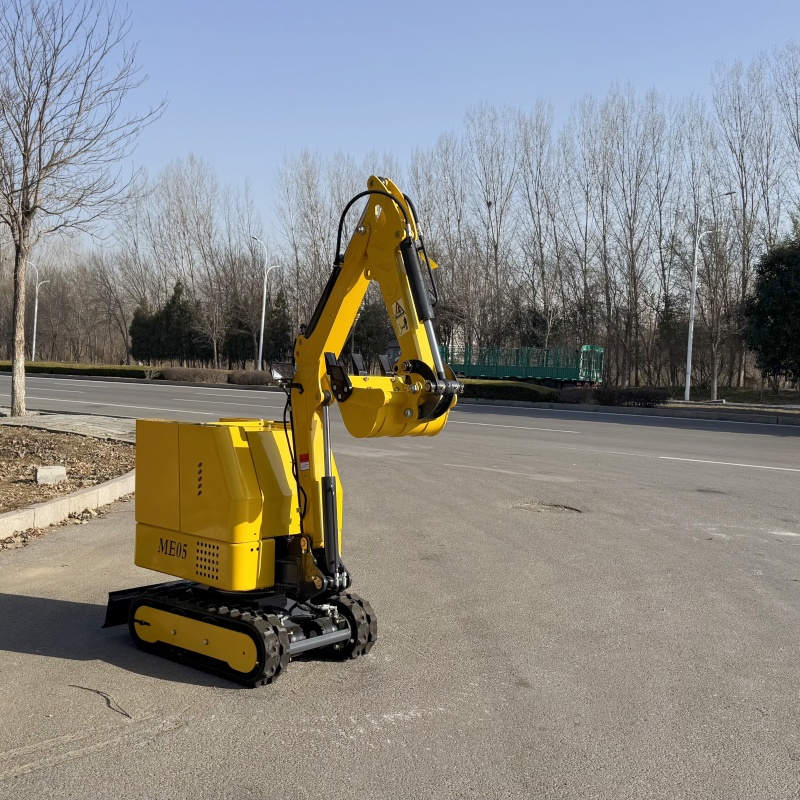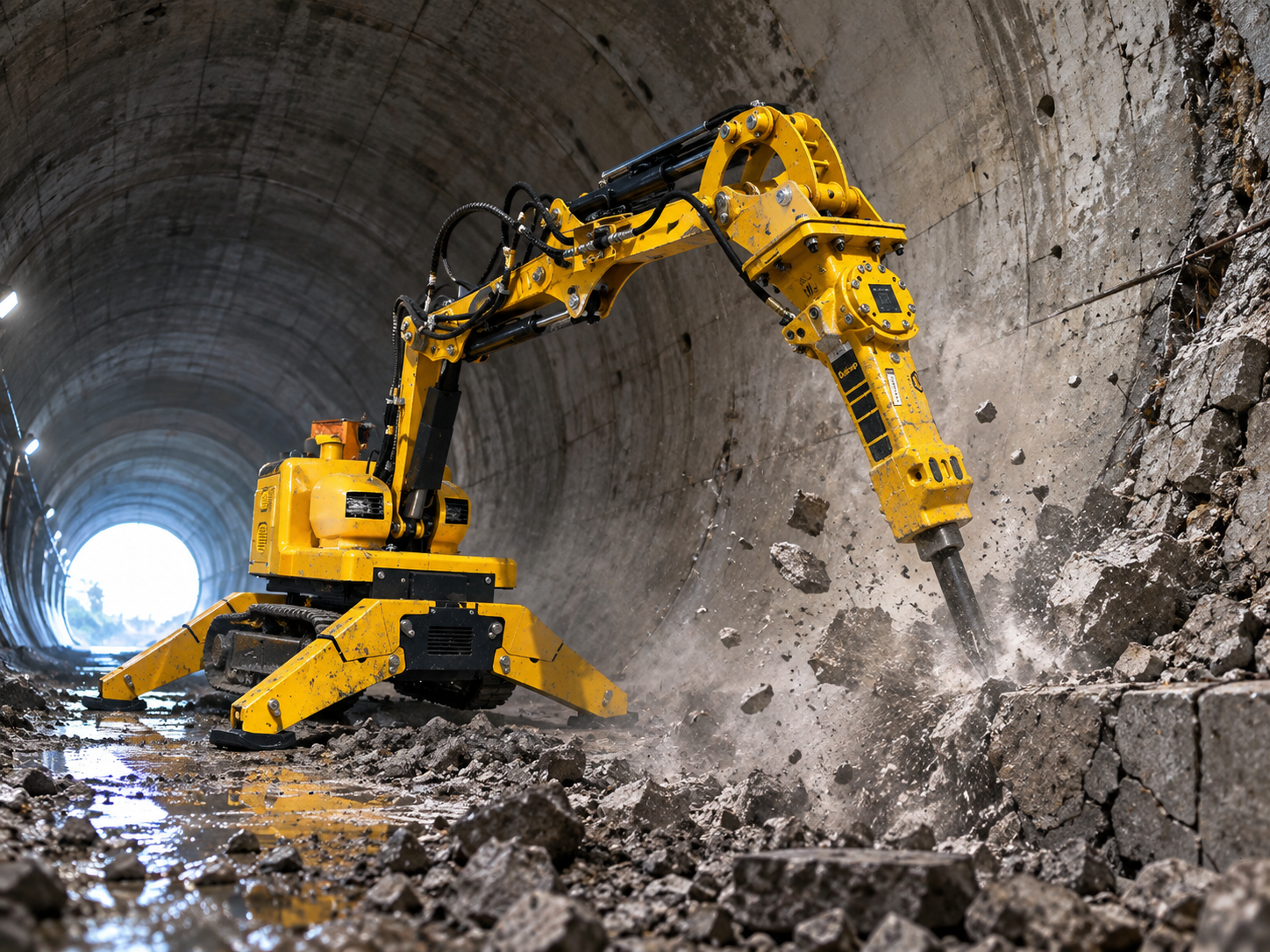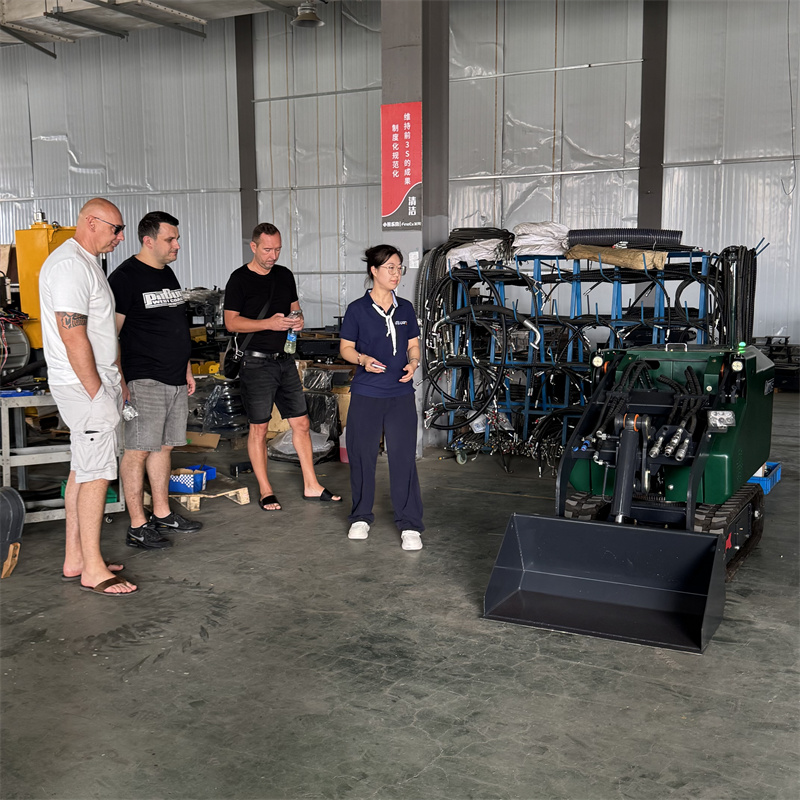
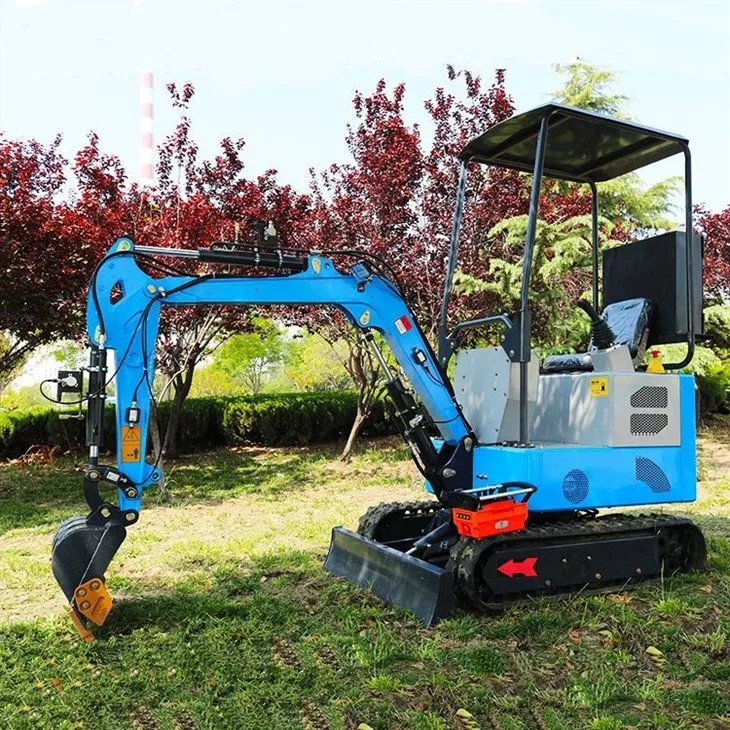
In the ever – evolving landscape of construction machinery, the plug – in mini excavator has emerged as a revolutionary piece of equipment. As a supplier of plug – in mini excavators, I am deeply involved in understanding the nuances of its battery technology and how it stacks up against other electric vehicles.
Battery Technology Basics
Before delving into the comparison, it’s essential to understand the fundamentals of battery technology used in plug – in mini excavators. Most plug – in mini excavators are powered by lithium – ion batteries. These batteries offer high energy density, meaning they can store a large amount of energy in a relatively small and lightweight package. This is crucial for mini excavators, as they need to be compact and maneuverable while still having sufficient power to perform heavy – duty tasks.
Lithium – ion batteries also have a long cycle life, which means they can be charged and discharged many times before their performance starts to degrade significantly. This is an important factor for construction equipment, as it is often used intensively over long periods.
Comparison with Electric Cars
One of the most common types of electric vehicles is the electric car. Electric cars are designed primarily for personal transportation, with a focus on range, comfort, and speed. In contrast, plug – in mini excavators are built for heavy – duty work in construction sites.
Energy Requirements
Electric cars typically have a lower energy requirement per unit of time compared to plug – in mini excavators. A typical electric car might have a battery capacity ranging from 30 kWh to 100 kWh, depending on the model. These cars are designed to travel long distances on a single charge, but the power draw during normal driving is relatively low.
On the other hand, plug – in mini excavators need to deliver high – power bursts to operate hydraulic systems, move heavy loads, and perform digging operations. For example, our ME08 Lithium Battery Electric Mini Excavator is equipped with a high – capacity battery that can handle the intense power demands of excavation work. The battery capacity of a mini excavator can be in the range of 20 kWh to 50 kWh, but the power output during operation is much higher than that of an electric car.
Charging Infrastructure
The charging infrastructure for electric cars is more widespread compared to that for plug – in mini excavators. There are numerous public charging stations for electric cars, including fast – charging stations that can recharge a car’s battery to a significant level in a short time.
For plug – in mini excavators, the charging infrastructure is often site – specific. Construction sites usually need to set up dedicated charging stations for the excavators. However, with the development of technology, fast – charging options are becoming available for mini excavators as well. Our company is actively promoting the use of fast – charging solutions to minimize downtime and increase productivity on construction sites.
Battery Management Systems
Both electric cars and plug – in mini excavators rely on advanced battery management systems (BMS). In electric cars, the BMS is designed to optimize range, ensure battery safety, and manage the charging and discharging process. It also takes into account factors such as temperature, state of charge, and battery health to provide a smooth driving experience.
In plug – in mini excavators, the BMS has additional functions. It needs to manage the high – power output during heavy – duty operations and protect the battery from over – discharging and over – heating. The BMS in our mini excavators is specifically calibrated to handle the unique power requirements of excavation work, ensuring reliable performance and long battery life.
Comparison with Electric Forklifts
Electric forklifts are another type of electric vehicle commonly used in industrial settings. They share some similarities with plug – in mini excavators, but there are also significant differences in their battery technology.
Power and Performance
Electric forklifts are mainly used for material handling within warehouses and industrial facilities. They need to lift and move heavy loads, but the power requirements are different from those of plug – in mini excavators. Forklifts typically operate at a relatively constant speed and power level, while mini excavators have variable power demands depending on the type of excavation work.
Our Fully – Electric Mini Excavator can handle a wide range of tasks, from light digging to heavy – duty trenching. The battery technology is designed to provide the necessary power for these diverse operations. In contrast, electric forklifts are optimized for lifting and moving loads in a more controlled environment.
Battery Size and Configuration
The battery size and configuration in electric forklifts are often different from those in plug – in mini excavators. Forklifts usually have a large, single – block battery that is located in the base of the vehicle. This design allows for easy replacement and maintenance.
Plug – in mini excavators, however, may have a more modular battery design. This modularity allows for easier customization of the battery capacity based on the specific requirements of the job. It also makes it easier to replace individual battery modules in case of a malfunction, reducing downtime and maintenance costs.
Comparison with Electric Buses
Electric buses are large – scale electric vehicles used for public transportation. They have a high – capacity battery to provide long – range operation and can carry a large number of passengers.
Energy Storage and Range
Electric buses require a very large battery capacity to cover long distances without frequent charging. Some electric buses can have battery capacities of over 300 kWh. They are designed to operate on fixed routes and often have scheduled charging stops at depots.
Plug – in mini excavators, on the other hand, do not need to cover long distances. They are used in a relatively confined area, such as a construction site. The focus is on providing sufficient power for the duration of the work shift rather than long – range operation. Our Electric Crawler Excavator is designed to work efficiently on construction sites with a battery capacity that is optimized for the typical work cycle of an excavation project.
Charging Time and Frequency
Electric buses usually have long charging times due to their large battery capacity. They are often charged overnight at depots to ensure they are ready for the next day’s operation.
Plug – in mini excavators can be charged during breaks or when not in use. With the availability of fast – charging technology, the charging time can be significantly reduced, allowing for more continuous operation on the construction site.
Advantages of Plug – in Mini Excavator Battery Technology
The battery technology used in plug – in mini excavators offers several advantages over other electric vehicles.
Adaptability to Heavy – Duty Work
The battery technology in plug – in mini excavators is specifically designed to handle the high – power demands of heavy – duty construction work. It can provide the necessary energy for digging, lifting, and moving heavy materials, making it suitable for a wide range of construction applications.
Modularity and Customization
The modular battery design in plug – in mini excavators allows for easy customization of the battery capacity. This means that customers can choose the battery configuration that best suits their specific job requirements. It also makes it easier to upgrade the battery system as technology advances.
Reduced Emissions and Noise
Like other electric vehicles, plug – in mini excavators produce zero emissions during operation. This is beneficial for the environment, especially in urban construction sites where air quality is a concern. Additionally, electric mini excavators are much quieter than their diesel – powered counterparts, reducing noise pollution on construction sites.
Conclusion
In conclusion, the battery technology of plug – in mini excavators has unique characteristics that set it apart from other electric vehicles. While it shares some similarities with electric cars, forklifts, buses, and other electric vehicles in terms of battery technology basics, it is specifically tailored to meet the demands of heavy – duty construction work.
As a supplier of plug – in mini excavators, we are committed to continuously improving our battery technology to provide our customers with the most reliable and efficient equipment. If you are interested in our plug – in mini excavators or have any questions about our products, we encourage you to contact us for procurement and further discussions.
References
Smith, J. (2020). “Advances in Lithium – Ion Battery Technology for Construction Equipment”. Journal of Construction Machinery, 15(2), 34 – 45.
Johnson, A. (2021). “Comparative Analysis of Electric Vehicle Battery Systems”. Electric Vehicle Research Journal, 22(3), 56 – 67.
Brown, C. (2022). “The Future of Battery Technology in Heavy – Duty Electric Vehicles”. Construction Industry Review, 30(1), 78 – 89.