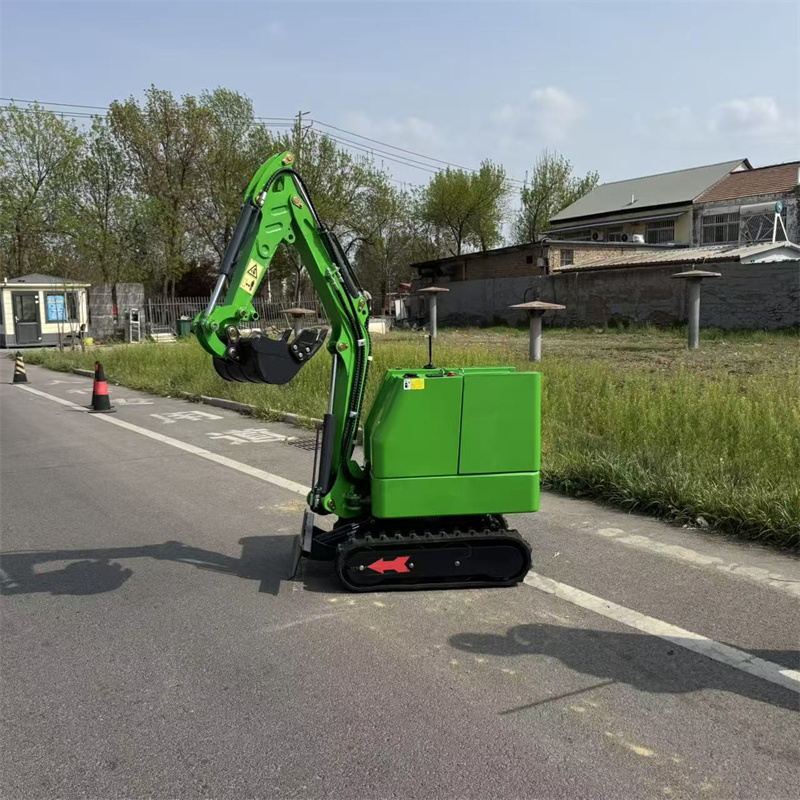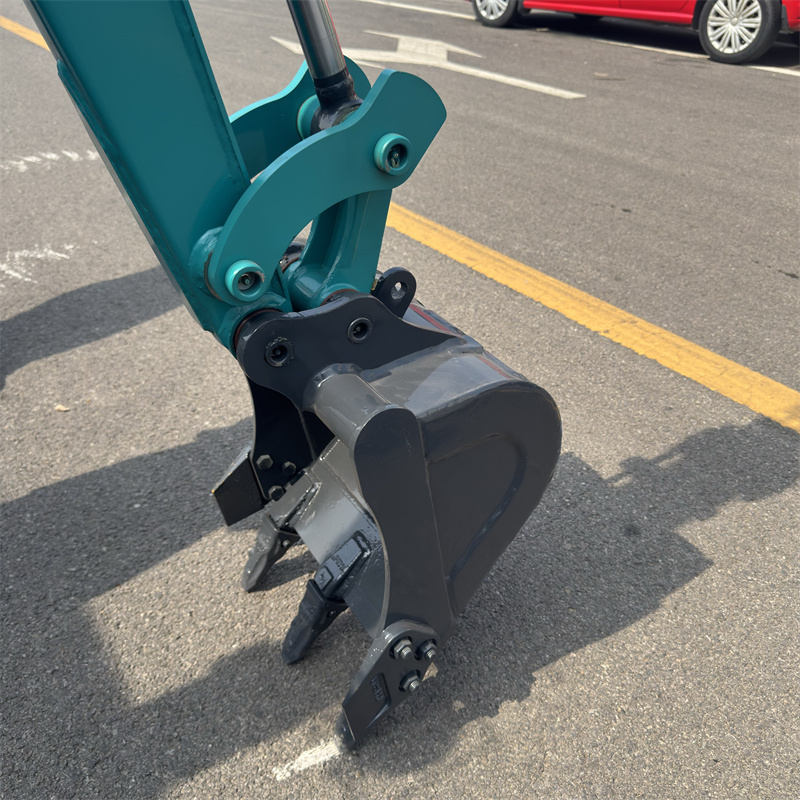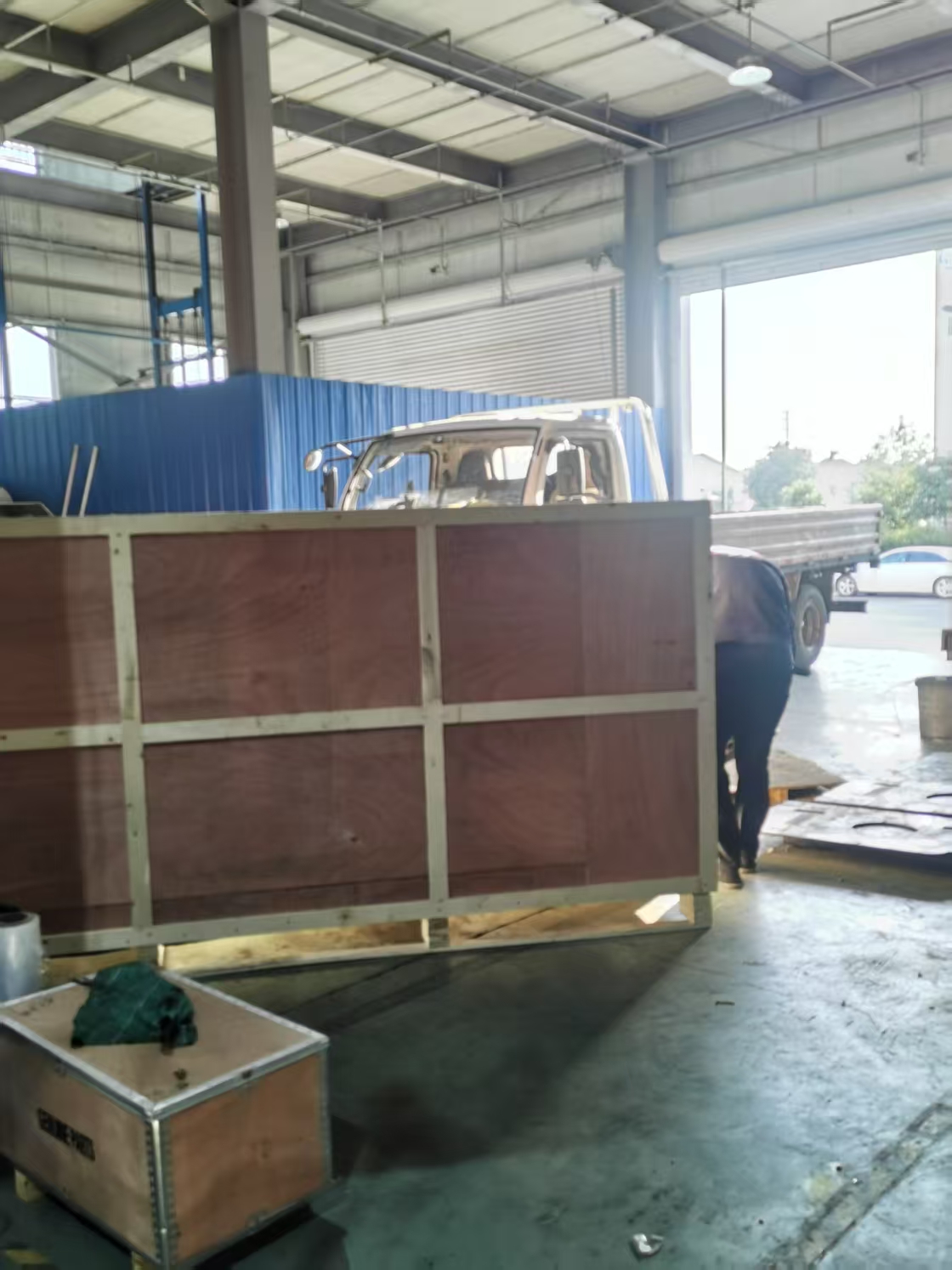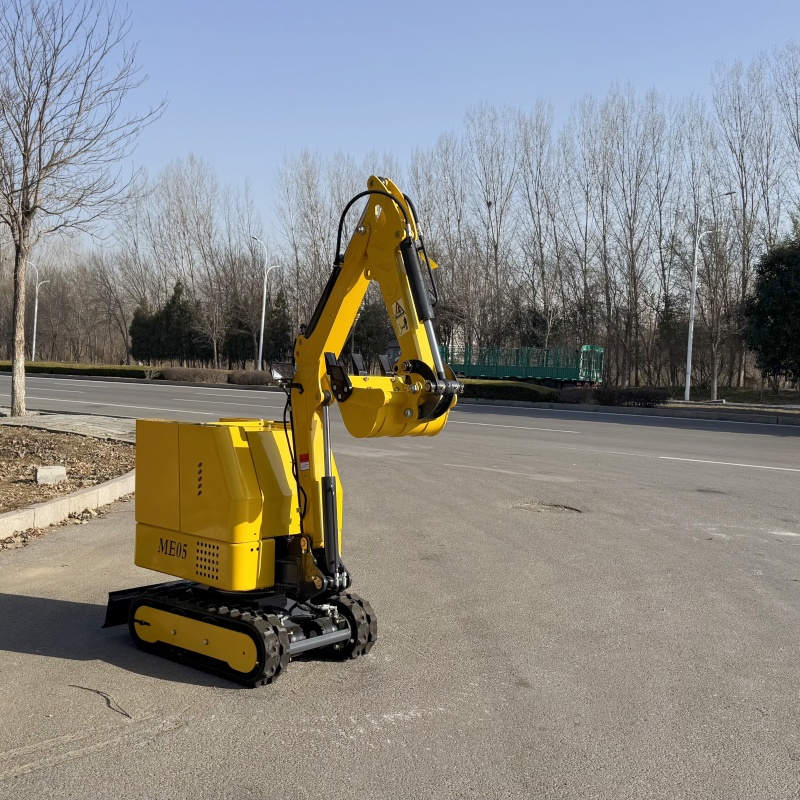
As a supplier of 1.8 – ton mini excavators, one of the most common questions I get from customers, contractors, and businesses interested in our products is: “How long does it take to assemble a 1.8 – ton mini excavator?” This question is crucial as it helps the end – users to plan their construction projects, understand the logistics involved, and manage their schedules effectively. In the following blog post, I’ll delve into this topic, exploring the factors that influence assembly time and providing a general estimate of how long the process typically takes.
The Complexity of a 1.8 – Ton Mini Excavator
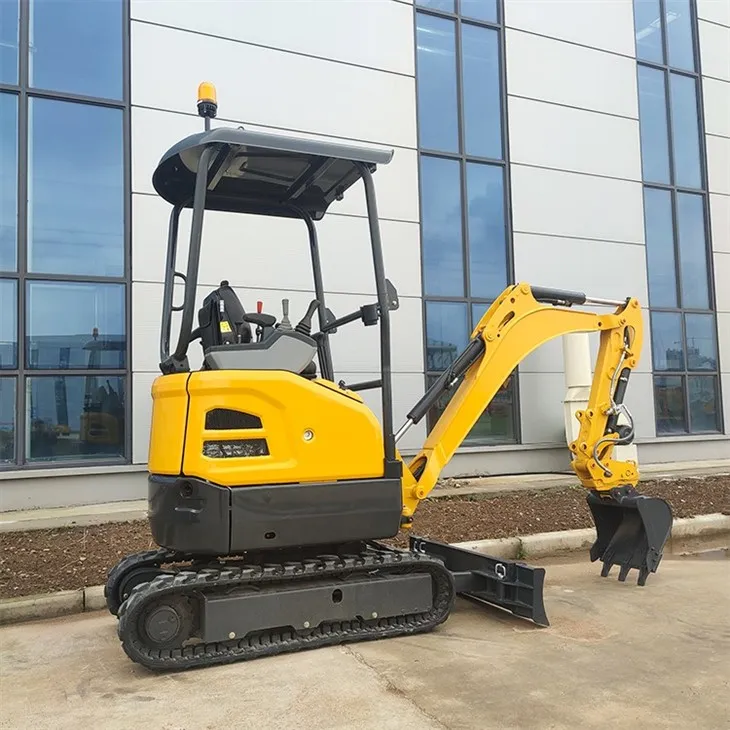
Before we start discussing the assembly time, it’s essential to understand the complexity of a 1.8 – ton mini excavator. These machines are marvels of engineering, packed with sophisticated components that contribute to their functionality and performance. At their core, they typically consist of a chassis, engine, hydraulic system, tracks or wheels, boom, arm, bucket, and a cabin for the operator. Each part is designed to work in harmony, enabling the mini excavator to perform a wide range of tasks, from digging and trenching to material handling.
Factors Affecting Assembly Time
1. Experience of the Assembly Team
The skill and experience of the assembly team play a significant role in determining how long it takes to put together a 1.8 – ton mini excavator. A seasoned team of technicians who are familiar with the specific model of the excavator can work efficiently, following a well – established process. They know where each part goes, how to connect the hydraulic lines correctly, and can troubleshoot any minor issues that may arise during the assembly. On the other hand, an inexperienced team may take longer as they learn the process, potentially making mistakes that could lead to delays or rework.
2. Quantity of Excavators Being Assembled
If you’re assembling a single 1.8 – ton mini excavator, the process will likely be relatively straightforward. However, when assembling multiple excavators simultaneously, there may be advantages in terms of efficiency. For example, if the assembly team has all the necessary parts laid out for multiple units at once, they can streamline the process by performing repetitive tasks in batches, such as installing the same type of components on each machine. But larger quantities also bring their challenges, like coordinating the workflow and ensuring that there are enough resources and space for all the assembly work.
3. Availability of Parts and Tools
Having all the required parts and tools readily available is crucial for a smooth assembly process. If any parts are missing or delayed, the assembly will come to a halt until they arrive. This is why at our company, we take great care to ensure that our inventory management system is top – notch, and we maintain a sufficient stock of parts for our Mini Small Excavator. Additionally, having the right tools is essential. Specialized tools are often required for tasks such as tightening bolts to the correct torque, connecting hydraulic fittings, and aligning components.
4. Design of the Excavator
The design of the 1.8 – ton mini excavator itself can have a significant impact on assembly time. Some models are designed with ease of assembly in mind, featuring modular components that can be quickly connected. These modular designs often use standardized interfaces, making it easier for the assembly team to attach parts without having to spend a lot of time on alignment or custom – fitting. Other designs may be more complex, with parts that require more precise installation and adjustment, which can increase the overall assembly time.
General Estimate of Assembly Time
Based on our experience as a supplier of Mini Hydraulic Excavator, for a single 1.8 – ton mini excavator and a well – trained assembly team, the assembly process usually takes between 8 to 12 hours. This estimate assumes that all the parts are available, and there are no major issues during the assembly.
The initial stage of assembly typically involves preparing the chassis. This includes installing the undercarriage, which consists of the tracks or wheels, along with the associated drive and suspension components. This part of the process can take around 2 to 3 hours.
Next, the engine and hydraulic system are installed. The engine needs to be carefully mounted and connected to the fuel, cooling, and electrical systems. The hydraulic system, which is responsible for powering the movement of the boom, arm, and bucket, also requires precise installation and connection of hoses and valves. This stage usually takes about 3 to 4 hours.
After that, the superstructure, which includes the cabin and the upper frame, is attached to the chassis. The cabin is fitted with all the necessary controls, seats, and safety features. This process can take around 1 to 2 hours.
Finally, the boom, arm, and bucket are installed and connected to the hydraulic system. These components need to be properly aligned and calibrated to ensure smooth operation. This last stage typically takes about 2 to 3 hours.
Quality Checks and Testing
Once the physical assembly of the 1.8 – ton mini excavator is complete, it undergoes a series of rigorous quality checks and testing procedures. These steps are essential to ensure that the machine meets our high – quality standards and is safe to operate. Quality checks include inspecting the fit and finish of all components, checking the hydraulic pressure, verifying the alignment of moving parts, and testing the electrical systems.
The testing phase involves running the excavator under various operating conditions to ensure that it performs as expected. This includes testing the lifting capacity, digging force, and maneuverability. The entire quality control and testing process can take an additional 2 to 4 hours, depending on the complexity of the checks and any issues that may need to be addressed.
Conclusion
In conclusion, while the actual assembly of a 1.8 – ton mini excavator can take anywhere from 8 to 12 hours, taking into account quality checks and testing, the total time from start to finish can be around 10 to 16 hours. As a supplier of Small Excavator 1.8 Ton, we are committed to providing our customers with high – quality machines that are assembled efficiently and thoroughly tested.
If you’re in the market for a 1.8 – ton mini excavator, we’d love to discuss your requirements in more detail. Whether you’re a small – scale contractor looking for a reliable machine for your projects or a larger business expanding your fleet, our team of experts can help you choose the right model and ensure a smooth purchasing process. Contact us today to start the conversation and explore how our 1.8 – ton mini excavators can meet your needs.
References
Industry reports on mini excavator manufacturing processes
Internal company records of assembly times and quality control procedures