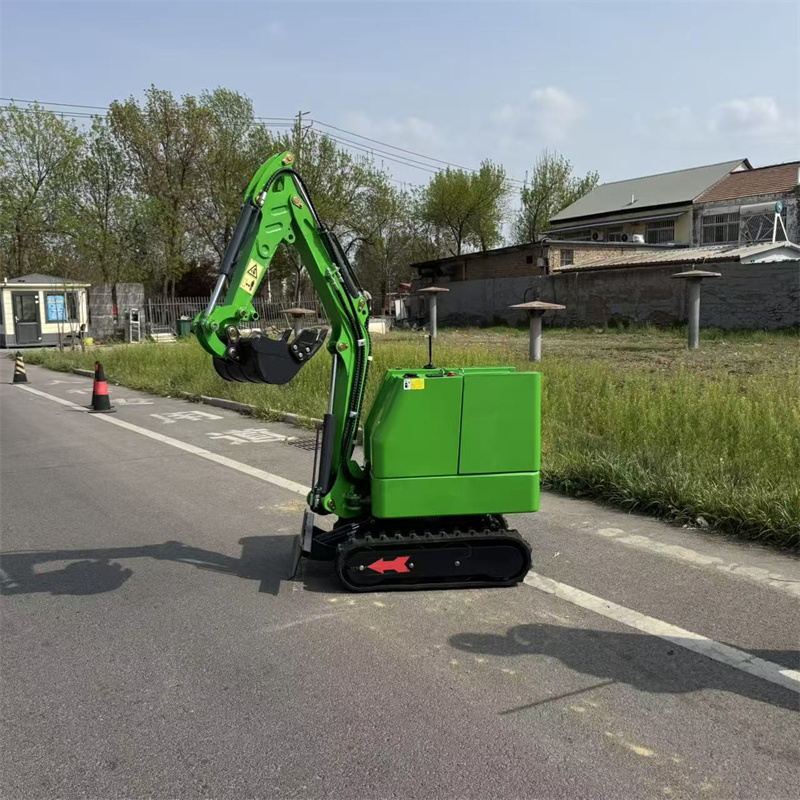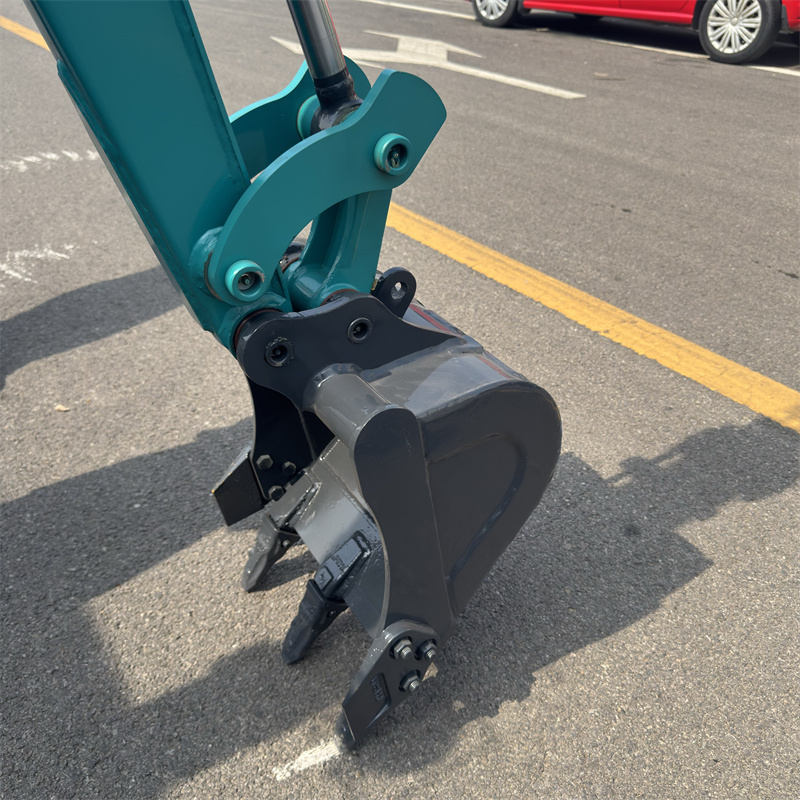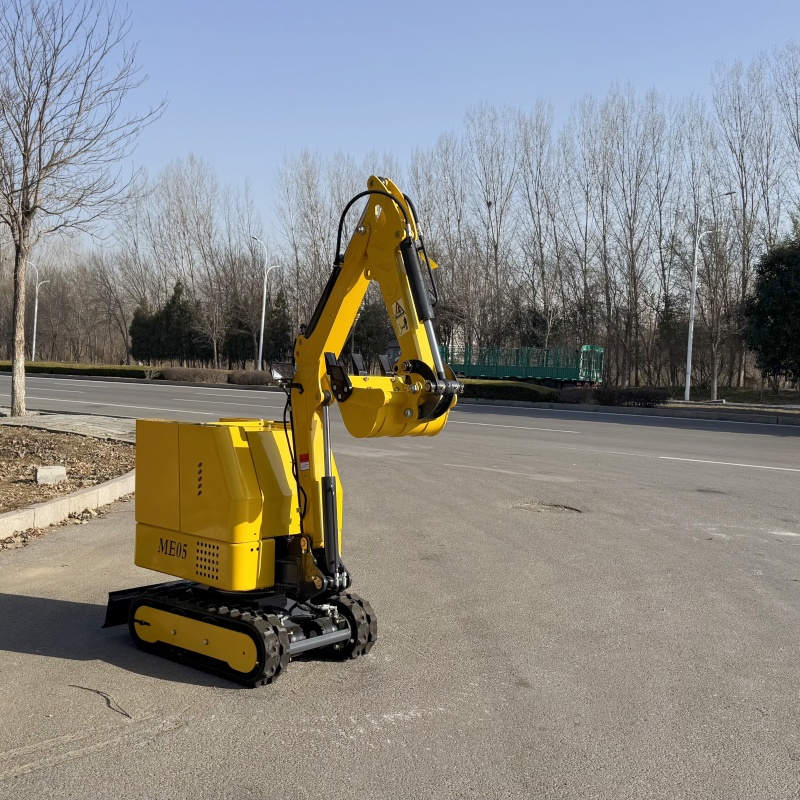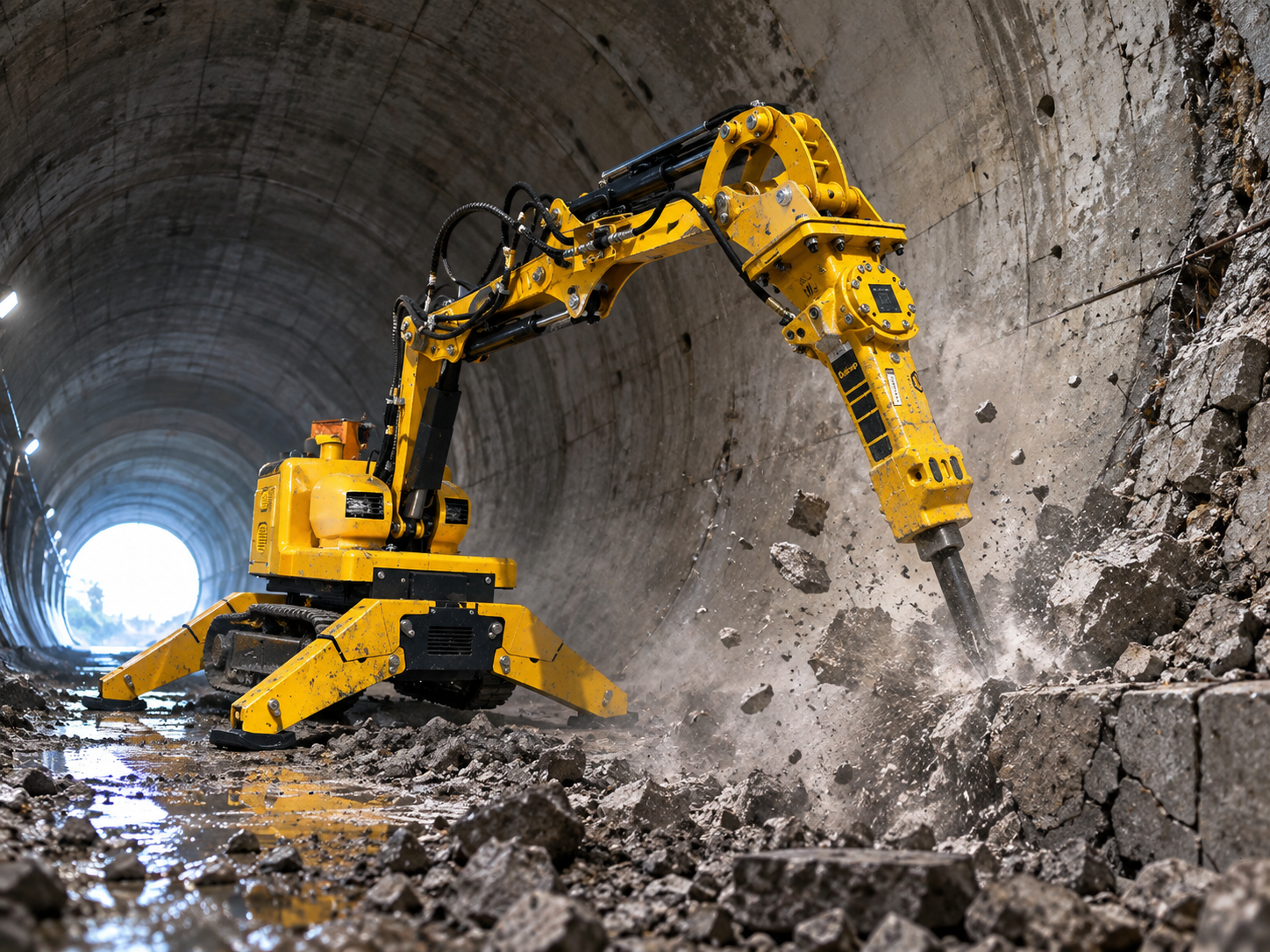
When considering the operation of a 1.5 – ton Mini Excavator, understanding the space requirements is crucial for both efficiency and safety. As a supplier of 1.5 – ton Mini Excavators, I’ve witnessed firsthand how different work environments demand specific spatial considerations.
Basic Dimensions of a 1.5 – Ton Mini Excavator
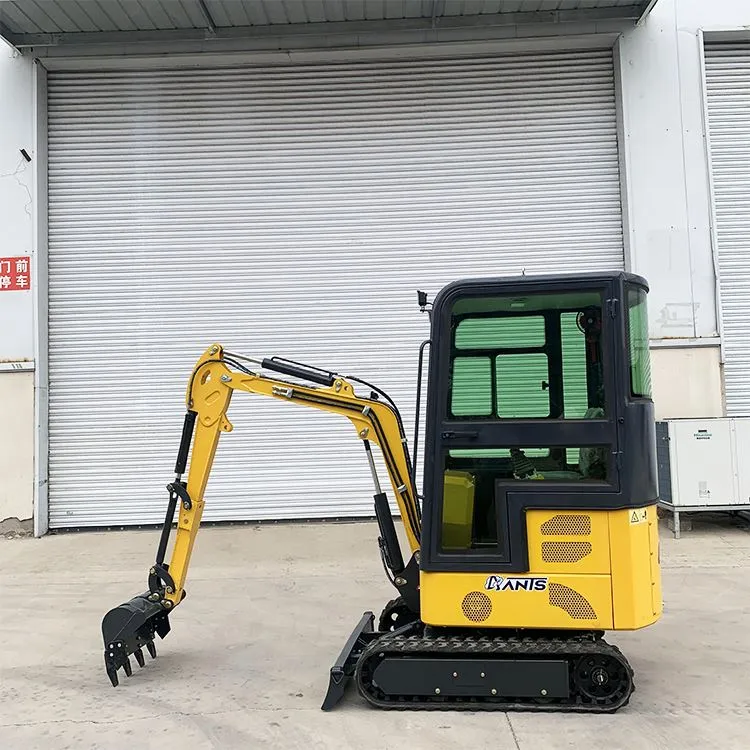
Before diving into the operational space, it’s important to look at the basic dimensions of a 1.5 – ton Mini Excavator. These machines typically have a compact design, which is one of their key selling points. The length of a 1.5 – ton Mini Excavator usually ranges from around 3 to 4 meters. The width can be between 1.4 to 1.6 meters, depending on the model and the configuration of the tracks or wheels. The height, including the cab and the boom in the resting position, is approximately 2 to 2.5 meters.
These dimensions are essential as they form the foundation for calculating the space needed for the excavator to simply be positioned on – site. For example, if you are planning to transport the excavator on a trailer, the trailer needs to be large enough to accommodate these basic dimensions with a bit of extra space for securing the machine.
Space for Maneuvering
Maneuvering is a critical aspect of operating a 1.5 – ton Mini Excavator. Unlike larger excavators, the smaller size of these machines allows for greater agility in tight spaces. However, they still require a certain amount of room to turn, reverse, and re – position.
For a 1.5 – ton Mini Excavator, a clear turning radius is vital. The typical turning radius for this type of machine is around 2 to 3 meters. This means that to make a full 360 – degree turn, you need a circular space with a diameter of at least 4 to 6 meters. If the work area is confined, and you need to make tight turns, the minimum width of the passageway should be at least 2 times the width of the excavator to allow for safe maneuvering.
In addition to turning, the excavator also needs space to move forward and backward. When digging a trench, for instance, the excavator needs to be able to move along the trench line. You should allocate at least 1 to 2 meters of clear space in front and behind the machine to ensure smooth movement. This space is necessary not only for the physical movement of the machine but also to provide a buffer zone in case of unexpected stops or malfunctions.
Space for the Boom and Bucket Operation
The boom and bucket of a 1.5 – ton Mini Excavator are the main working parts, and they require a significant amount of space to operate effectively. The reach of the boom can vary depending on the model, but it generally extends around 3 to 4 meters horizontally and can reach up to 2 to 3 meters vertically.
When the boom is fully extended, it needs an unobstructed area to move. This means that if you are working near buildings, fences, or other structures, you need to ensure that there is enough clearance for the boom to swing without hitting anything. For example, if you are digging near a wall, you should leave at least 4 to 5 meters of space between the wall and the center of the excavator to allow the boom to operate freely.
The bucket also needs space for digging and dumping. When the bucket is filled with soil or other materials, it needs to be raised and emptied into a truck or a designated waste area. This requires additional vertical and horizontal space. You should plan for a vertical clearance of at least 2 to 3 meters above the excavator to allow the bucket to be lifted and emptied safely.
Space for Loading and Unloading
Loading and unloading the 1.5 – ton Mini Excavator onto a trailer or truck is another aspect that requires proper space planning. The ramp used for loading and unloading should be long and wide enough to accommodate the machine safely. A ramp length of at least 3 to 4 meters is recommended to ensure a gentle slope for the excavator to climb or descend.
The width of the ramp should be slightly wider than the excavator to prevent it from accidentally slipping off the side. Additionally, the area around the ramp should be clear of any obstacles to allow the operator to position the excavator accurately. You need at least 3 to 5 meters of clear space on either side of the ramp for safe maneuvering during loading and unloading.
Space Requirements in Different Work Environments
Indoor Construction Sites
In indoor construction sites, the space requirements are often more restrictive. The height of the ceiling can limit the vertical movement of the boom, and the narrow corridors and rooms can make maneuvering difficult. For indoor projects, the work area should have a minimum ceiling height of 2.5 to 3 meters to allow the boom to operate. The width of the corridors and rooms should be at least 2 to 2.5 meters to enable the excavator to pass through and turn.
Outdoor Landscaping Projects
Outdoor landscaping projects usually offer more space, but there are still specific considerations. If you are working on a sloped terrain, the excavator needs additional space to maintain stability. A flat area of at least 1 to 2 meters on either side of the working area is recommended to ensure that the machine does not tip over. Also, when working near trees or other natural features, you need to leave enough space to avoid damaging them while still allowing the excavator to operate.
Importance of Adequate Space for Safety and Efficiency
Providing enough space for a 1.5 – ton Mini Excavator to operate is not only about ensuring physical movement but also about safety and efficiency. A cramped work area can lead to accidents, such as the machine hitting obstacles, tipping over, or colliding with other equipment or workers.
On the other hand, when there is sufficient space, the operator can work more efficiently. They can make smooth maneuvers, operate the boom and bucket without restrictions, and complete the tasks in a shorter time. This ultimately leads to cost savings and higher productivity.
Conclusion
In conclusion, the space requirements for a 1.5 – ton Mini Excavator depend on several factors, including its basic dimensions, the need for maneuvering, the operation of the boom and bucket, and the work environment. As a general guideline, a minimum of 4 to 6 meters of clear space for turning, 1 to 2 meters of space for forward and backward movement, and 4 to 5 meters of clearance for the boom operation should be considered.
If you are in the market for a 1.5 – ton Mini Excavator, we offer a wide range of high – quality machines. You can explore our Excavator 1.5 Ton models, learn more about Mini Excavator Digging techniques, and discover our innovative Lithium Battery Excavator 1.5 Ton. If you have any questions or are interested in purchasing, please feel free to contact us to start a procurement discussion.
References
Equipment Handbook: Guidelines for Mini Excavator Operation and Safety
Industry Reports on Small – Scale Construction Machinery
Interviews with Experienced Mini Excavator Operators