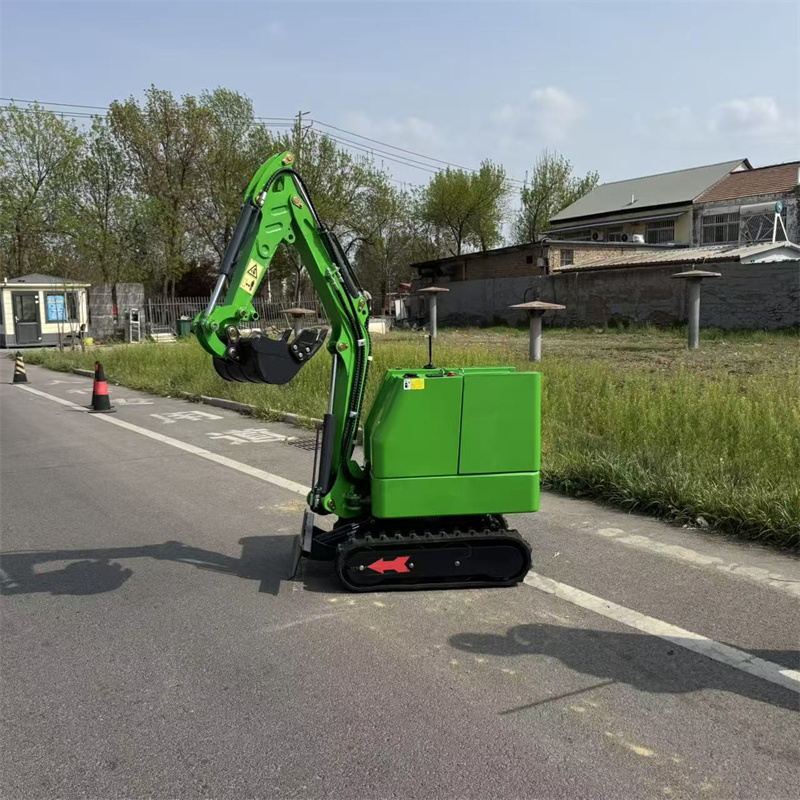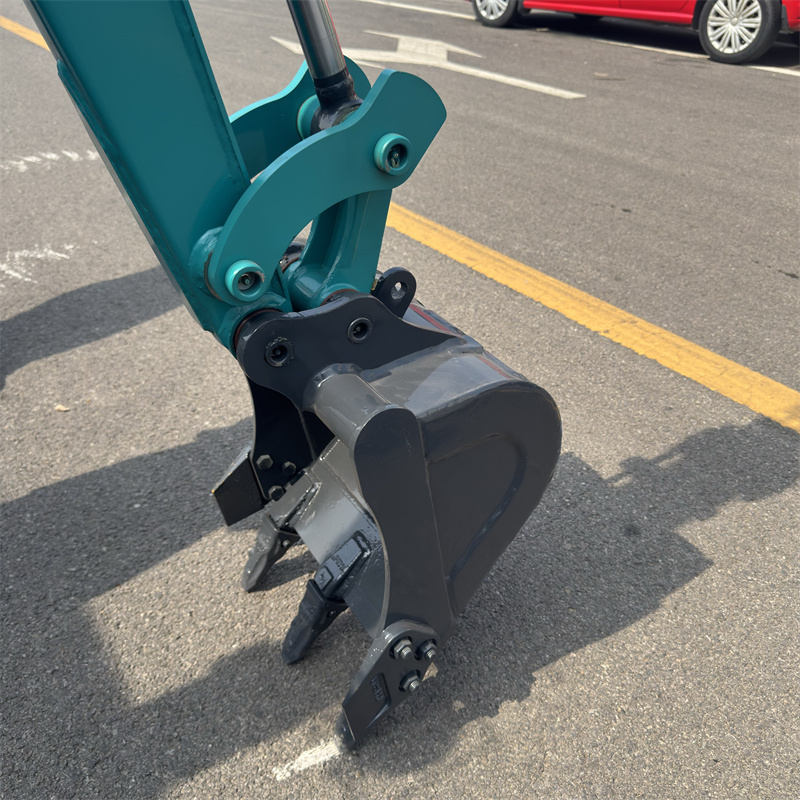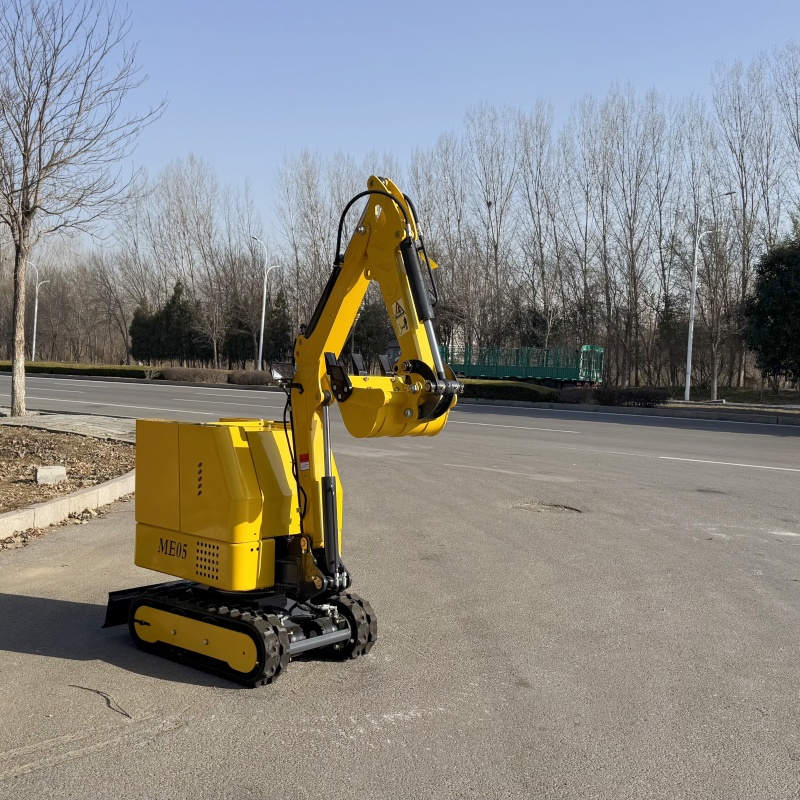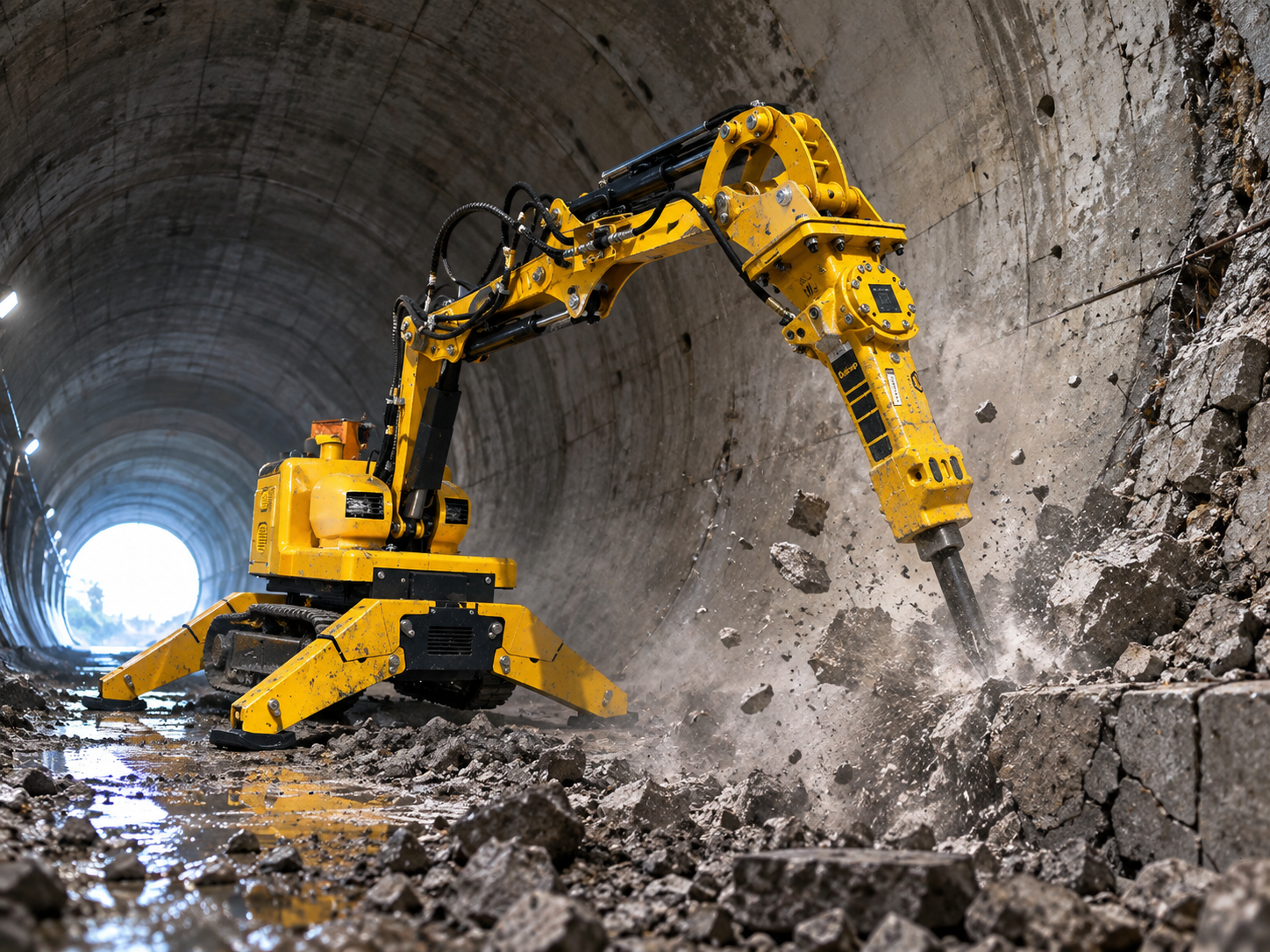
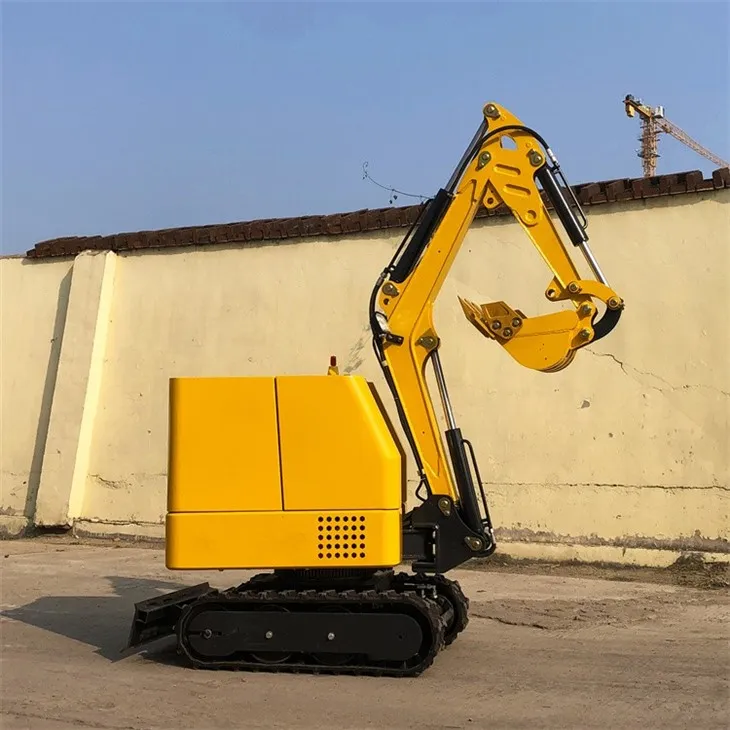
Hey there, fellow RC enthusiasts! I’m a supplier of Rc Mining Excavator, and today I’m gonna share some tips on how to adjust the digging angle of an RC mining excavator. Whether you’re a newbie just getting into the world of RC machines or a seasoned pro looking to fine-tune your equipment, this guide is for you.
Why Adjust the Digging Angle?
First off, you might be wondering why it’s even important to adjust the digging angle. Well, a proper digging angle can make a huge difference in the performance of your Mini Miner Rc Excavator. It affects how efficiently the excavator can scoop up materials, how deep it can dig, and even how stable it is during operation.
For example, if the digging angle is too shallow, the excavator might not be able to pick up enough material in one go. On the other hand, if the angle is too steep, it could tip over or have trouble getting the load out of the hole. So, finding the right balance is crucial for optimal performance.
Tools You’ll Need
Before we dive into the adjustment process, let’s talk about the tools you’ll need. You won’t need a whole bunch of fancy equipment, just a few basic tools that you probably already have in your toolbox. Here’s what you’ll need:
Screwdriver set: You’ll need a variety of screwdrivers to loosen and tighten the screws on the excavator. Make sure you have both flathead and Phillips head screwdrivers in different sizes.
Allen wrenches: Some RC mining excavators use Allen bolts, so having a set of Allen wrenches is essential.
Pliers: Pliers can come in handy for holding small parts in place or bending wires if necessary.
Lubricant: A little bit of lubricant can help keep the moving parts of the excavator working smoothly. You can use a silicone-based lubricant or a light machine oil.
Step-by-Step Guide to Adjusting the Digging Angle
Now that you have your tools ready, let’s get started on adjusting the digging angle of your Remote Control Mini Excavator. Here’s a step-by-step guide to help you through the process:
Step 1: Inspect the Excavator
Before you start making any adjustments, take a good look at your excavator. Check for any loose parts, damaged wires, or signs of wear and tear. Make sure all the screws and bolts are tightened properly. If you notice any issues, it’s a good idea to fix them before proceeding with the angle adjustment.
Step 2: Locate the Adjustment Points
Most RC mining excavators have adjustment points that allow you to change the digging angle. These points are usually located on the boom, arm, or bucket of the excavator. Refer to your excavator’s user manual to find the exact location of the adjustment points.
Step 3: Loosen the Screws
Using your screwdriver or Allen wrench, loosen the screws or bolts at the adjustment points. Be careful not to remove them completely, just loosen them enough to allow the parts to move.
Step 4: Adjust the Angle
Once the screws are loose, you can start adjusting the angle of the boom, arm, or bucket. You can do this by manually moving the parts into the desired position. Use your pliers to hold the parts in place if necessary.
As you’re adjusting the angle, keep in mind the type of material you’ll be digging and the depth you want to reach. For example, if you’re digging in soft soil, you might want to set the angle a little shallower to avoid overloading the excavator. If you’re digging in hard soil or rock, a steeper angle might be more effective.
Step 5: Test the Angle
After you’ve made the adjustments, it’s time to test the digging angle. Turn on your excavator and try digging a small hole. Pay attention to how the excavator performs. Does it pick up the material easily? Does it dig to the desired depth? If not, you might need to make some further adjustments.
Step 6: Tighten the Screws
Once you’re satisfied with the digging angle, use your screwdriver or Allen wrench to tighten the screws or bolts at the adjustment points. Make sure they’re tightened securely to prevent the parts from moving during operation.
Step 7: Lubricate the Moving Parts
Finally, apply a small amount of lubricant to the moving parts of the excavator, such as the joints and hinges. This will help reduce friction and keep the parts working smoothly.
Tips and Tricks
Here are some additional tips and tricks to help you get the most out of your RC mining excavator:
Practice makes perfect: Adjusting the digging angle takes a little practice, so don’t be afraid to experiment and try different angles. The more you practice, the better you’ll get at finding the right angle for different types of materials and digging conditions.
Keep your excavator clean: Regularly cleaning your excavator can help prevent dirt and debris from building up in the moving parts, which can affect the performance and lifespan of the machine.
Use the right attachments: Some RC mining excavators come with different attachments, such as buckets of different sizes or shapes. Using the right attachment for the job can make a big difference in the efficiency and effectiveness of your digging.
Follow the manufacturer’s instructions: Always refer to your excavator’s user manual for specific instructions on how to adjust the digging angle and perform other maintenance tasks. The manufacturer’s instructions are the best source of information for your particular model of excavator.
Conclusion
Adjusting the digging angle of an RC mining excavator is a relatively simple process that can have a big impact on the performance of your machine. By following the steps outlined in this guide and using the tips and tricks provided, you’ll be able to find the perfect digging angle for your needs.
If you have any questions or need further assistance, don’t hesitate to reach out. As a supplier of Rc Mining Excavator, I’m here to help you get the most out of your RC equipment. Whether you’re looking to purchase a new excavator or need parts and accessories for your existing one, I can provide you with the information and support you need.
So, what are you waiting for? Start adjusting the digging angle of your RC mining excavator today and see the difference it makes in your digging performance. And if you’re in the market for a new RC mining excavator or have any procurement needs, feel free to contact me for a discussion. Let’s work together to find the perfect solution for your RC mining needs!
References
Manufacturer’s user manual for your RC mining excavator.
Online forums and communities for RC enthusiasts.