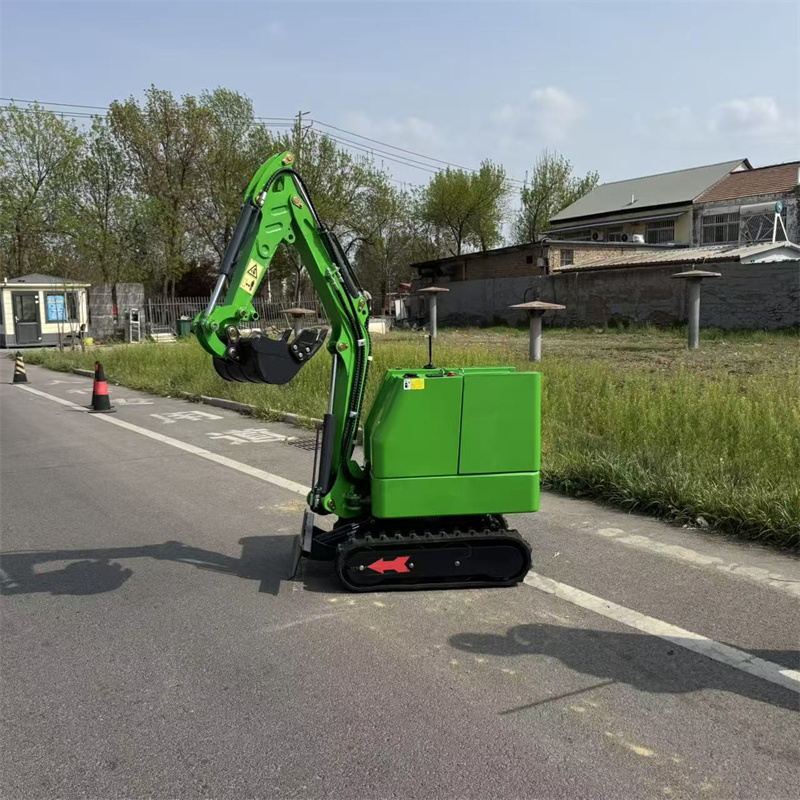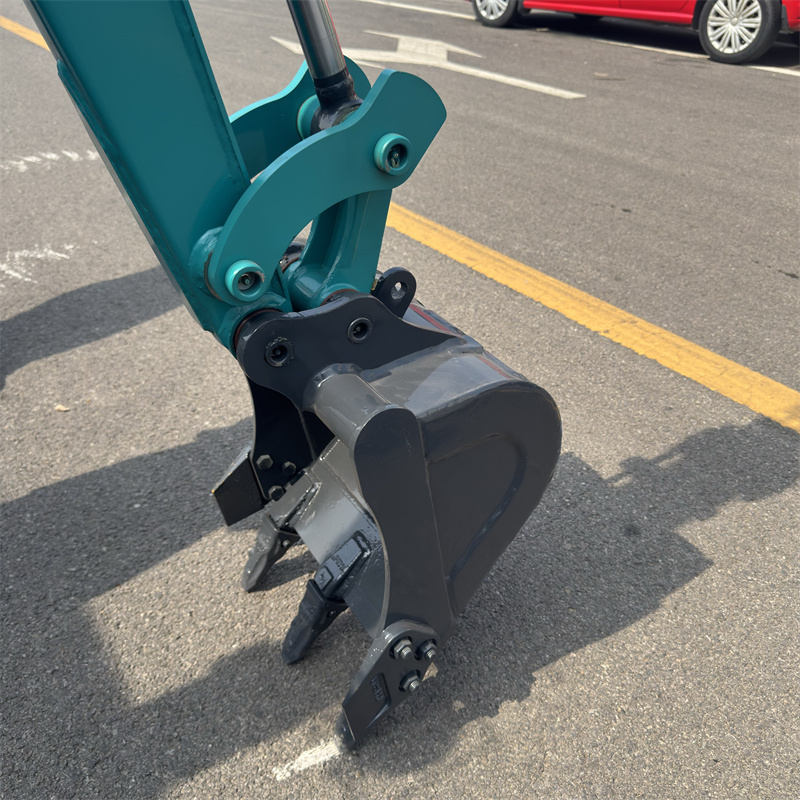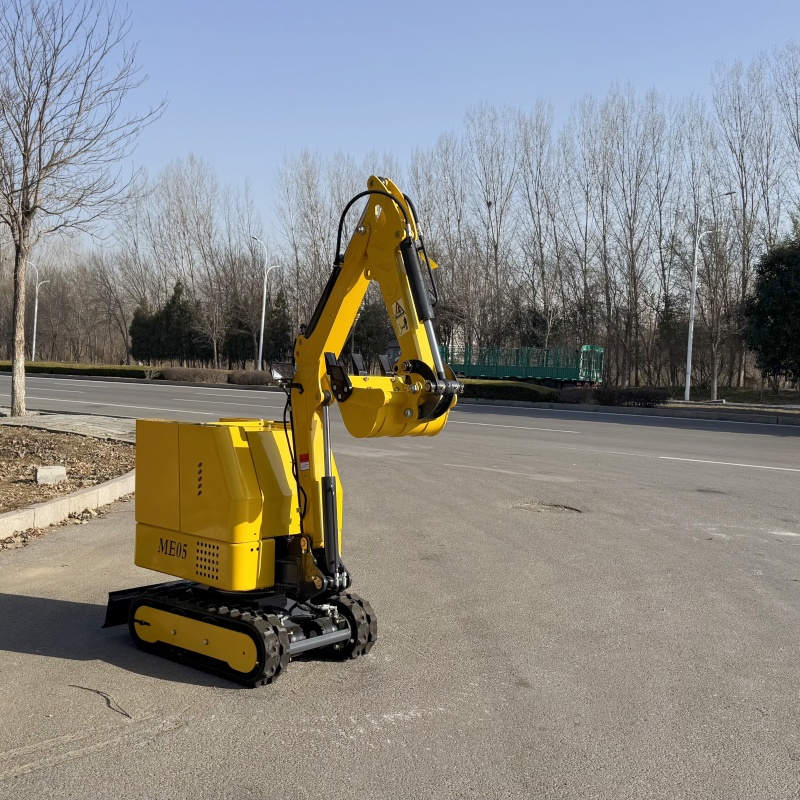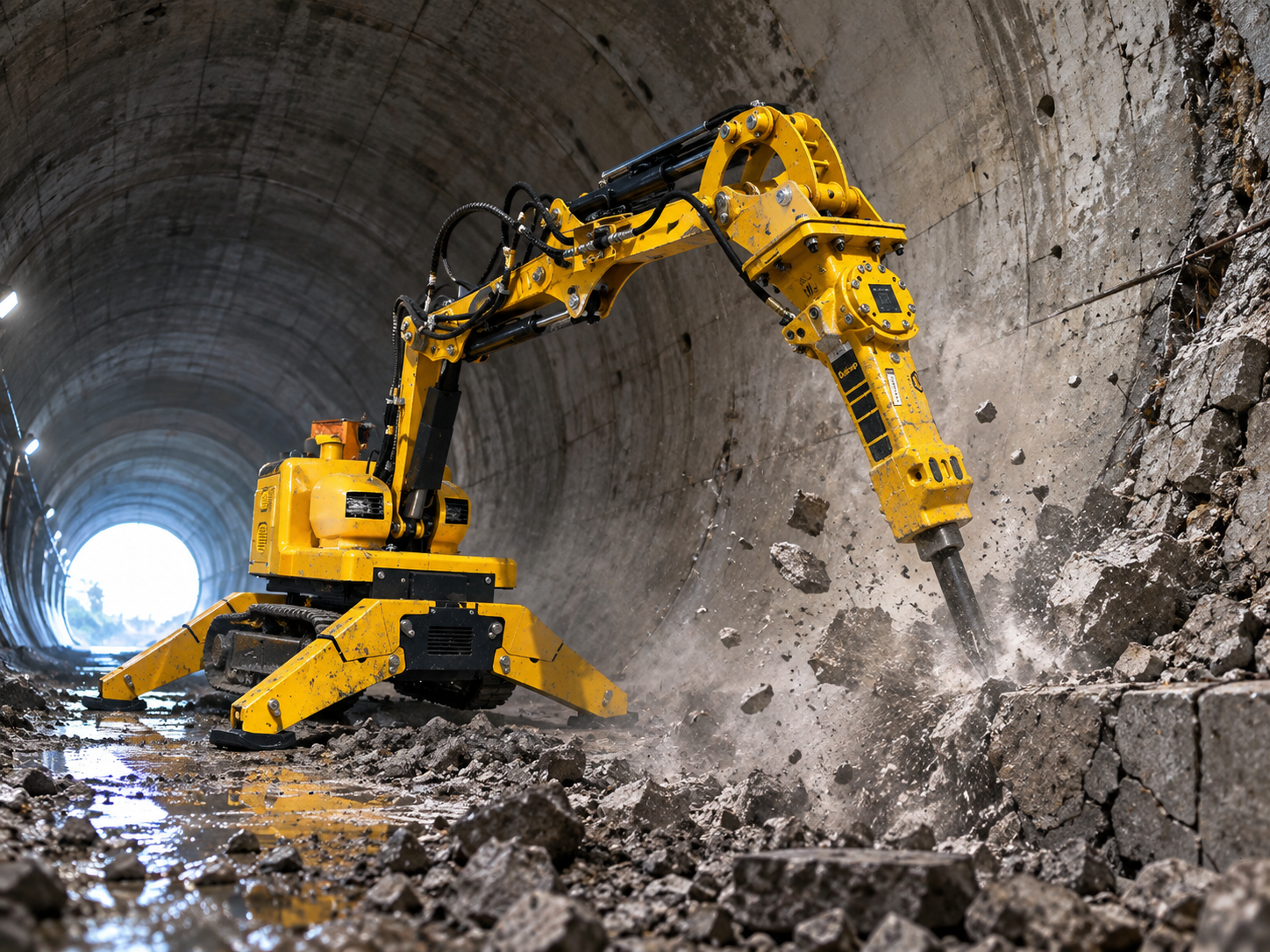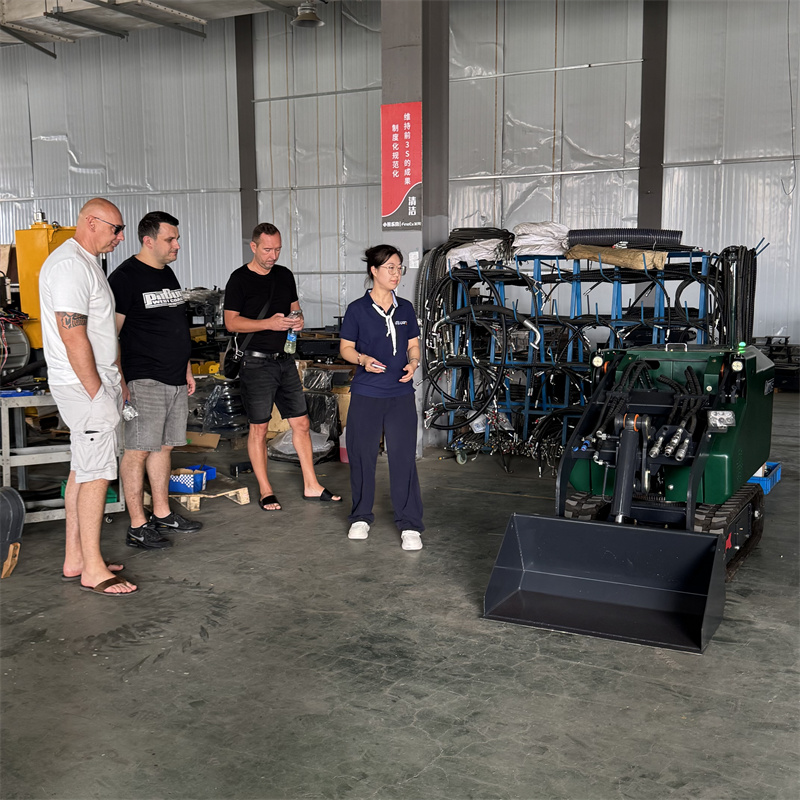
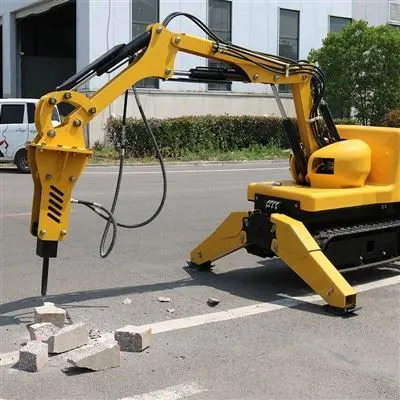
Hey there, fellow RC enthusiasts! As a supplier of RC mining excavators, I’m stoked to share with you a step-by-step guide on how to assemble one of these bad boys. Whether you’re a newbie looking to get into the world of RC or a seasoned pro wanting to build your latest project, this guide is for you. So, let’s dive right in!
Getting Started
Before you start assembling your RC mining excavator, you’ll need to gather all the necessary tools and parts. Here’s a list of what you’ll typically need:
RC Mining Excavator Kit: This should include all the major components of the excavator, such as the chassis, boom, bucket, and motors.
Screwdrivers: You’ll need a set of Phillips and flathead screwdrivers to tighten the screws.
Pliers: Pliers are useful for bending wires and holding small parts in place.
Wire Cutters: You’ll need wire cutters to trim the wires to the appropriate length.
Soldering Iron: If your kit requires soldering, make sure you have a soldering iron and some solder.
Battery and Charger: You’ll need a compatible battery and charger to power your RC excavator.
Once you have all your tools and parts ready, find a clean and well-lit workspace where you can assemble your excavator without any distractions.
Assembling the Chassis
The first step in assembling your RC mining excavator is to build the chassis. The chassis is the foundation of your excavator and provides support for all the other components.
Lay Out the Parts: Start by laying out all the parts of the chassis on your workspace. This will help you familiarize yourself with the components and ensure that you have everything you need.
Attach the Wheels: Begin by attaching the wheels to the axles. Make sure the wheels are securely fastened and that they rotate freely.
Install the Motor and Gearbox: Next, install the motor and gearbox onto the chassis. Follow the instructions in your kit to ensure that the motor and gearbox are properly aligned and secured.
Connect the Wires: Connect the wires from the motor and gearbox to the appropriate connectors on the chassis. If your kit requires soldering, use a soldering iron to make the connections.
Test the Movement: Once you have connected the wires, test the movement of the wheels to make sure everything is working properly. If the wheels don’t turn, double-check your connections and make sure the motor is receiving power.
Building the Boom and Bucket
The boom and bucket are the most visible parts of your RC mining excavator and are responsible for digging and lifting.
Assemble the Boom Sections: Start by assembling the boom sections according to the instructions in your kit. Make sure the sections are securely fastened together and that they can move freely.
Attach the Hydraulic Cylinders: Next, attach the hydraulic cylinders to the boom sections. The hydraulic cylinders are responsible for moving the boom up and down and side to side.
Install the Bucket: Once the boom is assembled, install the bucket onto the end of the boom. Make sure the bucket is securely attached and that it can open and close properly.
Connect the Hydraulic Lines: Connect the hydraulic lines from the cylinders to the hydraulic pump. Follow the instructions in your kit to ensure that the lines are properly connected and that there are no leaks.
Test the Boom and Bucket Movement: Test the movement of the boom and bucket to make sure everything is working properly. If the boom or bucket doesn’t move, double-check your connections and make sure the hydraulic pump is receiving power.
Installing the Electronics
The electronics are what make your RC mining excavator come to life. They include the receiver, transmitter, servos, and battery.
Install the Receiver: Start by installing the receiver onto the chassis. Make sure the receiver is securely fastened and that it is in a location where it can receive a strong signal from the transmitter.
Connect the Servos: Connect the servos to the appropriate connectors on the receiver. The servos are responsible for controlling the movement of the boom, bucket, and other components.
Install the Transmitter: Install the batteries into the transmitter and turn it on. Make sure the transmitter is paired with the receiver and that you can control the movement of your excavator.
Connect the Battery: Connect the battery to the power connector on the chassis. Make sure the battery is fully charged and that it is properly connected.
Test the Electronics: Test all the functions of your RC mining excavator to make sure everything is working properly. If any of the functions don’t work, double-check your connections and make sure the batteries are fully charged.
Fine-Tuning and Testing
Once you have assembled your RC mining excavator, it’s time to fine-tune and test it to ensure that it performs at its best.
Adjust the Servos: Use the transmitter to adjust the position of the servos. Make sure the boom, bucket, and other components move smoothly and accurately.
Check the Hydraulic Pressure: Check the hydraulic pressure to make sure it is within the recommended range. If the pressure is too high or too low, adjust the hydraulic pump accordingly.
Test the Digging and Lifting Capabilities: Test the digging and lifting capabilities of your RC mining excavator. Make sure it can dig and lift objects of different sizes and weights.
Check for Any Loose Parts: Check your excavator for any loose parts or connections. Tighten any loose screws or bolts and make sure all the wires are securely connected.
Make Any Necessary Adjustments: Based on your testing, make any necessary adjustments to your excavator to improve its performance.
Additional Tips and Resources
Here are some additional tips and resources to help you assemble and maintain your RC mining excavator:
Read the Instructions Carefully: Make sure you read the instructions in your kit carefully before you start assembling your excavator. This will help you avoid making any mistakes and ensure that your excavator is assembled correctly.
Watch Tutorial Videos: There are many tutorial videos available online that can help you assemble your RC mining excavator. These videos can provide valuable insights and tips that you may not find in the instructions.
Join an RC Enthusiast Community: Joining an RC enthusiast community can be a great way to connect with other hobbyists and get advice and support. You can find online forums, social media groups, and local clubs where you can share your experiences and learn from others.
Explore Related Products: If you’re interested in expanding your RC collection, check out some of our other products, such as the Compact Electric Demolition Robot, Demolition Robot For Confined Spaces, and Demolition Robot For Construction.
Contact Us for Purchase and洽谈
If you’re interested in purchasing an RC mining excavator or have any questions about our products, please don’t hesitate to contact us. We’re here to help you find the perfect RC excavator for your needs and provide you with the support and guidance you need to get the most out of your hobby.
References
RC Mining Excavator Kit Instructions
Online Tutorial Videos
RC Enthusiast Community Forums