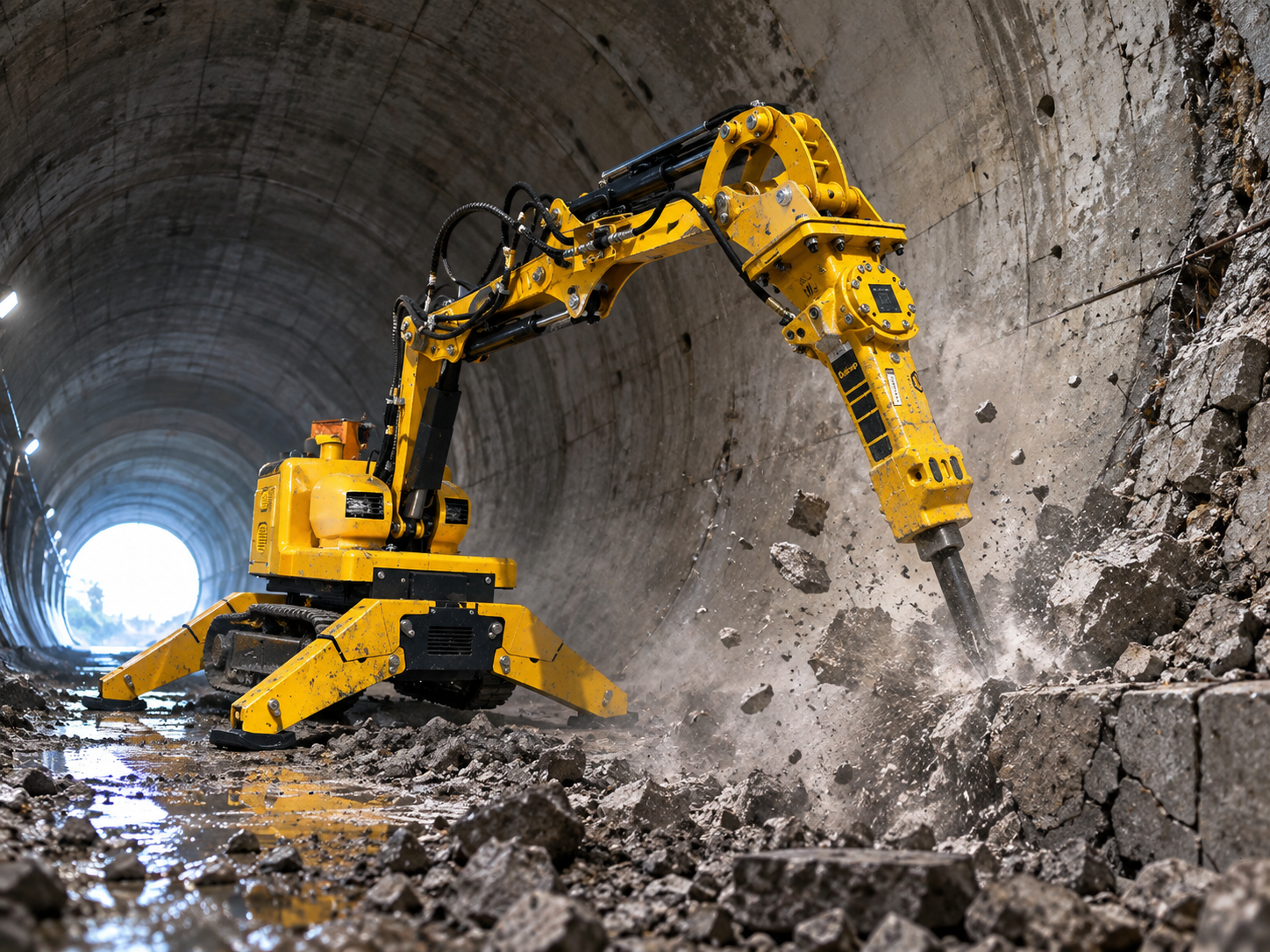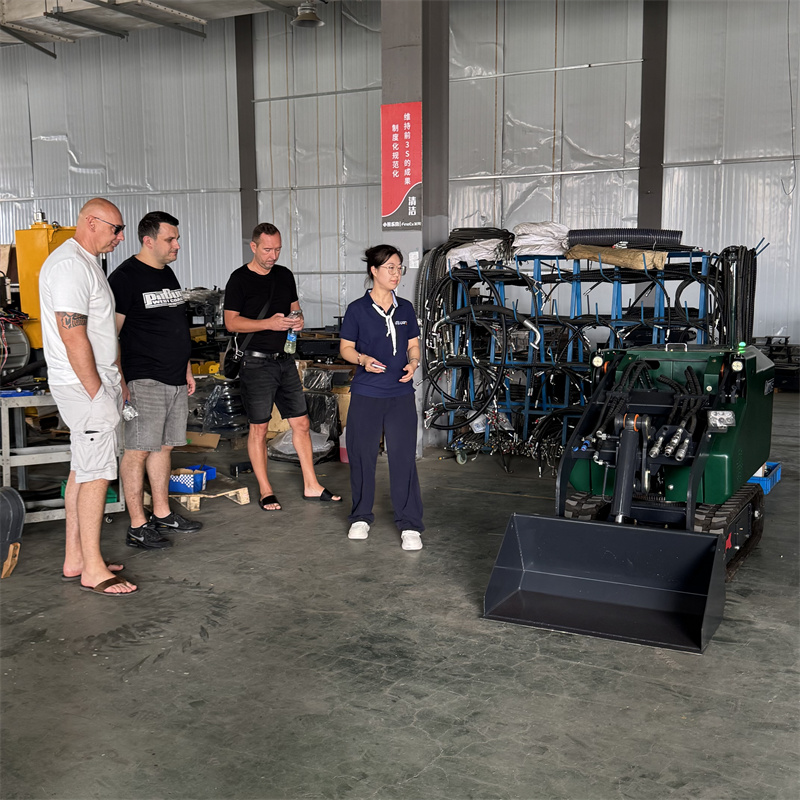
Hey there, fellow RC enthusiasts! As a supplier of Rc Mining Excavators, I’ve seen firsthand how crucial it is to keep these machines in tip – top shape. One of the most important aspects of maintenance is checking the integrity of the parts. In this blog, I’m gonna walk you through how to do just that.
Why Check the Integrity of Parts?
Before we dive into the how – to, let’s talk about why it’s so important to check the integrity of your Rc Mining Excavator parts. First off, a well – maintained excavator performs better. You don’t want to be out on the “job site” (even if it’s just your backyard) and have your excavator break down because of a faulty part. Secondly, it’s a matter of safety. If a part fails while the excavator is in operation, it could cause damage to the machine or even pose a risk to you or others around.
Visual Inspection
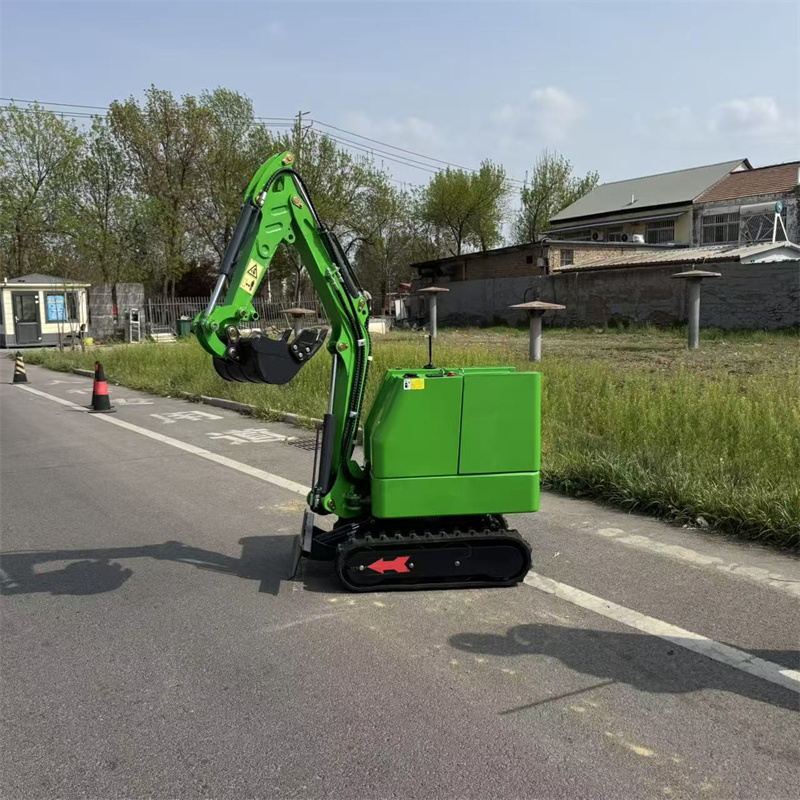
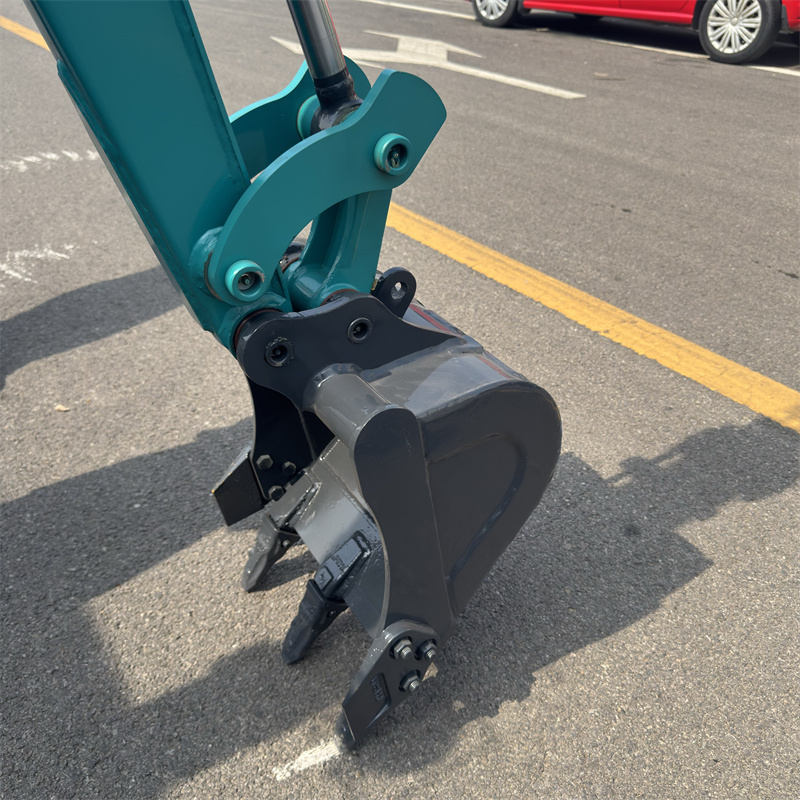
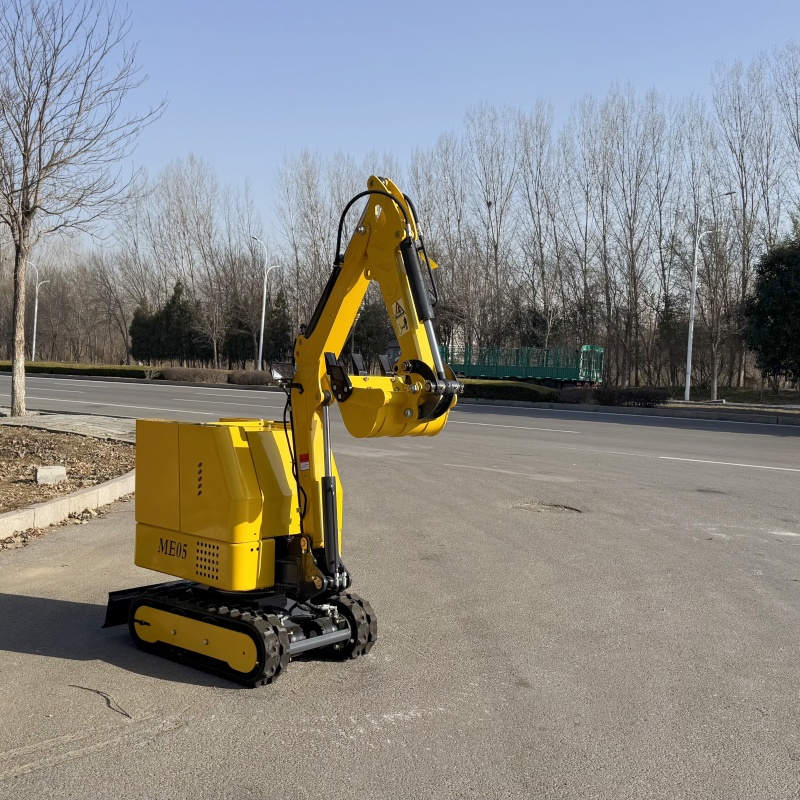
The first step in checking the integrity of your Rc Mining Excavator parts is a good old – fashioned visual inspection. Start by looking at the overall condition of the machine. Check for any signs of wear and tear, such as scratches, dents, or cracks. Pay special attention to the joints and connection points. These areas are under a lot of stress during operation, so they’re more likely to develop problems.
For example, the boom and the arm of the excavator should be straight and free of any bends. If you notice a bend, it could mean that the part has been overloaded or damaged in some way. The tracks are also important. Look for any signs of missing or damaged links. A broken track link can cause the excavator to lose traction or even derail.
Another thing to look at is the hydraulic hoses. These hoses carry the fluid that powers the excavator’s movements. Check for any signs of leaks, such as wet spots or a hissing sound. A leaking hose can not only reduce the performance of the excavator but also pose a fire hazard if the hydraulic fluid comes into contact with a hot surface.
Functionality Testing
After the visual inspection, it’s time to test the functionality of the parts. Start by turning on the excavator and running it through its basic movements. Make sure the boom, arm, and bucket can move smoothly and without any jerks or sticking. If you notice any problems with the movement, it could be a sign of a mechanical issue, such as a worn – out gear or a misaligned part.
Test the controls as well. The remote control should respond quickly and accurately to your commands. If there’s a delay or if the excavator doesn’t move as expected, there could be a problem with the control system. You might need to check the batteries in the remote control or look for any loose connections.
The bucket is another important part to test. Try picking up some light objects to see if the bucket can grip and hold them properly. If the bucket doesn’t close tightly or if it drops the objects easily, there could be an issue with the bucket’s mechanism.
Component – Specific Checks
Let’s take a closer look at some of the key components of an Rc Mining Excavator and how to check their integrity.
Engine
If your Rc Mining Excavator has an engine, it’s important to check its performance. Start by listening to the engine as it runs. A healthy engine should run smoothly and without any strange noises. If you hear knocking, rattling, or other unusual sounds, it could be a sign of a problem, such as a worn – out piston or a loose valve.
Check the fuel system as well. Make sure the fuel tank is filled with the correct type of fuel and that there are no leaks in the fuel lines. A clogged fuel filter can also cause problems with the engine’s performance, so it’s a good idea to check and replace it regularly.
Electrical System
The electrical system is responsible for powering the excavator’s lights, controls, and other electronic components. Check the battery to make sure it’s fully charged and that the terminals are clean and free of corrosion. A dirty or corroded terminal can prevent the battery from providing enough power to the excavator.
Inspect the wiring harness for any signs of damage, such as frayed wires or loose connections. A damaged wire can cause electrical shorts or other problems, which can affect the performance of the excavator.
Hydraulic System
As I mentioned earlier, the hydraulic system is crucial for the excavator’s movements. In addition to checking the hoses for leaks, you should also check the hydraulic fluid level. The fluid level should be within the recommended range. If it’s too low, it could mean that there’s a leak somewhere in the system.
You can also check the hydraulic pump. Listen for any unusual noises coming from the pump, such as a whining or grinding sound. A noisy pump could be a sign of a problem, such as a worn – out bearing or a clogged filter.
Using Diagnostic Tools
In some cases, a visual inspection and functionality testing might not be enough to detect a problem. That’s where diagnostic tools come in handy. There are a variety of diagnostic tools available for Rc Mining Excavators, such as multimeters and pressure gauges.
A multimeter can be used to check the electrical components of the excavator. You can use it to measure the voltage, current, and resistance of the battery, wires, and other electrical parts. This can help you identify any problems with the electrical system, such as a faulty switch or a short circuit.
A pressure gauge can be used to check the hydraulic system. You can use it to measure the pressure of the hydraulic fluid in the hoses and cylinders. If the pressure is too high or too low, it could indicate a problem with the hydraulic pump or a blockage in the system.
Where to Find Replacement Parts
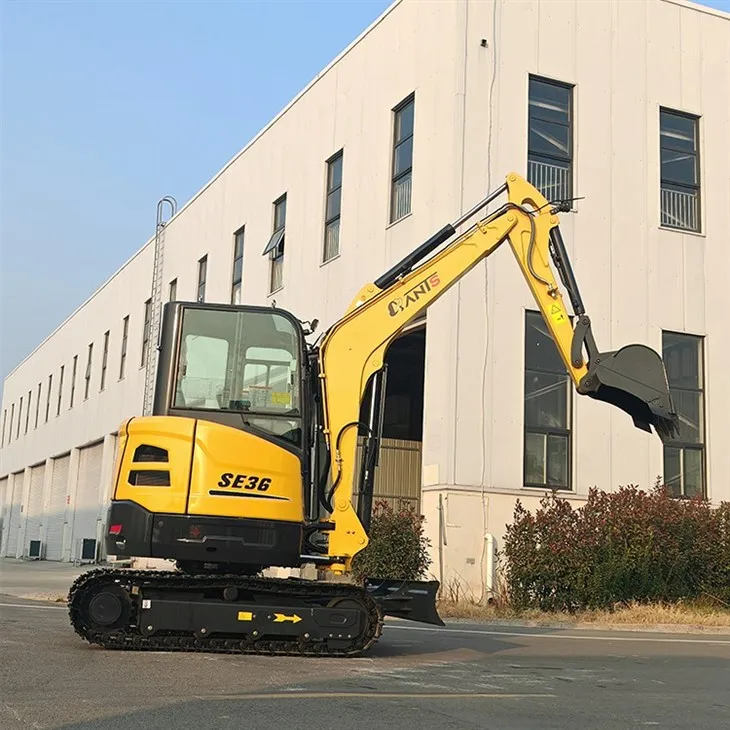
If you do find a problem with one of the parts of your Rc Mining Excavator, don’t worry. There are plenty of places where you can find replacement parts. As a supplier, I offer a wide range of high – quality parts for Rc Mining Excavators. You can also check out some of our products like the ANTS Mini Excavator Robot, Unmanned Mini Excavator, and Remote Controlled Excavator Demolition. These products are designed to meet the needs of RC enthusiasts and professionals alike.
Conclusion
Checking the integrity of the parts of an Rc Mining Excavator is an important part of maintenance. By performing regular visual inspections, functionality testing, and using diagnostic tools when necessary, you can keep your excavator in good working condition and avoid costly repairs.
If you’re interested in purchasing an Rc Mining Excavator or need replacement parts, don’t hesitate to reach out. We’re here to help you get the most out of your RC experience. Whether you’re a beginner or a seasoned pro, we’ve got the products and expertise to meet your needs. So, let’s start this exciting journey together and make your RC projects a success!
References
Personal experience as an Rc Mining Excavator supplier
Industry knowledge of RC equipment maintenance