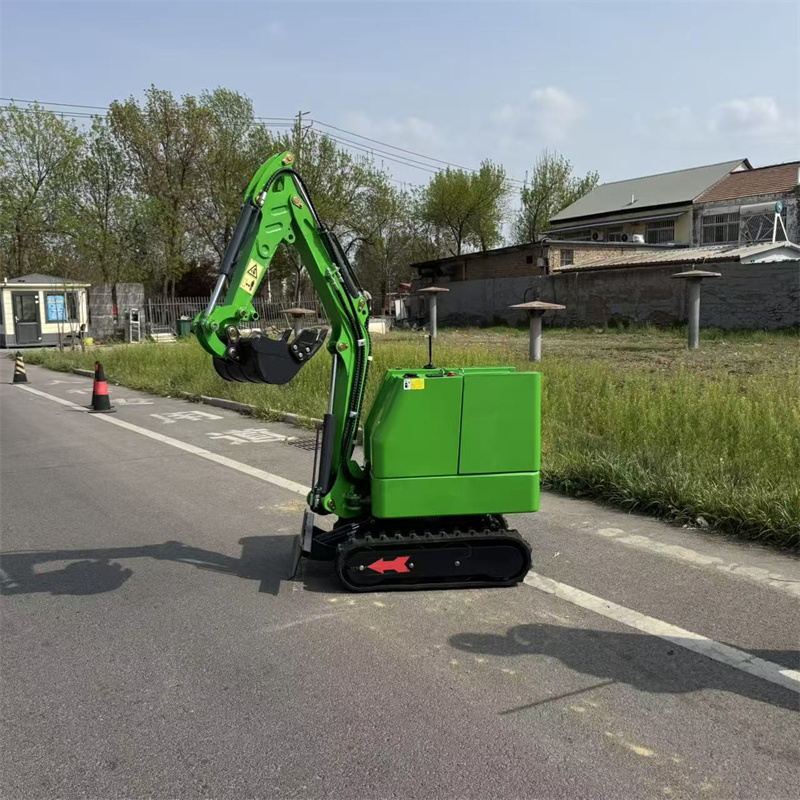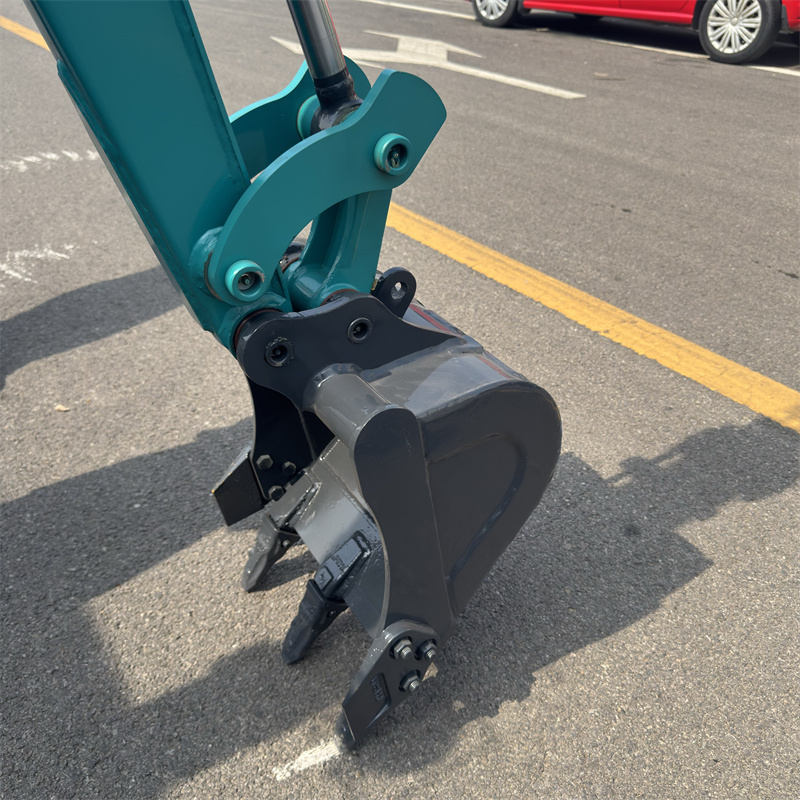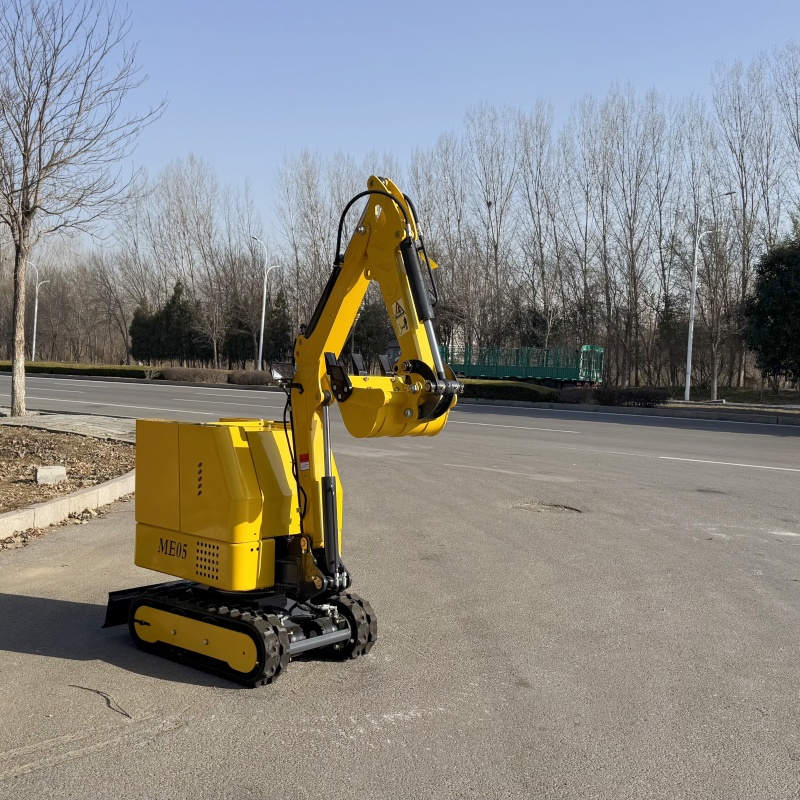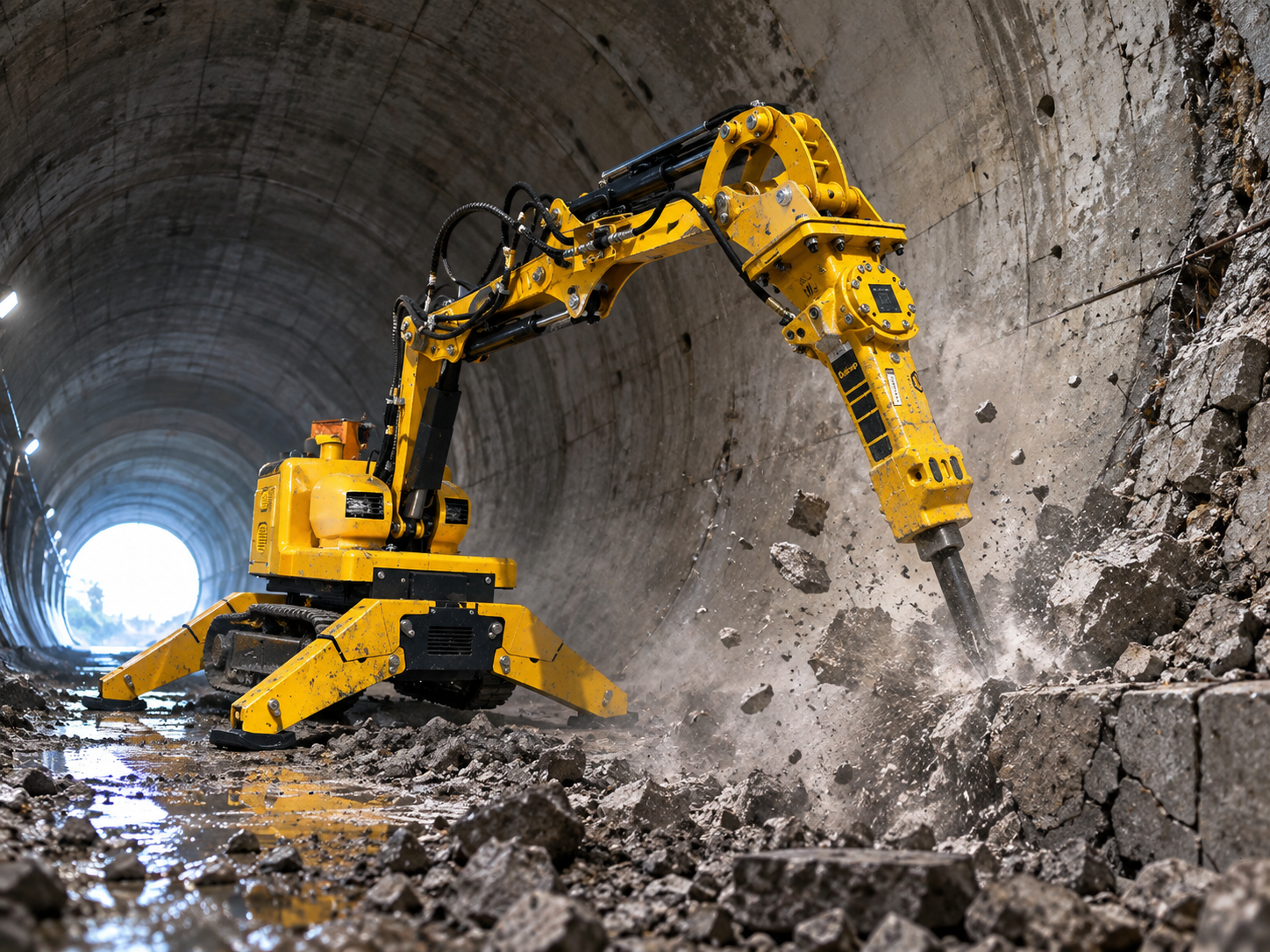
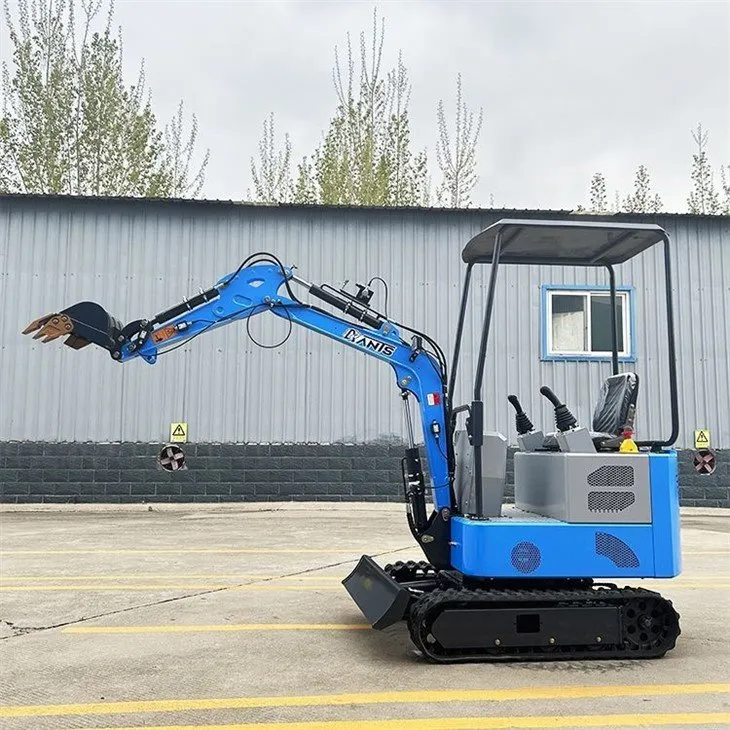
Hey there! I’m a supplier of Mini Excavator Digging, and I’ve seen firsthand how dirty these little machines can get after a heavy – duty digging job. Cleaning your mini excavator isn’t just about making it look good; it’s crucial for its long – term performance and durability. So, let’s dive into how you can clean a mini excavator after heavy – duty digging.
Pre – cleaning Inspection
Before you start the actual cleaning process, it’s a good idea to do a quick inspection. Walk around the mini excavator and look for any obvious signs of damage, like loose parts, leaks, or bent components. This way, you can address these issues while the machine is stationary and clean.
Check the tracks, especially if you’ve been working on rough or rocky terrain. Look for any embedded stones or debris that could cause wear and tear over time. Also, inspect the hydraulic hoses for any signs of leaks or damage. If you find anything suspicious, it’s best to get it fixed before you start cleaning.
Gather Your Cleaning Supplies
You’ll need a few basic supplies to clean your mini excavator properly. Here’s a list of what I usually use:
A pressure washer: This is a must – have for removing stubborn dirt and grime. Make sure it has enough pressure to get the job done but not too much that it damages the machine.
Degreaser: Heavy – duty digging often means a lot of grease and oil buildup. A good degreaser will help break down these substances.
Brushes: Different sizes of brushes are useful for getting into hard – to – reach areas. A stiff – bristled brush can be used for tough dirt, while a soft – bristled one is better for more delicate parts.
Water: You’ll need a good supply of clean water for rinsing.
Rags or towels: These are handy for drying the machine after cleaning and wiping down small areas.
Cleaning the Exterior
Let’s start with the exterior of the mini excavator. First, use the pressure washer to remove the loose dirt and debris. Start from the top and work your way down. Pay special attention to the tracks, as they tend to collect a lot of mud and dirt.
For areas with stubborn grease and grime, spray on the degreaser and let it sit for a few minutes. Then, use a brush to scrub the area. You might need to apply the degreaser a few times for really tough stains.
Don’t forget about the cab. Wipe down the windows, doors, and control panels with a damp rag. You can use a mild cleaner for the interior of the cab to keep it looking and smelling fresh.
Cleaning the Tracks
The tracks are one of the most important parts of the mini excavator, and they also take a beating during heavy – duty digging. After using the pressure washer to remove the loose dirt, use a brush to clean between the track links. You can also use a pry bar to remove any large stones or debris that are stuck.
Inspect the track pads for any signs of wear. If they’re worn down, it might be time to replace them. A well – maintained track system will ensure smooth operation and reduce the risk of breakdowns.
Cleaning the Engine Compartment
The engine compartment is where a lot of heat and dirt accumulate. Before you start cleaning, make sure the engine is cool. Use a brush to remove any loose dirt and debris from the engine cover and around the engine.
Spray the degreaser on the engine components, being careful not to get it on sensitive parts like the electrical connections. Let the degreaser sit for a few minutes, then use a brush to scrub the area. Rinse thoroughly with water, making sure to get all the degreaser off.
Check the air filter and replace it if it’s dirty. A clean air filter is essential for proper engine performance. Also, inspect the radiator and clean any debris that might be blocking the fins.
Cleaning the Hydraulic System
The hydraulic system is the heart of the mini excavator, so it’s important to keep it clean. Start by checking the hydraulic fluid level. If it’s low, top it off with the recommended fluid.
Inspect the hydraulic hoses and connections for any signs of leaks or damage. If you find a leak, it’s best to have it repaired by a professional. Use a clean rag to wipe down the hoses and connections to remove any dirt or grease.
Drying the Mini Excavator
After you’ve finished cleaning, it’s important to dry the mini excavator thoroughly. Use a pressure washer to blow off any remaining water, especially from hard – to – reach areas. Then, use rags or towels to dry the machine completely.
Drying the machine helps prevent rust and corrosion, which can damage the metal components over time. Pay special attention to areas that are prone to water accumulation, like the tracks and the undercarriage.
Post – cleaning Inspection
Once the mini excavator is dry, do another inspection. Check for any signs of damage that might have been missed during the pre – cleaning inspection. Make sure all the parts are properly tightened and that there are no loose components.
Also, check the fluid levels again, including the hydraulic fluid, engine oil, and coolant. If any of the levels are low, top them off.
Maintaining a Cleaning Schedule
Regular cleaning is key to keeping your mini excavator in top condition. I recommend cleaning your mini excavator after every heavy – duty digging job and doing a more thorough cleaning at least once a month.
By following these cleaning steps, you can extend the life of your mini excavator and ensure that it performs at its best. If you’re in the market for a used or new mini excavator, we’ve got some great options for you. Check out our Used Mini Excavator for Garden, 1.5 Ton Mini Excavator, and 1.5ton Mini Crawler Excavator.
If you have any questions about cleaning your mini excavator or are interested in purchasing one of our machines, don’t hesitate to reach out. We’re here to help you make the best decision for your digging needs.
References
“Mini Excavator Maintenance Guide” – Manufacturer’s Manual
“Heavy Equipment Cleaning Best Practices” – Industry Journal