Hey there! I’m a supplier of electric machines, and today I wanna chat about how to ensure the quality of an electric machine during manufacturing. It’s a topic that’s super important to me, and I hope it’ll be useful for you too.
1. Raw Material Selection
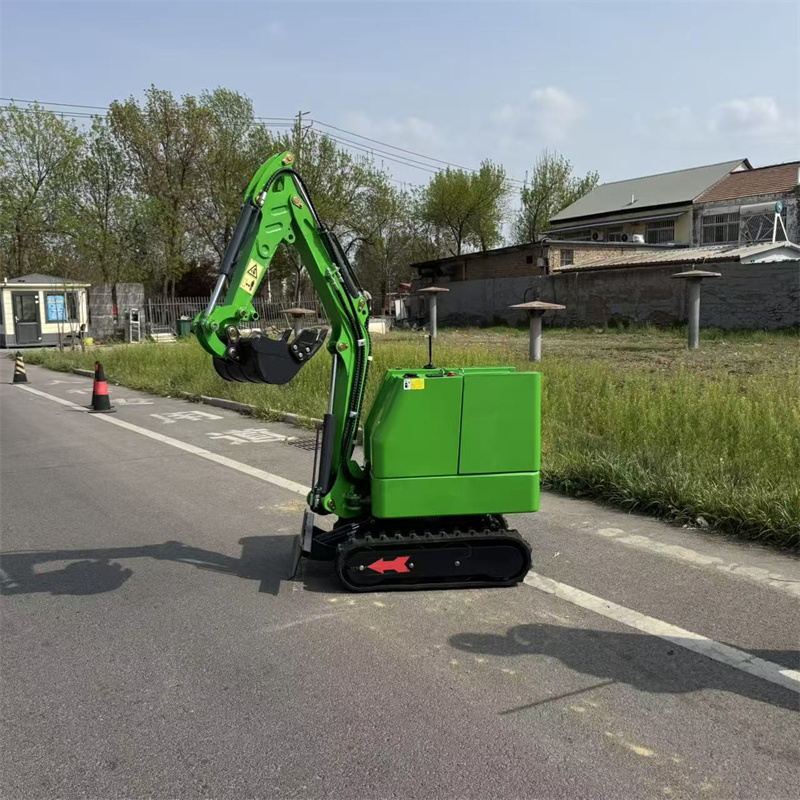
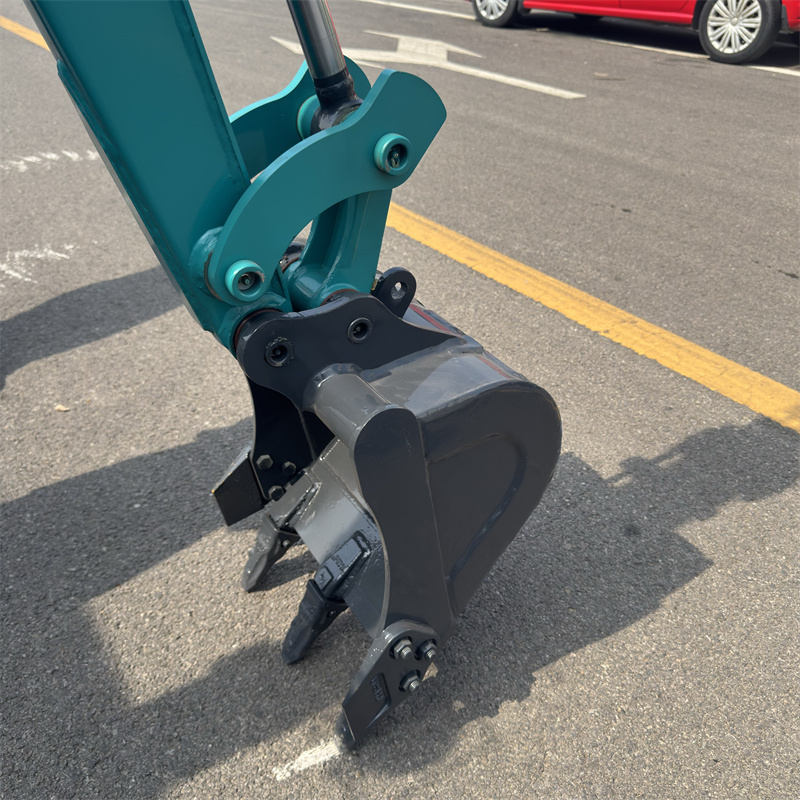
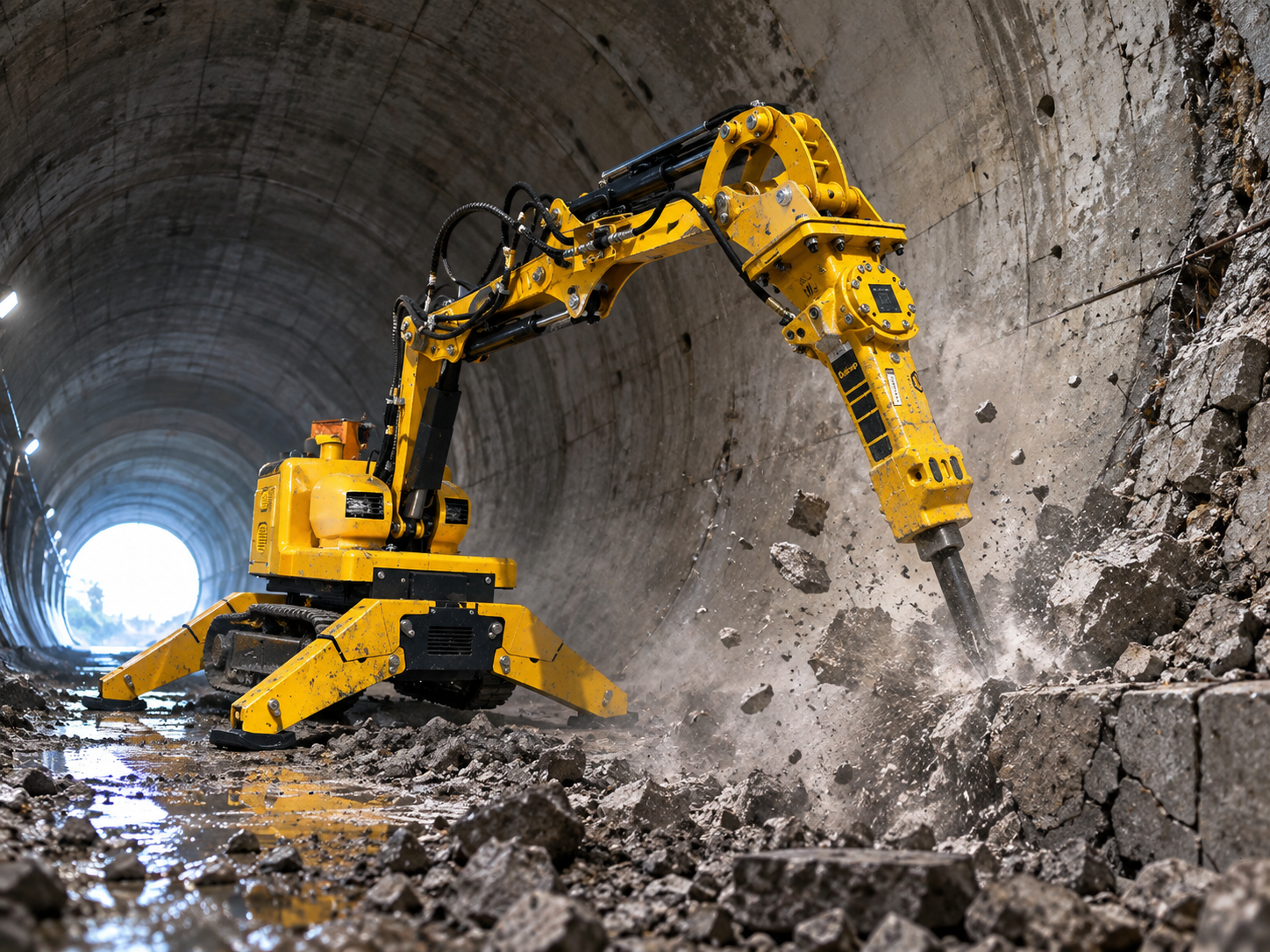
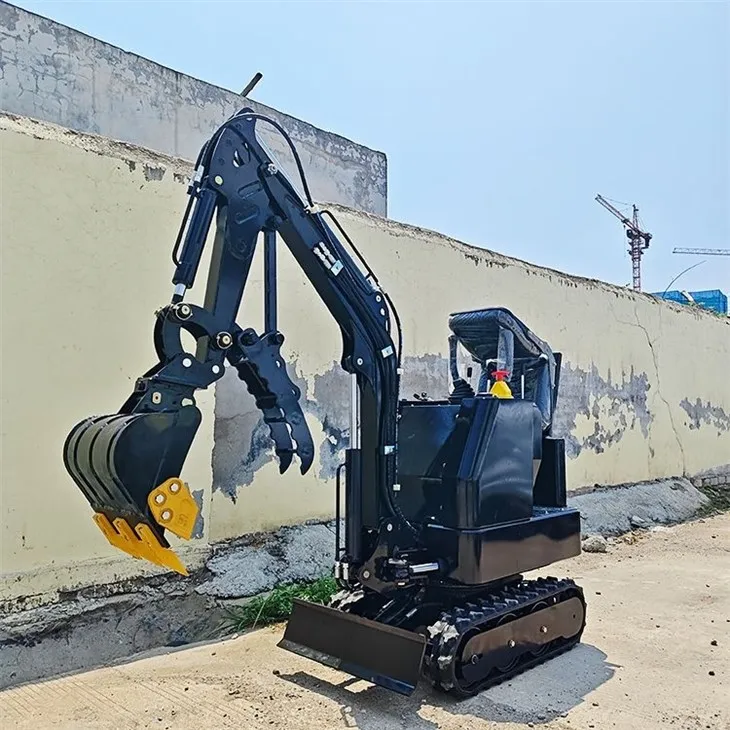
First off, picking the right raw materials is crucial. You know, the quality of the input directly affects the quality of the output. For instance, when making an Electric Mini Digger, we need high – strength steel for the body. This steel should have good weldability and corrosion resistance. We source our steel from reliable suppliers who have a proven track record of providing high – quality materials.
We also pay close attention to the electrical components. The motors, for example, are the heart of an electric machine. We choose motors from well – known manufacturers that have strict quality control processes. These motors should have high efficiency, stable performance, and a long service life. And we always test a sample of the raw materials before using them in large – scale production. This way, we can catch any potential issues early on.
2. Design and Engineering
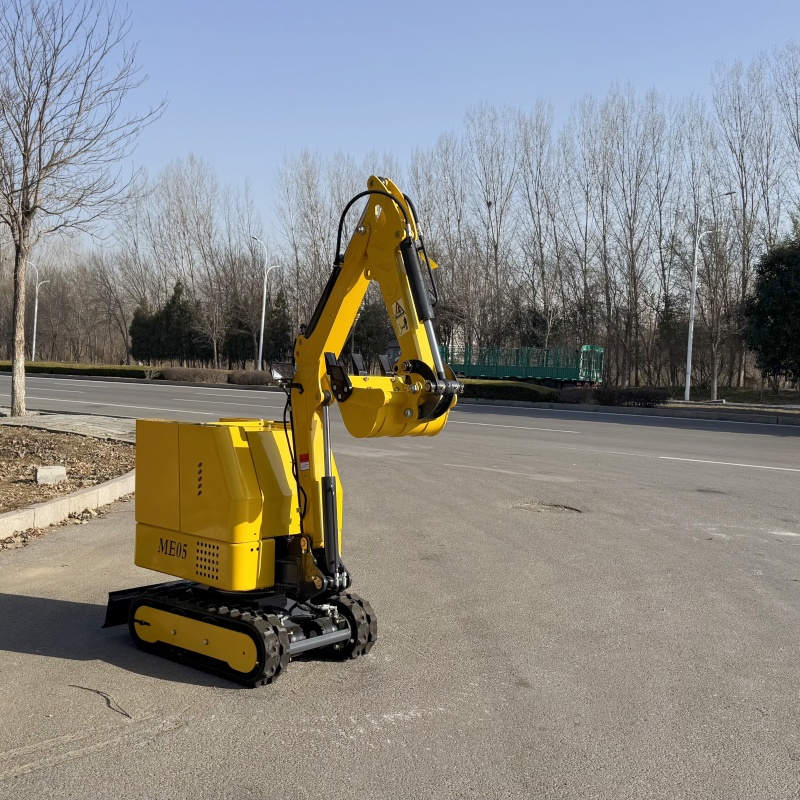
A good design is the foundation of a high – quality electric machine. Our design team uses the latest software and tools to create detailed 3D models of the machine. They consider all aspects, like the functionality, ergonomics, and safety. For the ME10 Farm Garden Household Electric Mini Excavator, we designed it to be easy to operate for farmers and gardeners. The controls are intuitive, and the machine has a compact size that can easily maneuver in small spaces.
During the design phase, we also conduct simulations. We simulate the stress distribution on the machine’s structure, the heat dissipation of the electrical components, and the fluid flow in the hydraulic system (if applicable). These simulations help us optimize the design and identify any weak points. We make adjustments to the design based on the simulation results to ensure the machine can perform well under different conditions.
3. Manufacturing Process Control
Once the design is finalized, it’s time to start manufacturing. We have a well – defined manufacturing process that’s strictly followed. Each step has its own quality control points. For example, in the welding process, we use automated welding machines to ensure consistent weld quality. The welders are also highly trained and certified.
We use advanced machining techniques to ensure the precision of the parts. The tolerances of the parts are carefully controlled to ensure they fit together perfectly. After each machining operation, the parts are inspected using precision measuring tools. If a part doesn’t meet the specifications, it’s either re – worked or discarded.
In the assembly process, we have a detailed assembly manual. The workers follow this manual step by step to ensure the machine is assembled correctly. We also use torque wrenches to tighten the bolts to the correct torque values. This helps prevent loose bolts, which can cause vibration and damage to the machine.
4. Quality Testing
Quality testing is a non – negotiable part of the manufacturing process. We have a comprehensive testing program for our electric machines. Before the machine leaves the factory, it goes through a series of tests.
Electrical testing is one of the most important tests. We check the insulation resistance, the voltage, and the current of the electrical components. We also test the functionality of the control system to ensure it can operate the machine smoothly.
Performance testing is also carried out. For the Mini Excavator for Indoor Use, we test its digging force, lifting capacity, and operating speed. We run the machine under different loads and conditions to simulate real – world usage.
We also conduct vibration testing to check for any abnormal vibrations. Excessive vibration can indicate problems with the balance of the machine or the alignment of the parts. Noise testing is another important aspect. We want our machines to operate quietly, especially for indoor use.
5. Employee Training
Our employees are the key to ensuring the quality of our electric machines. We provide regular training programs for all our workers. The new employees go through an on – boarding training program that covers the company’s quality policy, the manufacturing process, and the safety regulations.
The experienced workers also receive continuous training to keep up with the latest technologies and manufacturing techniques. For example, we train our workers on how to use new testing equipment or how to operate the latest software for design and simulation.
We encourage our employees to take ownership of the quality of their work. They are empowered to stop the production line if they notice any quality issues. This helps us catch and solve problems quickly.
6. Supplier Management
As a supplier of electric machines, we also rely on our suppliers. We have a strict supplier management system. We evaluate our suppliers regularly based on their quality performance, delivery time, and price.
We work closely with our suppliers to improve the quality of the raw materials and components they provide. We share our quality requirements and standards with them. We also conduct on – site audits of our key suppliers to ensure they have a good quality control system in place.
If a supplier fails to meet our quality requirements, we either help them improve or find a new supplier. This way, we can ensure a stable supply of high – quality materials and components.
7. Continuous Improvement
Quality is not a one – time thing. We are always looking for ways to improve the quality of our electric machines. We collect feedback from our customers, our employees, and our suppliers. This feedback helps us identify areas for improvement.
We use quality management tools like Six Sigma and Lean Manufacturing to analyze the data and find the root causes of the problems. Based on the analysis, we implement improvement measures. For example, if we find that a certain part has a high failure rate, we work on improving its design or changing the manufacturing process.
We also keep an eye on the latest industry trends and technologies. We invest in research and development to incorporate new features and improvements into our machines. This helps us stay competitive in the market and provide our customers with the best – quality electric machines.
Conclusion
Ensuring the quality of an electric machine during manufacturing is a complex but rewarding process. By focusing on raw material selection, design, manufacturing process control, quality testing, employee training, supplier management, and continuous improvement, we can produce high – quality electric machines that meet the needs of our customers.
If you’re interested in our electric machines or have any questions about their quality, don’t hesitate to reach out. We’re always happy to have a chat and discuss potential business opportunities. Whether you’re a farmer looking for a reliable mini excavator or a contractor in need of a high – performance electric machine, we’ve got you covered. Let’s have a conversation and see how we can work together!
References
Some textbooks on manufacturing engineering and quality control.
Industry reports on electric machine manufacturing.
Internal company documents on quality management processes.