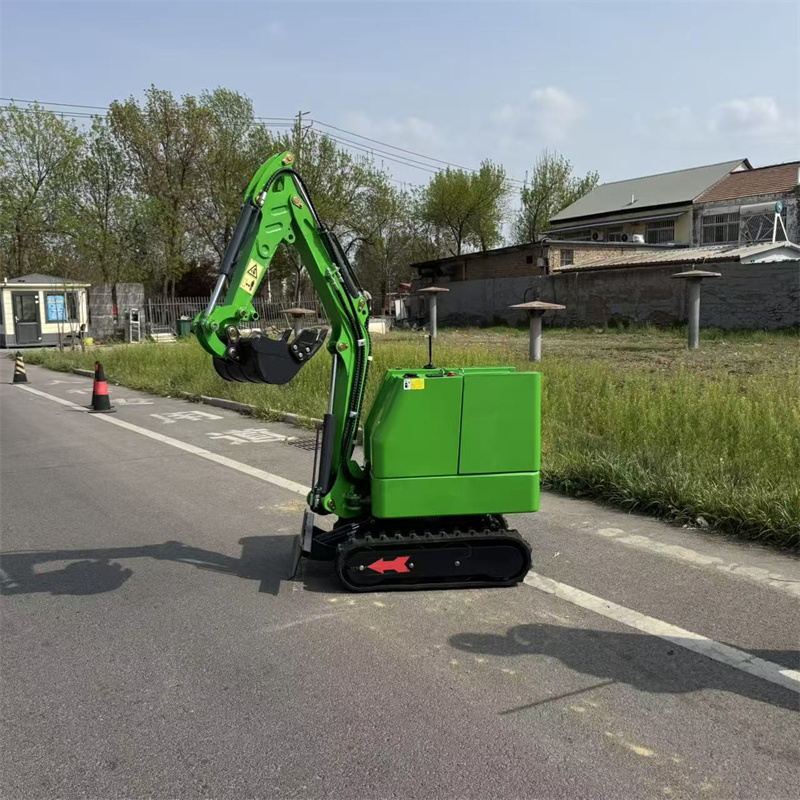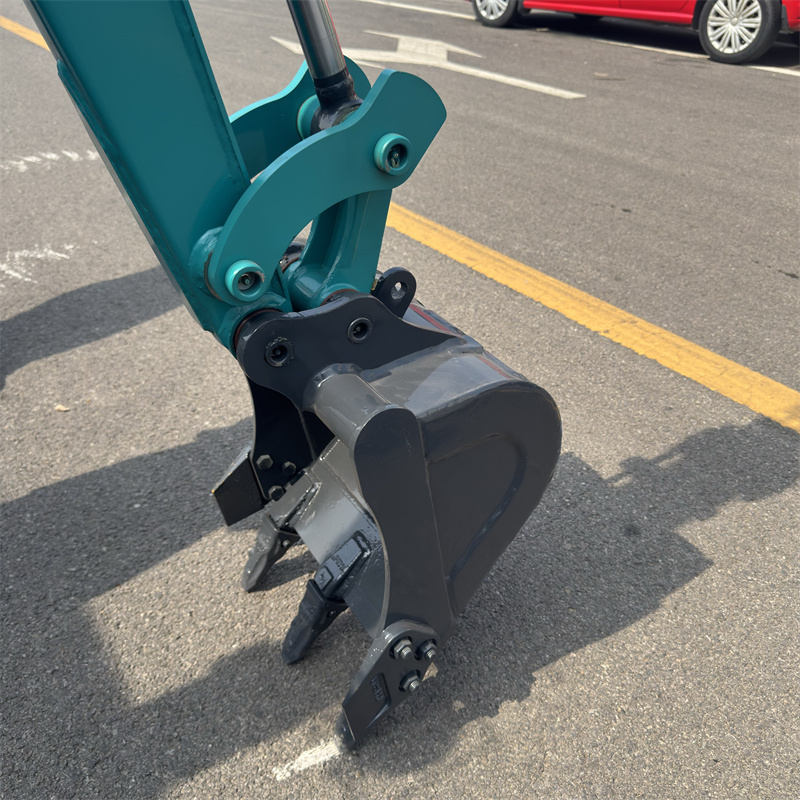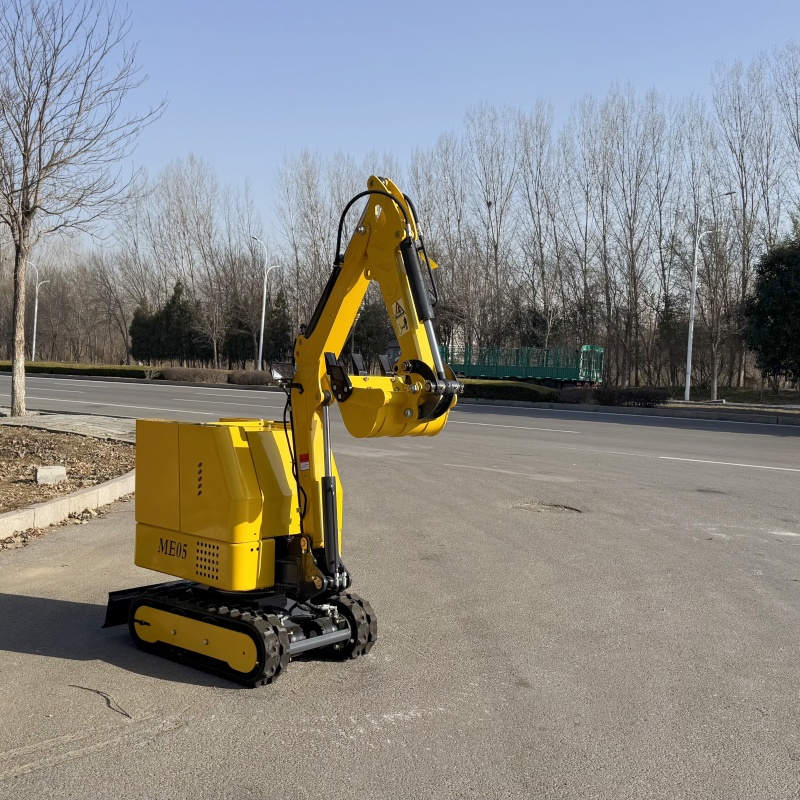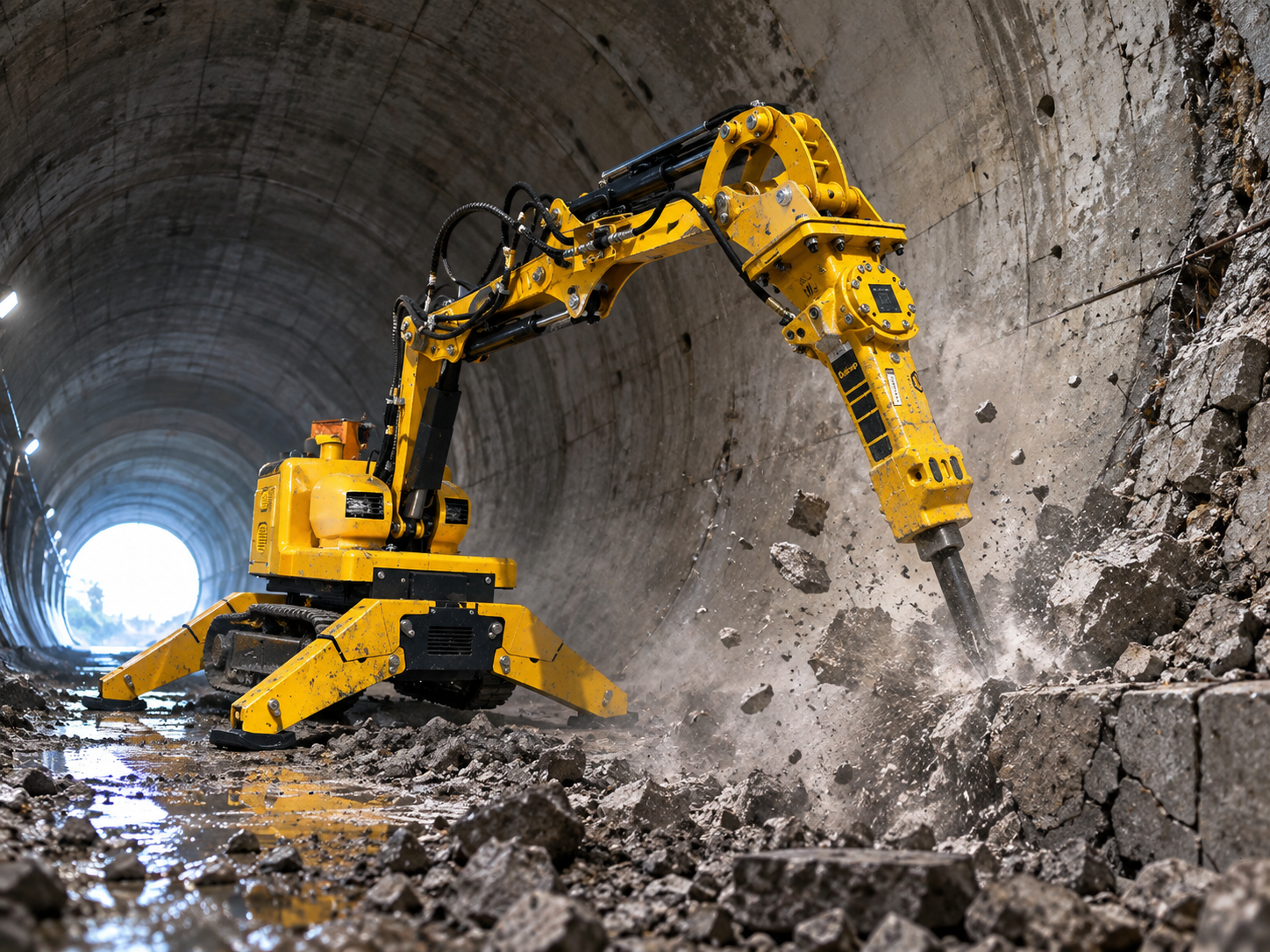
Hey there! I’m a supplier of Mini Excavator Digging, and I’ve seen firsthand how important it is to keep bystanders safe during mini excavator operations. Mini excavators are super handy for all sorts of jobs, from small construction projects to garden work. But with great power comes great responsibility, especially when it comes to the safety of those around the digging site.
First off, let’s talk about setting up a proper worksite. This is the foundation of keeping bystanders out of harm’s way. When you’re getting ready to start digging, you need to clearly mark the boundaries of the work area. You can use barricades, cones, or even ropes. Make sure these markers are visible from all angles and are placed at a safe distance from the excavator’s operating range. This way, people know exactly where they can and can’t go.
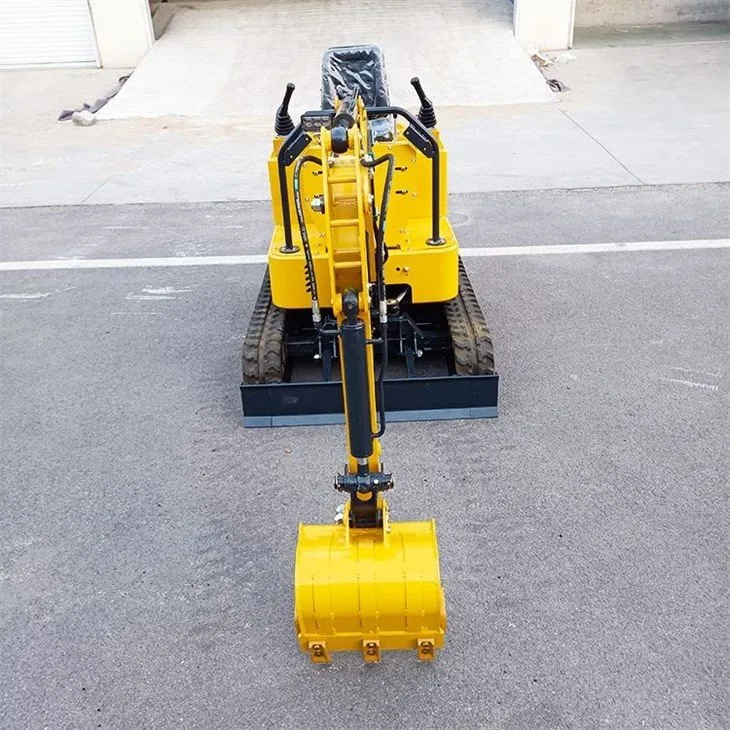
For example, if you’re using a 1.5ton Mini Crawler Excavator, which is a popular choice for its maneuverability, you need to account for its swing radius. These machines can rotate 360 degrees, and the boom and bucket can extend quite far. So, set up your barriers far enough so that even if the operator makes a sudden move, no one will be in the path of the equipment.
Another crucial aspect is communication. The operator of the mini excavator should be in constant communication with anyone on the worksite. This can be done through hand signals, radios, or even just shouting if the site is small. Before starting any major movement, like swinging the boom or backing up, the operator should give a clear signal. And bystanders should be trained to recognize these signals and respond accordingly.
It’s also a good idea to have a designated safety person on-site. This person’s job is to keep an eye on everything and make sure everyone is following the safety rules. They can stop the operation if they see any potential hazards. This extra layer of protection can really make a difference in preventing accidents.
Now, let’s talk about the training of the excavator operator. A well-trained operator is key to ensuring bystander safety. They should know how to operate the machine safely and efficiently. This includes understanding the controls, the machine’s capabilities, and how to handle different types of terrain.
When you’re looking for a mini excavator, consider models like the ME15 Mini Excavator | Canopy Optional. This excavator is designed with safety in mind, with features that make it easier for the operator to control and maneuver. But even with a great machine, proper training is still essential.
The operator should also be aware of their surroundings at all times. They need to constantly scan the area for bystanders, especially when moving the machine or using the boom and bucket. If they see someone getting too close, they should stop the operation immediately and ask the person to move to a safe location.
In addition to on-site safety measures, it’s important to educate the public about the dangers of being near a mini excavator digging site. You can put up signs around the area that explain the risks and remind people to stay away. If it’s a public area, you might even want to have someone available to answer questions and provide information about the project.
For those who are interested in using a mini excavator for their garden, we have Used Mini Excavator for Garden options available. These machines are a great choice for small-scale projects, but the same safety rules apply. Whether you’re a professional contractor or a homeowner doing some DIY work, safety should always be your top priority.
Another thing to consider is the maintenance of the mini excavator. A well-maintained machine is less likely to malfunction, which can reduce the risk of accidents. Regularly check the brakes, hydraulics, and other important components. Make sure all the safety features, like the seatbelt and emergency stop button, are working properly.
When it comes to emergency preparedness, you should have a plan in place. This includes knowing what to do in case of an accident, such as how to call for medical help and how to stop the machine quickly. Everyone on the worksite should be familiar with this plan.
Finally, I want to encourage you to reach out if you’re interested in purchasing a mini excavator. We have a wide range of models to choose from, and our team can help you find the right one for your needs. Whether you’re a contractor looking for a reliable workhorse or a homeowner wanting to tackle a garden project, we’ve got you covered. Just get in touch, and we can start the conversation about your mini excavator needs.
In conclusion, ensuring the safety of bystanders during mini excavator digging is a multi-faceted process. It involves setting up a safe worksite, proper communication, well-trained operators, public education, and emergency preparedness. By following these guidelines, you can minimize the risks and create a safer environment for everyone involved.
References
Construction Equipment Safety Manuals
Occupational Safety and Health Administration (OSHA) Guidelines for Excavator Operations