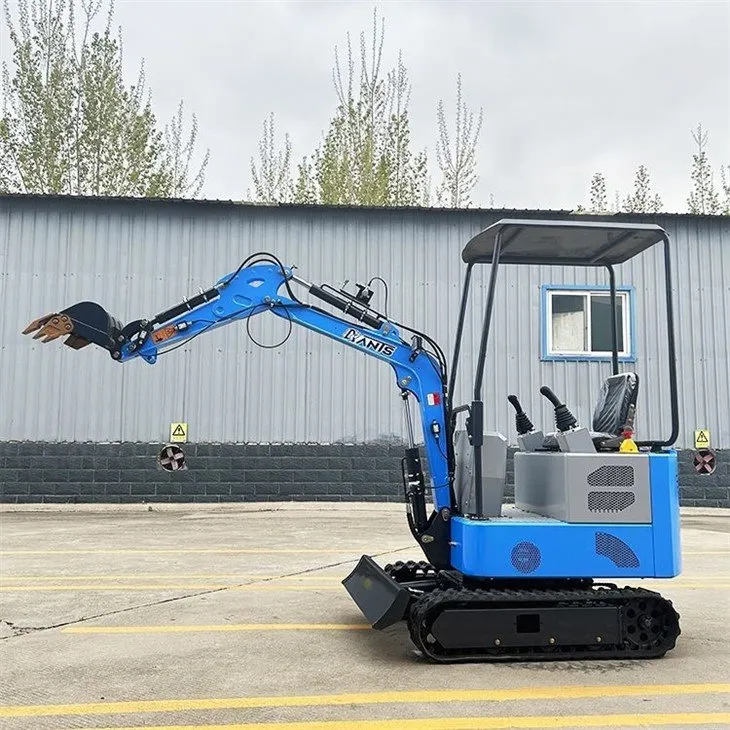
How to Ensure the Safety of the Remote Control of an Rc Mining Excavator
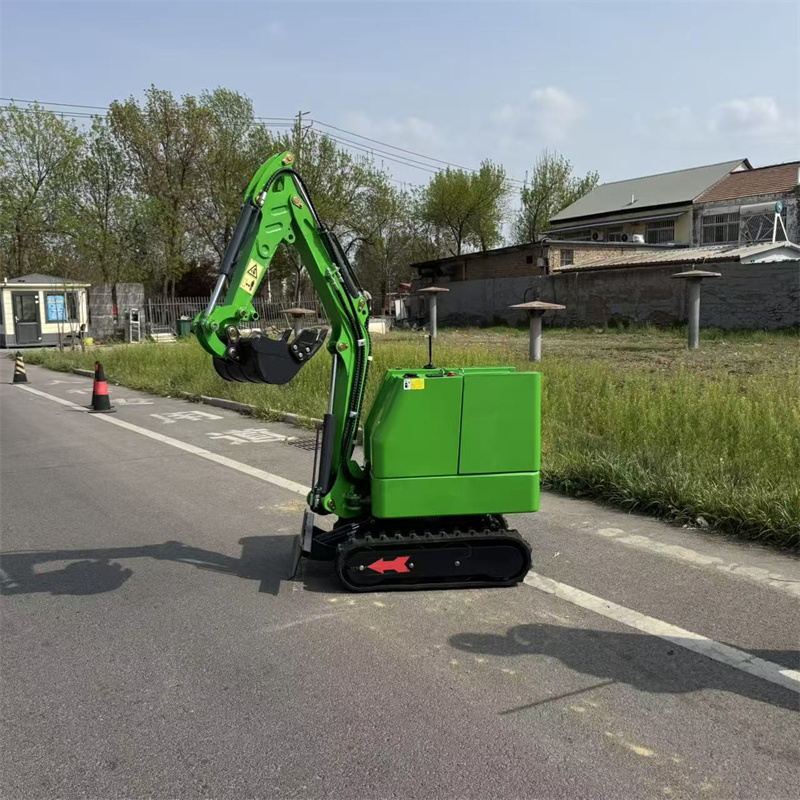
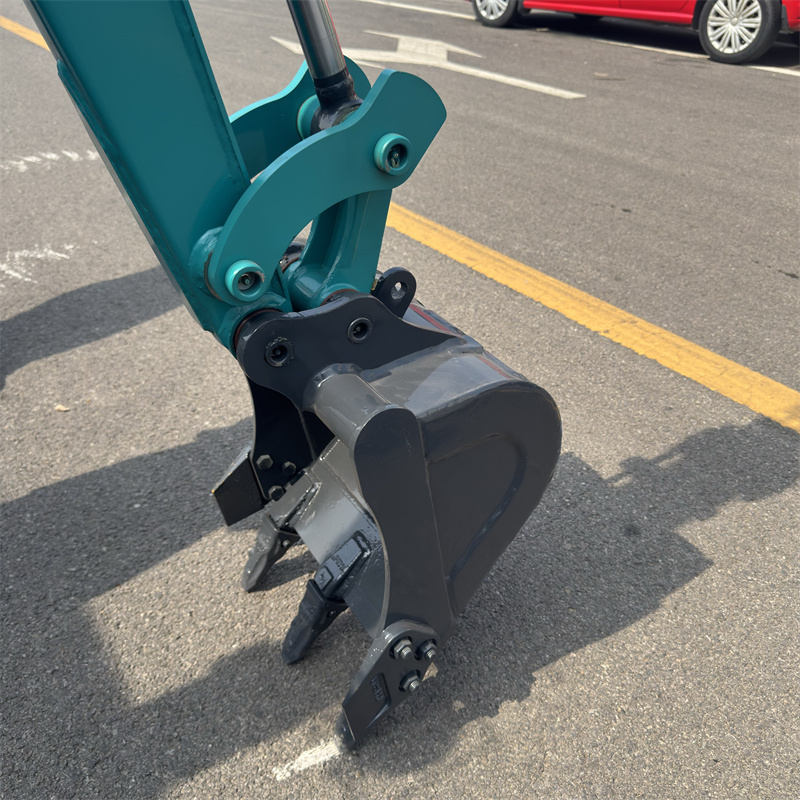
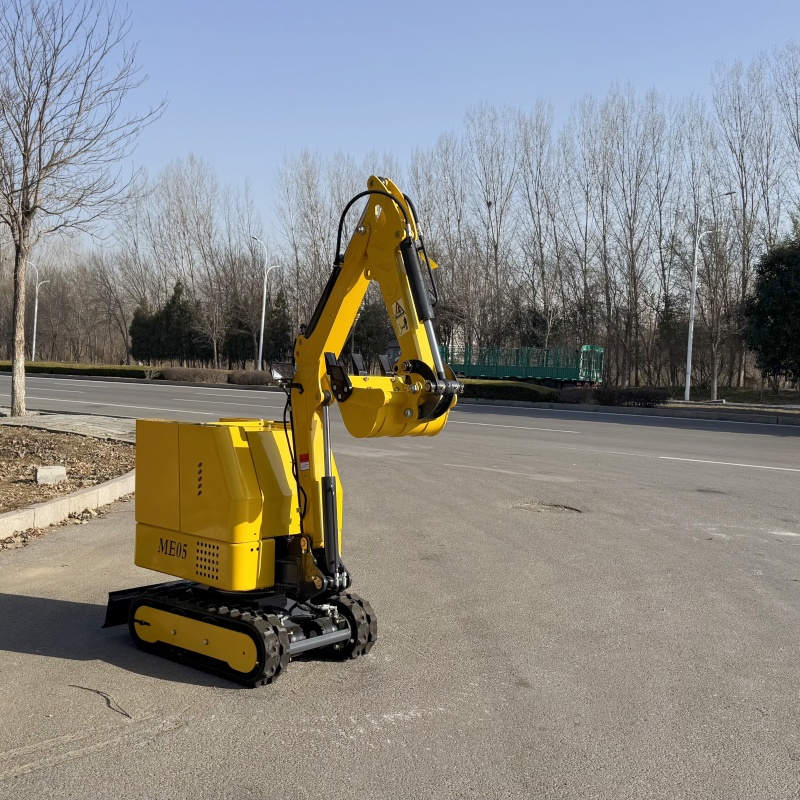
As a supplier of Rc Mining Excavator, I understand the critical importance of ensuring the safety of the remote control system for these powerful machines. Remote-controlled mining excavators are widely used in various mining operations, offering increased efficiency and reduced risks to human operators. However, without proper safety measures, the remote control system can pose significant hazards. In this blog post, I will share some key strategies to ensure the safety of the remote control of an Rc Mining Excavator.
1. Regular Maintenance and Inspection
Just like any other mechanical or electronic device, the remote control system of an Rc Mining Excavator requires regular maintenance and inspection. This includes checking the batteries, cables, and connectors for any signs of wear or damage. Faulty batteries can lead to sudden power loss, while damaged cables or connectors can cause signal interference or even complete system failure.
It is recommended to follow the manufacturer’s maintenance schedule and use only genuine replacement parts. Regularly clean the remote control unit to prevent dust and debris from accumulating, which can also affect its performance. Additionally, perform a functionality test of the remote control before each use to ensure that all buttons and functions are working properly.
2. Signal Encryption and Authentication
To prevent unauthorized access and interference, the remote control system should use strong signal encryption and authentication protocols. Encryption scrambles the signals sent between the remote control and the excavator, making it difficult for hackers to intercept and decode the information. Authentication ensures that only authorized remote controls can communicate with the excavator.
There are various encryption algorithms available, and it is important to choose a reliable and up-to-date one. Additionally, implement a secure authentication mechanism, such as a unique password or a biometric identifier, to prevent unauthorized users from operating the excavator.
3. Range and Line-of-Sight Considerations
The range of the remote control system is an important factor to consider for safety. Ensure that the remote control has a sufficient range to operate the excavator from a safe distance. However, be aware that the range can be affected by various factors, such as obstacles, interference, and environmental conditions.
Maintain a clear line-of-sight between the remote control and the excavator whenever possible. Obstacles such as buildings, trees, or other equipment can block the signal and cause communication issues. If the line-of-sight is obstructed, consider using signal repeaters or other devices to extend the range and improve the signal strength.
4. Operator Training and Certification
Proper training and certification of the operators are crucial for the safe use of the remote control system. Operators should be trained on how to use the remote control correctly, including understanding its functions, features, and limitations. They should also be familiar with the safety procedures and emergency protocols in case of a malfunction or other issues.
Provide regular training sessions to keep the operators updated on the latest safety standards and best practices. Encourage them to report any problems or concerns with the remote control system immediately. Additionally, require operators to obtain the necessary certifications to operate the Rc Mining Excavator safely.
5. Backup and Redundancy Systems
To minimize the risk of system failure, it is advisable to have backup and redundancy systems in place. This can include a secondary remote control unit or a backup communication channel. In case the primary remote control fails, the operator can switch to the backup unit to continue operating the excavator safely.
Regularly test the backup systems to ensure that they are in working condition. Additionally, have a plan in place for how to quickly and safely switch to the backup system in case of an emergency.
6. Environmental Protection
The remote control system should be designed to withstand the harsh environmental conditions typically found in mining operations. This includes protection against dust, water, extreme temperatures, and vibrations.
Choose a remote control unit that is specifically designed for industrial use and has a high level of environmental protection. Look for features such as a sealed enclosure, dust and water-resistant buttons, and a ruggedized design. Additionally, provide proper storage and protection for the remote control when it is not in use to prevent damage.
7. Monitoring and Logging
Implement a monitoring and logging system to track the usage and performance of the remote control system. This can help identify any potential issues or trends before they become major problems. Monitor the signal strength, battery life, and other important parameters to ensure that the system is operating within normal limits.
Keep a log of all remote control operations, including the time, date, and actions taken. This can be useful for troubleshooting, maintenance, and compliance purposes. Additionally, use the monitoring data to analyze the performance of the operators and identify areas for improvement.
8. Emergency Stop and Safety Features
The remote control system should be equipped with an emergency stop button that can immediately halt the operation of the excavator in case of an emergency. The emergency stop button should be easily accessible and clearly marked.
In addition to the emergency stop button, consider implementing other safety features, such as collision avoidance sensors, speed limiters, and tilt sensors. These features can help prevent accidents and protect the excavator and its surroundings.
9. Regulatory Compliance
Ensure that the remote control system complies with all relevant safety regulations and standards. This includes local, national, and international regulations for mining equipment and remote control systems.
Stay updated on the latest regulatory requirements and make any necessary modifications to the remote control system to ensure compliance. Additionally, work with regulatory authorities to obtain the necessary approvals and certifications for the use of the Rc Mining Excavator.
10. Continuous Improvement
Safety is an ongoing process, and it is important to continuously evaluate and improve the safety measures for the remote control system. Encourage feedback from operators, maintenance personnel, and other stakeholders to identify areas for improvement.
Regularly review the safety procedures and protocols and make any necessary updates based on new technologies, best practices, and lessons learned from incidents or near misses. By continuously improving the safety of the remote control system, you can reduce the risk of accidents and ensure the safe and efficient operation of the Rc Mining Excavator.
In conclusion, ensuring the safety of the remote control of an Rc Mining Excavator requires a comprehensive approach that includes regular maintenance, signal encryption, operator training, backup systems, environmental protection, and regulatory compliance. By implementing these strategies, you can minimize the risk of accidents and ensure the safe and efficient operation of your Rc Mining Excavator.
If you are interested in purchasing an Rc Mining Excavator or need more information about our products and safety features, please feel free to contact us for a procurement discussion. We are committed to providing high-quality and safe remote-controlled mining equipment to meet your needs.
References
Manufacturer’s manuals and documentation for Rc Mining Excavators
Industry standards and regulations for remote control systems in mining
Research papers and articles on remote control safety in industrial applications