As a supplier of mini excavators, I’ve witnessed firsthand the transformative impact these powerful machines can have on various projects. Mini excavators are versatile, efficient, and essential for a wide range of applications, from small construction sites to landscaping projects. However, to truly maximize their potential, it’s crucial to understand how to improve their efficiency. In this blog post, I’ll share some valuable insights and practical tips on how to get the most out of your mini excavator.
1. Proper Machine Selection
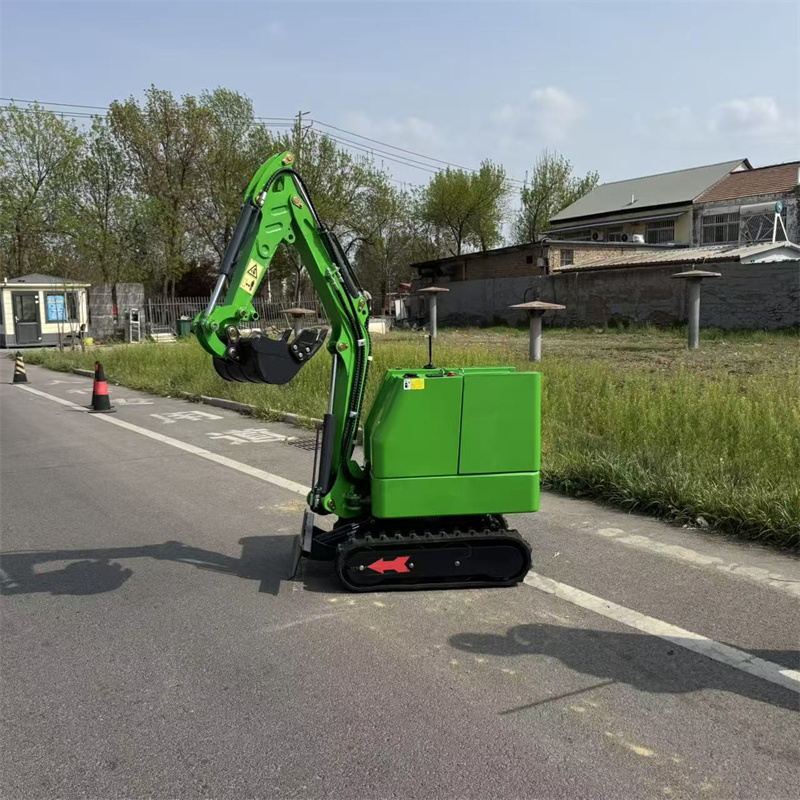
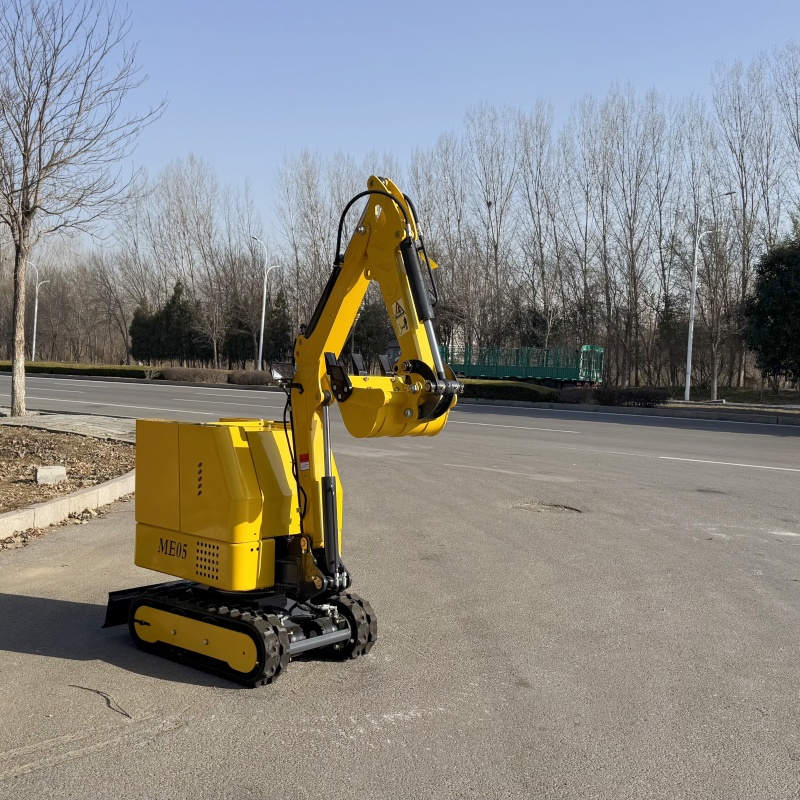
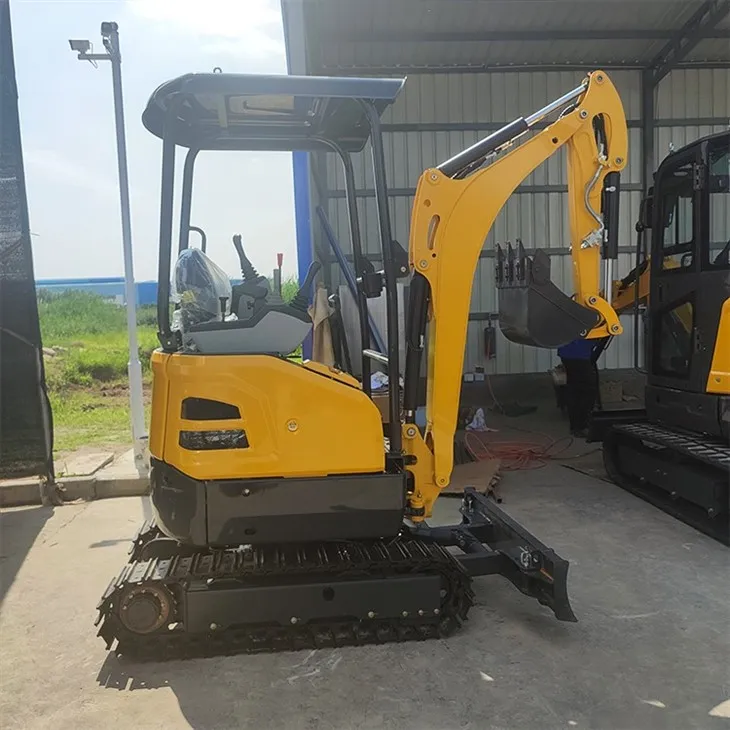
The first step in improving the efficiency of a mini excavator is to choose the right machine for the job. Consider the specific requirements of your project, such as the type of terrain, the depth of excavation, and the size of the materials you’ll be handling. For instance, if you’re working on a small residential project, a Mini Digger for Home Use might be the perfect choice. These compact machines are easy to maneuver and can access tight spaces, making them ideal for tasks like digging foundations, trenching, and landscaping.
On the other hand, if you’re dealing with larger-scale projects that require more power and digging depth, a 1.8 Ton Mini Excavator could be more suitable. These machines offer greater lifting capacity and stability, allowing you to handle heavier loads and dig deeper trenches.
2. Regular Maintenance
Regular maintenance is essential for keeping your mini excavator in top condition and ensuring optimal performance. A well-maintained machine is less likely to break down, which can save you time and money in the long run. Here are some key maintenance tasks to perform regularly:
Check the fluids: Regularly check the engine oil, hydraulic fluid, coolant, and fuel levels. Low fluid levels can cause damage to the engine and other components, so it’s important to keep them topped up.
Inspect the filters: Replace the air, fuel, and hydraulic filters at the recommended intervals. Clogged filters can reduce engine performance and increase fuel consumption.
Lubricate the moving parts: Lubricate the pivot points, pins, and bushings to reduce friction and wear. This will help to extend the lifespan of the machine and improve its efficiency.
Check the tracks or wheels: Inspect the tracks or wheels for wear and damage. Replace any worn or damaged parts to ensure proper traction and stability.
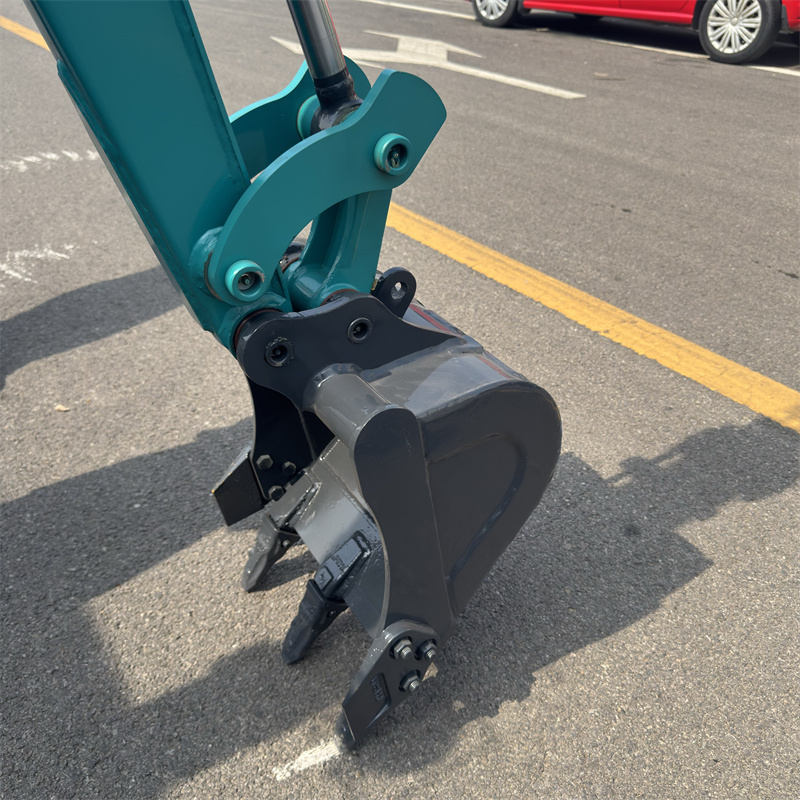
Sharpen the cutting edges: Keep the bucket teeth and other cutting edges sharp to improve digging efficiency. Dull cutting edges can make it harder to penetrate the soil and increase fuel consumption.
3. Operator Training
The operator plays a crucial role in the efficiency of a mini excavator. A well-trained operator can handle the machine more effectively, reducing the time and effort required to complete a task. Here are some tips for improving operator efficiency:
Provide comprehensive training: Ensure that your operators receive comprehensive training on the operation, maintenance, and safety of the mini excavator. This will help them to understand the machine’s capabilities and limitations and operate it safely and efficiently.
Encourage proper technique: Teach your operators the proper digging techniques, such as using the bucket’s full capacity, keeping the machine level, and avoiding unnecessary movements. This will help to reduce fuel consumption and increase productivity.
Monitor operator performance: Regularly monitor your operators’ performance to identify any areas for improvement. Provide feedback and coaching to help them improve their skills and efficiency.
4. Use the Right Attachments
Mini excavators are highly versatile machines that can be equipped with a variety of attachments to perform different tasks. Using the right attachment for the job can significantly improve the efficiency of the machine. Here are some common attachments and their applications:
Bucket: The most common attachment for a mini excavator, the bucket is used for digging, loading, and moving materials. Choose a bucket with the right size and shape for the task at hand.
Auger: An auger is used for drilling holes in the ground, such as for fence posts or tree planting. It can save a lot of time and effort compared to manual digging.
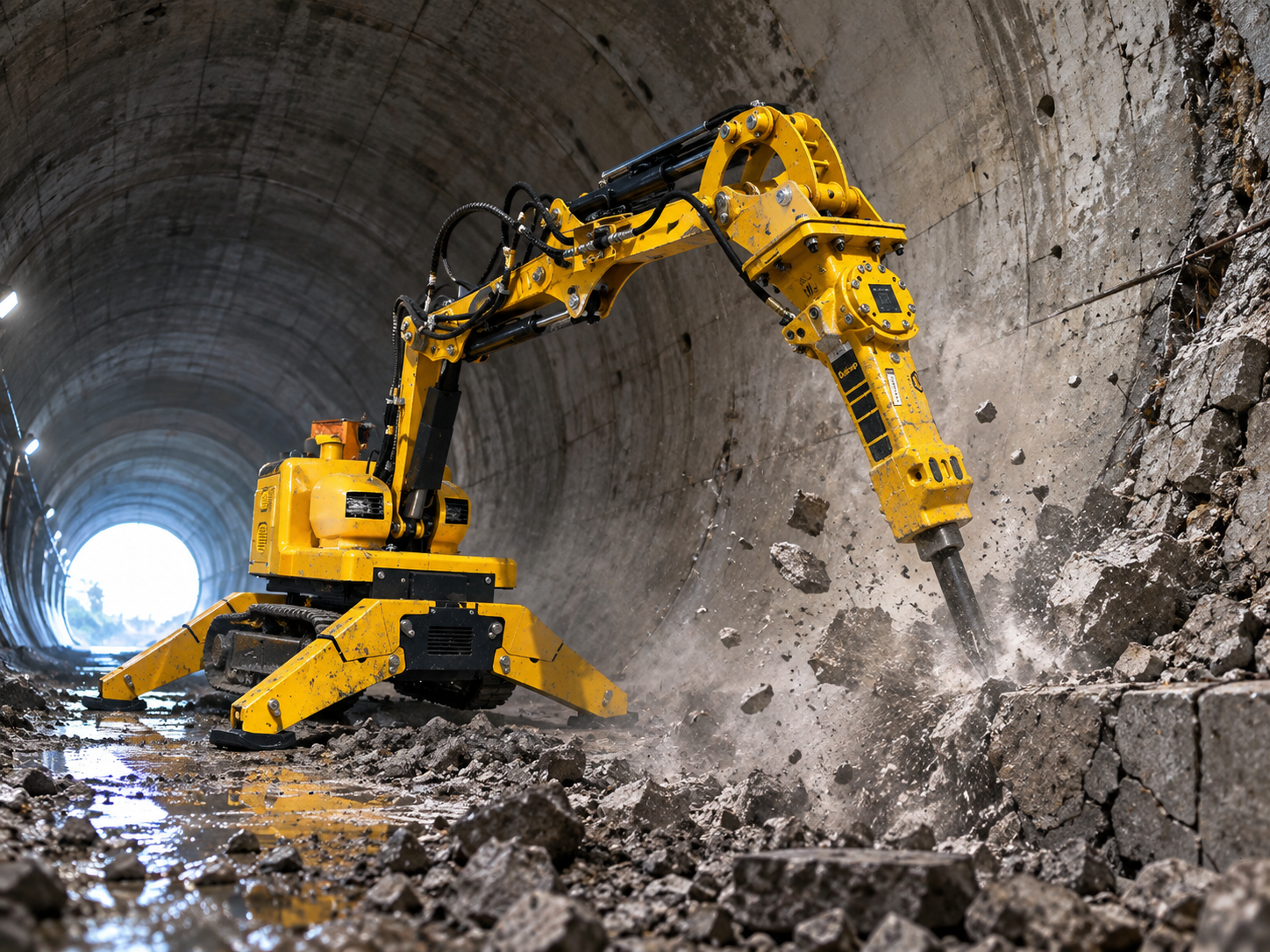
Hydraulic breaker: A hydraulic breaker is used for breaking up concrete, rock, and other hard materials. It can be a valuable tool for demolition and excavation projects.
Grapple: A grapple is used for picking up and moving large objects, such as logs, rocks, and debris. It can improve the efficiency of material handling tasks.
Trencher: A trencher is used for digging trenches, such as for laying pipes or cables. It can dig trenches quickly and accurately, reducing the time and labor required.
5. Optimize the Workflow
Optimizing the workflow is another important factor in improving the efficiency of a mini excavator. By planning the project carefully and organizing the work in a logical sequence, you can minimize downtime and maximize productivity. Here are some tips for optimizing the workflow:
Plan the project in advance: Before starting the project, create a detailed plan that includes the scope of work, the timeline, and the resources required. This will help you to identify any potential issues and develop strategies to overcome them.
Organize the work area: Keep the work area clean and organized to reduce the time spent searching for tools and materials. Use staging areas to store materials and equipment close to the work site.
Coordinate with other equipment: If you’re using other equipment on the project, such as a loader or a dump truck, coordinate the work to ensure smooth and efficient operation. This will help to minimize waiting time and increase productivity.
Use technology: Consider using technology, such as GPS tracking and telematics, to monitor the performance of the mini excavator and optimize the workflow. This can help you to identify areas for improvement and make data-driven decisions.
6. Fuel Management
Fuel consumption is a significant cost factor in operating a mini excavator. By managing fuel consumption effectively, you can reduce operating costs and improve the efficiency of the machine. Here are some tips for fuel management:
Use the right fuel: Make sure to use the fuel recommended by the manufacturer. Using the wrong fuel can damage the engine and reduce performance.
Maintain the engine: Regular maintenance, such as changing the oil and filters, can help to keep the engine running efficiently and reduce fuel consumption.
Avoid idling: Idling the engine for extended periods of time can waste fuel. Turn off the engine when the machine is not in use.
Use the right gear: Use the appropriate gear for the task at hand. Using a higher gear than necessary can increase fuel consumption.
Monitor fuel consumption: Keep track of the fuel consumption of the mini excavator to identify any trends or issues. This can help you to make adjustments to improve efficiency.
7. Safety First
Safety is always the top priority when operating a mini excavator. By following safety guidelines and best practices, you can prevent accidents and injuries, which can also improve the efficiency of the machine. Here are some safety tips for operating a mini excavator:
Wear appropriate safety gear: Always wear a hard hat, safety glasses, ear protection, and steel-toed boots when operating the mini excavator.
Inspect the machine before use: Before starting the machine, inspect it for any signs of damage or wear. Check the brakes, steering, and other safety features to ensure they are working properly.
Follow the manufacturer’s instructions: Read and follow the manufacturer’s instructions for operating and maintaining the mini excavator. This will help you to avoid accidents and ensure the machine is used safely and efficiently.
Be aware of your surroundings: Always be aware of your surroundings when operating the mini excavator. Watch out for other workers, equipment, and obstacles.
Use caution when working on slopes: When working on slopes, use caution to prevent the machine from tipping over. Make sure the machine is properly balanced and use the appropriate attachments for the slope.
In conclusion, improving the efficiency of a mini excavator requires a combination of proper machine selection, regular maintenance, operator training, the use of the right attachments, workflow optimization, fuel management, and safety awareness. By following these tips, you can get the most out of your mini excavator and increase productivity while reducing operating costs.
If you’re interested in learning more about our mini excavators or have any questions about improving their efficiency, please don’t hesitate to contact us. We’re here to help you find the right machine for your needs and provide you with the support and resources you need to succeed.
References
Manufacturer’s manuals and guidelines for mini excavators.
Industry best practices for operating and maintaining mini excavators.
Research studies on the efficiency and productivity of mini excavators.