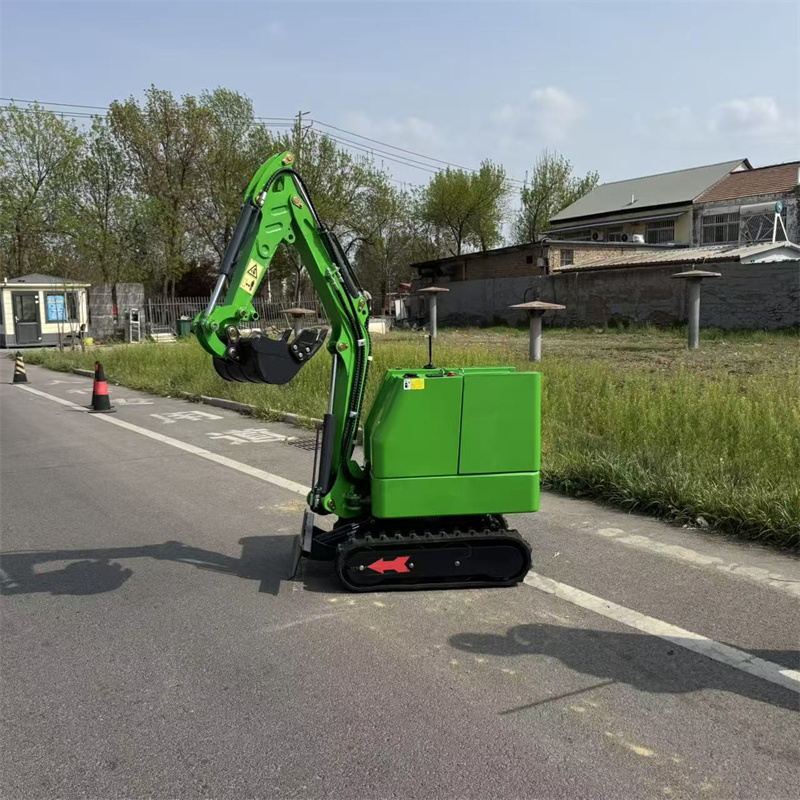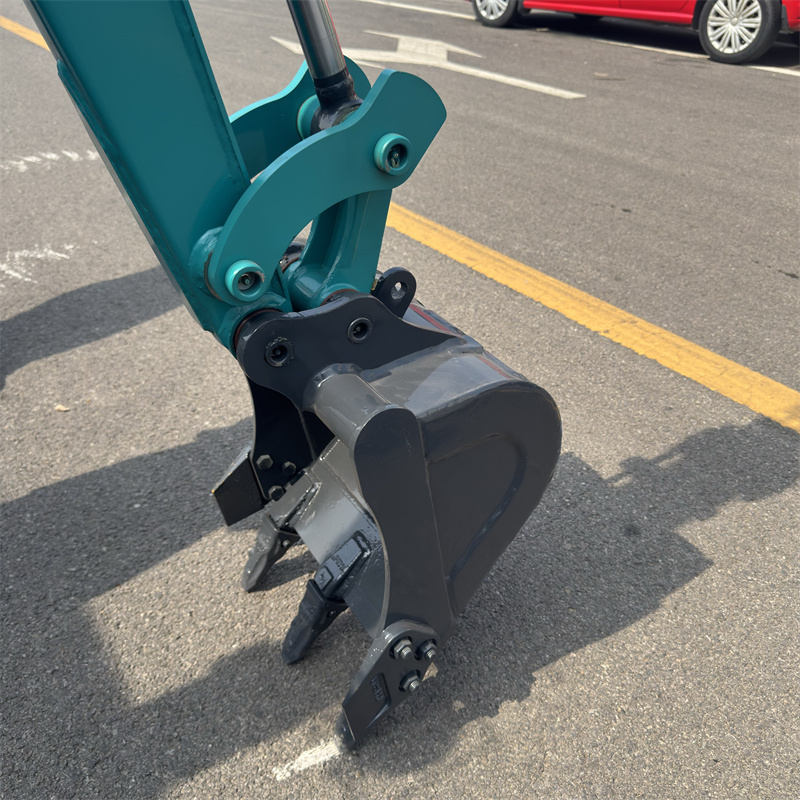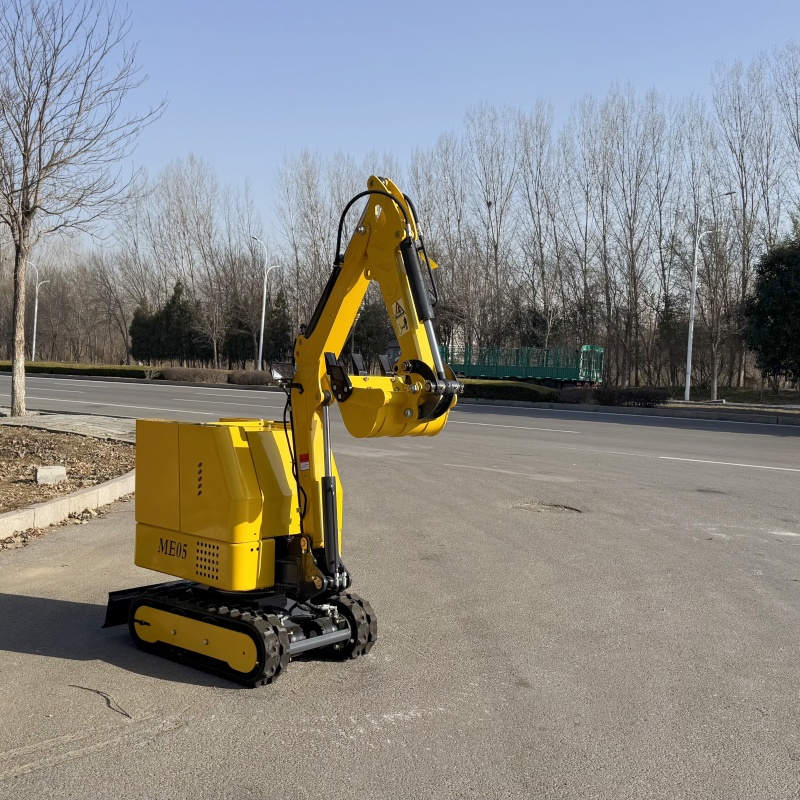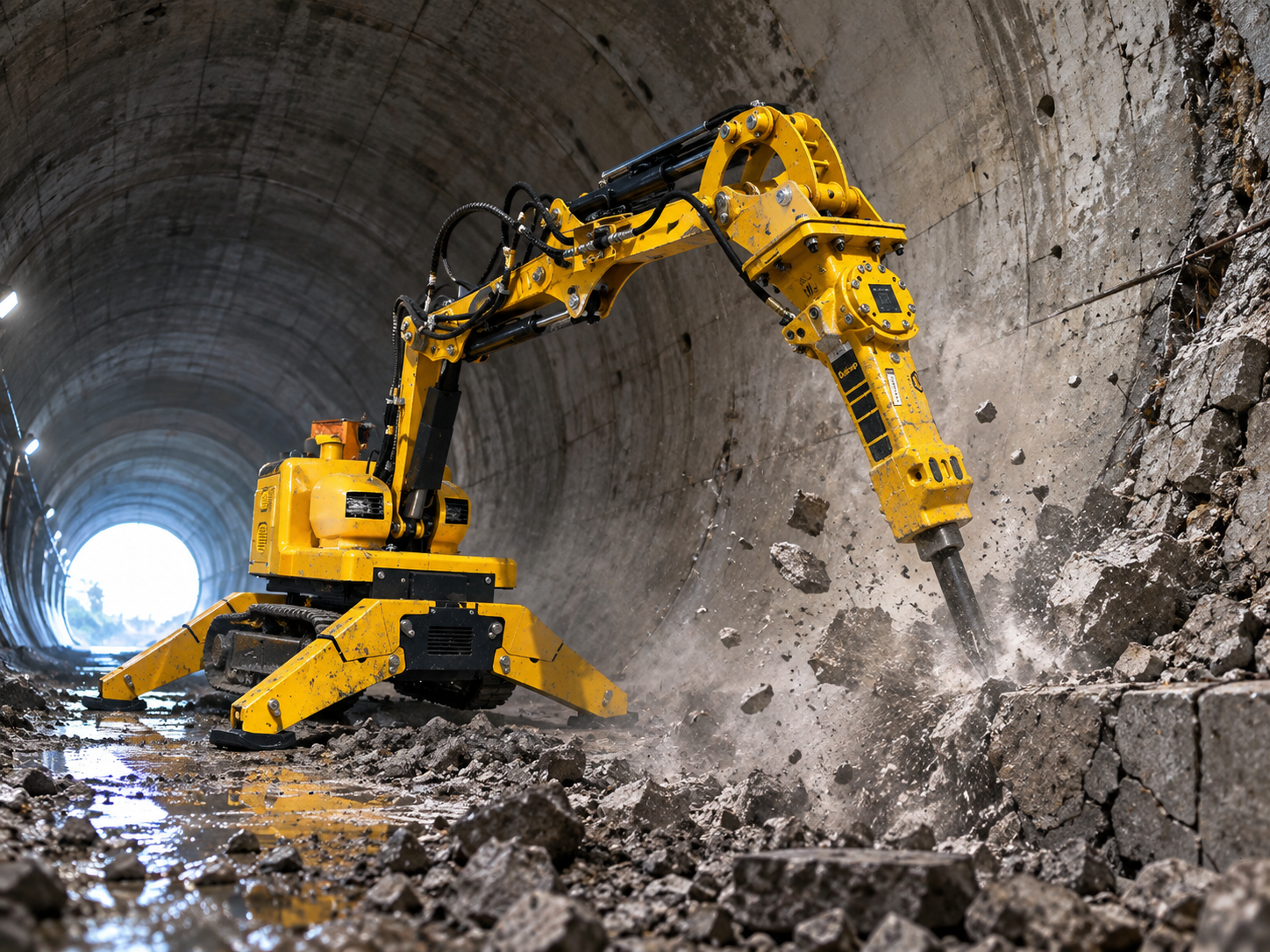
In the realm of construction and excavation, mini excavators have emerged as indispensable tools, especially when it comes to working in confined spaces and complex terrains. As a supplier of Mini Excavator Digging equipment, I’ve witnessed firsthand the challenges operators face when trying to navigate and dig in difficult landscapes. In this blog post, I’ll share some practical tips on how to improve the maneuverability of a mini excavator for digging in complex terrains.
Understanding the Terrain
The first step in improving maneuverability is to thoroughly understand the terrain you’ll be working on. Complex terrains can include uneven ground, slopes, rocky areas, and soft soil. Each type of terrain presents unique challenges that require specific strategies.
For uneven ground, it’s crucial to assess the height differences and potential obstacles. This will help you plan your approach and avoid getting stuck or tipping over. When dealing with slopes, you need to be aware of the angle and stability of the ground. Always operate the excavator perpendicular to the slope to maintain balance and prevent sliding.
Rocky areas can be particularly challenging, as they can damage the tracks and undercarriage of the excavator. Before starting work, survey the area for large rocks and remove them if possible. If you encounter smaller rocks during digging, adjust your digging technique to avoid hitting them directly.
Soft soil can cause the excavator to sink, reducing its maneuverability. To prevent this, you can use wider tracks or pads to distribute the weight of the machine more evenly. Additionally, avoid making sudden movements or turning sharply, as this can cause the excavator to get bogged down.
Choosing the Right Equipment
Selecting the appropriate mini excavator for the job is essential for optimal maneuverability. Consider the size, weight, and features of the machine based on the specific requirements of the terrain.
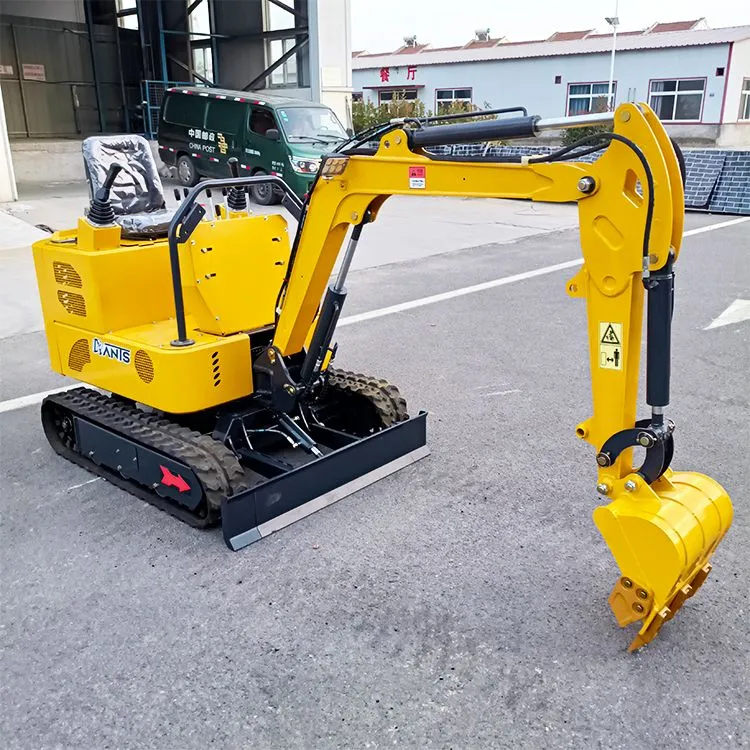
A smaller and lighter mini excavator is generally more maneuverable in tight spaces and on uneven ground. Look for models with a compact design and a low center of gravity to improve stability. The Mini Digger ME15 Excavator is a great option for working in confined areas, thanks to its small footprint and agile performance.
The type of tracks also plays a crucial role in maneuverability. Rubber tracks are ideal for working on sensitive surfaces, such as lawns or paved areas, as they cause less damage. They also provide better traction on soft soil and uneven ground. The Home Use Mini Excavator with Rubber Track is specifically designed for home use and offers excellent maneuverability on various terrains.
In addition to the tracks, consider the attachments available for the excavator. Different attachments, such as buckets, augers, and breakers, can enhance the machine’s versatility and performance. For example, a smaller bucket can be more precise for digging in tight spaces, while a breaker attachment can be used to break up rocks or concrete.
Operator Training and Skill Development
Even the most advanced mini excavator won’t perform well if the operator lacks the necessary skills and knowledge. Proper training is essential for improving maneuverability and ensuring safe operation.
Operator training should cover a wide range of topics, including basic machine operation, safety procedures, and digging techniques. It’s important to teach operators how to read the terrain, adjust the machine’s settings, and use the attachments effectively.
One of the key skills for improving maneuverability is smooth and precise control of the excavator. Operators should practice making slow and controlled movements, especially when turning and digging. This will help them avoid sudden jerks and reduce the risk of damaging the machine or the surrounding area.
Another important aspect of operator training is understanding the limits of the machine. Operators should know the maximum load capacity, digging depth, and reach of the excavator to avoid overloading or causing damage. They should also be aware of the safety features of the machine and how to use them in case of an emergency.
Maintenance and Inspection
Regular maintenance and inspection are crucial for keeping the mini excavator in good working condition and ensuring optimal maneuverability. A well-maintained machine is less likely to break down and will perform more efficiently.
Start by following the manufacturer’s recommended maintenance schedule. This typically includes tasks such as oil changes, filter replacements, and track adjustments. Regularly inspect the tracks, undercarriage, and attachments for signs of wear and damage. Replace any worn or damaged parts immediately to prevent further problems.
In addition to regular maintenance, it’s important to conduct pre – and post – operation inspections. Before starting work, check the fuel level, hydraulic fluid, and tire pressure. Inspect the tracks for any debris or damage and make sure all the controls are working properly. After finishing work, clean the machine thoroughly to remove any dirt, mud, or debris.
Proper lubrication is also essential for smooth operation. Make sure all the moving parts, such as the joints and cylinders, are well – lubricated to reduce friction and wear. This will not only improve maneuverability but also extend the lifespan of the machine.
Advanced Technologies and Features
Many modern mini excavators are equipped with advanced technologies and features that can significantly improve maneuverability. These include hydraulic systems, GPS guidance, and automatic leveling.
Hydraulic systems play a crucial role in the operation of the excavator. A high – quality hydraulic system provides smooth and precise control of the boom, arm, and bucket. Look for excavators with variable displacement pumps, which can adjust the flow of hydraulic fluid based on the load and demand. This allows for more efficient operation and better maneuverability.
GPS guidance systems can be a valuable tool for working in complex terrains. These systems use satellite technology to provide real – time information about the position and orientation of the excavator. Operators can use this information to accurately dig to the desired depth and angle, reducing the need for manual measurements and guesswork.
Automatic leveling systems are another useful feature for improving maneuverability. These systems automatically adjust the position of the excavator to maintain a level working surface. This is especially useful when working on slopes or uneven ground, as it helps to keep the machine stable and reduces the risk of tipping over.
Conclusion
Improving the maneuverability of a mini excavator for digging in complex terrains requires a combination of factors, including understanding the terrain, choosing the right equipment, providing proper operator training, conducting regular maintenance, and utilizing advanced technologies. By following these tips, you can enhance the performance of your mini excavator and ensure safe and efficient operation in even the most challenging environments.
If you’re in the market for a high – quality mini excavator or need more information on improving maneuverability, we’re here to help. Our range of products, including the Mini Digger ME15 Excavator, Plug – in Mini Excavator 1.5 Ton, and Home Use Mini Excavator with Rubber Track, is designed to meet the diverse needs of our customers. Contact us today to discuss your requirements and start a procurement negotiation.
References
Construction Equipment Guide: “Mini Excavator Buying Guide”
Equipment World: “Tips for Operating Mini Excavators in Challenging Terrains”
Caterpillar: “Mini Excavator Operator’s Manual”