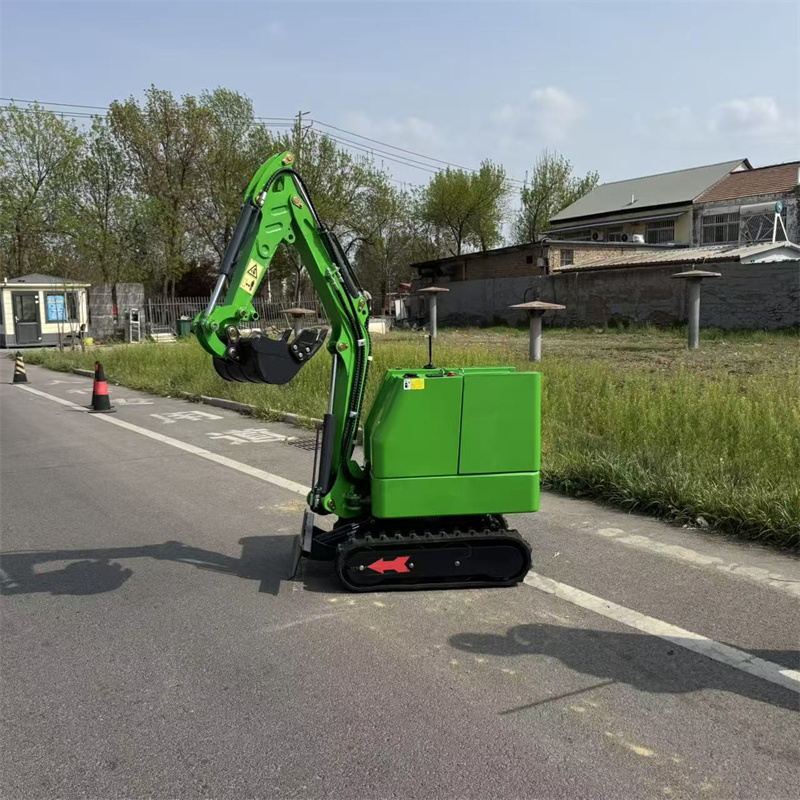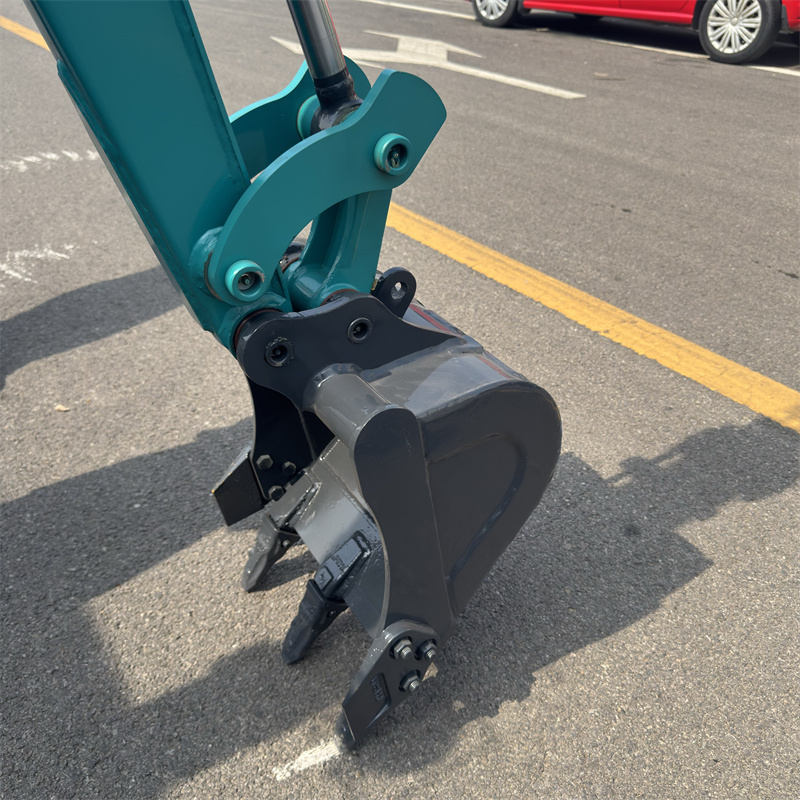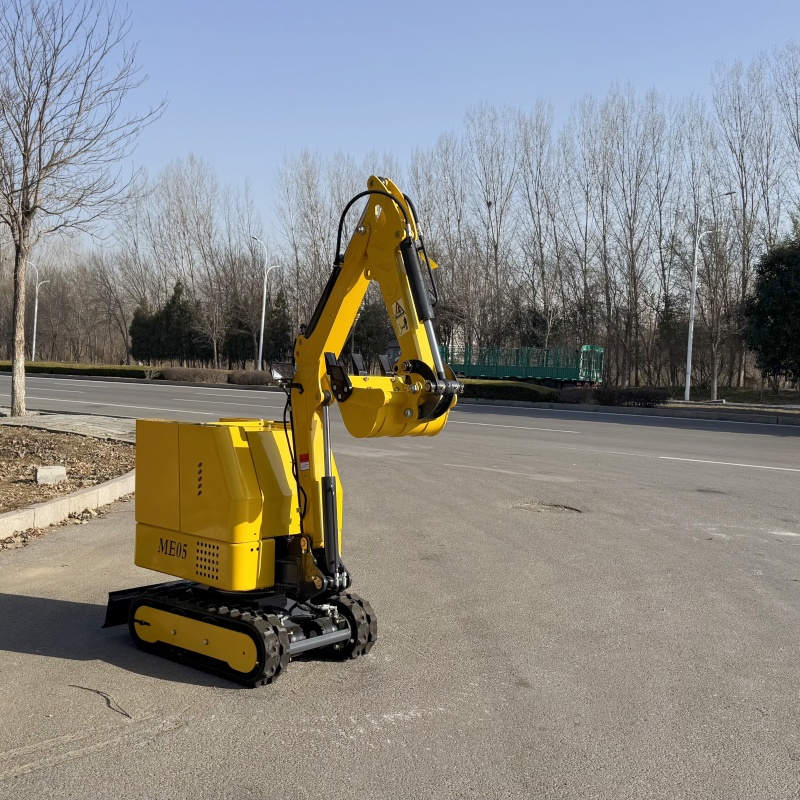
Hey there! As a supplier of Mini Small Excavators, I’ve seen firsthand how important it is to keep these machines in top – notch condition. One crucial part that often gets overlooked is the tracks of a crawler Mini Small Excavator. Today, I’m gonna share some tips on how to maintain them, so you can get the most out of your investment.
Why Track Maintenance Matters
First off, let’s talk about why taking care of the tracks is a big deal. The tracks are the feet of your excavator. They’re what allow it to move around on different terrains, whether it’s soft soil, rocky ground, or uneven surfaces. If the tracks aren’t in good shape, it can lead to all sorts of problems. For example, uneven wear can cause the excavator to pull to one side, making it harder to control. Also, worn – out tracks can reduce the machine’s stability, which is a safety hazard. And let’s not forget about the cost. Replacing tracks is expensive, so proper maintenance can save you a lot of money in the long run.
Regular Inspections
The first step in track maintenance is regular inspections. You should check the tracks before and after each use. Look for any signs of damage, like cuts, tears, or missing links. Also, check the tension of the tracks. If the tracks are too loose, they can come off the sprockets, and if they’re too tight, it can cause excessive wear on the components.
To check the track tension, you can use a simple method. With the excavator on a flat surface, measure the distance between the track and the bottom of the track roller. This distance should be within the manufacturer’s recommended range. If it’s not, you’ll need to adjust the tension.
Cleaning the Tracks
Another important aspect of track maintenance is cleaning. After each use, especially if the excavator has been working in dirty or muddy conditions, you should clean the tracks. Dirt, mud, and debris can build up between the track links and sprockets, which can cause abrasion and wear. You can use a pressure washer or a hose to clean the tracks. Make sure to get into all the nooks and crannies to remove as much dirt as possible.
Lubrication
Lubrication is key to keeping the track components working smoothly. The pins and bushings in the tracks need to be lubricated regularly to reduce friction and wear. You can use a grease gun to apply grease to the designated lubrication points. Follow the manufacturer’s recommendations on how often to lubricate and what type of grease to use.
Avoiding Overloading
Overloading the excavator can put a lot of stress on the tracks. Make sure you’re not exceeding the machine’s rated capacity. If you’re working with heavy loads, try to distribute the weight evenly to prevent excessive wear on one side of the tracks. Also, be careful when turning or maneuvering the excavator. Sharp turns and sudden stops can cause the tracks to wear unevenly.
Operating on Suitable Surfaces
The type of surface you operate the excavator on can also affect the track life. Avoid operating on extremely rough or abrasive surfaces whenever possible. For example, if you’re working on a rocky site, try to clear any large rocks that could damage the tracks. Also, be cautious when operating on slopes. Operating on steep slopes can put extra stress on the tracks and increase the risk of slippage.
Replacing Worn – Out Components
Even with the best maintenance, some track components will eventually wear out. When you notice that a part, like a track link or a pin, is worn beyond the recommended limit, you should replace it immediately. Ignoring worn – out components can lead to more serious problems and can even cause the track to fail completely.
Storage
If you’re not going to use the excavator for an extended period, proper storage is important. Store the excavator in a dry, covered area to protect the tracks from the elements. You can also lift the tracks off the ground slightly using blocks to relieve the pressure on them.
Choosing the Right Tracks
As a Mini Small Excavator supplier, I know that choosing the right tracks for your machine is crucial. Different tracks are designed for different applications. For example, if you’re mainly working in soft soil, you might want tracks with a wider footprint to provide better traction. On the other hand, if you’re working on hard surfaces, tracks with a more durable design might be a better choice.
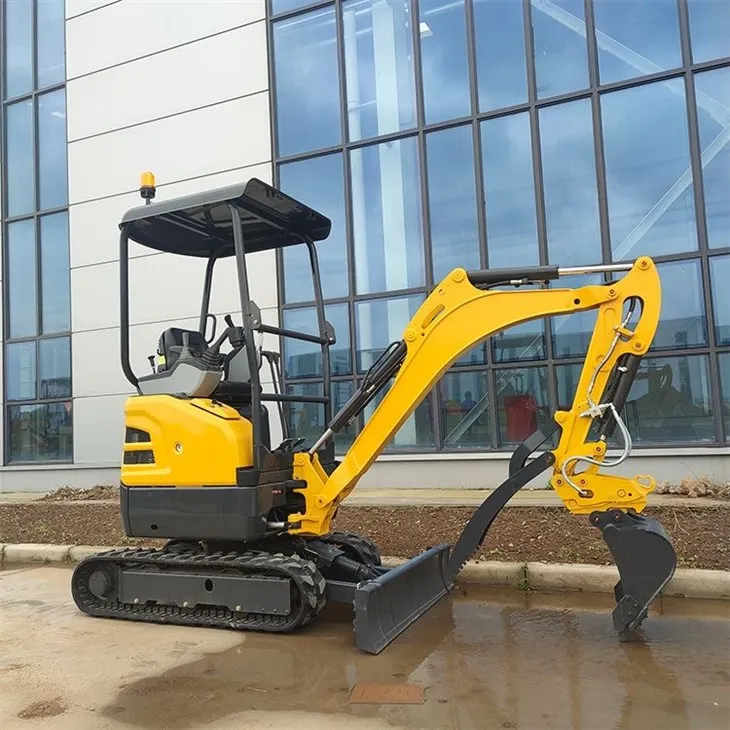
We offer a range of high – quality tracks for our 1.8 Ton Mini Excavator. Our Mini Crawler Excavator and Mini Hydraulic Excavator are also compatible with our top – notch track options.
Conclusion
Maintaining the tracks of a crawler Mini Small Excavator is essential for the machine’s performance, safety, and longevity. By following these tips, you can ensure that your excavator’s tracks stay in good condition for a long time. Remember, regular inspections, cleaning, lubrication, and proper operation are the keys to successful track maintenance.
If you’re in the market for a Mini Small Excavator or need replacement tracks, we’re here to help. We’re a reliable supplier with a wide range of products to meet your needs. Contact us to start a discussion about your requirements, and let’s work together to find the best solution for your construction projects.
References
Manufacturer’s manuals for Mini Small Excavators
Industry best practices for track maintenance in construction equipment