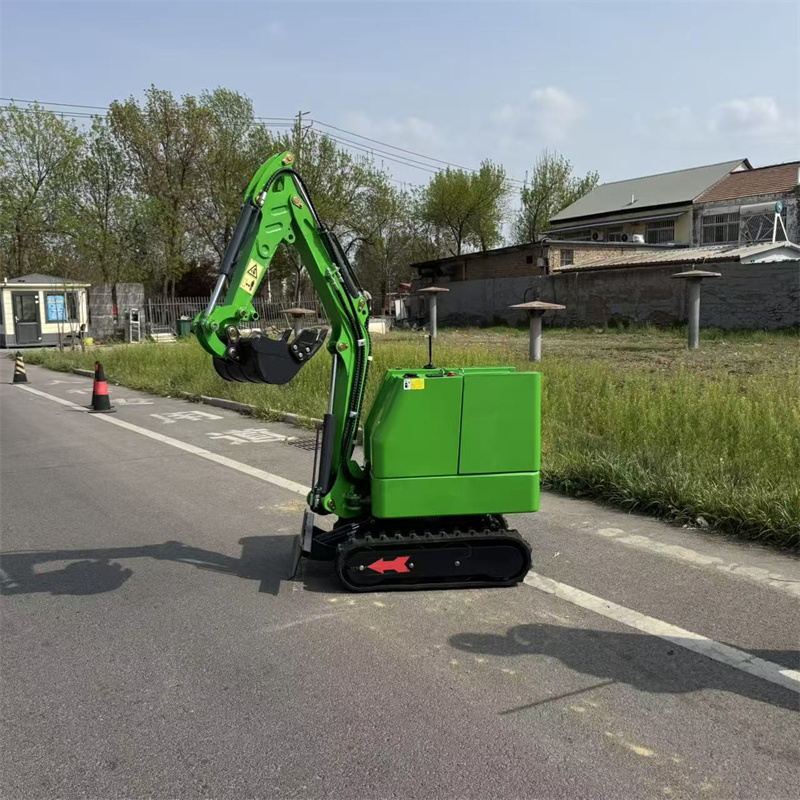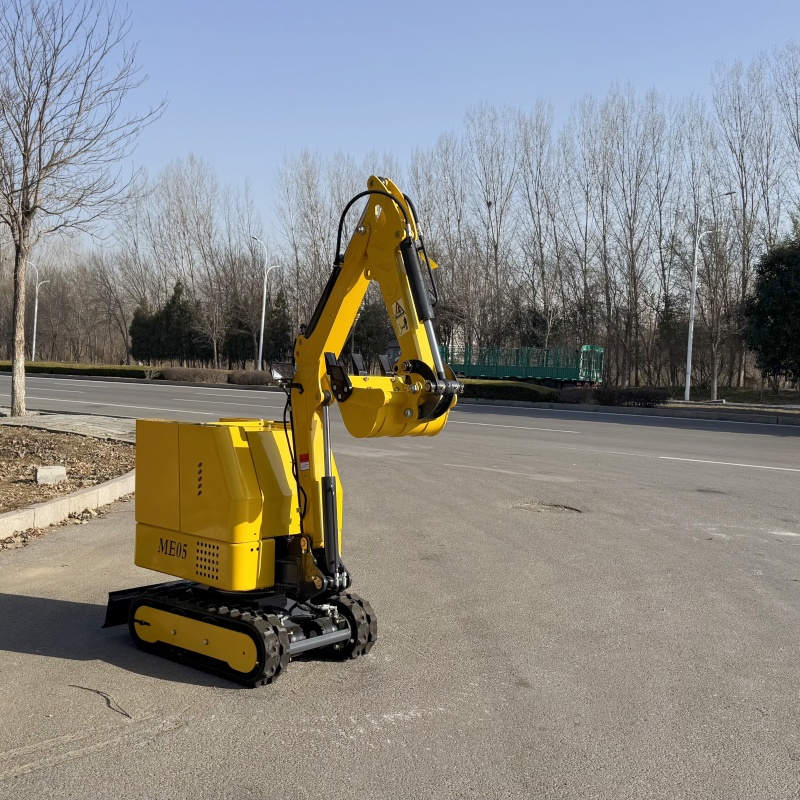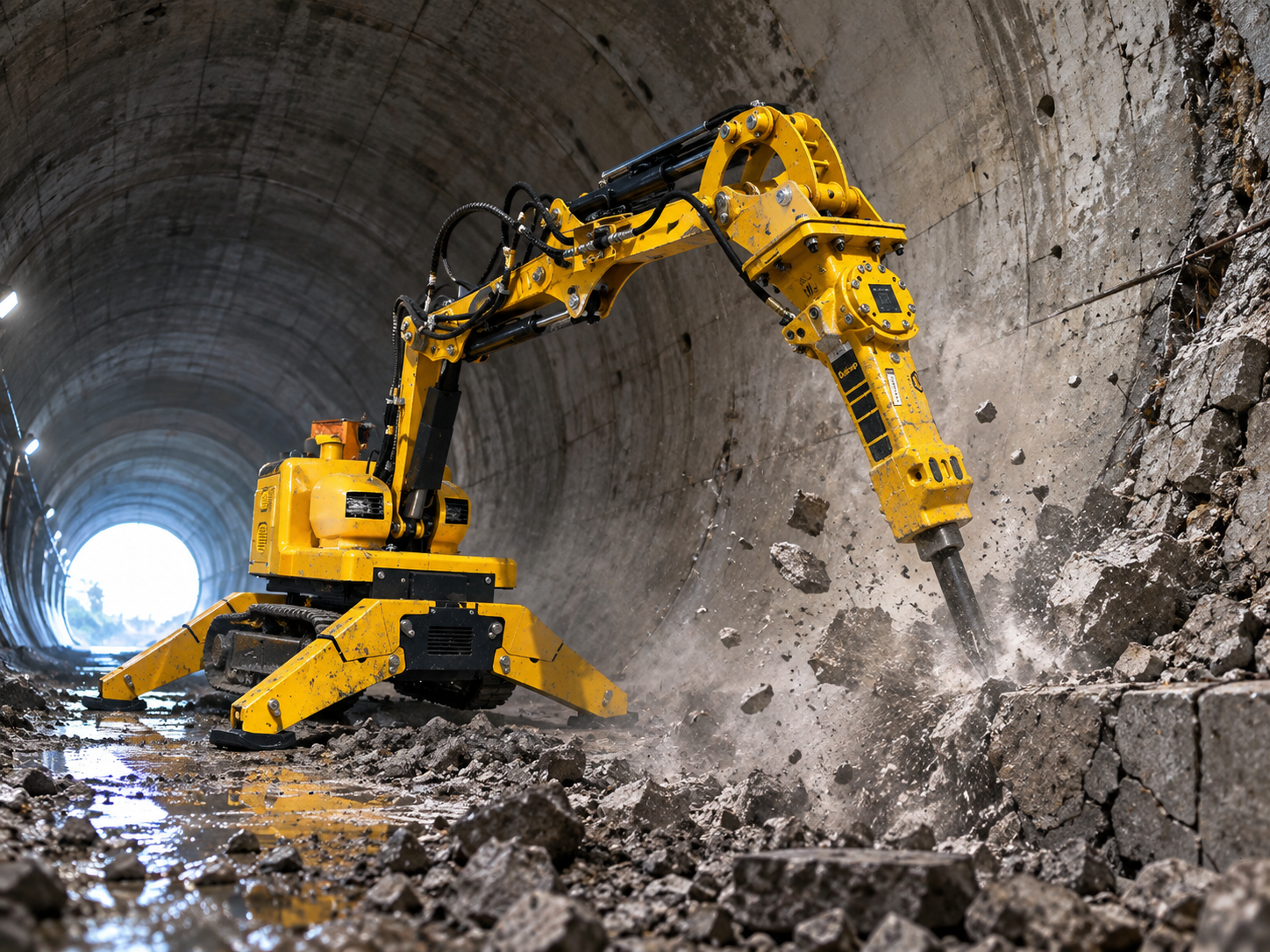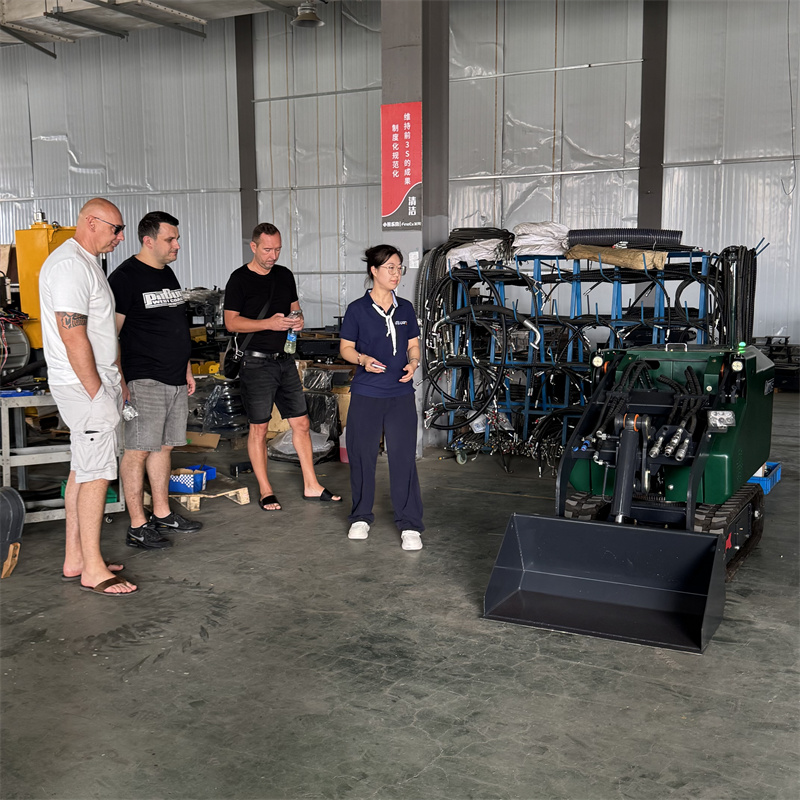
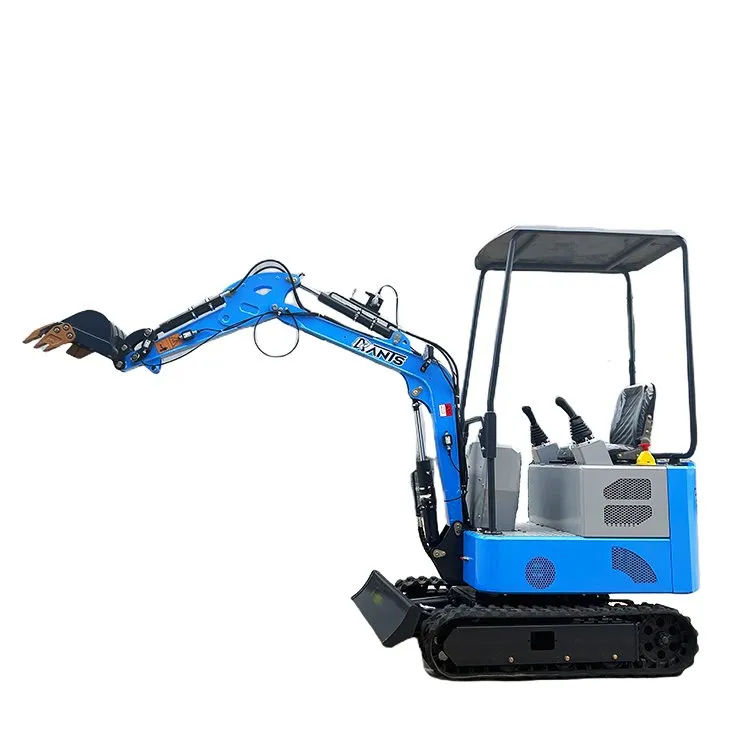
Operating a mini excavator for precise digging is a skill that combines technical knowledge, practical experience, and an understanding of the equipment’s capabilities. As a supplier of Mini Excavator Digging equipment, I’ve witnessed firsthand the importance of precise digging in various construction and landscaping projects. In this blog post, I’ll share some valuable insights on how to operate a mini excavator for precise digging.
Pre – operation Preparation
Before you even start the engine of the mini – excavator, thorough preparation is essential. First, conduct a pre – operation inspection of the machine. Check the fuel level, hydraulic fluid, engine oil, and coolant. Ensure that all hoses are intact and there are no signs of leaks. Inspect the tracks or wheels for proper tension and any signs of damage. A well – maintained machine is less likely to malfunction during the digging process, which is crucial for achieving precision.
Next, familiarize yourself with the controls of the mini – excavator. Each model may have slightly different control layouts, so take the time to understand how the joysticks, pedals, and switches work. Know how to operate the boom, arm, bucket, and swing functions smoothly. This knowledge will give you better control over the digging process.
Site Assessment
A proper site assessment is the foundation of precise digging. Walk around the area where you’ll be digging and identify any potential obstacles such as underground utilities, rocks, or tree roots. Use utility locator services to mark the location of buried cables and pipes. This step is not only important for safety but also for avoiding costly damage to the utilities during digging.
Measure the area to be dug and determine the desired depth and width of the excavation. Mark the boundaries of the digging area clearly using stakes and strings. This visual guide will help you stay within the intended digging area and maintain the required dimensions.
Positioning the Mini Excavator
The correct positioning of the mini – excavator is vital for precise digging. Place the machine on a stable and level surface. If the ground is uneven, use leveling pads or adjust the tracks to ensure stability. A stable machine will reduce vibrations and allow for more accurate control of the digging components.
Position the mini – excavator in a way that provides easy access to the digging area. Consider the swing radius of the machine and make sure there is enough space for it to maneuver without hitting any obstacles. If possible, position the machine so that the digging is done in a straight line or a logical pattern. This will make it easier to maintain consistency in the depth and width of the excavation.
Choosing the Right Attachment
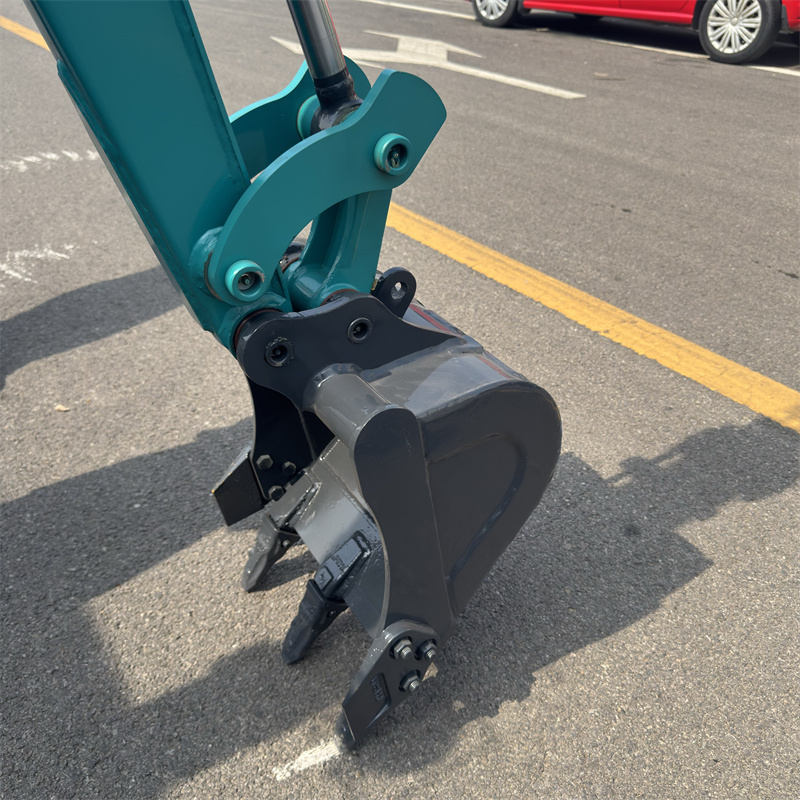
Mini – excavators can be equipped with various attachments, and choosing the right one for the job is essential for precision. For general digging tasks, a standard bucket is usually the best choice. However, if you need to perform more specialized tasks such as trenching or grading, there are specific attachments available.
For example, a trenching bucket has a narrow design that is ideal for creating long, narrow trenches with precise dimensions. A grading bucket can be used to level the ground after excavation. Using the appropriate attachment will not only improve the precision of the digging but also increase the efficiency of the operation.
Operating Techniques
When it comes to operating the mini – excavator for precise digging, smooth and controlled movements are key. Start by making small, incremental movements with the controls. Avoid sudden or jerky movements, as they can lead to over – digging or uneven surfaces.
When digging, use the boom, arm, and bucket in a coordinated manner. For instance, when lowering the bucket into the ground, extend the arm at the same time to control the depth of the cut. As you lift the bucket filled with soil, retract the arm to bring the load closer to the machine. This coordinated movement will help you maintain better control over the digging process.
To achieve a consistent depth, use the depth gauge on the mini – excavator if available. If not, you can use a measuring stick or a laser level to check the depth periodically. Make small adjustments to the digging depth as needed to ensure accuracy.
Swing and Backfilling
The swing function of the mini – excavator allows you to move the bucket from the digging area to the dumping area. When swinging the machine, do it slowly and smoothly. This will prevent the soil from spilling out of the bucket and ensure that the load is dumped in the correct location.
After the initial digging is complete, you may need to backfill the excavation. Use the mini – excavator to spread the backfill material evenly in the excavation. Use the bucket to level the backfill and compact it slightly. This will help to achieve a more stable and even surface.
Using Technology for Precision
Many modern mini – excavators are equipped with advanced technology features that can enhance precision. For example, some models have GPS – guided systems that can provide real – time information about the position and depth of the excavation. These systems can be programmed with the desired digging dimensions, and the machine will automatically adjust its movements to stay within the specified parameters.
Laser leveling systems are another useful technology. They can project a laser beam across the digging area, allowing you to easily align the bucket at the correct height. This is especially useful for creating flat and level surfaces.
Continuous Monitoring and Adjustment
Throughout the digging process, continuously monitor the progress. Check the depth, width, and shape of the excavation regularly. If you notice any deviations from the desired specifications, make immediate adjustments to the controls.
Keep an eye on the condition of the soil. Different types of soil may require different digging techniques. For example, sandy soil may be looser and require more careful control to avoid over – digging, while clay soil may be more compact and require more force to break up.
Our Mini Excavator Offerings
At our company, we offer a range of high – quality mini – excavators that are suitable for precise digging. Our 1.5 Ton Mini Excavator is a popular choice for many construction and landscaping projects. It is compact, powerful, and easy to operate, making it ideal for achieving precision in small to medium – sized digging tasks.
We also have the Lithium Battery Excavator 1.5 Ton, which offers the advantage of being environmentally friendly and having lower operating costs. The electric power source provides smooth and consistent performance, which is beneficial for precise digging.
In addition, our Plug – in Mini Excavator 1.5 Ton is a great option for indoor or noise – sensitive areas. It offers the same level of precision as our other models while being quieter and more energy – efficient.
Conclusion
Operating a mini – excavator for precise digging requires a combination of preparation, skill, and the right equipment. By following the steps outlined in this blog post, you can improve your chances of achieving accurate and efficient excavation results. Whether you’re a professional contractor or a DIY enthusiast, our mini – excavators are designed to meet your needs for precise digging.
If you’re interested in purchasing a mini – excavator for your next project or have any questions about our products, we encourage you to contact us for a detailed discussion. Our team of experts is ready to assist you in finding the right equipment and providing you with the support you need to succeed in your digging projects.
References
Construction Equipment Operator’s Manuals
Safety Guidelines for Excavation Work
Industry Best Practices for Mini – Excavator Operation