In the realm of small – scale landscaping projects, the choice of equipment can significantly impact the efficiency, cost – effectiveness, and overall outcome of the work. One piece of machinery that has been gaining attention in recent years is the 0.5 – ton mini excavator. As a supplier of 0.5 – ton mini excavators, I am often asked whether this type of equipment is suitable for small – scale landscaping projects. In this blog post, I will explore the features, advantages, and limitations of 0.5 – ton mini excavators in the context of small – scale landscaping.
Features of 0.5 – ton Mini Excavators
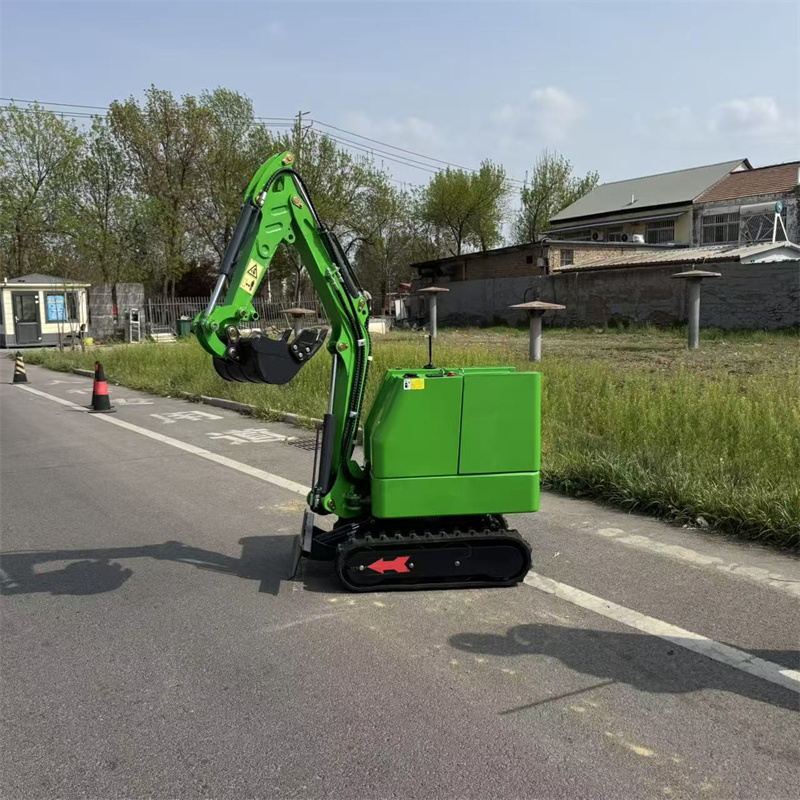
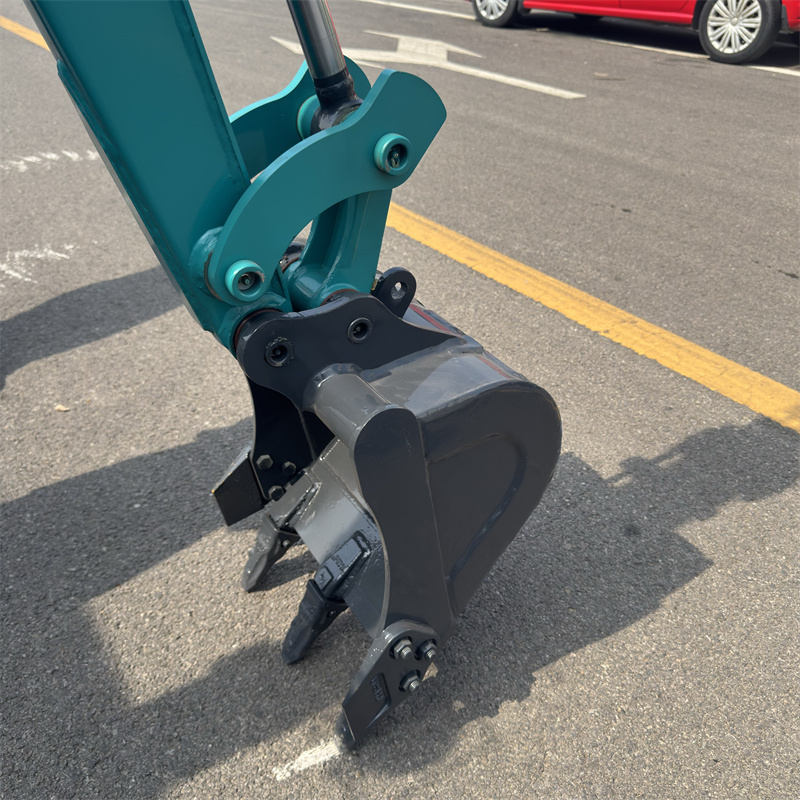
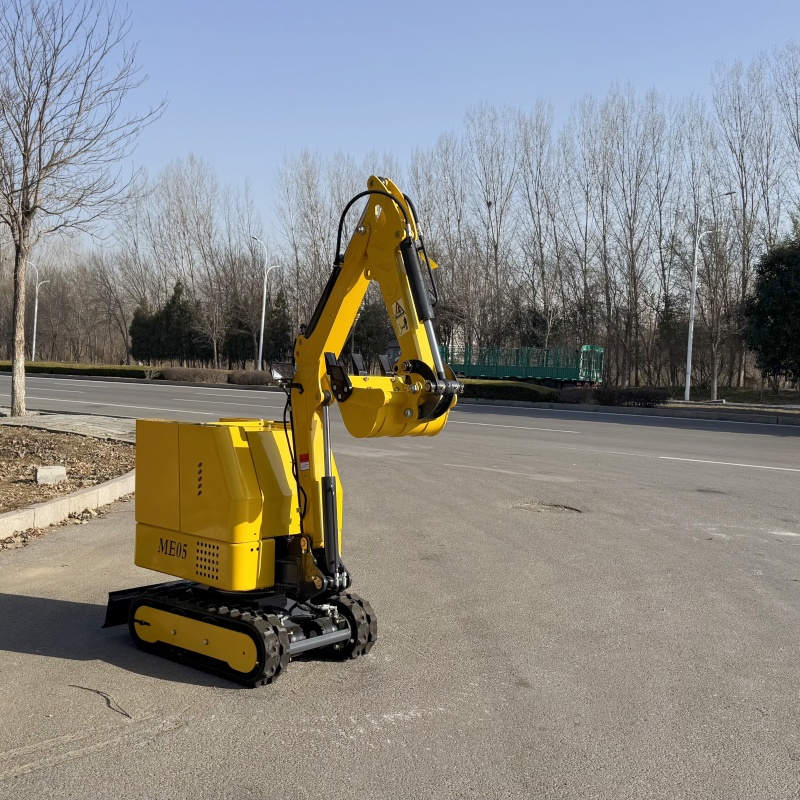
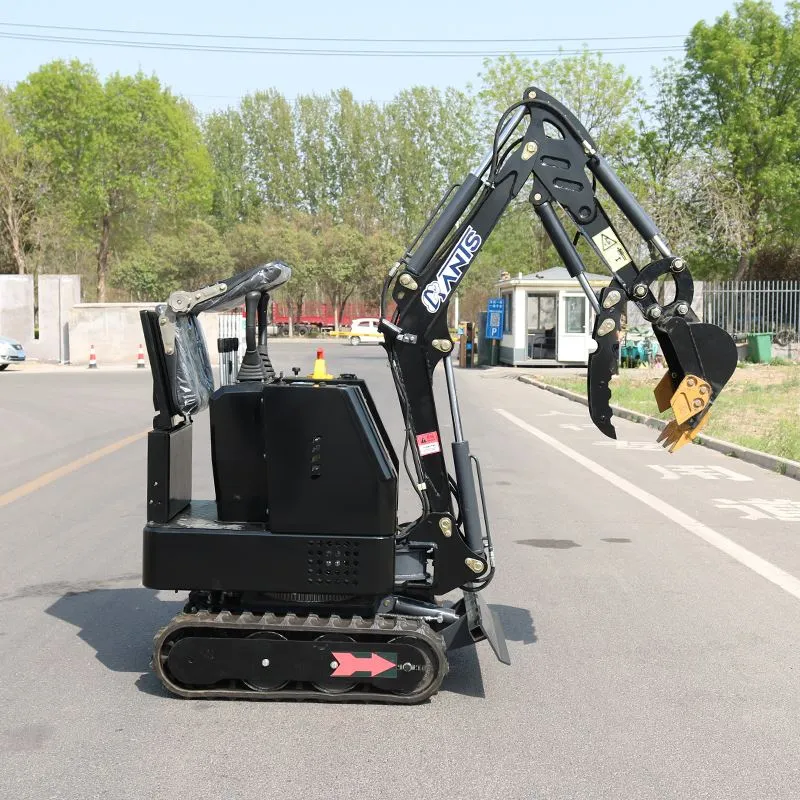
0.5 – ton mini excavators are compact and lightweight machines, typically weighing around 500 kilograms. They are designed with a small footprint, which allows them to operate in tight spaces where larger excavators cannot reach. These mini excavators are often equipped with a variety of attachments, such as buckets, augers, and breakers, which can be easily swapped to perform different tasks.
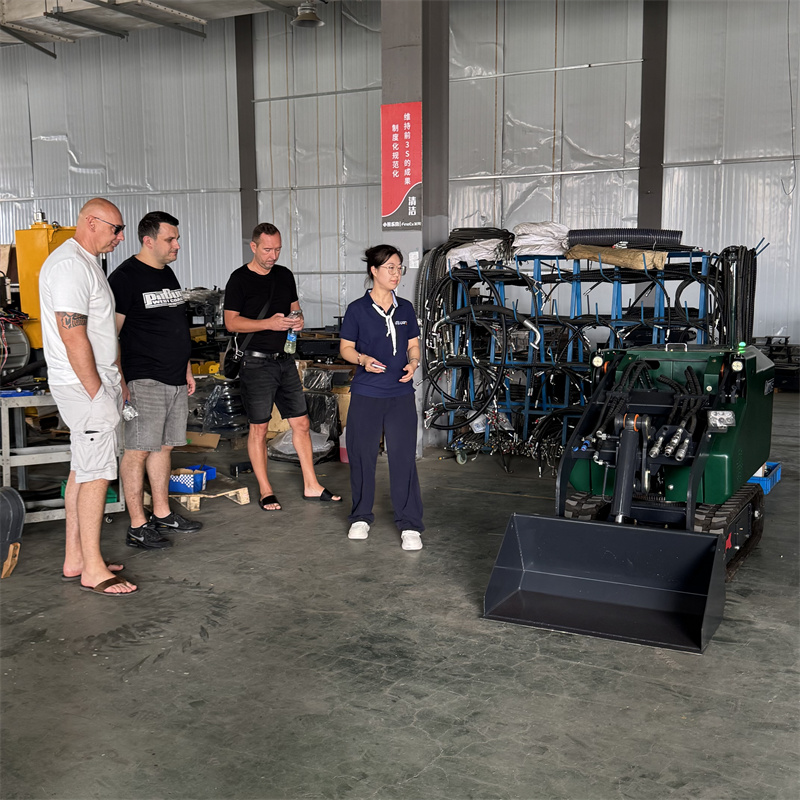
One of the key features of 0.5 – ton mini excavators is their maneuverability. They can be easily transported on a trailer and moved around the job site with minimal effort. Some models, like the Small Excavator with Access Toelevator, are specifically designed to fit into elevators, making them ideal for indoor landscaping projects or multi – level construction sites.
Another notable feature is their low noise and emissions. Many 0.5 – ton mini excavators are powered by electric motors, which produce less noise and pollution compared to their diesel – powered counterparts. This makes them a more environmentally friendly option, especially for projects in residential areas or noise – sensitive locations. For example, the Crawler 0.5Ton Foldable Seat Swing Boom Electric Excavator for Indoor Renovation is an excellent choice for indoor projects due to its electric power source and compact design.
Advantages in Small – scale Landscaping Projects
Space Efficiency
Small – scale landscaping projects often take place in confined spaces, such as backyards, small gardens, or urban courtyards. The compact size of 0.5 – ton mini excavators allows them to work in these areas without causing damage to surrounding structures or plants. They can easily navigate around trees, shrubs, and other obstacles, making them a versatile tool for tasks like digging trenches, creating flower beds, or installing drainage systems.
Cost – effectiveness
Compared to larger excavators, 0.5 – ton mini excavators are more affordable to purchase and operate. They consume less fuel or electricity, and their maintenance costs are generally lower. For small – scale landscaping businesses or individual contractors, investing in a 0.5 – ton mini excavator can be a cost – effective solution, as it allows them to take on a wider range of projects without breaking the bank.
Versatility
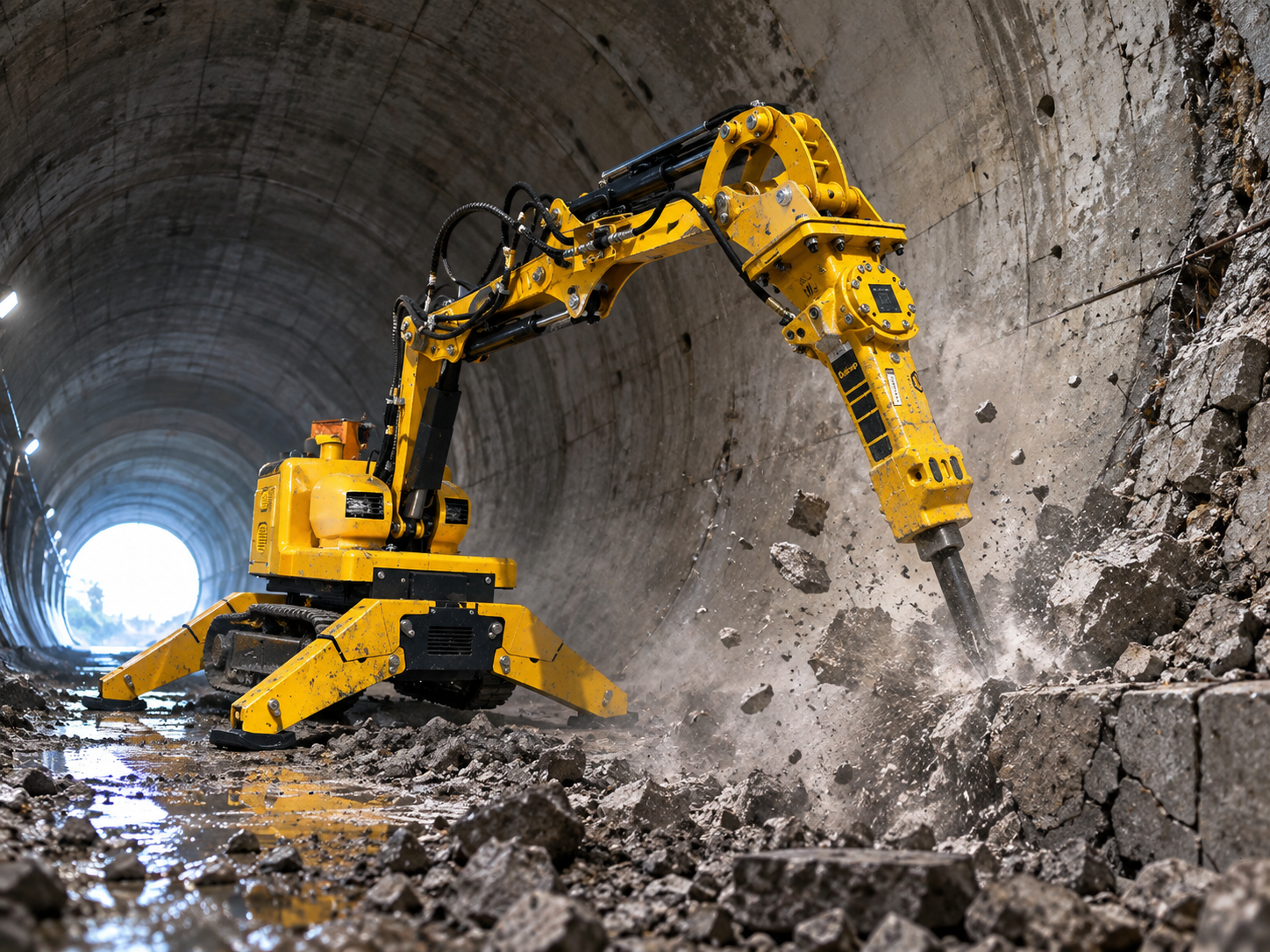
The ability to use different attachments makes 0.5 – ton mini excavators highly versatile. For instance, a bucket attachment can be used for digging and moving soil, while an auger attachment can be used for drilling holes for tree planting or fence posts. A breaker attachment can be used to break up concrete or rock, expanding the range of tasks that the excavator can perform. The Compact Electric Boom – Swing Digger is a great example of a versatile 0.5 – ton mini excavator that can handle various landscaping tasks.
Reduced Labor Requirements
Using a 0.5 – ton mini excavator can significantly reduce the amount of manual labor required for a landscaping project. Instead of relying on a large team of workers to dig and move soil, one operator can use the excavator to complete the same tasks in a fraction of the time. This not only saves time but also reduces the risk of worker fatigue and injuries.
Limitations in Small – scale Landscaping Projects
Limited Digging Depth and Reach
One of the main limitations of 0.5 – ton mini excavators is their limited digging depth and reach. Due to their small size, they are not capable of digging as deep or reaching as far as larger excavators. This can be a drawback for projects that require deep trenching or extensive earthmoving. However, for most small – scale landscaping projects, the digging depth and reach of a 0.5 – ton mini excavator are usually sufficient.
Lower Lifting Capacity
Compared to larger excavators, 0.5 – ton mini excavators have a lower lifting capacity. This means that they may not be suitable for lifting heavy objects, such as large rocks or concrete blocks. If a project involves moving heavy materials, additional equipment may be required.
Power Output
The power output of 0.5 – ton mini excavators is generally lower than that of larger models. This can affect their performance when working with tough materials, such as hard – packed soil or large tree roots. In such cases, the operator may need to take more time to complete the task or use additional tools to assist the excavator.
Considerations for Choosing a 0.5 – ton Mini Excavator
When considering whether a 0.5 – ton mini excavator is suitable for a small – scale landscaping project, several factors should be taken into account.
Project Requirements
First, assess the specific requirements of the project. Consider the size of the area, the type of tasks to be performed, and the depth and reach needed. If the project involves digging shallow trenches, creating small flower beds, or moving light materials, a 0.5 – ton mini excavator is likely to be a good choice. However, if the project requires deep digging or heavy lifting, a larger excavator may be necessary.
Budget
Budget is another important factor. Determine how much you are willing to spend on equipment purchase, operation, and maintenance. While 0.5 – ton mini excavators are generally more affordable than larger models, it is still important to compare prices and features from different suppliers to ensure you are getting the best value for your money.
Operator Skill Level
The skill level of the operator is also crucial. Operating a mini excavator requires some training and experience. Make sure that the operator is familiar with the controls and safety procedures of the specific model you choose. Some suppliers offer training programs for new operators, which can be beneficial for ensuring safe and efficient operation.
Conclusion
In conclusion, a 0.5 – ton mini excavator can be a suitable choice for many small – scale landscaping projects. Its compact size, maneuverability, versatility, and cost – effectiveness make it a valuable asset for small – scale landscaping businesses and individual contractors. However, it is important to be aware of its limitations, such as limited digging depth, lower lifting capacity, and lower power output. By carefully considering the project requirements, budget, and operator skill level, you can determine whether a 0.5 – ton mini excavator is the right equipment for your small – scale landscaping project.
If you are interested in learning more about our 0.5 – ton mini excavators or discussing your specific project needs, we encourage you to reach out to us for a detailed consultation. Our team of experts is ready to assist you in making the best equipment choice for your small – scale landscaping projects.
References
Construction Equipment Guide. (n.d.). Mini Excavators: A Buyer’s Guide. Retrieved from [Construction Equipment Guide Website]
Equipment World. (n.d.). The Advantages of Mini Excavators in Small – Scale Projects. Retrieved from [Equipment World Website]
Kubota. (n.d.). Mini Excavator Product Manuals. Retrieved from [Kubota Website]