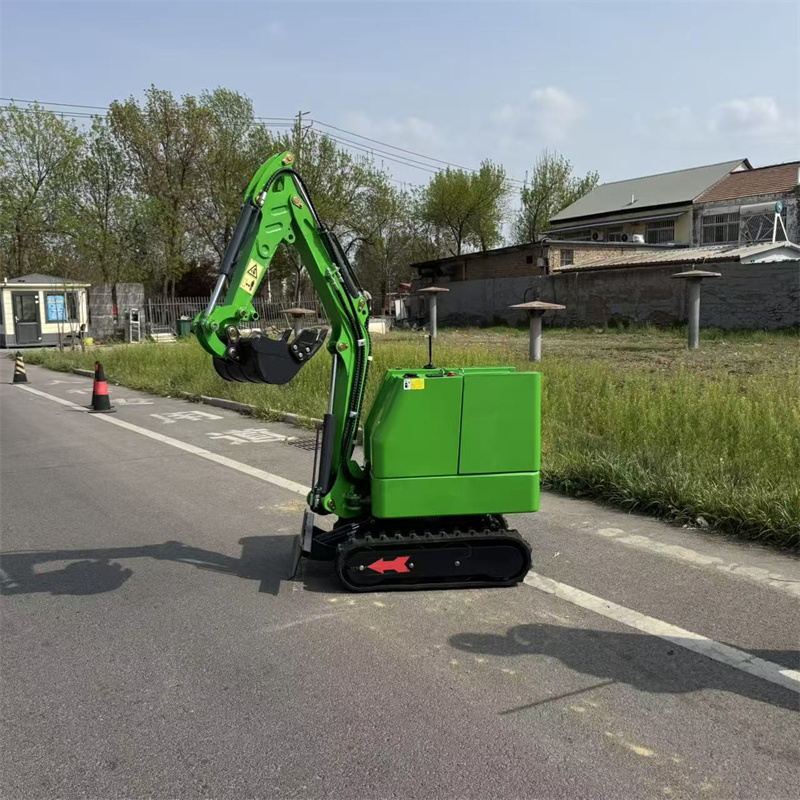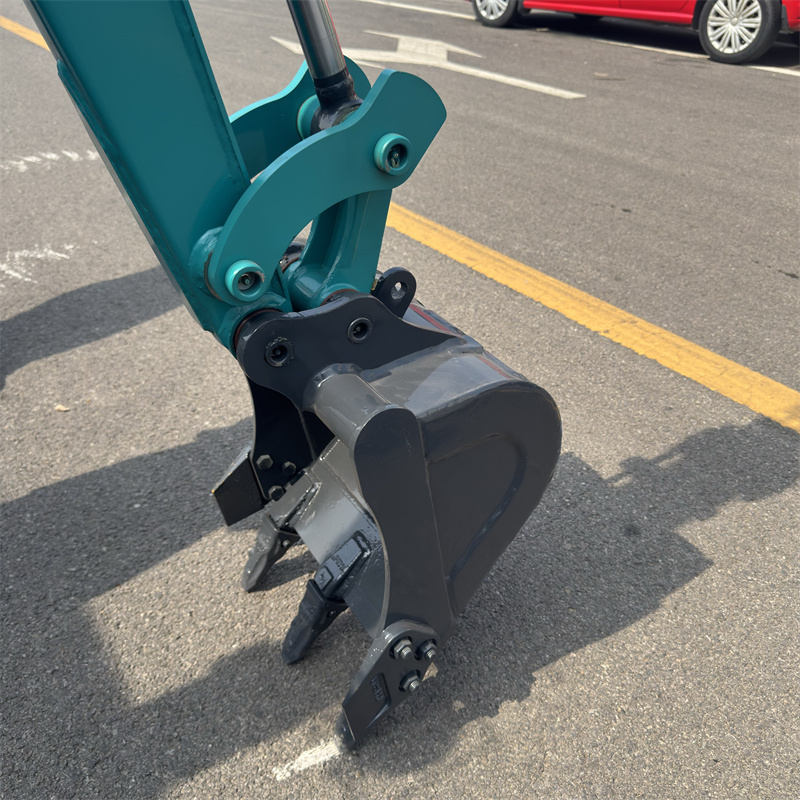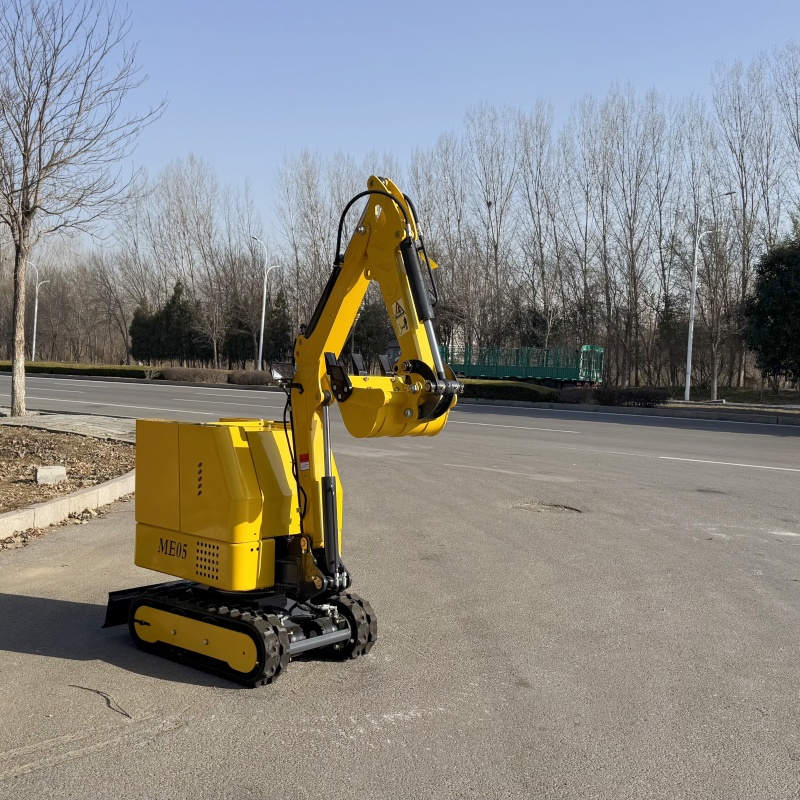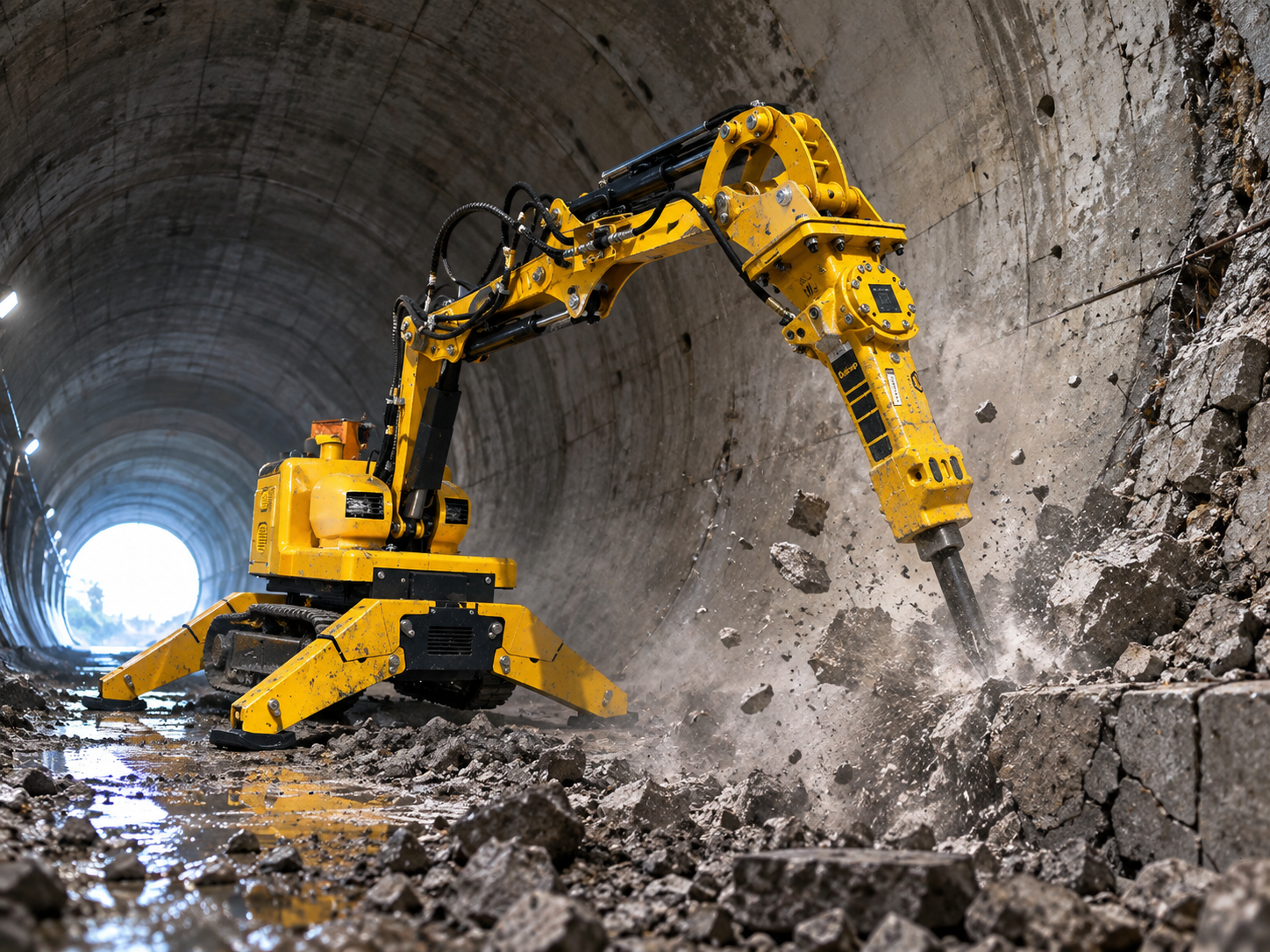
As a supplier of 0.8-ton mini excavators, I’m often asked whether these compact machines are suitable for indoor work. In this blog post, I’ll delve into the features of 0.8-ton mini excavators and explore their viability for indoor applications.
Key Features of 0.8-Ton Mini Excavators
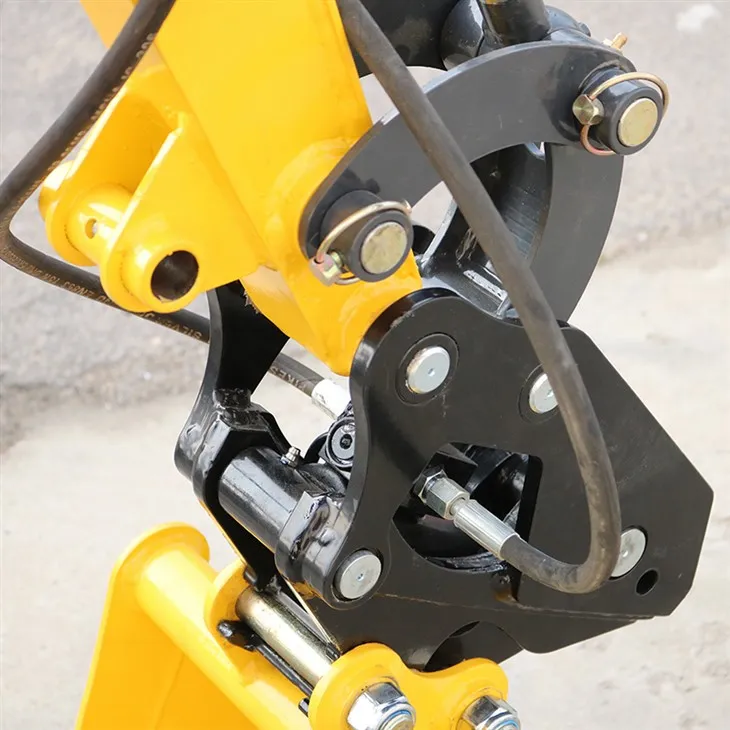
Before discussing their indoor suitability, let’s first understand the characteristics of 0.8-ton mini excavators. These machines are designed to be highly maneuverable, with a relatively small footprint that allows them to operate in tight spaces. They typically feature a hydraulic system that provides sufficient power for various digging and lifting tasks, despite their small size.
One of the notable advantages of a 0.8-ton mini excavator is its low weight. Weighing around 800 kg, it exerts less pressure on the ground compared to larger excavators, which is crucial when working on indoor floors that may not be able to withstand heavy loads. This also reduces the risk of damage to the floor surface during operation.
Another important feature is the compact design. With a narrow width and short length, these excavators can easily navigate through doorways, corridors, and other confined areas commonly found in indoor settings. This makes them ideal for tasks such as basement excavation, indoor demolition, and renovation projects.
Advantages of Using a 0.8-Ton Mini Excavator for Indoor Work
Maneuverability
The small size and excellent maneuverability of 0.8-ton mini excavators are a significant advantage for indoor work. They can easily turn in tight circles, allowing operators to access hard-to-reach areas without the need for extensive repositioning. This saves time and increases efficiency, especially in projects where space is limited.
For example, in a basement renovation project, a 0.8-ton mini excavator can quickly move around columns, pipes, and other obstacles to dig footings or remove old concrete. Its ability to work in confined spaces also reduces the need for manual labor, which can be time-consuming and physically demanding.
Low Ground Pressure
As mentioned earlier, the low weight of 0.8-ton mini excavators results in low ground pressure. This is particularly important when working on indoor floors made of materials such as wood, tile, or concrete. By minimizing the pressure on the floor, the risk of cracking, chipping, or other damage is significantly reduced.
In addition, the low ground pressure also allows the excavator to operate on soft or uneven surfaces without getting stuck. This is useful in situations where the indoor floor has been damaged or is in the process of being renovated.
Noise and Emission Levels
Indoor work often requires equipment that operates quietly and with low emissions. 0.8-ton mini excavators are designed to meet these requirements, with many models featuring advanced engine technology that reduces noise and exhaust emissions.
This is beneficial not only for the comfort of the operators and other workers in the vicinity but also for compliance with environmental regulations. In some indoor settings, such as hospitals, schools, and office buildings, strict noise and emission limits may apply, and a 0.8-ton mini excavator can help meet these requirements.
Considerations for Indoor Work
While 0.8-ton mini excavators offer many advantages for indoor work, there are also some considerations that need to be taken into account.
Ventilation
When operating any type of equipment indoors, proper ventilation is essential to ensure the safety of the operators and other workers. 0.8-ton mini excavators, like all combustion engine-powered machines, produce exhaust fumes that can be harmful if inhaled in large quantities.
Therefore, it is important to ensure that the indoor space is well-ventilated during operation. This may involve opening windows and doors, using fans or ventilation systems, or working in areas with natural airflow. In some cases, it may also be necessary to use personal protective equipment such as respirators to protect against fumes.
Ceiling Height
The height of the indoor space is another important consideration. 0.8-ton mini excavators typically have a relatively low profile, but some models may have a taller boom or cab that could pose a problem in areas with low ceilings.
Before using a mini excavator indoors, it is important to measure the ceiling height and ensure that there is enough clearance for the machine to operate safely. If the ceiling height is limited, it may be necessary to choose a model with a lower profile or to modify the work area to provide additional clearance.
Power Source
Most 0.8-ton mini excavators are powered by diesel engines, which provide the necessary power for digging and lifting tasks. However, in some indoor settings, the use of diesel engines may not be practical or allowed due to noise, emission, or safety concerns.
In such cases, electric-powered mini excavators may be a better option. Electric mini excavators offer several advantages, including lower noise levels, zero emissions, and reduced maintenance requirements. They are also typically more energy-efficient, which can result in cost savings over the long term.
Our Product Range
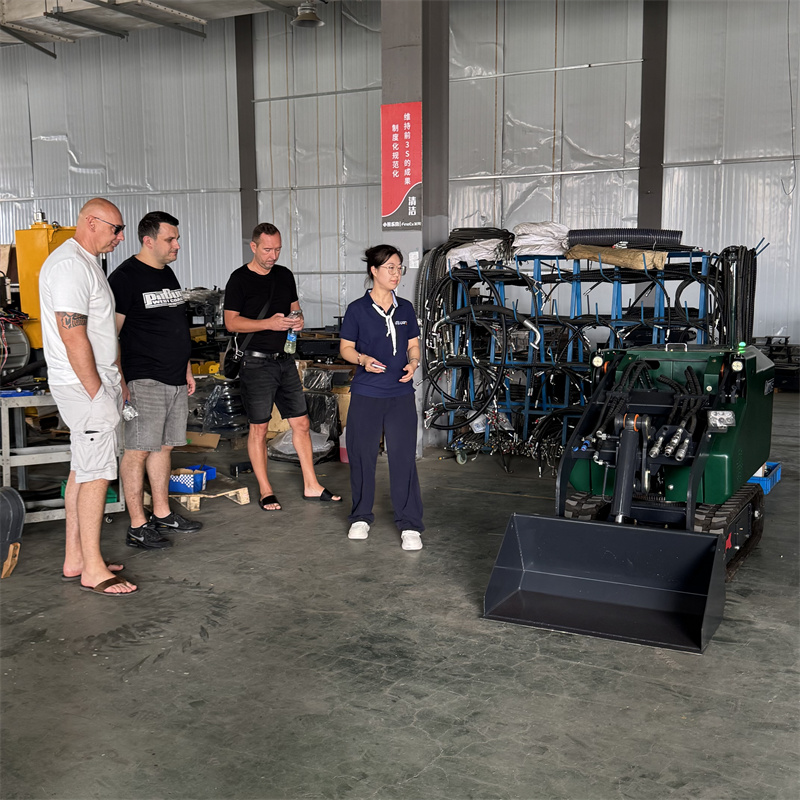
At our company, we offer a range of 0.8-ton mini excavators that are suitable for indoor work. Our ME08 Wellhead Remote Excavator is a highly versatile machine that features a remote control system, allowing operators to work safely from a distance. This is particularly useful in situations where the work area is hazardous or difficult to access.
We also have the Mini Excavator 800 kg, which is a compact and lightweight machine that is easy to maneuver in tight spaces. It is powered by a reliable diesel engine and is equipped with a range of features to ensure efficient and safe operation.
In addition, our 0.8ton Hydraulic Crawler Backhoe Mini Excavator offers excellent digging performance and stability. It is designed with a hydraulic crawler system that provides good traction on various surfaces, making it suitable for both indoor and outdoor work.
Conclusion
In conclusion, a 0.8-ton mini excavator can be a suitable choice for indoor work, thanks to its maneuverability, low ground pressure, and relatively low noise and emission levels. However, it is important to consider factors such as ventilation, ceiling height, and power source before using a mini excavator indoors.
If you are considering using a 0.8-ton mini excavator for your indoor project, we encourage you to contact us to discuss your specific requirements. Our team of experts can provide you with detailed information about our products and help you choose the right machine for your needs. We are committed to providing high-quality equipment and excellent customer service, and we look forward to working with you.
References
Construction Equipment Guide: “Mini Excavators: A Guide to Choosing the Right Machine”
Equipment World: “Indoor Excavation: Tips and Tricks for Success”
Machinery Lubrication: “Importance of Ventilation in Indoor Equipment Operation”