Transporting a Mini Crawler Excavator: Is It a Breeze?
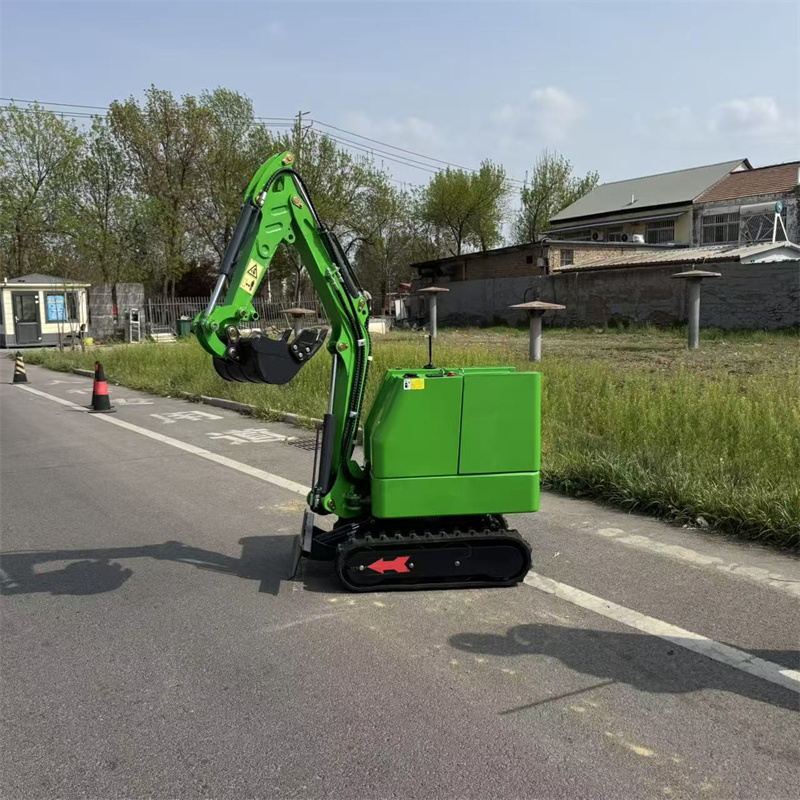
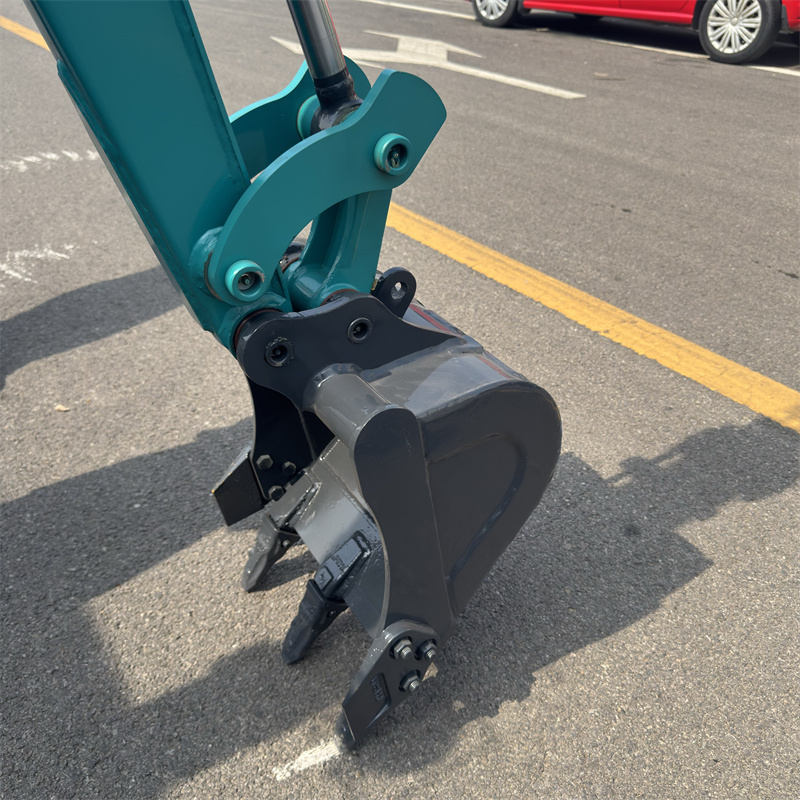
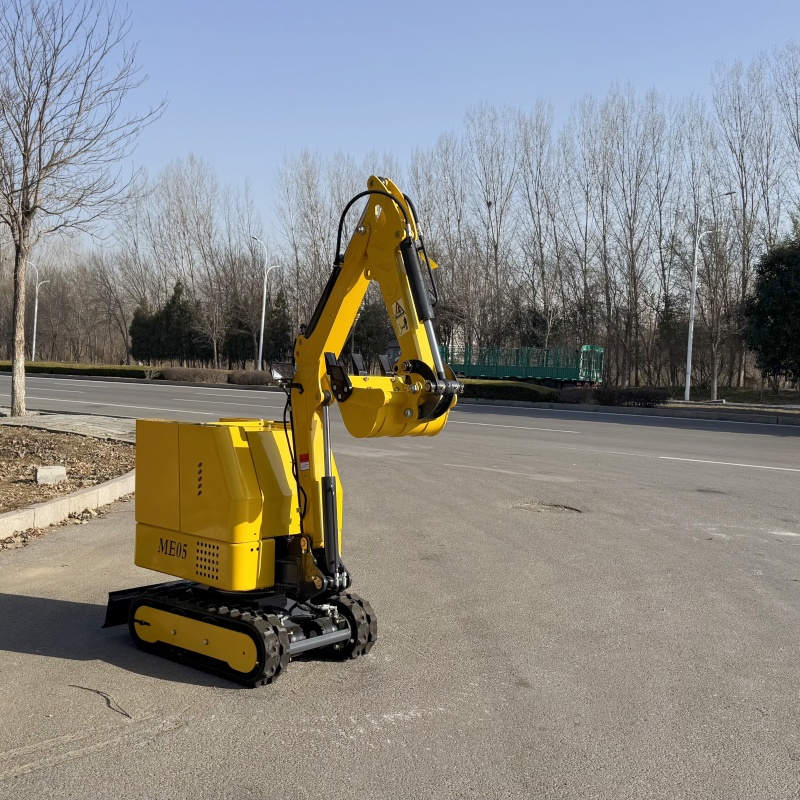
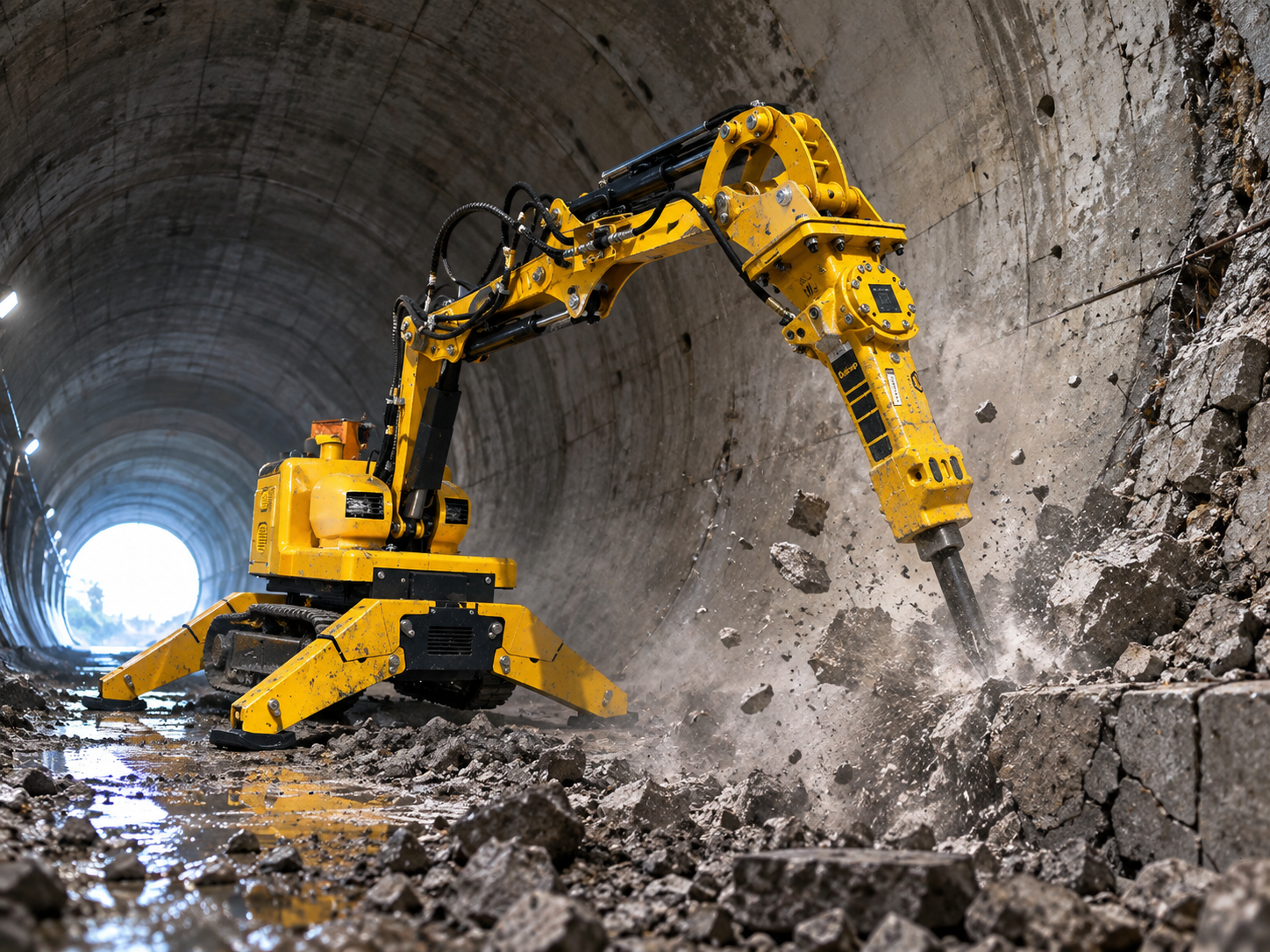
As a supplier of Mini Crawler Excavators, I often get asked about the ease of transporting these compact yet powerful machines. Mini Crawler Excavators are highly sought – after in various industries, from landscaping to small – scale construction, due to their versatility and maneuverability. But how easy is it to move them from one job site to another?
The Compact Advantage
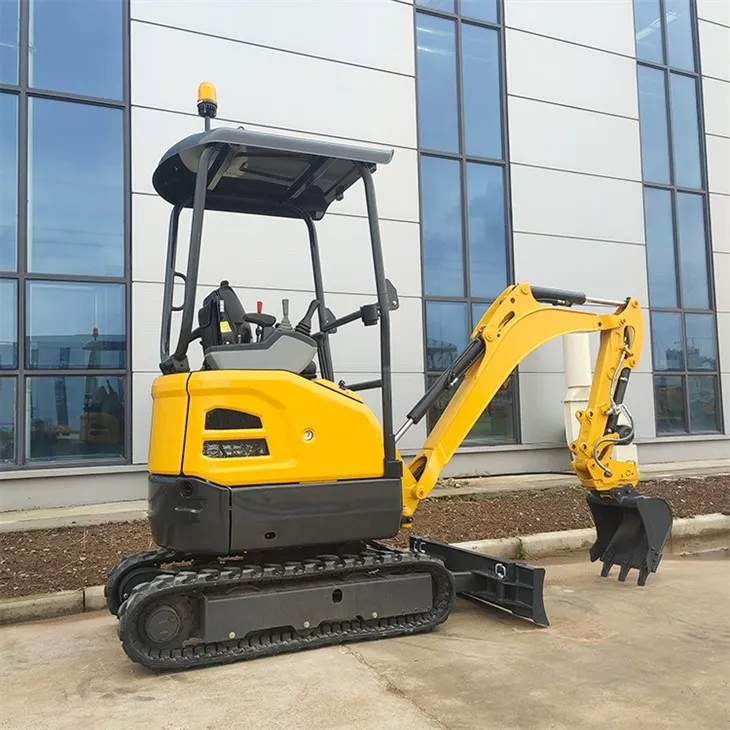
One of the primary reasons why transporting a Mini Crawler Excavator can be considered relatively easy is its compact size. Unlike their larger counterparts, Mini Crawler Excavators Mini Crawler Excavator are designed to be lightweight and space – efficient. This means that they can fit on smaller trailers, reducing the need for large, specialized transport vehicles.
For instance, a typical Mini Crawler Excavator can weigh anywhere from 1 to 8 tons. In comparison, a full – sized excavator can weigh upwards of 20 tons or more. This significant difference in weight allows for more flexibility in choosing a transport method. A small flatbed trailer pulled by a medium – duty truck is often sufficient to transport a Mini Crawler Excavator. This is a cost – effective solution as it doesn’t require the use of heavy – haul trucks, which can be expensive to rent or operate.
Maneuverability on and off the Trailer
Another factor that contributes to the ease of transporting Mini Crawler Excavators is their excellent maneuverability. These machines are equipped with crawler tracks that provide them with a high degree of traction and stability. When it comes to loading and unloading the excavator from the trailer, the crawler tracks allow the operator to easily drive the machine on and off the trailer ramp.
The compact design also means that the Mini Crawler Excavator can be easily positioned on the trailer. There is less need for complex rigging or lifting equipment to secure the machine in place. The operator can simply drive the excavator onto the trailer and use standard tie – down straps to secure it. This process is relatively quick and straightforward, even for operators with limited experience.
Road and Site Access
Mini Crawler Excavators are also well – suited for transportation due to their ability to access a wide range of roads and job sites. Their small size allows them to navigate narrow streets and alleys that may be inaccessible to larger vehicles. This is particularly useful in urban areas where space is limited.
Moreover, these excavators can be transported to remote job sites with relative ease. The smaller trailers used to transport Mini Crawler Excavators can often access dirt roads and rough terrain that would be difficult for larger trucks to navigate. This makes it possible to quickly deploy the excavator to where it is needed, reducing downtime between jobs.
Challenges in Transportation
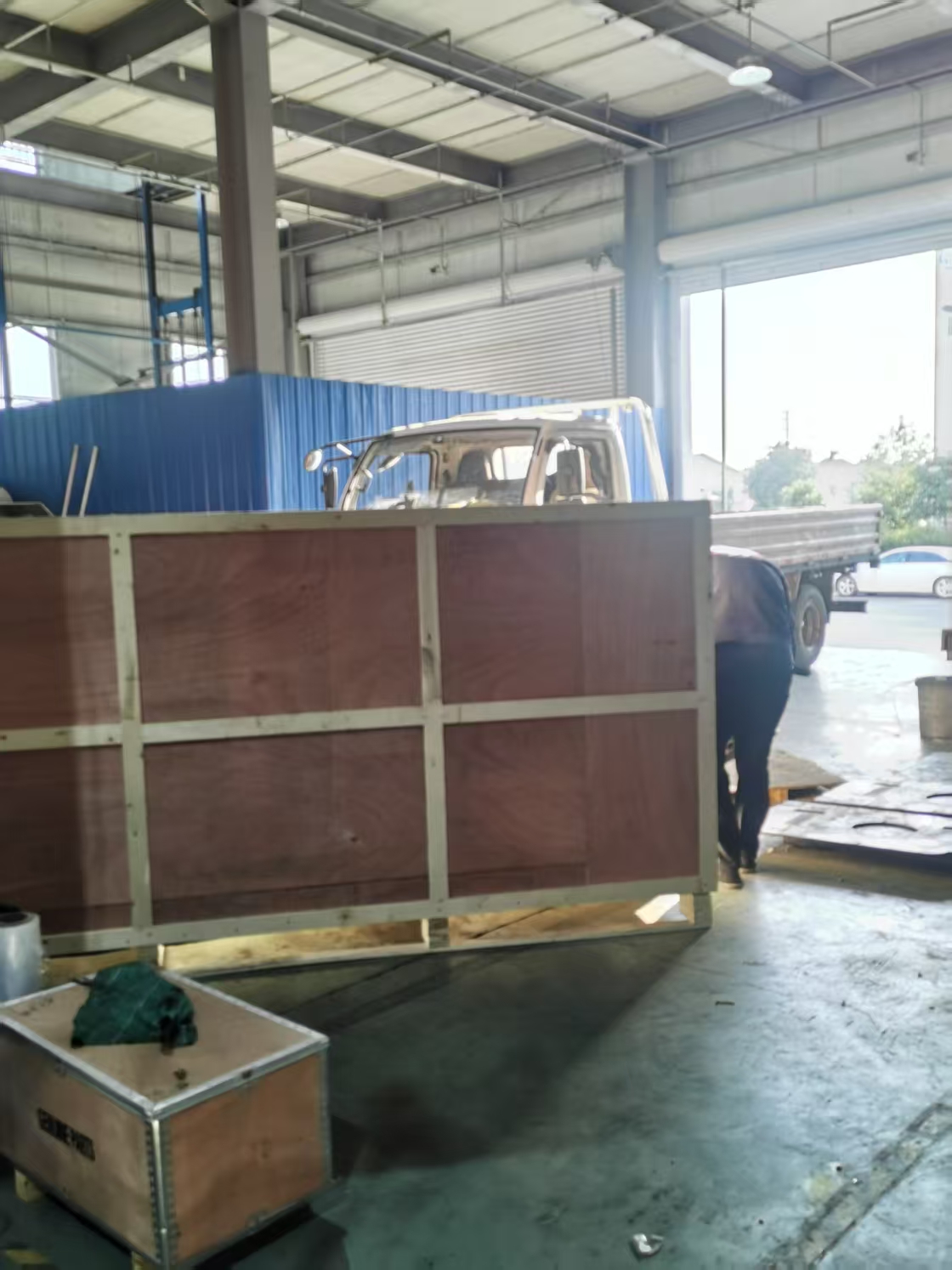
While there are many advantages to transporting Mini Crawler Excavators, there are also some challenges that need to be considered. One of the main challenges is ensuring the safety of the transport. Even though Mini Crawler Excavators are smaller and lighter than full – sized excavators, they are still heavy machines. Proper securing of the machine on the trailer is crucial to prevent it from shifting during transit, which could lead to accidents.
Another challenge is compliance with transportation regulations. Different regions have different rules regarding the transportation of heavy equipment. This includes requirements for permits, load limits, and safety equipment. As a supplier, we ensure that our customers are aware of these regulations and provide them with the necessary information to ensure a legal and safe transport.
Special Considerations for Electric Mini Excavators
In recent years, there has been an increasing demand for 1.8 Ton Electric Mini Excavator. These machines offer several benefits, such as lower emissions and quieter operation. However, transporting electric Mini Excavators requires some special considerations.
The battery packs in electric excavators are heavy and need to be properly secured during transport. Additionally, the charging equipment needs to be transported along with the machine to ensure that it can be recharged at the job site. We provide our customers with detailed instructions on how to safely transport electric Mini Excavators, including guidelines on battery maintenance and charging during transit.
The Role of the Supplier
As a supplier of Mini Crawler Excavators, we play a crucial role in ensuring that the transportation process is as easy as possible for our customers. We offer a range of services to assist with transportation, including providing information on the best transport methods, helping customers find reliable transport partners, and offering training on loading and unloading the excavator.
We also provide all the necessary documentation and support to ensure compliance with transportation regulations. This includes providing certificates of origin, weight specifications, and any other information that may be required by local authorities.
Conclusion
In conclusion, transporting a Mini Crawler Excavator is generally easier compared to transporting larger excavators. The compact size, maneuverability, and relatively low weight of these machines make them more accessible in terms of transport options. However, it is important to take into account the safety and regulatory aspects of transportation.
If you are in the market for a Mini Crawler Excavator or need more information on transporting these machines, we are here to help. Our team of experts can provide you with all the details you need to make an informed decision. Whether you are a small – scale contractor or a large construction company, our Mini Hydraulic Excavator and Mini Crawler Excavator models offer a reliable and efficient solution for your excavation needs. Contact us today to discuss your requirements and start the process of purchasing a Mini Crawler Excavator.
References
“Excavator Transportation Guide”, Construction Equipment Magazine
“Safety Guidelines for Transporting Heavy Equipment”, Department of Transportation