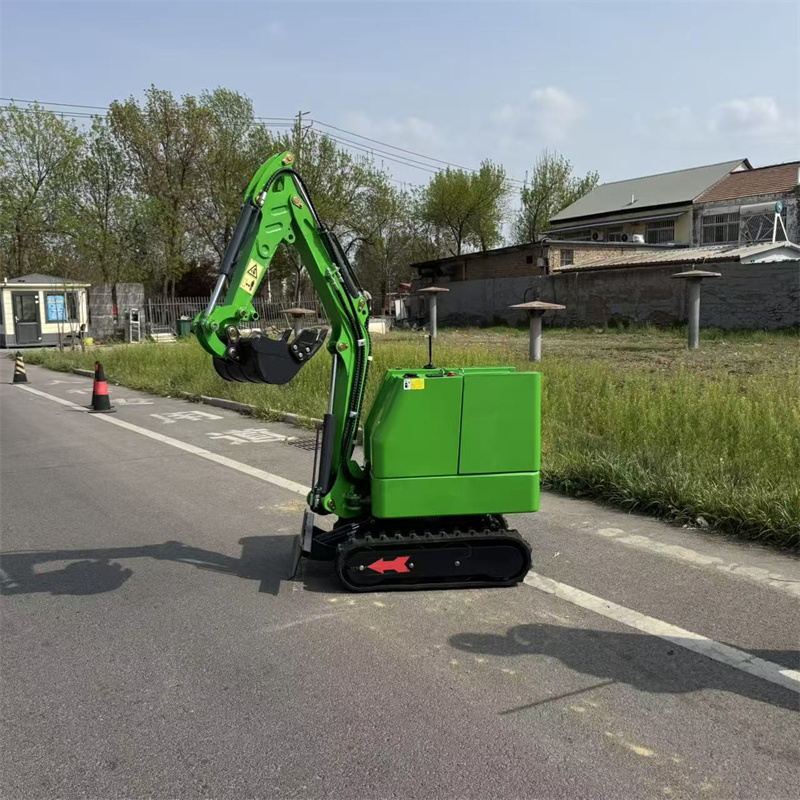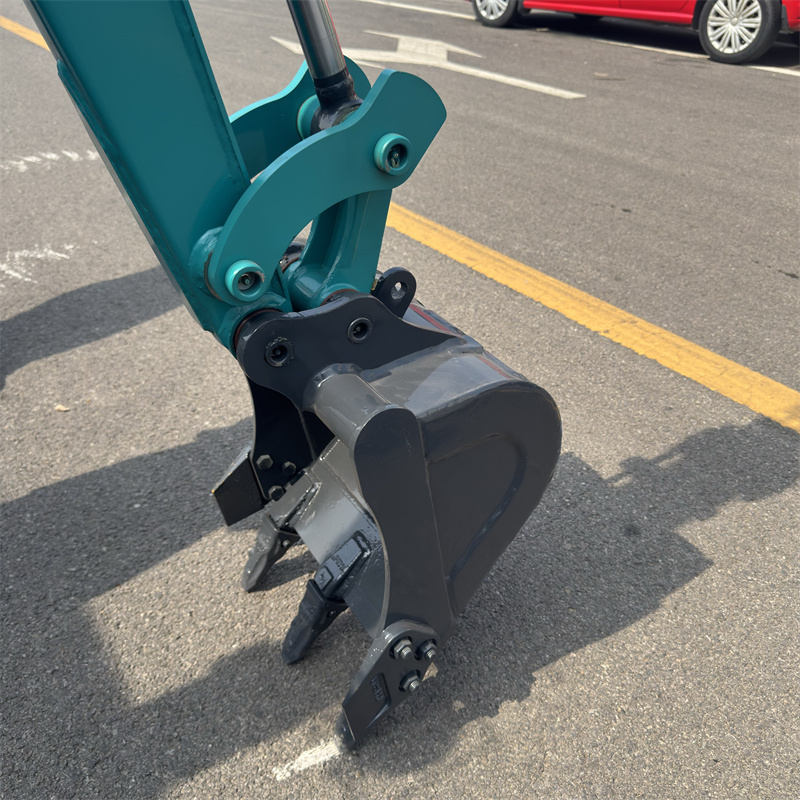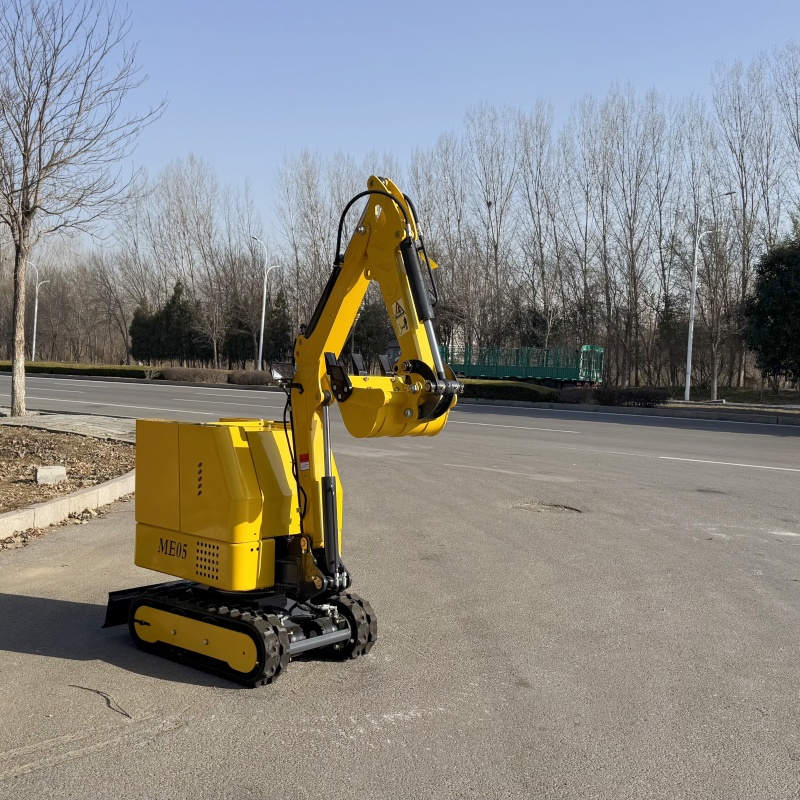
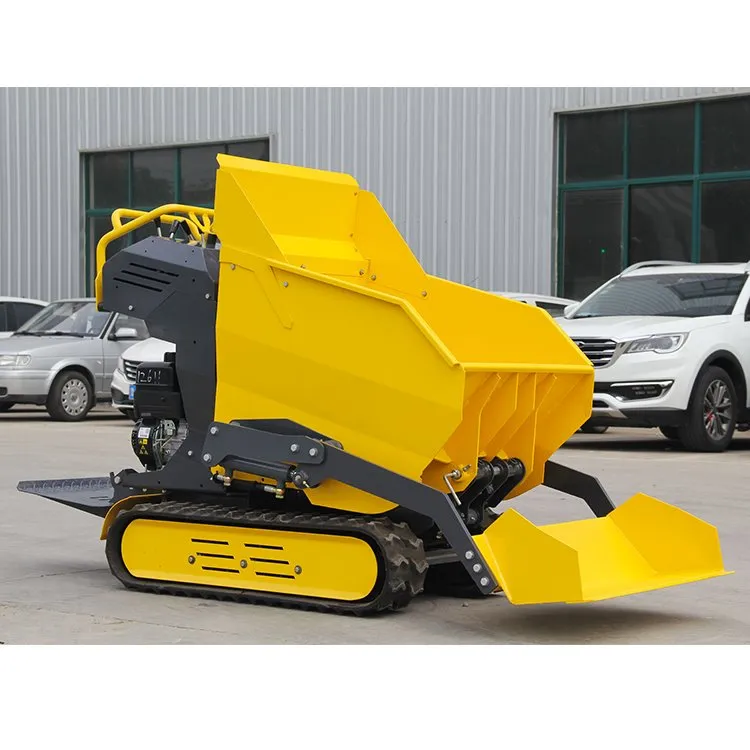
Mini crawler dumpers are essential equipment in various industries, such as construction, agriculture, and landscaping. They offer high maneuverability and the ability to work in tight spaces. However, like any machinery, they can encounter several common problems. As a supplier of Mini Crawler Dumpers, I have dealt with numerous issues reported by our customers over the years. In this blog, I will discuss some of the most common problems of a Mini Crawler Dumper and how to solve them.
1. Engine Starting Problems
One of the most frequent issues with Mini Crawler Dumpers is difficulty starting the engine. This can be caused by several factors:
Battery Issues
A dead or weak battery is a common culprit. Over time, batteries lose their charge capacity, especially if they are not properly maintained. To check the battery, use a voltmeter. A fully charged battery should read around 12.6 volts. If the voltage is significantly lower, the battery may need to be recharged or replaced.
Solution: If the battery is low on charge, connect it to a battery charger and follow the manufacturer’s instructions. If the battery is old and no longer holds a charge, replace it with a new one. Make sure to choose a battery with the correct specifications for your Mini Crawler Dumper.
Fuel System Problems
Clogged fuel filters, empty fuel tanks, or a malfunctioning fuel pump can also prevent the engine from starting. A clogged fuel filter restricts the flow of fuel to the engine, while an empty tank means there is no fuel available. A faulty fuel pump may not be able to deliver fuel at the correct pressure.
Solution: First, check the fuel level in the tank. If it is low, refill it. Next, inspect the fuel filter. If it is dirty or clogged, replace it. You can usually find the fuel filter near the fuel tank or along the fuel line. If you suspect a problem with the fuel pump, it may need to be tested and possibly replaced by a professional mechanic.
Ignition System Failures
Faulty spark plugs, ignition coils, or a malfunctioning ignition switch can cause starting problems. Spark plugs are responsible for igniting the fuel-air mixture in the engine cylinders. If they are worn out or dirty, they may not produce a strong enough spark.
Solution: Remove the spark plugs and inspect them for signs of wear, such as fouling or erosion. If they are in poor condition, replace them with new ones. Check the ignition coils and ignition switch for any visible damage. If you are unsure how to diagnose or repair these components, it is best to seek the help of a qualified technician.
2. Hydraulic System Malfunctions
The hydraulic system is crucial for the operation of a Mini Crawler Dumper, as it is responsible for functions such as lifting and tilting the dump body. Common hydraulic system problems include:
Leaking Hydraulic Fluid
Leaks can occur in the hydraulic hoses, fittings, or cylinders. A hydraulic fluid leak not only reduces the efficiency of the system but can also pose a safety hazard. You may notice puddles of fluid under the dumper or a decrease in hydraulic performance.
Solution: Inspect the hydraulic hoses and fittings for any signs of leakage, such as wet spots or dripping fluid. Tighten any loose fittings, and if a hose is damaged, replace it with a new one. Make sure to use the correct type and size of hydraulic hose for your dumper. If the leak is coming from a hydraulic cylinder, it may need to be repaired or replaced.
Low Hydraulic Pressure
Low hydraulic pressure can result in slow or unresponsive operation of the hydraulic functions. This can be caused by a variety of factors, including a worn-out hydraulic pump, a clogged hydraulic filter, or air in the hydraulic system.
Solution: Check the hydraulic fluid level in the reservoir. If it is low, add the appropriate type of hydraulic fluid. Inspect the hydraulic filter and replace it if it is dirty. To remove air from the hydraulic system, you may need to bleed the system according to the manufacturer’s instructions. If the problem persists, the hydraulic pump may need to be tested and possibly replaced.
Contaminated Hydraulic Fluid
Contaminated hydraulic fluid can cause damage to the hydraulic components, such as the pump, valves, and cylinders. Contamination can occur due to dirt, debris, or water entering the system.
Solution: Regularly change the hydraulic fluid and filter according to the manufacturer’s recommended schedule. When adding new fluid, make sure to use a clean container and follow proper handling procedures to prevent contamination. If the fluid is severely contaminated, it may be necessary to flush the entire hydraulic system.
3. Track and Undercarriage Problems
The tracks and undercarriage of a Mini Crawler Dumper are subjected to a lot of wear and tear, especially when operating on rough or uneven terrain. Common problems include:
Track Tension Issues
Incorrect track tension can lead to premature wear of the tracks and undercarriage components. If the tracks are too loose, they may slip or derail, while if they are too tight, it can cause excessive stress on the drive sprockets and idlers.
Solution: Use a track tension gauge to measure the track tension. Refer to the manufacturer’s specifications to determine the correct tension for your dumper. Adjust the track tension by loosening or tightening the track adjuster bolts. Make sure to adjust the tension evenly on both sides of the dumper.
Track Wear
Over time, the tracks will wear down due to friction and contact with the ground. Excessive wear can lead to reduced traction and performance.
Solution: Regularly inspect the tracks for signs of wear, such as worn treads, cracks, or missing links. If the wear is minor, you may be able to continue using the tracks, but if they are severely worn, they should be replaced. When replacing the tracks, make sure to choose high-quality tracks that are compatible with your Mini Crawler Dumper.
Undercarriage Component Damage
The undercarriage components, such as the drive sprockets, idlers, and rollers, can also be damaged due to impact or excessive wear. Damaged components can cause the tracks to malfunction and affect the overall performance of the dumper.
Solution: Inspect the undercarriage components regularly for signs of damage, such as cracks, excessive wear, or misalignment. If a component is damaged, replace it with a new one. Make sure to use genuine or high-quality replacement parts to ensure proper fit and performance.
4. Electrical System Problems
The electrical system of a Mini Crawler Dumper is responsible for powering various components, such as the lights, controls, and sensors. Common electrical problems include:
Blown Fuses
Fuses are designed to protect the electrical system from overloading. If a fuse blows, it means there is a problem in the circuit, such as a short circuit or a malfunctioning component.
Solution: Locate the fuse box and check the fuses. If a fuse is blown, replace it with a new one of the same amperage rating. If the new fuse blows immediately, there may be a more serious problem in the circuit that needs to be diagnosed and repaired.
Wiring Issues
Loose, damaged, or corroded wiring can cause electrical problems. Wiring issues can lead to intermittent or complete loss of power to certain components.
Solution: Inspect the wiring harnesses for any signs of damage, such as frayed wires, loose connections, or corrosion. Repair or replace any damaged wiring, and make sure all connections are tight and secure. You may need to use electrical tape or wire connectors to make the repairs.
Malfunctioning Sensors
Sensors are used to monitor various functions of the dumper, such as engine temperature, hydraulic pressure, and track speed. A malfunctioning sensor can provide inaccurate information or cause the system to malfunction.
Solution: Use a diagnostic tool to check the sensors for any error codes or malfunctions. If a sensor is faulty, replace it with a new one. Make sure to follow the manufacturer’s instructions for installing and calibrating the sensor.
Conclusion
In conclusion, Mini Crawler Dumpers are reliable and versatile machines, but they can encounter several common problems. By being aware of these problems and their solutions, you can keep your dumper in good working condition and minimize downtime. Regular maintenance and inspections are key to preventing many of these issues from occurring.
If you are experiencing problems with your Mini Crawler Dumper or are interested in purchasing a new one, Mini Crawler Dumper we are here to help. We also offer a range of other equipment, such as Electric Pallet Forklift and Electric Forklift. Contact us to discuss your specific needs and requirements. We look forward to working with you to find the best solutions for your business.
References
Manufacturer’s manuals for Mini Crawler Dumpers
Industry standards and guidelines for maintenance and repair of construction equipment