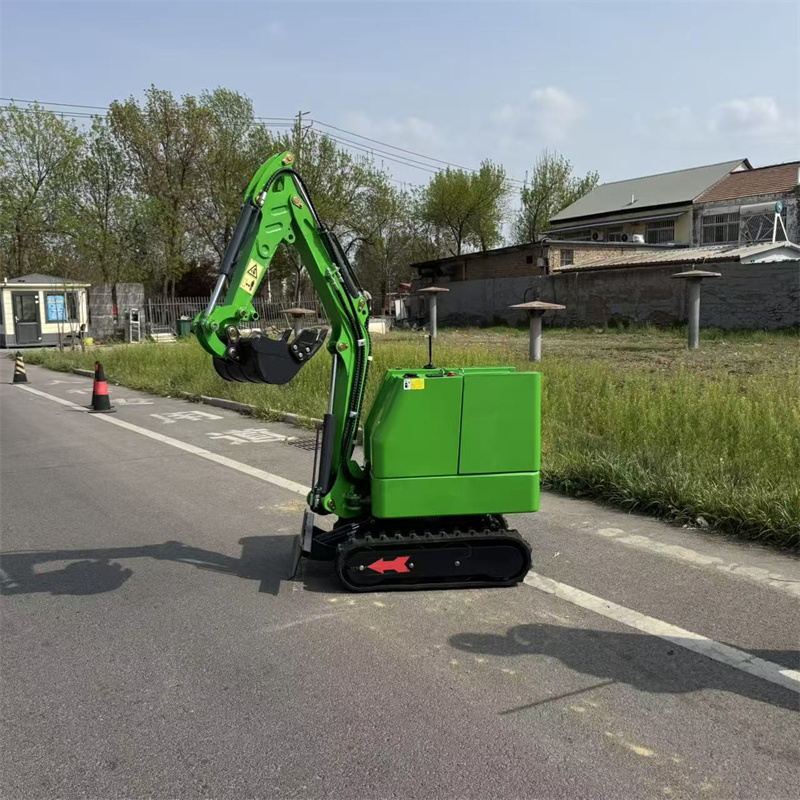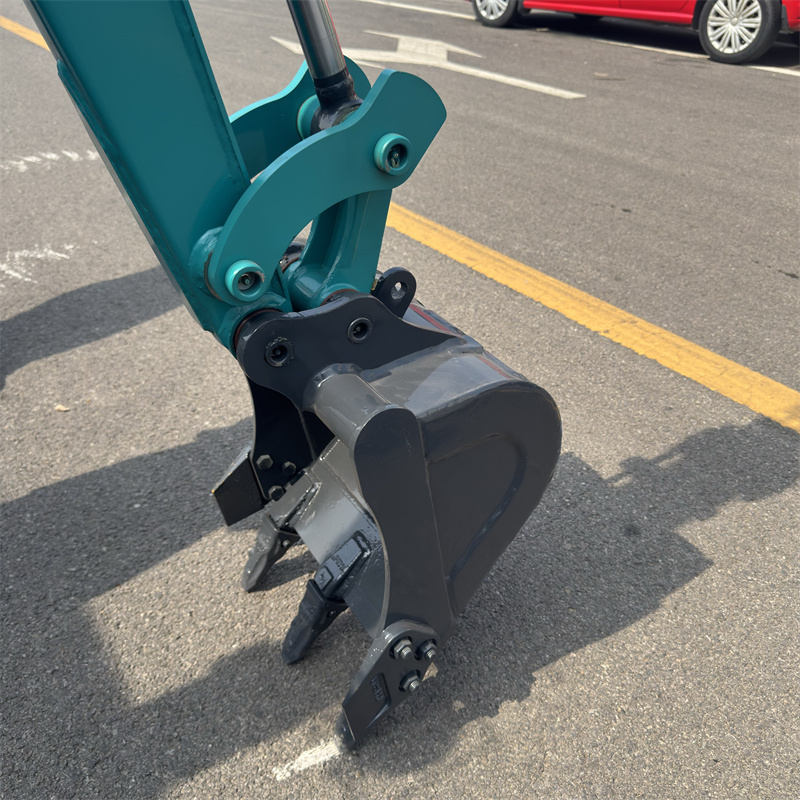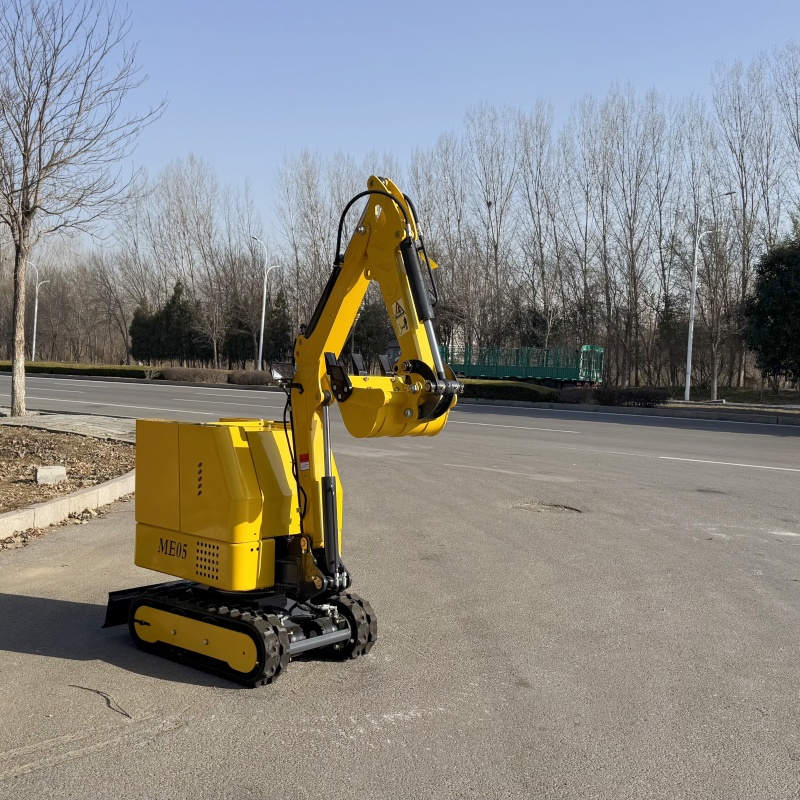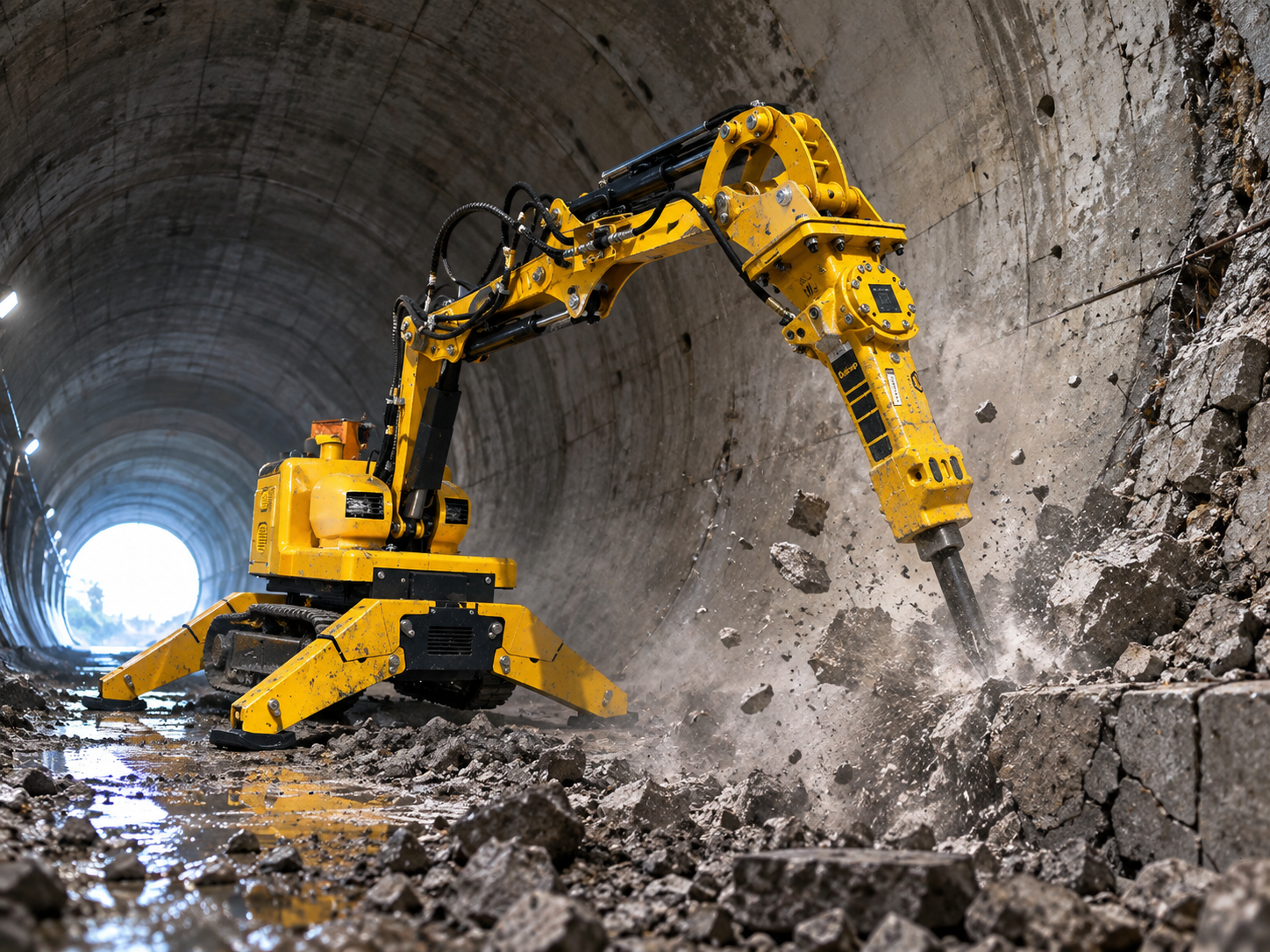
Operating a 1.8 – ton excavator in urban areas requires a comprehensive understanding of noise regulations. As a supplier of 1.8 – ton excavators, I am well – aware of the importance of these regulations for both the operators and the surrounding community. In this blog, I will delve into the noise regulations for using a 1.8 – ton excavator in urban areas, and also highlight how our products can meet these requirements.
Understanding the Basics of Noise Regulations
Urban areas are typically densely populated, with a high concentration of residential, commercial, and institutional buildings. To protect the quality of life of the residents and ensure a peaceful environment, local governments often enforce strict noise regulations. These regulations set limits on the amount of noise that can be generated by various activities, including construction work involving excavators.
The noise limits are usually measured in decibels (dB). Different times of the day may have different allowable noise levels. For example, during the day, when most people are at work or school, the noise limits might be relatively higher compared to the night – time when people are trying to sleep. In many urban areas, the daytime noise limit for construction activities can range from 70 – 80 dB, while the night – time limit may be set at around 50 – 60 dB.
Why 1.8 – Ton Excavators are Subject to Noise Regulations
A 1.8 – ton excavator is a popular choice for many urban construction projects, especially for small – scale excavation, landscaping, and utility work. Its compact size allows it to operate in tight spaces, but it still generates a significant amount of noise during its operation. The engine, hydraulic systems, and moving parts of the excavator all contribute to the overall noise output.
Excessive noise from excavators can cause a variety of problems. It can disrupt the daily lives of nearby residents, leading to annoyance, sleep disturbances, and even long – term health issues such as hearing loss. In addition, high – level noise can also affect the productivity of workers on the site and may cause communication difficulties. Therefore, it is crucial for operators of 1.8 – ton excavators to comply with the noise regulations.
Compliance with Noise Regulations
To comply with the noise regulations, several measures can be taken. Firstly, the design and construction of the excavator play a vital role. Modern 1.8 – ton excavators are equipped with advanced noise – reduction technologies. For example, the engine compartment can be designed with sound – insulating materials to reduce the noise emitted from the engine. The hydraulic system can also be optimized to minimize the noise generated by the fluid flow and the operation of the valves.
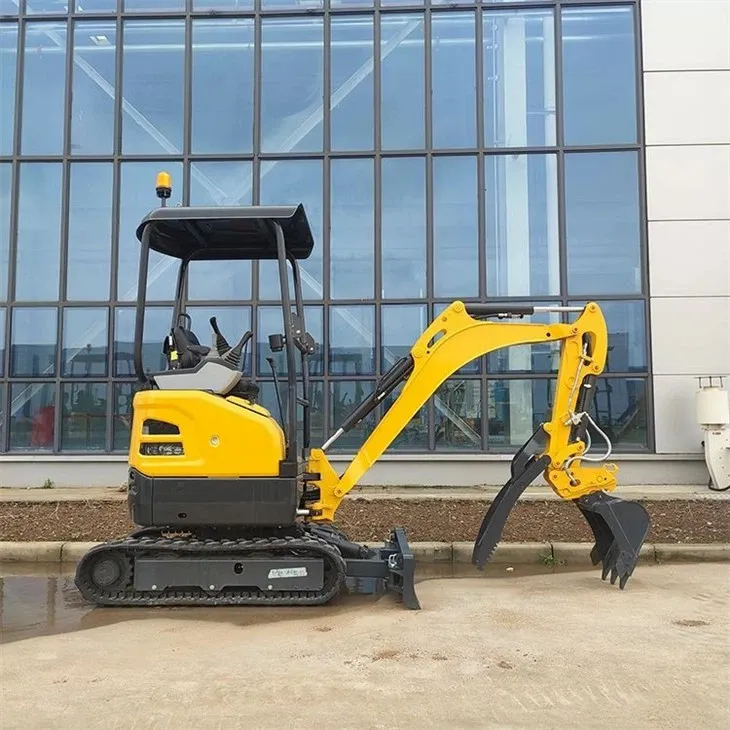
Our Small Excavator 1.8 Ton is specifically engineered to meet the strict noise regulations in urban areas. We use high – quality sound – absorbing materials in the engine enclosure, which can significantly reduce the noise level. The engine itself is carefully selected for its low – noise operation, and the hydraulic components are designed to operate smoothly and quietly.
Another important aspect of compliance is the proper maintenance of the excavator. A well – maintained excavator will generally produce less noise. Regularly checking and replacing worn – out parts, such as belts, bearings, and seals, can prevent unnecessary noise from occurring. Lubricating the moving parts and keeping the engine in good condition are also essential steps to ensure quiet operation.
The Role of Operators in Noise Control
Operators of 1.8 – ton excavators also have a significant role to play in noise control. They should be trained to operate the excavator in a way that minimizes noise. For example, avoiding sudden starts and stops, and using the appropriate speed and power settings can reduce the noise output. Operators should also be aware of the noise regulations in the area where they are working and adjust their operations accordingly.
In addition, operators can use additional noise – reducing equipment, such as mufflers and silencers. These devices can be attached to the exhaust system of the excavator to further reduce the noise. However, it is important to ensure that these additional devices are properly installed and maintained to ensure their effectiveness.
Impact of Noise Regulations on Urban Construction Projects
The noise regulations for 1.8 – ton excavators in urban areas have a direct impact on construction projects. On one hand, they help to protect the environment and the well – being of the community. On the other hand, they can also pose some challenges for project managers.
Compliance with noise regulations may require additional costs. For example, purchasing a more quiet – running excavator or investing in noise – reducing equipment can increase the upfront cost of the project. In addition, the restricted working hours due to night – time noise limits may extend the project duration, which can lead to increased labor costs and potential delays.
However, these challenges can be overcome. By choosing the right excavator, such as our Mini Small Excavator, which is designed for low – noise operation, and implementing effective noise control measures, the impact on the project cost and schedule can be minimized.
How Our 1.8 – Ton Excavators Can Benefit from Noise Regulations
As a supplier of 1.8 – ton excavators, we see the noise regulations as an opportunity rather than a burden. Our excavators are designed with the latest noise – reduction technologies, which gives us a competitive edge in the market.
Our products not only meet the noise regulations but also offer other advantages. For example, the low – noise operation of our excavators can improve the working environment for operators, reducing fatigue and increasing productivity. In addition, using a quiet excavator can also enhance the reputation of the construction company, as it shows their commitment to environmental protection and community well – being.
Applications in Urban Landscaping
One of the common applications of 1.8 – ton excavators in urban areas is landscaping. Mini Excavator Landscaping projects often take place in residential areas or public parks, where noise control is of utmost importance.
Our 1.8 – ton excavators are well – suited for these types of projects. Their low – noise operation allows them to work without causing excessive disruption to the surrounding environment. Whether it is digging trenches for irrigation systems, moving soil, or installing landscape features, our excavators can perform the tasks efficiently while keeping the noise level under control.
Conclusion
In conclusion, noise regulations for using a 1.8 – ton excavator in urban areas are an important part of ensuring a sustainable and livable urban environment. As a supplier, we are committed to providing high – quality excavators that meet these regulations. Our products offer low – noise operation, advanced technology, and reliable performance.
If you are in the market for a 1.8 – ton excavator for your urban construction or landscaping project, we invite you to contact us for a detailed discussion. We can provide you with more information about our products, including their noise – reduction features and how they can help you comply with the local noise regulations. Let’s work together to achieve your project goals while protecting the environment and the well – being of the community.
References
Local government noise regulation documents for urban construction activities.
Industry reports on noise control in construction equipment.
Manufacturer’s specifications for 1.8 – ton excavators.